

 Zobacz w skali 1:1
 Wyślij
 Udostępnij
 Szczegóły
 Przewodnik

 Pobierz plik obrazu
 Podobne obiekty
 RTG
RTG Pokaz slajdów
 Statystyki
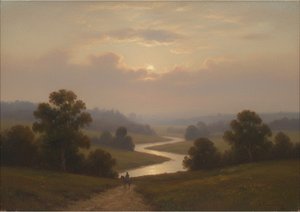
Misty Moonlight
 Oil On Canvas
- WallArt
- Tonalism & Symbolism
 1885
1885- 19th Century
 28.0 x 29.0 cm
 Crystal Bridges Museum of American Art
 Czytaj więcej
Ręcznie malowana reprodukcja olejowa
Ręcznie malowany obraz olejny na płótnie, wykonany na zamówienie przez naszych artystów w wybranym przez Ciebie wymiarze i oprawie. ( Przełącz na wersję drukowaną Przełącz na wersję cyfrową)




P118B zł10

P118H zł10

P118W zł10

P438Z zł10

P508JH zł12

P508YH zł12

P805H zł10

P805Z zł10

P919BZ zł10

P919G zł10

P919XJ zł10

P959ZH zł10

P968JZ zł12

W106C zł8

W218G zł10

W218JH zł8

W218Y zł10

W307PJ zł10

W316G zł10

W316PJ zł8

W316Y zł10

W398PJ zł8

W4111J zł10

W500HY zł15

W500JH zł15

W692G zł12

W849H zł8

W940BG zł15

W953PJ zł8




Wybierz spośród naszych standardowych rozmiarów, które zachowują oryginalne proporcje dzieła sztuki.

Wpisz wymaganą szerokość i wysokość, aby obraz pasował do Twojej ramy lub ściany. Ponieważ jest to dzieło malowane ręcznie, w przypadku rozmiaru o innym proporcji artysta może domalować nieco więcej wokół obrazu lub przyciąć fragmenty — wybór należy do Ciebie. Przed rozpoczęciem pracy prześlemy Ci cyfrową wizualizację do zatwierdzenia. Obraz widoczny na tej stronie nie przedstawia rzeczywistego efektu — jedynie wizualizacja oddaje realny rezultat.
Po złożeniu zamówienia zespół OriginalUniqueArt.com skontaktuje się z klientem drogą mailową w celu uzyskania instrukcji i prześle wizualizację projektu
Dostawa na całym świecie () w ciągu 3–4 tygodni zamiast standardowych 5 tygodni. (25 Październik). Bez kompromisów w kwestii jakości.

Bezpłatna ekspresowa wysyłka na cały świat

Wysokiej jakości płótno lniane

Pełne ubezpieczenie transportowe

Gwarancja zwrotu należności celnych i podatków importowych

Gwarancja idealnego odwzorowania barw

100-dniowy okres na zwrot dzieła w przypadku wykrycia wad produkcyjnych

Gwarancja 100% zwrotu pieniędzy

Oferta przy zakupie wielu sztuk
 Opcja ze szkłem jest dostępna wyłącznie w rozmiarach poniżej 110 cm

Misty Moonlight
Technika wykonania
Rozmiar reprodukcji
-


Suma do zapłaty
zł 1151
A Nocturne of Shadows and Light
In the quietude of the late nineteenth century, few artists captured the ephemeral essence of the American night as profoundly as Albert Pinkham Ryder. His masterpiece, Misty Moonlight (1885), serves as a hauntingly beautiful window into the soul of Tonalism, offering much more than a mere depiction of a seascape. The painting presents a serene yet melancholic vision of a nocturnal world, where a solitary sailing ship drifts through a sea of deep blacks and greenish grays. A luminous crescent moon hangs suspended in the hazy atmosphere, casting a soft, ethereal glow that seems to dissolve the boundaries between the water and the sky. This is not a scene of action, but one of profound stillness, inviting the viewer into a state of meditative contemplation.
The emotional resonance of this work lies in its ability to evoke a sense of mystery and longing. The sparse composition—a delicate dance of geometric forms including the rectangular expanse of the sea, the triangular silhouette of the vessel, and the circular moon—prevents any specific narrative from taking hold. Instead, the viewer is left to wander through the artist's dreamscape, feeling the weight of the heavy, damp air and the rhythmic, silent pulse of the tide. For the collector or interior designer, this piece offers a sophisticated anchor for a room, providing a focal point that commands attention through subtlety rather than spectacle.
The Alchemy of Unconventional Technique
To understand the mesmerizing texture of Misty Moonlight, one must look closely at Ryder’s radical approach to the medium. Eschewing the polished, academic precision favored by his contemporaries, Ryder embraced a method of deliberate instability. He was known for applying successive layers of oil paint while the underlying coats were still wet, a technique that allowed colors to bleed and merge in unpredictable ways. This process created the "gauzy" and atmospheric quality that defines his most celebrated works.
This layering does more than just create visual depth; it imbues the canvas with a physical materiality that feels alive. The resulting surface is often thick and textured, capturing light in a way that mimics the shifting mists of a coastal night. This mastery of atmosphere—achieved through what some might call "controlled chaos"—is precisely what makes a high-quality reproduction of this work so captivating. When rendered with care, the interplay of dark tones and soft highlights can transform a modern living space into a sanctuary of historical depth and artistic intrigue.
A Legacy of Symbolism and Inspiration
Ryder’s inspiration was deeply rooted in his formative years in New Bedford, Massachusetts, a bustling whaling port where the sea was an ever-present character in daily life. The maritime motifs found in Misty Moonlight are not merely decorative; they are echoes of a childhood spent amidst salt spray and moonlight. This connection to the American coast lends the painting an authentic, grounded spirit, even as it drifts into the realms of Symbolism.
As a pioneer of American Symbolism, Ryder used the landscape to represent internal emotional states. The ship, often a recurring motif in his oeuvre, can be seen as a symbol of the human journey through the unknown, navigating the murky waters of existence under the watchful eye of a distant, celestial light. For those seeking to decorate with purpose, incorporating such a piece allows for the introduction of profound storytelling into an environment. It is an invitation to look beyond the surface and find beauty in the shadows, making it an enduring choice for any curated collection of fine art.
Pytania i odpowiedzi
Jaką harmonię kolorów prezentuje „Misty Moonlight” autorstwa Albert Pinkham Ryder?
„Misty Moonlight” autorstwa Albert Pinkham Ryder prezentuje Unified Palette harmonię kolorystyczną.
Jaki kolor dominuje w kompozycji „Misty Moonlight” autorstwa Albert Pinkham Ryder?
Dominującym kolorem dzieła „Misty Moonlight” autorstwa Albert Pinkham Ryder jest Phthalo Green (#2d2c27).
Jakie nasycenie kolorów ma „Misty Moonlight” autorstwa Albert Pinkham Ryder?
Dzieło „Misty Moonlight” autorstwa Albert Pinkham Ryder zostało utrwalone z Subtle Color nasyceniem kolorów.
Biografia artysty
Albert Pinkham Ryder – A Visionary of Mood and Light
Albert Pinkham Ryder (1847-1917) remains a figure shrouded in artistic enigma, yet undeniably influential within the annals of American art history. Details concerning his formative years are scarce—fragments gleaned from archival records paint a picture of a childhood steeped in the maritime atmosphere of New Bedford, Massachusetts. Little is known about Ryder’s early life beyond this coastal upbringing, which undoubtedly instilled within him an enduring fascination with the sea and its transformative power. This fascination would become a recurring motif throughout his oeuvre, manifesting itself as a constant source of inspiration for decades to come.Early Life and Artistic Beginnings
Ryder's family relocated to New York City in 1867 or 1868, joining Ryder’s elder brother who had established Hotel Albert in Greenwich Village—a landmark reflecting the burgeoning cultural dynamism of the era. This move placed young Albert within a milieu brimming with artistic possibilities and exposure to groundbreaking ideas. Balancing familial responsibilities alongside his unwavering passion for painting, he diligently honed his craft, laying the groundwork for his future artistic trajectory. Despite facing rejection from the National Academy of Design—a pivotal moment in his artistic ambitions—Ryder persevered, securing admittance after a second attempt and forging an enduring friendship with fellow artist Julian Alden Weir. These formative years nurtured his technical skills and introduced him to the established art world, shaping his aesthetic sensibilities profoundly.Formal Training and European Influences
Ryder’s formal artistic education commenced under William Edgar Marshall in New York City before he enrolled at the National Academy of Design between 1870 and 1875. His initial exhibition in 1873 cemented his position within the artistic landscape, establishing a lifelong connection with Weir—a bond that would prove invaluable throughout his career. These years instilled in him a mastery of traditional techniques while simultaneously fostering an openness to innovative concepts championed by European artists. Between 1877 and 1903, Ryder embarked on four transformative journeys to Europe, immersing himself in the artistic currents of the Old World—a period that irrevocably altered his artistic vision. He was particularly captivated by the French Barbizon school’s emphasis on naturalism and plein air painting, alongside the Dutch Hague School's muted color palettes and atmospheric landscapes. These influences instilled within him a profound appreciation for tonal effects and textural nuances—elements that would become hallmarks of his distinctive style.A Distinctive Artistic Style: Tonalism and Symbolism
Ryder’s artistic approach distinguished itself from prevailing trends, prioritizing mood and emotion over meticulous detail. He eschewed academic conventions in favor of expressive brushwork and a deliberate manipulation of color to convey intangible feelings—a stylistic choice that foreshadowed the burgeoning movement of Abstract Expressionism. His canvases frequently depict solitary figures enveloped within expansive landscapes or seascapes bathed in ethereal light—scenes imbued with an otherworldly quality that transcends mere representation. Ryder’s masterful use of tonal variations—subtle gradations of hue and shade—created a palpable sense of atmosphere, mirroring the psychological depth he sought to capture on canvas. Recurring motifs included biblical narratives and mythological references—symbols that resonated deeply within his artistic imagination and reflected his spiritual convictions.Legacy and Recognition
Ryder’s oeuvre garnered considerable acclaim during his lifetime, securing him a place alongside European masters at the groundbreaking 1913 Armory Show—an event that effectively defined modern art in America. His singular vision captivated critics and fellow artists alike, establishing him as a pioneer of American Tonalism and Symbolism. Notably, Jackson Pollock famously proclaimed Ryder’s influence on his own work, recognizing him as “the only American master who interests me.” Ryder's enduring legacy continues to inspire contemporary artists—a testament to the timeless power of his artistic intuition and unwavering dedication to exploring the expressive potential of color and form. His paintings remain treasured artifacts of American art history—illuminating glimpses into a visionary artist’s profound engagement with both nature and spirituality.
Albert Pinkham Ryder
1847 - 1917 , Stany Zjednoczone
Najważniejsze informacje
- Artistic Movement Or Style: Tonalism & Symbolism
- Artists Who Influenced This Artist:
- William Edgar Marshall
- J. Alden Weir
- Date Of Birth: March 19, 1847
- Date Of Death: March 28, 1917
- Full Name: Albert Pinkham Ryder
- Nationality: American
- Notable Artworks:
- Misty Moonlight
- The Race Track
- Siegfried & Rhine Maidens
- Place Of Birth: New Bedford, USA
Zobacz także powiązane artykuły

Amerykański Realizm: 10 Arcydzieł, Które Zdefiniowały Epokę | OriginalUniqueArt
Poznaj 10 arcydzieł amerykańskiego realizmu! Odkryj historie Winslowa Homera, Edwarda Hoppera i innych mistrzów. Reprodukcje obrazów najwyższej jakości – inspiracje do Twojego wnętrza na OriginalUniqueArt.com

Grant Wood & American Regionalism: Identity, Myth & the Rural Landscape
Explore the world of Grant Wood & American Regionalism with OriginalUniqueArt. Discover the symbolism behind 'American Gothic', recurring themes, and the movement's lasting impact on art history. High-quality reproductions available.
Atmosferyczne Wizje: Badanie Tonalizmu w Malarstwie Amerykańskim – Subtelność, Nastrój i Duch Pejzażu
Odkryj subtelność tonalizmu w malarstwie amerykańskim! Poznaj kluczowych artystów, symbolikę i atmosferę tego fascynującego nurtu. Ekspercka analiza i inspiracje dla kolekcjonerów.

Albert Bierstadt: Luminosity, Landscape & the American Ideal
Explore the breathtaking landscapes of Albert Bierstadt, master of the American West & a leading figure in the Hudson River School. Discover his luminous style and iconic paintings – a timeless investment for art lovers.

Amerykański Regionalizm: Studium Tożsamości w Obrazach Pracy, Miejsca i Krytyki Społecznej
Poznaj fascynujący świat amerykańskiego regionalizmu! Analiza kluczowych artystów, wpływ Wielkiego Kryzysu na sztukę i symbolika krajobrazu. Ekspercka analiza dla miłośników historii sztuki.
