

 Podgląd w skali 1:1
 Wyślij jako kartkę
 Udostępnij
 Szczegóły dzieła
 Przewodnik

 Pobierz obraz
 Podobne obiekty
 RTG
RTG Pokaz slajdów
 Q&A
Q&A Statystyki
Michał Anioł
 Akryl na płótnie
- Sztuka ścienna
- Romantic Neoclassicism
 1883
1883 56.0 x 40.0 cm
 Wydział Sztuk Pięknych Uniwersytetu Komplotense w Madrycie
 Rozwiń treść
Giclée / Wydruk artystyczny
Wydruki giclée lub płótna o jakości muzealnej, szybka realizacja i szeroki wybór opcji wykończenia. ( Zamów ręcznie malowaną reprodukcję Przejdź do wersji cyfrowej)




P118B zł10

P118H zł10

P118W zł10

P438Z zł10

P508JH zł12

P508YH zł12

P805H zł10

P805Z zł10

P919BZ zł10

P919G zł10

P919XJ zł10

P959ZH zł10

P968JZ zł12

W106C zł8

W218G zł10

W218JH zł8

W218Y zł10

W307PJ zł10

W316G zł10

W316PJ zł8

W316Y zł10

W398PJ zł8

W4111J zł10

W500HY zł15

W500JH zł15

W692G zł12

W849H zł8

W940BG zł15

W953PJ zł8




Wybierz spośród naszych standardowych rozmiarów, które zachowują oryginalne proporcje dzieła sztuki.

Wpisz wymaganą szerokość i wysokość, aby dopasować grafikę do ramy lub ściany. Wydruk można jedynie przyciąć, nigdy nie powiększając go poza oryginalny obraz, dlatego format o innych proporcjach spowoduje utratę części kompozycji. Przed rozpoczęciem druku prześlemy Ci cyfrowy podgląd do zatwierdzenia. Obraz wyświetlany na tej stronie nie pokazuje rzeczywistego przycięcia — jedynie podgląd oddaje ten efekt.
Dostawa na cały świat () w ciągu 2 tygodni zamiast standardowych 4/5 tygodni. (28 Październik)

Bezpłatna ekspresowa wysyłka na cały świat

Wysokiej jakości płótno lniane

Pełne ubezpieczenie przesyłki

Gwarancja zwrotu należności celnych i podatków importowych

Gwarancja wiernego odwzorowania kolorów

100-dniowa polityka zwrotów (tylko w przypadku wad)

Gwarancja 100% zwrotu pieniędzy

Zniżka przy zakupie wielu sztuk
 Opcja ze szkłem jest dostępna wyłącznie w rozmiarach poniżej 110 cm

Michał Anioł
Giclée / Wydruk artystyczny
Wymiary reprodukcji
-


Cena całkowita
zł 308
Albert Ernest Carrier Belleuse i Michał Aleksandrowicz Buonarotti – Odtworzenie Statuy Mistrza
Albert Ernest Carrier Belleuse, francuski rzeźbiarz urodzony w Anizy-le-Château w 1824 roku i zmarły w Paryżu w 1887 roku, stanowi istotną postać XIX wieku, artystę którego twórczość przełamywała stylistyczną elegancję Rococoa z naturalnym realizmem. Jego kariera rozwinęła się wokół znakomitej współpracy z innymi twórcami i umiejętności przekształcania klasycznych idei w ekspresyjne formy oraz dramatyczne narracje.
Największym osiągnięciem Carrier Belleuse’a była monumentalna statua Michała Aleksandrowicza Buonarotti, zamówiona przez króla Francji Ludwika Filipa II. Projekt został ukończony w 1883 roku i stanowi doskonałe przykładowe połączenie stylu neoklasycznego z wpływami romantyzmu. Belleuse wykorzystał technikę brązu oraz zastosował złoty bazowy kolor, aby oddać piękno i majestat postaci Buonarotti – jednego z najważniejszych twórców historii sztuki.
- Styl: Statua Buonarotti prezentuje się jako rezultat połączenia klasycznej doskonałości z emocjonalną ekspresją charakterystyczną dla romantyzmu. Belleuse wiernie odwzorował anatomię ciała i głowę mistrza, wykorzystując elementy dekoracyjne inspirowane sztuką włoską.
- Technika: Rzeźbiarz zastosował metodę odlewową brązu, która pozwalała uzyskać niezwykle szczegółowe odwzorowanie faktury skóry oraz delikatnych rysów twarzy Buonarotti. Proces twórczy wymagał ogromnego cierpliwości i umiejętności oraz wykorzystania specjalistycznych narzędzi.
- Historia: Statua Buonarotti powstała w okresie największego rozkwitu romantyzmu, kiedy to artyści szukali nowych sposobów wyrażania emocji i zainteresowań filozoficznymi oraz politycznymi. Belleuse zainspirował się twórczością innych znakomitych rzeźbiarzy epoki, takich jak Auguste Rodin.
- Symbolizm: Statua Buonarotti jest symbolem intelektualnego piękna oraz duchowego geniuszu Buonarotti – twórcy monumentalnych dzieł sztuki włoskiego Renesansu. Jego postać reprezentuje doskonałość ludzkiego ducha i umiejętność przekształcania idei filozoficznych w rzeczywistość artystyczną.
Odtworzenie statuy Buonarotti wykonane przez Albert Ernest Carrier Belleuse’a stanowi wyjątkową propozycję dla miłośników sztuki oraz osób zainteresowanych dekoracją wnętrz. Jego elegancka forma i bogate złocenie dodadzą pomieszczeniu atmosferę klasy i prestiżu, przypominając o historii i kulturze europejskiego XIX wieku.
Pytania i odpowiedzi
Co przedstawia "Michał Anioł"?
„Michał Anioł” – Albert Ernest Carrier Belleuse przedstawia: sculpture, michelangelo, portrait bust, bronze sculpture, classical art, romantic era, renaissance figure, artist representation.
W jaki sposób nurt i epoka przenikają się w „Michał Anioł” – Albert Ernest Carrier Belleuse?
W „Michał Anioł” – Albert Ernest Carrier Belleuse nurt Romantic Neoclassicism łączy się z epoką – Wiek XIX.
Do jakiego etapu kariery Albert Ernest Carrier Belleuse odpowiada data powstania dzieła „Michał Anioł” (1883)?
Data powstania dzieła (1883) sytuuje "Michał Anioł" w Mature Period rozwoju twórczości Albert Ernest Carrier Belleuse.
Biografia artysty
Rzeźbiarskie dziedzictwo Alberta Ernesta Carriera Belleuse'a
W tętniącym życiem, nieustannie zmieniającym się krajobrazie francuskiej sztuki XIX wieku, niewiele postaci posiadało tak wielką wszechstronność i biegłość techniczną jak Albert Ernest Carrier Belleuse. Urodzony w 1824 roku w Anizy-le-Château, rozpoczął swoją podróż do świata sztuk pięknych nie od monumentalnego marmuru akademii, lecz od delikatnych, precyzyjnych dłoni ucznia złotnika. Ta wczesna fascynacja misternymi detalami szlachetnych metali zaszczepiła w nim dożywotny szacunek dla tekstury i formy – fundament, który pozwolił mu później sprawnie nawigować przez złożoną transformację od neoklasycznej sztywności ku płynnej gracji rodzącego się nurtu Art Nouveau.
Jego formalna edukacja w École des Beaux-Arts pod okiem Davida D'Angerssa dostarczyła dyscypliny strukturalnej niezbędnej do artystycznego wzlotu. Pod przewodnictwem D'Angerssa, Carrier Belleuse opanował anatomiczną precyzję i klasyczne ideały, które zdefiniowały znaczną część jego wczesnego repertuaru. Jednak nigdy nie był jedynie naśladowcą przeszłości. W miarę postępów w karierze zaczął przelewać na swoje dzieła romantyczny żar, odchodząc od statycznego doskonałości na rzecz bardziej ekspresyjnego, emocjonalnego realizmu. Ta ewolucja jest najbardziej widoczna w jego zdolności do chwytania ruchu i witalności, niezależnie od tego, czy przejawiało się to w delikatnych porcelanowych kolaboracjach podczas pobytu w Anglii, czy w monumentalnych brązowych osiągnięciach w Paryżu.
Mistrz formy i płynności
Geniusz Carriera Belleuse'a tkwił w jego niezwykłej zdolności do syntezy odległych ruchów artystycznych w jedną, spójną estetykę. Posiadał unikalny talent do budowania mostu między ozdobną elegancją epoki rokoka a surową, naturalistyczną energią realizmu. Jego prace często prezentują urzekającą grę światła i cienia, szczególnie w przypadku brązu lub terakoty, gdzie potrafił manipulować powierzchnią tak, by sugerować miękkość skóry lub ciężki upadek tkaniny.
Jego rzeźbiarski repertuar był równie różnorodny, co jego inspiracje:
- Portretowanie wielkości: W dziełach takich jak jego srebrzony brązowy popiersie Michała Anioła, wykazał się nieporównywalną zdolnością do połączenia klasycznej czci z psychologiczną głębią, która oddaje hołd legendarnej duchowości tematu.
- Allegoryczna elegancja: Dzieła takie jak jego Torchère ukazują mistrzostwo w formie alegorycznej, wykorzystując splecione postacie do ucieleśnienia złożonych ludzkich emocji, takich jak pasja i siła, poprzez neoklasyczną grację.
- Chwytanie ruchu: Jego zdolność do przekładania ulotnej natury życia na trwałe medium widoczna jest w bardziej impresjonistycznych poszukiwaniach, gdzie granice między postacią a atmosferą zaczynają się zacierać.
Mistrzostwo i znaczenie historyczne
Poza swoimi indywidualnymi osiągnięciami, Carrier Belleuse zajmuje głębokie miejsce w historii sztuki ze względu na swoją rolę łącznika między pokoleniami. Najbardziej znacząco pełnił rolę mentora dla Auguste Rodina. Choć Rodin ostatecznie zburzył konwencje rzeźby, by stworzyć nowy język modernizmu, to właśnie fundamentalne szkolenie i stylistyczna szerokość zapewniona przez Carriera Belleuse'a pomogły ukształtować wczesną trajektorię mistrza ruchu. Ich wspólne wysiłki, jak te widoczne w budynkach Giełdy w Brukseli, reprezentują fascynujące przecięcie utrwalonej tradycji i rodzącej się innowacji.
Odznaczony Légion d'honneur i będący członkiem Société Nationale des Beaux-Arts, jego uznanie było świadectwem ogromnego wkładu w kulturę francuską. W miarę jak przechodził od delikatnego podpisu „carrier” do bardziej ugruntowanego „carrier-belleuse”, jego twórczość stała się synonimem wyrafinowanej estetyki późnego XIX wieku. Dziś jego dziedzictwo trwa nie tylko w muzeach, ale w samym DNA nowoczesnej rzeźby, przypominając nam o czasach, gdy sztuka mogła być jednocześnie monumentalna, dekoracyjna i głęboko ludzka.

Albert Ernest Carrier Belleuse
1824 - 1887 , Francja
Krótka nota
- Artistic Movement Or Style: Neoklasycyzm i realizm
- Artists Or Movements Influenced By This Artist: Auguste Rodin
- Artists Who Influenced This Artist: David D'angers
- Date Of Birth: 12 czerwca 1824
- Date Of Death: 4 czerwca 1887
- Full Name: Albert Ernest Carrier-Belleuse
- Nationality: Francuz
- Notable Artworks:
- Gwałt Hippodamii
- U krawca
- Place Of Birth: Anizy-le-Château, Francja
Powiązane artykuły

10 Legendarnych Brązów, Które Zrewolucjonizowały Sztukę | OriginalUniqueArt
Odkryj 10 legendarnych rzeźb brązowych, które zrewolucjonizowały sztukę! Poznaj historie Rodina, Donatello i innych mistrzów. Inspiracje wnętrzarskie & reprodukcje najwyższej jakości na OriginalUniqueArt.com.

10 Legendarnych Brązów Rzeźbiarskich, Które Zmieniły Sztukę | OriginalUniqueArt
Odkryj 10 legendarnych rzeźb brązowych od Rodina, Degasa i innych mistrzów! Poznaj historię powstania arcydzieł sztuki i inspiruj się do dekoracji wnętrz. Reprodukcje najwyższej jakości na OriginalUniqueArt.com – zobacz kolekcję!

Trwałe Formy: Ewolucja Technik i Tematów w Rzeźbie Przez Wieki – Od Antyku do Renesansu
Poznaj fascynującą historię rzeźby od antyku do renesansu! Odkryj techniki, wybitnych artystów i wpływ na współczesną sztukę. Ekspercka analiza dla kolekcjonerów i miłośników.
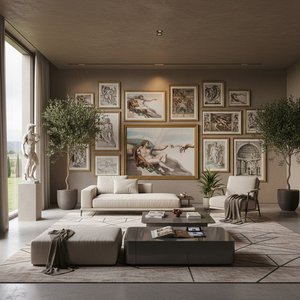
Michelangelo Buonarroti: 25 Arcydzieł Genialnego Mistrza | OriginalUniqueArt.com
Odkryj 25 arcydzieł Michelangelo Buonarroti – od Pietà po Kaplicę Sykstyńską. Poznaj historię, technikę i piękno renesansowych fresków i rzeźb. Reprodukcje obrazów najwyższej jakości na OriginalUniqueArt.com! Eksploruj kolekcję online.

Trwała Forma: Rzeźba w Historii – Technika i Rezonans Emocjonalny
Poznaj historię rzeźby od antyku do współczesności! Ekspercka analiza technik, stylów i emocjonalnego wpływu arcydzieł. Inspiracje dla kolekcjonerów i miłośników sztuki.
