

 Podgląd w skali 1:1
 Wyślij jako kartkę
 Udostępnij
 Szczegóły dzieła
 Przewodnik

 Pobierz obraz
 Podobne obiekty
 RTG
RTG Pokaz slajdów
 Statystyki
Sukkaa kutova tyttö


 Rozwiń treść
Giclée / Wydruk artystyczny
Wydruki giclée lub płótna o jakości muzealnej, szybka realizacja i szeroki wybór opcji wykończenia. ( Zamów ręcznie malowaną reprodukcję Przejdź do wersji cyfrowej)




P118B zł10

P118H zł10

P118W zł10

P438Z zł10

P508JH zł12

P508YH zł12

P805H zł10

P805Z zł10

P919BZ zł10

P919G zł10

P919XJ zł10

P959ZH zł10

P968JZ zł12

W106C zł8

W218G zł10

W218JH zł8

W218Y zł10

W307PJ zł10

W316G zł10

W316PJ zł8

W316Y zł10

W398PJ zł8

W4111J zł10

W500HY zł15

W500JH zł15

W692G zł12

W849H zł8

W940BG zł15

W953PJ zł8




Wybierz spośród naszych standardowych rozmiarów, które zachowują oryginalne proporcje dzieła sztuki.

Wpisz wymaganą szerokość i wysokość, aby dopasować grafikę do ramy lub ściany. Wydruk można jedynie przyciąć, nigdy nie powiększając go poza oryginalny obraz, dlatego format o innych proporcjach spowoduje utratę części kompozycji. Przed rozpoczęciem druku prześlemy Ci cyfrowy podgląd do zatwierdzenia. Obraz wyświetlany na tej stronie nie pokazuje rzeczywistego przycięcia — jedynie podgląd oddaje ten efekt.
Dostawa na cały świat () w ciągu 2 tygodni zamiast standardowych 4/5 tygodni. (26 Październik)

Bezpłatna ekspresowa wysyłka na cały świat

Wysokiej jakości płótno lniane

Pełne ubezpieczenie przesyłki

Gwarancja zwrotu należności celnych i podatków importowych

Gwarancja wiernego odwzorowania kolorów

100-dniowa polityka zwrotów (tylko w przypadku wad)

Gwarancja 100% zwrotu pieniędzy

Zniżka przy zakupie wielu sztuk
 Opcja ze szkłem jest dostępna wyłącznie w rozmiarach poniżej 110 cm

Sukkaa kutova tyttö
Giclée / Wydruk artystyczny
Wymiary reprodukcji
-


Cena całkowita
zł 307
Albert Edelfelt’s “Sukkaa kutova tyttö”: A Portrait of Rural Finland
“Sukkaa kutova tyttö” – "Girl Knitting a Sock" – is more than just a depiction of a young girl; it's a poignant window into the heart of 19th-century Finnish rural life, masterfully rendered by Albert Edelfelt. Painted in 1878, this work exemplifies Edelfelt’s pivotal shift away from grand historical narratives towards a deeply personal and naturalistic style that would ultimately define his legacy as Finland's greatest artist. The scene unfolds within the tranquil embrace of a Finnish forest, a setting meticulously observed and imbued with a quiet dignity.
The central figure, a young girl absorbed in her task of knitting a sock, dominates the composition. Her posture is relaxed yet attentive, her expression thoughtful – a subtle blend of concentration and perhaps a touch of melancholy. The artist’s skill lies not just in capturing her physical likeness but also in conveying an intangible sense of character, hinting at the hardships and quiet resilience inherent in rural existence. The presence of several other figures, subtly placed within the background, adds to the scene's realism, suggesting a bustling household or perhaps a communal gathering – a vital element of Finnish village life.
Realism and the Rise of National Identity
Edelfelt’s artistic journey was profoundly shaped by his time in Antwerp and Paris. Initially trained in the academic tradition of history painting under Jean-Léon Gerome, he quickly recognized the limitations of this style when applied to Finnish subjects. His move towards realism began with a desire to authentically portray the lives of his countrymen – a crucial step in fostering a sense of national identity during a period of increasing political and cultural awareness within Finland.
The painting’s setting, a dense Finnish forest, is not merely a backdrop; it's an integral part of the narrative. The trees, rendered with meticulous detail, evoke a sense of timelessness and connection to the land – a theme that would become increasingly important in Finnish art and literature during this era. This focus on the natural world reflects Edelfelt’s commitment to representing Finland’s unique landscape and culture to the wider world.
Technique and Composition
"Sukkaa kutova tyttö" showcases Edelfelt's mastery of oil painting techniques. The brushwork is smooth yet textured, creating a palpable sense of depth and atmosphere. He employs subtle gradations of light and shadow to model the figures and their surroundings, lending them a remarkable three-dimensionality. The composition itself is carefully balanced, with the girl occupying the central space while the surrounding elements – the trees, the rock, and the other figures – contribute to a harmonious whole.
Notice the use of color; muted greens, browns, and blues dominate the palette, reflecting the natural tones of the Finnish forest. These colors are not merely descriptive; they evoke a sense of tranquility and serenity, reinforcing the painting’s overall mood. The artist's attention to detail – from the texture of the girl’s dress to the individual strands of yarn – is remarkable, demonstrating his dedication to capturing the nuances of everyday life.
Symbolism and Emotional Impact
Beyond its realistic depiction of rural Finland, “Sukkaa kutova tyttö” carries a subtle symbolic weight. The act of knitting itself represents hard work, domesticity, and the continuation of tradition – values deeply rooted in Finnish culture. The girl’s contemplative expression suggests a connection to something larger than herself, perhaps a sense of responsibility or a yearning for a better future.
Edelfelt's ability to evoke such profound emotions through seemingly simple subject matter is a testament to his artistic genius. “Sukkaa kutova tyttö” remains a powerful and enduring image of Finland – a celebration of its people, its landscape, and its cultural heritage. A hand-painted reproduction offers an unparalleled opportunity to experience the beauty and emotional depth of this iconic work firsthand.
Pytania i odpowiedzi
Do którego etapu twórczości Albert Edelfelt należy dzieło „Sukkaa kutova tyttö”?
„Sukkaa kutova tyttö” pochodzi z okresu Mature Period w twórczości Albert Edelfelt. Klasyfikacja ta wiąże dzieło z rozwojem artysty.
Do jakiego nurtu artystycznego należy „Sukkaa kutova tyttö” – Albert Edelfelt?
Nurt związany z „Sukkaa kutova tyttö” – Albert Edelfelt to Finnish Realism. Ta klasyfikacja sytuuje dzieło wśród pokrewnych artystów i dzieł sztuki.
Gdzie można kupić ręcznie malowane reprodukcje dzieła „Sukkaa kutova tyttö” – Albert Edelfelt?
Ręcznie malowane reprodukcje dzieła „Sukkaa kutova tyttö” – Albert Edelfelt można nabyć na stronie niniejsza strona: ręcznie malowana reprodukcja olejowa na płótnie lnianym, zamawiając je bezpośrednio w zakładce Ręcznie malowana reprodukcja.
Biografia artysty
Albert Edelfelt – Pionier Realizmu Fińskiego
Albert Gustaf Aristides Edelfelt (ur. 21 lipca 1854 w Porvoo, zm. 18 sierpnia 1905 Porvoo, Grand Duchy of Finland, Russian Empire) – fiński malarz, jeden z najważniejszych twórców sztuki narodowej kraju i jeden z najbardziej rozpoznawalnych przedstawicieli realizmu XIX wieku. Jego dzieła stanowią fundament dla zrozumienia ducha epoki oraz inspiracją dla kolejnych pokoleń artystów.Edelfelt urodził się w rodzinie pochodzącej z szlachty, której korzenie sięgały głęboko w historię Finlandii. Ojciec Carl Albert Edelfelt był architektem i emigrantem szwedzkim, który zamieszkał w Finlandii jeszcze przed narodziną syna. Jego matka Alexandra Edelfeldt née Brandt była poetką amatorką i gorącym zwolennikiem sztuki – kobieta niezwykle ciepła i troskliwa o dobro dziecka.
Już jako młodych chłopiec Edelfelt wykazywał wyjątkowy talent artystyczny, który zainspirował go do rozpoczęcia studiów na Szkole Rysunkowej Fińskiego Towarzystwa Artystycznego w Helsinoksie w 1869 roku. Kontynuował naukę pod opieką Adolfa von Beckera (1871–73), zdobywając nagrodę za doskonałość za obraz Aleksandra Wielkiego na jego śmierć. Jego umiejętności doskonalił następnie w Akademii Sztuki w Antwerpii (1873–74) oraz École Nationale des Beaux-Arts w Paryżu (1874–78), gdzie pod kierownictwem Jean-Léon Gérôme kształtował swój styl historyczny.
Życiorys i Kariera Artystyczna
Przebywanie Edelfelta we Francji otworzyło mu drzwi do świata kultury i sztuki oraz zapewniło dostęp do szerokiego kręgu klientów – zarówno wśród elit społecznych, jak i intelektualnej. Jego twórczość koncentrowała się przede wszystkim na obrazach historycznych, które były wówczas dominującym kierunkiem rozwoju sztuki francuskiej. Edelfelt nawiązał przyjaźnie z innymi artystami, m.in. Julian Alden Weir oraz Jules Bastien-Lepage, którzy wspierali jego rozwój zawodowy i osobisty.
Największy sukces Edelfelta osiągnął podczas Światowej Ekspozycji Uniwersyteckiej w Paryżu w 1889 roku, gdzie otrzymał srebrny medal za obraz „Królowa Blanka”, który został uznany jednym z najważniejszych dzieł sztuki narodowej Finlandii. Jego twórczość zainspirowała wielu młodych fińskich malarzy, którzy pod jego wpływem rozpoczęli własną karierę artystyczną.
Znaczące Dzieła i Styl
Edelfelt słynie przede wszystkim z obrazów portretowych, które charakteryzują się niezwykłą dokładnością anatomiczną oraz umiejętnością oddania emocji i charakteru osoby przedstawionej. Jego twórczość wyraża głębokie zrozumienie dla ludzkiej psychiki oraz piękna natury – szczególnie krajobraz finlandzki, który stanowi istotną inspiracją dla jego dzieł.
Among Edelfelt’s most celebrated works are „Portrait of Louis Pasteur” (1886), „Young Woman in Her Boudoir” (1878) oraz „Under the Birches” (1879). The latter painting, executed outdoors near Haikko, exemplifies Edelfelt's commitment to plein air painting and is considered a masterpiece of Finnish Realism.
Dziedzictwo i Wpływ
Albert Edelfelt jest jednym z pionierów fińskiej szkoły realistycznej, która wyznaczyła nowe kierunki rozwoju sztuki narodowej kraju. Jego twórczość wpłynęła na wielu młodych artystów, którzy pod jego wpływem stworzyli własną oryginalną wizję świata i piękna. Jego dzieła znajdują się w kolekcjach muzeów na całym świecie, a jego pamięć została uczczona poprzez emisję monet okolicznych urodzin w 2004 roku.
Edelfelt pozostawił po sobie bogate dziedzictwo kulturowe i artystyczne, które nadal inspiruje twórców oraz zainteresowanych sztuką. Jego obraz „Królowa Blanka” jest jednym z najważniejszych dzieł sztuki narodowej Finlandii i stanowi doskonały przykład realizmu XIX wieku.

Albert Edelfelt
1854 - 1905 , Finland
Krótka nota
- Artistic Movement Or Style: Realism
- Artists Or Movements Influenced By This Artist: ['Akseli Gallen-Kallela']
- Artists Who Influenced This Artist: ['Jean-Léon Gérôme']
- Date Of Birth: July 21, 1854
- Date Of Death: August 18, 1905
- Full Name: Albert Gustaf Aristides Edelfelt
- Nationality: Finnish
- Notable Artworks:
- Portrait of Louis Pasteur
- Young woman in her boudoir
- Under the birches
- Place Of Birth: Porvoo, Finland
Powiązane artykuły

The Soul of Impressionism: Why Oil on Canvas Captures Eternal Light and Timeless Emotion
Discover the enchanting alchemy of Impressionism. Explore how the mastery of oil on canvas, through glazing and impasto, captures eternal light and emotion. Perfect for lovers of Monet and Van Gogh seeking the profound depth of hand-painted fine art.

Trwała Spuścizna Malarstwa Olejnego: Technika, Historia i Współczesna Praktyka
Poznaj historię i techniki malarstwa olejnego. Poradniki dla artystów, informacje o konserwacji oraz możliwość zamówienia wysokiej jakości reprodukcji obrazów. Ekspercka wiedza i gwarancja trwałości dzieł sztuki.

Olej na płótnie: Historia, techniki i ponadczasowy urok malarskiego medium
Poznaj historię i techniki malarstwa olejowego! Od renesansowych mistrzów po współczesne zastosowania – wszystko o oleju na płótnie. Poradniki, konserwacja i inspiracje dla pasjonatów sztuki.
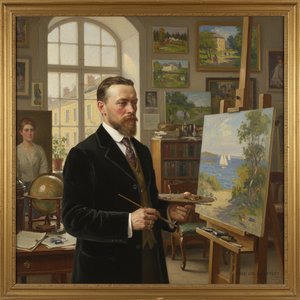
Albert Edelfelt: A Pioneer of Finnish Realism & International Impressionist Circles
Explore the life & work of Albert Edelfelt, a pioneering Finnish Realist painter who bridged Impressionism & national identity. Discover his masterpieces and lasting influence on art history.

Trwała Spuścizna Malarstwa Olejnego: Technika, Historia i Estetyczny Wpływ
Poznaj historię i technikę malarstwa olejnego! Eksperckie artykuły o konserwacji, renowacji oraz współczesnych zastosowaniach. Dowiedz się więcej o mistrzach i trwałości obrazów olejnych.
