
 Podgląd w skali 1:1
 Wyślij jako kartkę
 Udostępnij
 Szczegóły dzieła
 Przewodnik

 Pobierz obraz
 Podobne obiekty
 RTG
RTG Pokaz slajdów
 Q&A
Q&A Statystyki
Divine Service in the Uusimaa Archipelago


 Rozwiń treść
Giclée / Wydruk artystyczny
Wydruki giclée lub płótna o jakości muzealnej, szybka realizacja i szeroki wybór opcji wykończenia. ( Zamów ręcznie malowaną reprodukcję Przejdź do wersji cyfrowej)




P118B zł10

P118H zł10

P118W zł10

P438Z zł10

P508JH zł12

P508YH zł12

P805H zł10

P805Z zł10

P919BZ zł10

P919G zł10

P919XJ zł10

P959ZH zł10

P968JZ zł12

W106C zł8

W218G zł10

W218JH zł8

W218Y zł10

W307PJ zł10

W316G zł10

W316PJ zł8

W316Y zł10

W398PJ zł8

W4111J zł10

W500HY zł15

W500JH zł15

W692G zł12

W849H zł8

W940BG zł15

W953PJ zł8




Wybierz spośród naszych standardowych rozmiarów, które zachowują oryginalne proporcje dzieła sztuki.

Wpisz wymaganą szerokość i wysokość, aby dopasować grafikę do ramy lub ściany. Wydruk można jedynie przyciąć, nigdy nie powiększając go poza oryginalny obraz, dlatego format o innych proporcjach spowoduje utratę części kompozycji. Przed rozpoczęciem druku prześlemy Ci cyfrowy podgląd do zatwierdzenia. Obraz wyświetlany na tej stronie nie pokazuje rzeczywistego przycięcia — jedynie podgląd oddaje ten efekt.
Dostawa na cały świat () w ciągu 2 tygodni zamiast standardowych 4/5 tygodni. (31 Październik)

Bezpłatna ekspresowa wysyłka na cały świat

Wysokiej jakości płótno lniane

Pełne ubezpieczenie przesyłki

Gwarancja zwrotu należności celnych i podatków importowych

Gwarancja wiernego odwzorowania kolorów

100-dniowa polityka zwrotów (tylko w przypadku wad)

Gwarancja 100% zwrotu pieniędzy

Zniżka przy zakupie wielu sztuk
 Opcja ze szkłem jest dostępna wyłącznie w rozmiarach poniżej 110 cm

Divine Service in the Uusimaa Archipelago
Giclée / Wydruk artystyczny
Wymiary reprodukcji
-


Cena całkowita
zł 311
A Sacred Serenity: The Soul of the Uusimaa Archipelago
In the quiet corners of the Finnish coast, where the sea meets the sky in a seamless embrace, lies the heart of Albert Edelfelt’s Divine Service in the Uusimaa Archipelago. This masterpiece, captured around 1890, is far more than a mere depiction of a religious gathering; it is a profound meditation on faith, community, and the enduring spirit of the Finnish landscape. As the viewer gazes upon the scene, they are transported to a moment of stillness, where the rhythmic lapping of the waves seems to harmonize with the solemnity of the liturgy. Edelfelt, a titan of the Golden Age of Finnish Art, masterfully weaves together the spiritual and the terrestrial, creating an atmosphere that feels both intimately personal and cosmically vast.
The composition is anchored by a central figure—a clergyman whose presence commands a quiet reverence. Positioned at a table draped in a pristine white cloth, he holds a Bible, a symbol of divine truth that serves as the focal point for the gathered souls. Around him, a small congregation sits and stands in attentive silence, their faces reflecting a shared devotion that transcends individual identity. The inclusion of a solitary boat drifting in the background subtly whispers of the maritime life that defines the Uusimaa region, grounding this ethereal spiritual moment in the tangible reality of fishing villages and coastal traditions. It is a scene where the boundaries between the sacred ceremony and the natural world dissolve into one.
Mastery of Light and Impressionistic Grace
Technically, the painting represents a breathtaking intersection of Realism and Impressionism. Edelfelt, having refined his craft in the prestigious studios of Paris and Antwerp, brought an international sophistication to his native subject matter. While his foundation lies in the meticulous detail of academic training—evident in the delicate textures of the altar cloth and the subtle ripples of the water—his brushwork possesses a luminous, impressionistic quality. He employs a palette that captures the unique, soft light characteristic of the Nordic summer, using loose strokes to suggest movement and the shimmering atmosphere of the archipelago.
For the discerning collector or interior designer, this artwork offers an unparalleled emotional depth. The painting does not merely occupy space; it transforms it. Its ability to evoke a sense of peace and contemplative stillness makes it a magnificent centerpiece for a room designed for reflection, such as a library, a study, or a sophisticated living area. To possess a reproduction of this work is to invite the tranquil essence of the Finnish coast into one's home, providing a window into a world where nature and divinity are eternally intertwined.
Pytania i odpowiedzi
W jaki sposób "Divine Service in the Uusimaa Archipelago" balansuje światło i cień?
Zarejestrowane wartości dla „Divine Service in the Uusimaa Archipelago” – Albert Edelfelt to: jasność bright, luminancja Gentle Luminance.
Jaką kolorystykę wykorzystuje "Divine Service in the Uusimaa Archipelago"?
Paleta dzieła „Divine Service in the Uusimaa Archipelago” – Albert Edelfelt jest opisywana jako Neutrals. Stanowi ona zwięzłe zestawienie barw użytych w pracy.
Jaki jest format dzieła "Divine Service in the Uusimaa Archipelago"?
„Divine Service in the Uusimaa Archipelago” – Albert Edelfelt to kompozycja w formacie Landscape. Warto sprawdzić proporcje przed wyborem rozmiaru wydruku.
Biografia artysty
Albert Edelfelt – Pionier Realizmu Fińskiego
Albert Gustaf Aristides Edelfelt (ur. 21 lipca 1854 w Porvoo, zm. 18 sierpnia 1905 Porvoo, Grand Duchy of Finland, Russian Empire) – fiński malarz, jeden z najważniejszych twórców sztuki narodowej kraju i jeden z najbardziej rozpoznawalnych przedstawicieli realizmu XIX wieku. Jego dzieła stanowią fundament dla zrozumienia ducha epoki oraz inspiracją dla kolejnych pokoleń artystów.Edelfelt urodził się w rodzinie pochodzącej z szlachty, której korzenie sięgały głęboko w historię Finlandii. Ojciec Carl Albert Edelfelt był architektem i emigrantem szwedzkim, który zamieszkał w Finlandii jeszcze przed narodziną syna. Jego matka Alexandra Edelfeldt née Brandt była poetką amatorką i gorącym zwolennikiem sztuki – kobieta niezwykle ciepła i troskliwa o dobro dziecka.
Już jako młodych chłopiec Edelfelt wykazywał wyjątkowy talent artystyczny, który zainspirował go do rozpoczęcia studiów na Szkole Rysunkowej Fińskiego Towarzystwa Artystycznego w Helsinoksie w 1869 roku. Kontynuował naukę pod opieką Adolfa von Beckera (1871–73), zdobywając nagrodę za doskonałość za obraz Aleksandra Wielkiego na jego śmierć. Jego umiejętności doskonalił następnie w Akademii Sztuki w Antwerpii (1873–74) oraz École Nationale des Beaux-Arts w Paryżu (1874–78), gdzie pod kierownictwem Jean-Léon Gérôme kształtował swój styl historyczny.
Życiorys i Kariera Artystyczna
Przebywanie Edelfelta we Francji otworzyło mu drzwi do świata kultury i sztuki oraz zapewniło dostęp do szerokiego kręgu klientów – zarówno wśród elit społecznych, jak i intelektualnej. Jego twórczość koncentrowała się przede wszystkim na obrazach historycznych, które były wówczas dominującym kierunkiem rozwoju sztuki francuskiej. Edelfelt nawiązał przyjaźnie z innymi artystami, m.in. Julian Alden Weir oraz Jules Bastien-Lepage, którzy wspierali jego rozwój zawodowy i osobisty.
Największy sukces Edelfelta osiągnął podczas Światowej Ekspozycji Uniwersyteckiej w Paryżu w 1889 roku, gdzie otrzymał srebrny medal za obraz „Królowa Blanka”, który został uznany jednym z najważniejszych dzieł sztuki narodowej Finlandii. Jego twórczość zainspirowała wielu młodych fińskich malarzy, którzy pod jego wpływem rozpoczęli własną karierę artystyczną.
Znaczące Dzieła i Styl
Edelfelt słynie przede wszystkim z obrazów portretowych, które charakteryzują się niezwykłą dokładnością anatomiczną oraz umiejętnością oddania emocji i charakteru osoby przedstawionej. Jego twórczość wyraża głębokie zrozumienie dla ludzkiej psychiki oraz piękna natury – szczególnie krajobraz finlandzki, który stanowi istotną inspiracją dla jego dzieł.
Among Edelfelt’s most celebrated works are „Portrait of Louis Pasteur” (1886), „Young Woman in Her Boudoir” (1878) oraz „Under the Birches” (1879). The latter painting, executed outdoors near Haikko, exemplifies Edelfelt's commitment to plein air painting and is considered a masterpiece of Finnish Realism.
Dziedzictwo i Wpływ
Albert Edelfelt jest jednym z pionierów fińskiej szkoły realistycznej, która wyznaczyła nowe kierunki rozwoju sztuki narodowej kraju. Jego twórczość wpłynęła na wielu młodych artystów, którzy pod jego wpływem stworzyli własną oryginalną wizję świata i piękna. Jego dzieła znajdują się w kolekcjach muzeów na całym świecie, a jego pamięć została uczczona poprzez emisję monet okolicznych urodzin w 2004 roku.
Edelfelt pozostawił po sobie bogate dziedzictwo kulturowe i artystyczne, które nadal inspiruje twórców oraz zainteresowanych sztuką. Jego obraz „Królowa Blanka” jest jednym z najważniejszych dzieł sztuki narodowej Finlandii i stanowi doskonały przykład realizmu XIX wieku.

Albert Edelfelt
1854 - 1905 , Finland
Krótka nota
- Artistic Movement Or Style: Realism
- Artists Or Movements Influenced By This Artist: ['Akseli Gallen-Kallela']
- Artists Who Influenced This Artist: ['Jean-Léon Gérôme']
- Date Of Birth: July 21, 1854
- Date Of Death: August 18, 1905
- Full Name: Albert Gustaf Aristides Edelfelt
- Nationality: Finnish
- Notable Artworks:
- Portrait of Louis Pasteur
- Young woman in her boudoir
- Under the birches
- Place Of Birth: Porvoo, Finland
Powiązane artykuły

Akseli Gallen-Kallela: Shaping Finnish Identity Through National Romanticism & Symbolism
Explore the captivating world of Akseli Gallen-Kallela, Finland's iconic National Romantic painter. Discover his symbolic landscapes, Kalevala illustrations & lasting impact on Finnish identity. Expert analysis & high-quality reproductions at OriginalUniqueArt.
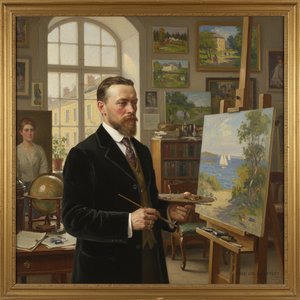
Albert Edelfelt: A Pioneer of Finnish Realism & International Impressionist Circles
Explore the life & work of Albert Edelfelt, a pioneering Finnish Realist painter who bridged Impressionism & national identity. Discover his masterpieces and lasting influence on art history.
Sacred Narratives Embodied: A Comprehensive Exploration of Religious Iconography in Art History
Explore the rich history of religious iconography in art! Discover symbolism, movements & masterpieces from Byzantine to Renaissance periods. Expert insights for collectors and enthusiasts at OriginalUniqueArt.

Święte Opowieści na Płótnie: Badanie Scen Religijnych i Ich Trwałego Wpływu
Odkryj fascynujący świat malarstwa religijnego! Poznaj historię ikon, symbolikę sakralną i techniki wykonania dzieł sztuki. Ekspercka analiza dla kolekcjonerów i miłośników historii.
Sacred Narratives on Canvas: Exploring Religious Painting Through History
Explore the rich history of religious painting with OriginalUniqueArt.com! Discover iconic artworks, symbolism & techniques from antiquity to the Renaissance. Enhance your art appreciation today.
