

 Zobacz w skali 1:1
 Wyślij
 Udostępnij
 Szczegóły
 Przewodnik

 Pobierz plik obrazu
 Podobne obiekty
 RTG
RTG Pokaz slajdów
 Statystyki
Conveying a Child
 Oil On Canvas
- WallArt
- Realism
 1879
1879- 19th Century
 204.0 x 120.0 cm
 Ateneum Art Museum
 Czytaj więcej
Ręcznie malowana reprodukcja olejowa
Ręcznie malowany obraz olejny na płótnie, wykonany na zamówienie przez naszych artystów w wybranym przez Ciebie wymiarze i oprawie. ( Przełącz na wersję drukowaną Przełącz na wersję cyfrową)




P118B zł10

P118H zł10

P118W zł10

P438Z zł10

P508JH zł12

P508YH zł12

P805H zł10

P805Z zł10

P919BZ zł10

P919G zł10

P919XJ zł10

P959ZH zł10

P968JZ zł12

W106C zł8

W218G zł10

W218JH zł8

W218Y zł10

W307PJ zł10

W316G zł10

W316PJ zł8

W316Y zł10

W398PJ zł8

W4111J zł10

W500HY zł15

W500JH zł15

W692G zł12

W849H zł8

W940BG zł15

W953PJ zł8




Wybierz spośród naszych standardowych rozmiarów, które zachowują oryginalne proporcje dzieła sztuki.

Wpisz wymaganą szerokość i wysokość, aby obraz pasował do Twojej ramy lub ściany. Ponieważ jest to dzieło malowane ręcznie, w przypadku rozmiaru o innym proporcji artysta może domalować nieco więcej wokół obrazu lub przyciąć fragmenty — wybór należy do Ciebie. Przed rozpoczęciem pracy prześlemy Ci cyfrową wizualizację do zatwierdzenia. Obraz widoczny na tej stronie nie przedstawia rzeczywistego efektu — jedynie wizualizacja oddaje realny rezultat.
Po złożeniu zamówienia zespół OriginalUniqueArt.com skontaktuje się z klientem drogą mailową w celu uzyskania instrukcji i prześle wizualizację projektu
Dostawa na całym świecie () w ciągu 3–4 tygodni zamiast standardowych 5 tygodni. (22 Październik). Bez kompromisów w kwestii jakości.

Bezpłatna ekspresowa wysyłka na cały świat

Wysokiej jakości płótno lniane

Pełne ubezpieczenie transportowe

Gwarancja zwrotu należności celnych i podatków importowych

Gwarancja idealnego odwzorowania barw

100-dniowy okres na zwrot dzieła w przypadku wykrycia wad produkcyjnych

Gwarancja 100% zwrotu pieniędzy

Oferta przy zakupie wielu sztuk
 Opcja ze szkłem jest dostępna wyłącznie w rozmiarach poniżej 110 cm

Conveying a Child
Technika wykonania
Rozmiar reprodukcji
-


Suma do zapłaty
zł 1151
Albert Edelfelt’s ‘Conveying a Child’: A Window into Finnish Life and Sorrow
Albert Edelfelt's “Conveying a Child” (1879) is more than just a depiction of a boat journey; it’s a poignant meditation on mortality, family, and the quiet dignity found in accepting life’s inevitable sorrows. Painted during a pivotal moment in Edelfelt’s artistic development – his fervent embrace of plein-air realism – this large oil on canvas transports us to Haikko near Porvoo, Finland, a place steeped in both beauty and profound melancholy.
The scene unfolds with remarkable clarity. A group of individuals, rendered with meticulous detail, are gathered within a sturdy rowing boat navigating the waters of the Gulf of Finland. Men and women, dressed in the attire of the late 19th century, engage in conversation or simply bask in the tranquility of the moment. Two boats – a larger vessel dominating the foreground and a smaller one positioned to the right – add depth and visual interest to the composition. Edelfelt’s skill lies not just in his technical proficiency but in capturing the genuine warmth and connection between these figures, suggesting a shared experience of comfort and companionship.
Plein-Air Realism and the Rise of Finnish Art
“Conveying a Child” represents a significant shift in Edelfelt’s artistic approach. Following his time studying in Antwerp and Paris, he became increasingly committed to painting directly from nature – a revolutionary concept at the time. This dedication to *plein-air* realism was driven by a desire to capture the authentic essence of Finnish life, moving away from the idealized historical subjects favored by many of his contemporaries. Edelfelt’s decision to paint entirely outdoors, as evidenced by this work, aligns with the broader movement towards naturalism gaining traction within the European art world.
This commitment to realism was particularly important for Edelfelt, who sought to elevate Finnish culture on the international stage. His work served as a powerful visual record of rural life in Finland, showcasing its beauty and resilience – a crucial step toward establishing a distinct national identity amidst growing political pressures.
A Symbol of Loss and Remembrance
The inclusion of a coffin within the scene is undeniably the painting’s most arresting element. It immediately introduces an undercurrent of sadness and mortality, transforming what might otherwise be a simple depiction of leisure into a profound meditation on death and remembrance. The young girl in the boat, holding the coffin, adds to the emotional weight of the image – she represents innocence lost, a poignant reminder of life’s fragility.
Edelfelt's use of light and shadow further enhances this sense of solemnity. The soft, diffused sunlight creates an atmosphere of quiet contemplation, while the dark tones of the coffin contrast sharply with the brighter hues of the surrounding landscape. This juxtaposition amplifies the painting’s emotional impact, inviting viewers to reflect on themes of grief, loss, and the cyclical nature of life.
Technical Mastery and a Lasting Legacy
"Conveying a Child" is a testament to Edelfelt's mastery of oil paint. His brushwork is both precise and expressive, capturing the textures of the boat’s wood, the ripples on the water, and the subtle nuances of human expression. The painting’s scale – 204 x 120 cm – allows for a deeply immersive experience, drawing the viewer into the scene and fostering a powerful connection with the subjects.
Today, this remarkable artwork continues to resonate with audiences worldwide. Its timeless themes, combined with Edelfelt's exceptional artistic skill, ensure its place as a cornerstone of Finnish art history – a poignant reminder of life’s beauty and the inevitability of loss. OriginalUniqueArt offers a meticulously hand-painted reproduction that faithfully captures the essence of this iconic masterpiece, allowing you to bring its profound emotion into your own space.
Pytania i odpowiedzi
Jaki nastrój ma "Conveying a Child"?
Nastrój dzieła „Conveying a Child” autorstwa Albert Edelfelt opisuje się jako Calm. Klasyfikacja ta może pomóc w dopasowaniu pracy do konkretnego wnętrza.
Jaki nastrój i emocje łączą się w "Conveying a Child"?
W "Conveying a Child" nastrojowi Calm towarzyszy emocja Reflective.
Jakie są wymiary oryginalnego dzieła „Conveying a Child” autorstwa Albert Edelfelt?
Oryginalny utwór „Conveying a Child” autorstwa Albert Edelfelt ma wymiary 204 x 120 cm.
Biografia artysty
Albert Edelfelt – Pionier Realizmu Fińskiego
Albert Gustaf Aristides Edelfelt (ur. 21 lipca 1854 w Porvoo, zm. 18 sierpnia 1905 Porvoo, Grand Duchy of Finland, Russian Empire) – fiński malarz, jeden z najważniejszych twórców sztuki narodowej kraju i jeden z najbardziej rozpoznawalnych przedstawicieli realizmu XIX wieku. Jego dzieła stanowią fundament dla zrozumienia ducha epoki oraz inspiracją dla kolejnych pokoleń artystów.Edelfelt urodził się w rodzinie pochodzącej z szlachty, której korzenie sięgały głęboko w historię Finlandii. Ojciec Carl Albert Edelfelt był architektem i emigrantem szwedzkim, który zamieszkał w Finlandii jeszcze przed narodziną syna. Jego matka Alexandra Edelfeldt née Brandt była poetką amatorką i gorącym zwolennikiem sztuki – kobieta niezwykle ciepła i troskliwa o dobro dziecka.
Już jako młodych chłopiec Edelfelt wykazywał wyjątkowy talent artystyczny, który zainspirował go do rozpoczęcia studiów na Szkole Rysunkowej Fińskiego Towarzystwa Artystycznego w Helsinoksie w 1869 roku. Kontynuował naukę pod opieką Adolfa von Beckera (1871–73), zdobywając nagrodę za doskonałość za obraz Aleksandra Wielkiego na jego śmierć. Jego umiejętności doskonalił następnie w Akademii Sztuki w Antwerpii (1873–74) oraz École Nationale des Beaux-Arts w Paryżu (1874–78), gdzie pod kierownictwem Jean-Léon Gérôme kształtował swój styl historyczny.
Życiorys i Kariera Artystyczna
Przebywanie Edelfelta we Francji otworzyło mu drzwi do świata kultury i sztuki oraz zapewniło dostęp do szerokiego kręgu klientów – zarówno wśród elit społecznych, jak i intelektualnej. Jego twórczość koncentrowała się przede wszystkim na obrazach historycznych, które były wówczas dominującym kierunkiem rozwoju sztuki francuskiej. Edelfelt nawiązał przyjaźnie z innymi artystami, m.in. Julian Alden Weir oraz Jules Bastien-Lepage, którzy wspierali jego rozwój zawodowy i osobisty.
Największy sukces Edelfelta osiągnął podczas Światowej Ekspozycji Uniwersyteckiej w Paryżu w 1889 roku, gdzie otrzymał srebrny medal za obraz „Królowa Blanka”, który został uznany jednym z najważniejszych dzieł sztuki narodowej Finlandii. Jego twórczość zainspirowała wielu młodych fińskich malarzy, którzy pod jego wpływem rozpoczęli własną karierę artystyczną.
Znaczące Dzieła i Styl
Edelfelt słynie przede wszystkim z obrazów portretowych, które charakteryzują się niezwykłą dokładnością anatomiczną oraz umiejętnością oddania emocji i charakteru osoby przedstawionej. Jego twórczość wyraża głębokie zrozumienie dla ludzkiej psychiki oraz piękna natury – szczególnie krajobraz finlandzki, który stanowi istotną inspiracją dla jego dzieł.
Among Edelfelt’s most celebrated works are „Portrait of Louis Pasteur” (1886), „Young Woman in Her Boudoir” (1878) oraz „Under the Birches” (1879). The latter painting, executed outdoors near Haikko, exemplifies Edelfelt's commitment to plein air painting and is considered a masterpiece of Finnish Realism.
Dziedzictwo i Wpływ
Albert Edelfelt jest jednym z pionierów fińskiej szkoły realistycznej, która wyznaczyła nowe kierunki rozwoju sztuki narodowej kraju. Jego twórczość wpłynęła na wielu młodych artystów, którzy pod jego wpływem stworzyli własną oryginalną wizję świata i piękna. Jego dzieła znajdują się w kolekcjach muzeów na całym świecie, a jego pamięć została uczczona poprzez emisję monet okolicznych urodzin w 2004 roku.
Edelfelt pozostawił po sobie bogate dziedzictwo kulturowe i artystyczne, które nadal inspiruje twórców oraz zainteresowanych sztuką. Jego obraz „Królowa Blanka” jest jednym z najważniejszych dzieł sztuki narodowej Finlandii i stanowi doskonały przykład realizmu XIX wieku.

Albert Edelfelt
1854 - 1905 , Finland
Najważniejsze informacje
- Artistic Movement Or Style: Realism
- Artists Or Movements Influenced By This Artist: ['Akseli Gallen-Kallela']
- Artists Who Influenced This Artist: ['Jean-Léon Gérôme']
- Date Of Birth: July 21, 1854
- Date Of Death: August 18, 1905
- Full Name: Albert Gustaf Aristides Edelfelt
- Nationality: Finnish
- Notable Artworks:
- Portrait of Louis Pasteur
- Young woman in her boudoir
- Under the birches
- Place Of Birth: Porvoo, Finland
Zobacz także powiązane artykuły
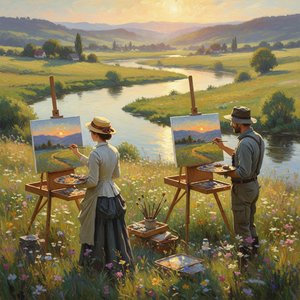
Uchwycenie ulotnego światła: Malarstwo plenerowe od impresjonizmu do współczesności
Odkryj fascynującą historię malarstwa plenerowego – od impresjonizmu po współczesność! Poznaj techniki Moneta i van Gogha, inspiracje oraz kolekcje arcydzieł dostępne w OriginalUniqueArt.com.
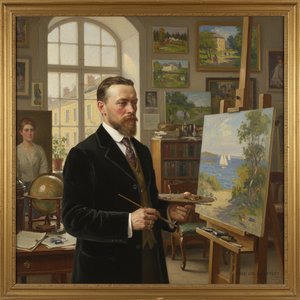
Albert Edelfelt: A Pioneer of Finnish Realism & International Impressionist Circles
Explore the life & work of Albert Edelfelt, a pioneering Finnish Realist painter who bridged Impressionism & national identity. Discover his masterpieces and lasting influence on art history.

Capturing Ephemeral Light: A Comprehensive Exploration of Plein Air Painting's History & Enduring Legacy
Explore the rich history of plein air painting, from its origins to Impressionism & beyond. Discover key artists, techniques, and the enduring legacy of capturing light in landscape art. Find museum-quality reproductions at OriginalUniqueArt.
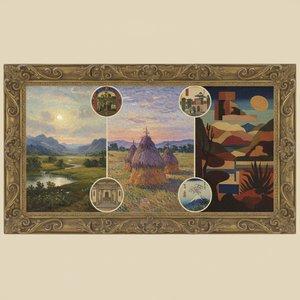
Urok Otwartej Przestrzeni: Studium Reprezentacji Natury w Historii Sztuki
Odkryj fascynującą historię malarstwa plenerowego! Studium ewolucji technik i inspiracji artystów XVIII i XIX wieku, od szkiców z Kampanii po wpływ na impresjonizm. Ekskluzywne spojrzenie dla miłośników sztuki.
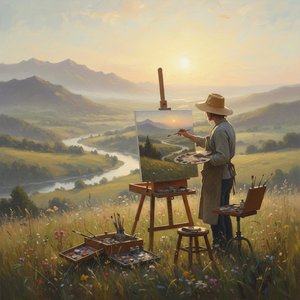
Capturing Ephemeral Light: A Comprehensive Exploration of Plein Air Painting's History & Enduring Legacy
Explore the rich history of plein air painting, from its origins with Constable & Corot to Impressionism's revolution. Discover techniques, key artists, and the enduring legacy of capturing light outdoors. Learn more at OriginalUniqueArt.
