Podgląd w skali
 Wyślij jako kartkę
 Udostępnij
 Szczegóły dzieła

 Pobierz
 Podobne obiekty
 RTG
RTG Pokaz slajdów
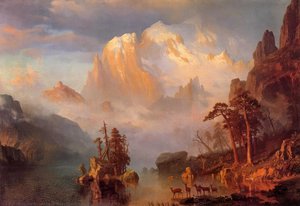
The Wolf River, Kansas
 Oil On Canvas
- WallArt
- Hudson River School
 1859
1859- 19th Century
 122.0 x 97.0 cm
 Detroit Institute of Arts
 Rozwiń treść
Ręcznie malowana reprodukcja olejowa
Ręcznie malowany obraz olejny na płótnie, wykonany na zamówienie przez naszych artystów w wybranym przez Ciebie wymiarze i oprawie. ( Zamów wydruk Kup obraz wysokiej rozdzielczości)




P118B $10

P118H $10

P118W $10

P438Z $10

P508JH $12

P508YH $12

P805H $10

P805Z $10

P919BZ $10

P919G $10

P919XJ $10

P959ZH $10

P968JZ $12

W106C $8

W218G $10

W218JH $8

W218Y $10

W307PJ $10

W316G $10

W316PJ $8

W316Y $10

W398PJ $8

W4111J $10

W500HY $15

W500JH $15

W692G $12

W849H $8

W940BG $15

W953PJ $8




Wybierz spośród naszych standardowych rozmiarów, które zachowują oryginalne proporcje dzieła sztuki.

Możesz wprowadzić własne wymiary, aby dopasować obraz do konkretnej ramy lub przestrzeni. Jeśli wybrany rozmiar nie będzie odpowiadał proporcjom oryginału, przytniecie dzieło sztuki lub rozszerzymy je o dodatkowe elementy, ręcznie domalowane przez artystę. Przed rozpoczęciem produkcji wyślemy projekt cyfrowy do Twojej akceptacji.
Należy pamiętać, że podgląd na ekranie nie odzwierciedla rzeczywistego przycinania ani rozszerzania obrazu. Tylko projekt dokładnie pokaże ostateczną kompozycję.
Choć oferujemy możliwość zamówienia niestandardowych rozmiarów, zalecamy wybór wymiaru z gotowej listy, aby zachować oryginalne proporcje dzieła.
Po złożeniu zamówienia zespół OriginalUniqueArt.com skontaktuje się z klientem drogą mailową w celu uzyskania instrukcji i prześle wizualizację projektu
Dostawa na całym świecie () w ciągu 3–4 tygodni zamiast standardowych 5 tygodni. (18 Sierpień). Bez kompromisów w kwestii jakości.

Bezpłatna ekspresowa wysyłka na cały świat

Wysokiej jakości płótno lniane

Pełne ubezpieczenie przesyłki

Gwarancja zwrotu należności celnych i podatków importowych

Gwarancja wiernego odwzorowania kolorów

Polityka 60-dniowego zwrotu (tylko w przypadku wad)

Gwarancja 100% zwrotu kosztów

Zniżka przy zamówieniu wielu produktów
 Opcja ze szkłem jest dostępna wyłącznie w rozmiarach poniżej 110 cm

The Wolf River, Kansas
Technika reprodukcji
Wymiary reprodukcji
-


Cena całkowita
$ 300
Opis dzieła
A Pioneer's Vision of the American Sublime
Albert Bierstadt’s *The Wolf River, Kansas*, completed in 1859, stands as a cornerstone of the Hudson River School movement and embodies its core aesthetic principles. More than just a depiction of a landscape—a meticulously rendered panorama of Missouri’s Wolf River Valley—it's an ambitious attempt to capture the overwhelming grandeur and spiritual significance of the American wilderness.
Technical Mastery: Luminism at Its Finest
Bierstadt, deeply influenced by European Romantic painters like Caspar David Friedrich, approached his subject with a profound understanding of light and atmosphere. Employing luminist techniques—characterized by soft, diffused illumination—he skillfully blended layers of oil paint to create an illusionistic depth that surpasses mere representation. The artist’s meticulous attention to detail is evident in every brushstroke, capturing the textures of bark, foliage, and water with remarkable accuracy.
Historical Context: Expansion and Romantic Idealism
Painted during a period of intense westward expansion fueled by Manifest Destiny, *The Wolf River* reflects the prevailing optimism about America’s destiny as a nation. However, Bierstadt wasn't merely celebrating progress; he wrestled with the moral implications of colonization. The scene portrays a group of fur traders engaging in peaceful commerce alongside Kaw Native Americans—a deliberate juxtaposition intended to convey both beauty and unease regarding the encroaching influence of European settlers on Indigenous lands.
Symbolism: Majesty and Spiritual Resonance
The towering pines dominating the composition symbolize resilience and permanence, mirroring the enduring spirit of the American frontier. The expansive sky—painted with breathtaking luminosity—represents divine majesty and evokes a sense of awe in the viewer. Bierstadt’s masterful use of color contributes to this emotional impact, conveying not just visual splendor but also an underlying spiritual yearning for connection with nature.
Emotional Impact: Capturing the Sublime
*The Wolf River,* like many Hudson River School paintings, aims to elicit a feeling known as “the sublime”—a paradoxical blend of terror and delight—produced by confronting overwhelming natural forces. Bierstadt’s depiction inspires contemplation on humanity's place within the vastness of creation, prompting viewers to consider the profound beauty and humbling power of the wilderness.
O artyście
A Pioneer of the American West: The Life and Art of Albert Bierstadt
Albert Bierstadt’s story is deeply intertwined with the very formation of America's identity – a journey from Prussian roots to becoming one of the most celebrated painters of the American West. Born in Solingen, Germany, in 1830, his early life was marked by an emigration to New Bedford, Massachusetts, when he was just a toddler, setting the stage for a lifelong fascination with the landscapes that would ultimately define his artistic legacy. Initially self-taught, sketching with crayons as a youth, Bierstadt quickly recognized the need for formal training and embarked on studies in Düsseldorf, Germany, in 1853 – an experience that profoundly shaped his technical skills and understanding of light and atmosphere. It wasn’t merely replication he sought; it was to capture the *feeling* of these vast landscapes, a way to convey their sublime power and beauty.Capturing the Majesty: The Hudson River School and Beyond
Upon returning to the United States in 1857, Bierstadt swiftly became associated with the Hudson River School – a group of artists dedicated to portraying the American landscape with both accuracy and romantic idealism. While sharing this reverence for nature, Bierstadt distinguished himself through his ambitious scale and dramatic compositions. He wasn’t content with simply painting pretty pictures; he aimed to create immersive experiences that transported viewers directly into the heart of the wilderness. His breakthrough came in 1858 with a Swiss landscape exhibited at the National Academy of Design in New York City, earning him immediate acclaim and honorary membership. However, it was his subsequent expeditions westward – beginning with land surveyor Frederick W. Lander in 1859, and later with author Fitz Hugh Ludlow in 1863 to Yosemite Valley – that truly ignited his artistic vision. These journeys weren’t merely observational; they were deeply immersive experiences, allowing Bierstadt to absorb the grandeur of the Rocky Mountains, the vastness of the plains, and the awe-inspiring scale of canyons and waterfalls. He meticulously documented these scenes, translating them onto canvas with a remarkable ability to evoke emotion and wonder.The Painter of Empires: Shaping Perceptions of the West
Bierstadt’s paintings weren't simply landscapes; they were statements about national identity and Manifest Destiny. His canvases – often enormous in size – depicted the American West not as a harsh, untamed frontier, but as a land of promise, abundance, and divine beauty. The Rocky Mountains, Lander’s Peak, completed in 1863 and purchased for an astonishing $25,000 (equivalent to nearly $400,000 today), exemplifies this approach. The painting isn't a precise topographical rendering; it’s a carefully constructed vision of idealized grandeur, bathed in golden light and imbued with a sense of spiritual significance. This ability to evoke emotion, to inspire awe, made Bierstadt immensely popular during his lifetime. He wasn’t just an artist; he was a cultural ambassador, shaping how Americans – and the world – perceived the West. His work fueled westward expansion by presenting it as a noble and divinely ordained undertaking. The dramatic lighting, often referred to as *luminism*, played a crucial role in creating this effect, emphasizing the majesty of nature and suggesting a connection to the divine.Technique and Style: A Master of Light and Detail
Bierstadt’s artistic style was characterized by meticulous detail, a masterful understanding of light and shadow, and an ambitious scale that rivaled classical history paintings. He employed a technique known as *atmospheric perspective*, creating a sense of depth and distance through subtle variations in color and tone. His brushwork was often loose and expressive, yet always controlled and deliberate. Bierstadt’s use of color was particularly noteworthy – he favored warm, saturated hues to evoke the golden light of the setting sun or the vibrant colors of wildflowers. He also paid close attention to detail, meticulously rendering every tree, rock, and stream in his paintings. This combination of technical skill and artistic vision allowed him to create landscapes that were both visually stunning and emotionally resonant. His work was heavily influenced by the Düsseldorf School of painting, which emphasized realism and a deep understanding of light and color.Legacy and Influence: A Lasting Impression
While Bierstadt’s popularity waned somewhat in the late 19th century as artistic tastes shifted towards Impressionism and photography gained prominence, his influence on American landscape painting remains undeniable. He demonstrated the power of large-scale canvases to create immersive experiences – a technique later adopted by many artists. His meticulous attention to detail and masterful use of light continue to inspire painters today. Beyond his technical achievements, Bierstadt’s work serves as a valuable historical document, offering insights into the evolving perceptions of the American West during a period of rapid change and expansion. He captured a moment in time – a vision of pristine wilderness before it was irrevocably altered by human intervention. His paintings are not just beautiful images; they are windows into a pivotal era in American history, reminding us of both the promise and the cost of westward expansion. His legacy endures, ensuring that his breathtaking landscapes will continue to captivate and inspire generations to come.
Albert Bierstadt
1830 - 1902 , Niemcy
Krótka nota
- Artistic Movement Or Style: Szkoła Hudsona
- Artists Or Movements Influenced By This Artist: ['Renesans']
- Artists Who Influenced This Artist: ['Düsseldorf']
- Date Of Birth: 7 stycznia 1830
- Date Of Death: 18 lutego 1902
- Full Name: Albert Bierstadt
- Nationality: Niemiecko-amerykański
- Notable Artworks:
- Krajobraz zachodni
- Scena wybrzeża
- Place Of Birth: Solingen, Niemcy
Powiązane artykuły
Szkoła Rzeki Hudson: 10 arcydzieł, które ukształtowały pejzaż amerykańskiej sztuki | OriginalUniqueArt
Odkryj 10 arcydzieł Szkoły Rzeki Hudson – malarstwo krajobrazowe Cole'a, Churcha i Bierstadta. Poznaj historię artystów i inspiracje romantyzmu amerykańskiego. Reprodukcje obrazów najwyższej jakości na OriginalUniqueArt.com! Eksploruj kolekcję online.

Sublime Krajobrazy: Narodziny Amerykańskiej Tożsamości Artystycznej i Rola Szkoły Hudson River
Odkryj fascynującą historię Szkoły Hudson River i narodziny amerykańskiej tożsamości artystycznej. Poznaj kluczowych artystów, techniki malarskie i inspiracje. Reprodukcje najwyższej jakości na OriginalUniqueArt.com!
Capturing the American Spirit: A Journey Through Iconic Landscapes and the Legacy of the Hudson River School
Explore the profound beauty of American art history. From the Hudson River School to iconic landscapes, discover a curated journey through the masterpieces that defined a nation's spirit and the enduring legacy of American Romanticism.
Wild & Untamed: The High-Impact Energy of American Romanticism and the Hudson River School
Experience the raw power of American Romanticism. Explore the high-impact energy of the Hudson River School through premium, hand-painted oil reproductions that capture the sublime beauty and untamed spirit of the American wilderness for discerning collectors.
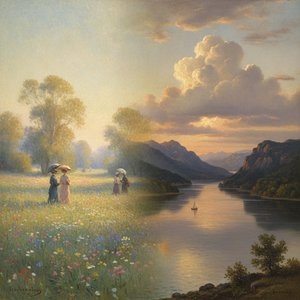
Capturing the Light: A Journey Through the Soul of American Impressionism and the Hudson River School
Explore the luminous beauty of American Impressionism and the Hudson River School. Discover a curated journey through light, landscape, and history, celebrating the enduring legacy of masters through exquisite, hand-painted oil reproductions for the discerning art lover.