
 Podgląd w skali
 Wyślij jako kartkę
 Udostępnij
 Szczegóły dzieła

 Pobierz
 Podobne obiekty
 RTG
RTG Pokaz slajdów
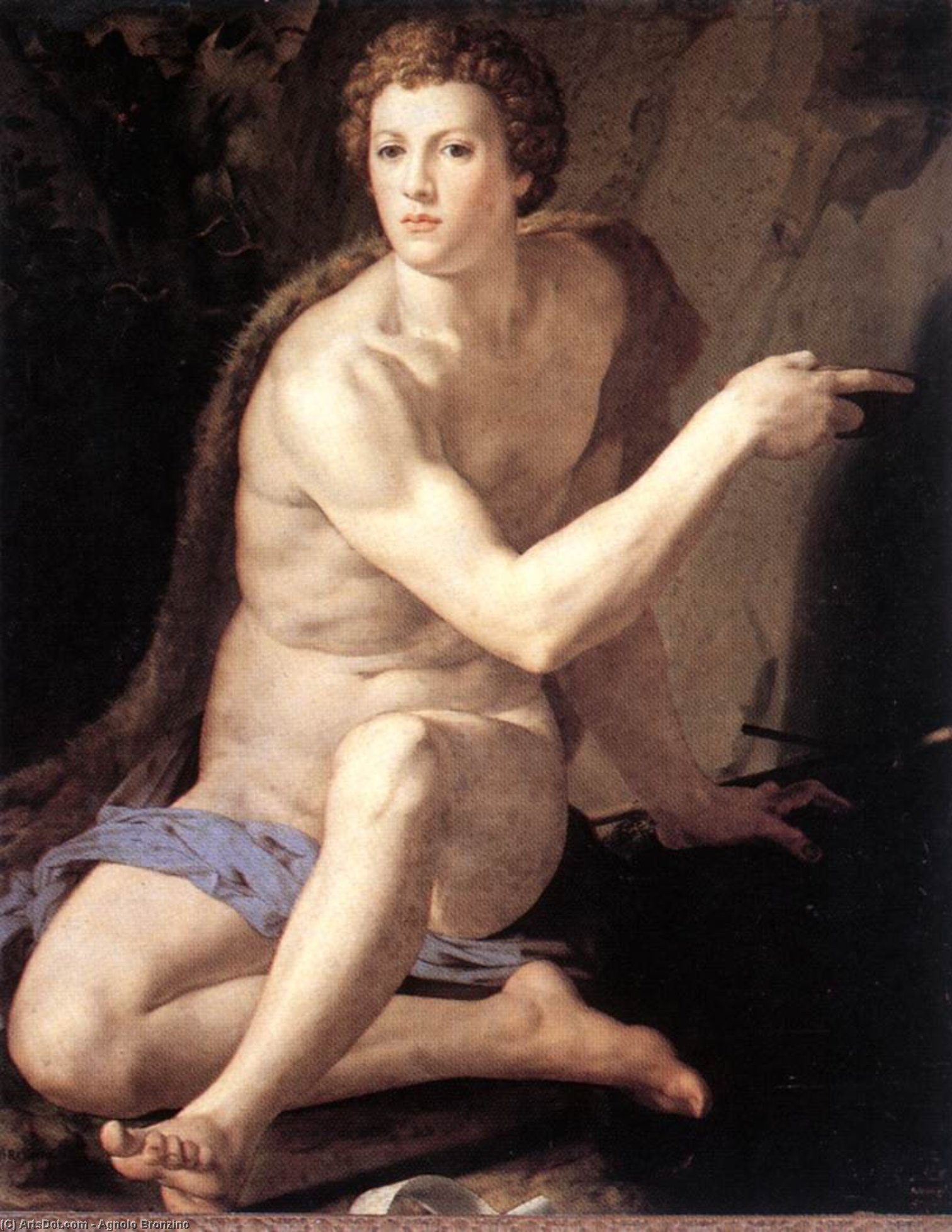
St John the Baptist
 Oil
Oil- WallArt
- Mannerist Style
 1550
1550 120.0 x 92.0 cm
 Galeria Borghese
 Rozwiń treść
Giclée / Wydruk artystyczny
Druk giclée lub płótno o jakości muzealnej, szybka realizacja i szeroki wybór opcji wykończenia. ( Zamów ręcznie malowaną reprodukcję Kup obraz wysokiej rozdzielczości)




P118B $10

P118H $10

P118W $10

P438Z $10

P508JH $12

P508YH $12

P805H $10

P805Z $10

P919BZ $10

P919G $10

P919XJ $10

P959ZH $10

P968JZ $12

W106C $8

W218G $10

W218JH $8

W218Y $10

W307PJ $10

W316G $10

W316PJ $8

W316Y $10

W398PJ $8

W4111J $10

W500HY $15

W500JH $15

W692G $12

W849H $8

W940BG $15

W953PJ $8




Wybierz spośród naszych standardowych rozmiarów, które zachowują oryginalne proporcje dzieła sztuki.

Możesz wprowadzić własne wymiary, aby dopasować dzieło do konkretnej ramy lub przestrzeni. Jeśli wybrany rozmiar nie będzie odpowiadał proporcjom oryginalnego obrazu, przytniecie dzieło lub rozszerzymy obraz za pomocą odbicia lustrzanego lub jednolitego wypełnienia krawędzi. Przed rozpoczęciem produkcji prześlemy cyfrową wizualizację do Twojej akceptacji.
Prosimy pamiętać, że podgląd na ekranie nie odzwierciedla faktycznego przycinania ani rozszerzania. Tylko wizualizacja dokładnie pokaże końcową kompozycję.
Mimo dostępności niestandardowych rozmiarów, zalecamy wybór wymiaru z listy zdefiniowanej, aby zachować oryginalne proporcje.
Dostawa na cały świat () w ciągu 2 tygodni zamiast standardowych 4/5 tygodni. (18 Sierpień)

Bezpłatna ekspresowa wysyłka na cały świat

Wysokiej jakości płótno lniane

Pełne ubezpieczenie przesyłki

Gwarancja zwrotu należności celnych i podatków importowych

Gwarancja wiernego odwzorowania kolorów

Polityka 60-dniowego zwrotu (tylko w przypadku wad)

Gwarancja 100% zwrotu kosztów

Zniżka przy zamówieniu wielu produktów
 Opcja ze szkłem jest dostępna wyłącznie w rozmiarach poniżej 110 cm

St John the Baptist
Giclée / Wydruk artystyczny
Wymiary reprodukcji
-


Cena całkowita
$ 80
Opis kolekcjonerski
Agnolo Bronzino’s Enigmatic St. John the Baptist
Agnolo Bronzino's "St. John the Baptist," painted in 1550 and currently residing within the Galleria Borghese in Rome, is a masterful embodiment of Mannerist artistry—a period characterized by its deliberate elegance, stylized forms, and subtle psychological depth. This arresting image transcends mere portraiture; it’s an exploration of religious iconography interwoven with a profound sense of introspection and restrained emotion. The painting immediately draws the eye to the figure of St. John himself, seated on the ground in a pose that is both dynamic and subtly unsettling. His muscular physique, rendered with Bronzino's signature cool precision, contrasts sharply with the vulnerability suggested by his exposed nudity and downward-pointing hand – a gesture simultaneously inviting and enigmatic.
Bronzino’s technique is immediately recognizable: a meticulous layering of glazes that create an almost luminous surface. The colors are muted yet rich, dominated by deep blues, browns, and ochres, contributing to the painting's overall sense of stillness and formality. Notice how the folds of his garment are not simply painted but built up through countless thin layers, creating a tactile quality that invites close examination. This painstaking attention to detail is characteristic of Bronzino’s work, reflecting his position as one of Florence’s most sought-after court painters – a role demanding both technical mastery and an ability to capture the refined sensibilities of his aristocratic patrons.
The Symbolism of Restraint
Beyond its formal beauty, “St. John the Baptist” is laden with symbolic meaning. The figure's nudity, while reflecting his baptismal origins, also speaks to a deeper sense of vulnerability and exposure. He’s not depicted as a heroic warrior or triumphant prophet; instead, he embodies a quiet contemplation, a man wrestling with his role as herald of Christ. The blue cloth draped around him is particularly significant – often interpreted as representing the heavens, suggesting John's connection to divine revelation. The upward pointing hand, a gesture frequently associated with prophecy and judgment, adds another layer of complexity, hinting at the weighty responsibility he carries.
Furthermore, Bronzino’s choice of pose—the twisting torso, the slightly angled head—is deliberately unnaturalistic, a hallmark of Mannerism. This departure from classical ideals wasn't simply an aesthetic preference; it served to heighten the emotional intensity and psychological complexity of the subject. Bronzino was less interested in capturing a realistic likeness than in conveying a particular mood or state of mind – a quality that distinguishes his work from the more naturalistic styles prevalent during the High Renaissance.
Context within Florentine Art
To understand Bronzino’s “St. John the Baptist,” it's crucial to consider its place within the broader artistic landscape of Florence in the mid-16th century. Following the innovations of Leonardo da Vinci and Michelangelo, artists like Bronzino were pushing the boundaries of representation, exploring new ways to express emotion and create visual drama. He was influenced by Jacopo Pontormo’s innovative style but ultimately forged his own distinct voice—one characterized by a cool composure and refined detail markedly different from Pontormo’s often emotionally charged works. Bronzino's work reflects the patronage of Cosimo I de' Medici, Grand Duke of Tuscany, who commissioned numerous portraits and allegorical paintings to decorate the lavish palaces and chapels of Florence.
A Reproduction for Your Space
OriginalUniqueArt offers meticulously crafted hand-painted reproductions of Agnolo Bronzino’s “St. John the Baptist,” capturing the artist's exquisite detail and evocative atmosphere with unparalleled fidelity. Whether you are a seasoned art collector, an interior designer seeking to elevate your space, or simply an admirer of Renaissance beauty, our reproduction provides a stunning way to experience this iconic masterpiece. Each reproduction is created using traditional techniques and archival-quality materials, ensuring its longevity and preserving the rich colors and textures of Bronzino’s original work. Bring the enigmatic gaze of St. John into your home and immerse yourself in the timeless elegance of Mannerist art.
O artyście
Agnolo Bronzino – Florentine Mannerist Master & Court Painter to the Medici
Agnolo di Cosimo, known to history as Bronzino, emerged from the vibrant artistic landscape of Renaissance Florence in 1503, a period already brimming with genius. Born the son of a butcher, his path diverged sharply from familial trade, guided instead by an innate talent that would see him become one of the most sought-after portraitists of his era and a defining figure of Mannerism. His early training began with Raffaellino del Garbo, but it was under the tutelage of Jacopo da Pontormo that Bronzino’s artistic sensibilities truly took shape. While absorbing Pontormo's innovative style—characterized by expressive emotion and dynamic composition—he ultimately forged his own distinct voice—one characterized by a cool composure and refined detail markedly different from his teacher’s often emotionally charged works. This early period was also influenced by studies with Andrea del Sarto, exposing him to the legacies of Michelangelo and Leonardo da Vinci, foundational influences that would subtly permeate his mature style. The young Bronzino quickly demonstrated an aptitude for capturing not just physical likeness but a certain psychological depth, even in his earliest commissions.Early Influences & Artistic Formation
Bronzino’s formative years were marked by exposure to the artistic currents of Florence under Pontormo and Sarto. Pontormo's dramatic use of color and distorted perspective—particularly evident in *Joseph with Jacob in Egypt*—challenged conventional aesthetic norms, pushing boundaries of representation and fostering a spirit of experimentation. Bronzino absorbed these lessons diligently, adapting Pontormo’s expressive style to create his own brilliant, precisely linear style—a stylistic hallmark that would distinguish him from his teacher's emotionally turbulent canvases. Simultaneously, Sarto instilled in him an understanding of classical ideals and anatomical accuracy, grounding his artistic vision in the humanist tradition. These influences combined to shape Bronzino’s aesthetic sensibilities, preparing him for a career dedicated to mastering both technique and psychological insight. His early portraits already hinted at the refined elegance that would become synonymous with his name—a deliberate restraint that served as counterpoint to the fervor of other Florentine artists of the time.Ascension at the Medici Court
Bronzino’s fortunes dramatically shifted when he secured patronage from Cosimo I de’ Medici, Duke of Tuscany. This relationship solidified after Bronzino contributed to the lavish decorations celebrating Cosimo’s wedding to Eleonora di Toledo in 1539—a project that showcased his artistic prowess and cemented his position as the official court painter for much of his life. It was a role he fulfilled with unwavering dedication and remarkable skill, crafting images of royalty that projected power, prestige, and dynastic ambition. Cosimo and Eleonora themselves became frequent subjects, immortalized in paintings that exude an aristocratic aloofness and polished elegance—works designed not merely to depict physical resemblance but to embody enduring symbols of Medici authority. The meticulous detail and refined technique evident in these portraits established Bronzino as the preeminent artist of Florence’s court, shaping the visual language of power for generations to come. He skillfully navigated the complexities of royal commissions, producing masterpieces that reflected both artistic innovation and political considerations.The Mannerist Style & Artistic Innovation
Bronzino's distinctive style—characterized by elongated figures, stylized poses, and a cool detachment—represented a decisive break from the High Renaissance’s emphasis on naturalism and harmonious balance. He embraced Mannerism as a deliberate aesthetic choice, rejecting the conventions of his predecessors in favor of a more cerebral and intellectually stimulating approach. His figures are rarely caught in moments of spontaneous action; instead, they appear carefully posed, almost sculptural in their stillness—a stylistic hallmark that distinguishes him from artists like Pontormo who prioritized emotional expression. This meticulous attention to detail—the textures of fabrics, the gleam of jewels, the subtle nuances of emotion—was rendered with an almost enamel-like precision—a technique perfected by Bronzino and admired throughout Europe. His masterful use of color—often muted and subtly blended—further enhanced his artistic vision, creating images that conveyed a sense of serene contemplation rather than turbulent passion.- Notable Works: *Venus, Cupid, Folly & Time*, Portraits of Cosimo I de’ Medici and Eleonora di Toledo
Legacy & Enduring Influence
Bronzino's legacy extends far beyond his prolific output as a painter—he was a pivotal figure in the Florentine artistic community. He served as a founding member of the Accademia delle Arti del Disegno in 1563, an institution dedicated to promoting the study of art and fostering artistic excellence—a testament to his commitment to intellectual inquiry and artistic innovation. His influence permeated European court portraiture for decades after his death in 1572, shaping aesthetic standards and establishing a precedent for stylistic control and psychological subtlety. Scholars now recognize Bronzino’s profound contribution to Mannerist art—his ability to capture not just likeness but also the essence of power and status ensuring his enduring place in art history. His meticulous technique and refined style continue to inspire artists today, demonstrating that beauty can reside in restraint and intellectual complexity.
Agnolo Bronzino
1503 - 1572 , Włochy
Krótka nota
- Artistic Movement Or Style: Mannerizm
- Artists Who Influenced This Artist:
- Jacopo da Pontormo
- Michelangelo
- Leonardo da Vinci
- Date Of Birth: 17 listopada 1503
- Date Of Death: 23 listopada 1572
- Full Name: Agnolo di Cosimo
- Nationality: Włoski
- Notable Artworks:
- Wenus, Kuzdej i Czas
- Portret Guidobaldo della Rovere
- Place Of Birth: Florencja, Italia
Powiązane artykuły

John Singer Sargent: 25 Arcydzieł Pełnych Elegancji i Światła | OriginalUniqueArt.com
Odkryj 25 arcydzieł Johna Singera Sargenta – mistrza portretu i impresjonizmu. Poznaj historie, techniki i inspiracje za jego najsłynniejszymi obrazami. Reprodukcje najwyższej jakości na OriginalUniqueArt.com. Eksploruj pełną kolekcję online!

John Constable: 25 Najlepszych Obrazów Mistrza Angielskiego Krajobrazu | OriginalUniqueArt
Odkryj 25 arcydzieł Johna Constable'a – mistrza angielskiego krajobrazu! Poznaj romantyczne pejzaże, technikę malarską i inspiracje z Dedham Vale. Reprodukcje obrazów najwyższej jakości na OriginalUniqueArt.com. Eksploruj pełną kolekcję online!

Olej na płótnie: Historia, techniki i ponadczasowy urok malarskiego medium
Poznaj historię i techniki malarstwa olejowego! Od renesansowych mistrzów po współczesne zastosowania – wszystko o oleju na płótnie. Poradniki, konserwacja i inspiracje dla pasjonatów sztuki.

Trwała Spuścizna Malarstwa Olejnego: Technika, Historia i Estetyczny Wpływ
Poznaj historię i technikę malarstwa olejnego! Eksperckie artykuły o konserwacji, renowacji oraz współczesnych zastosowaniach. Dowiedz się więcej o mistrzach i trwałości obrazów olejnych.

The Enduring Power of Painting: A Historical & Contemporary Exploration of Form and Emotion
Explore the rich history & enduring techniques of oil painting with OriginalUniqueArt. Discover masterpieces, learn about art collecting, and find authentic handmade reproductions crafted by skilled artists.



