
 Podgląd w skali 1:1
 Wyślij jako kartkę
 Udostępnij
 Szczegóły dzieła
 Przewodnik

 Pobierz obraz
 Podobne obiekty
 RTG
RTG Pokaz slajdów
 Pytania i odpowiedzi
 Statystyki
SARAH PRESENTE AGAR A ABRAHAM


 Rozwiń treść
Giclée / Wydruk artystyczny
Wydruki giclée lub płótna o jakości muzealnej, szybka realizacja i szeroki wybór opcji wykończenia. ( Zamów ręcznie malowaną reprodukcję Przejdź do wersji cyfrowej)




P118B zł10

P118H zł10

P118W zł10

P438Z zł10

P508JH zł12

P508YH zł12

P805H zł10

P805Z zł10

P919BZ zł10

P919G zł10

P919XJ zł10

P959ZH zł10

P968JZ zł12

W106C zł8

W218G zł10

W218JH zł8

W218Y zł10

W307PJ zł10

W316G zł10

W316PJ zł8

W316Y zł10

W398PJ zł8

W4111J zł10

W500HY zł15

W500JH zł15

W692G zł12

W849H zł8

W940BG zł15

W953PJ zł8




Wybierz spośród naszych standardowych rozmiarów, które zachowują oryginalne proporcje dzieła sztuki.

Wpisz wymaganą szerokość i wysokość, aby dopasować grafikę do ramy lub ściany. Wydruk można jedynie przyciąć, nigdy nie powiększając go poza oryginalny obraz, dlatego format o innych proporcjach spowoduje utratę części kompozycji. Przed rozpoczęciem druku prześlemy Ci cyfrowy podgląd do zatwierdzenia. Obraz wyświetlany na tej stronie nie pokazuje rzeczywistego przycięcia — jedynie podgląd oddaje ten efekt.
Dostawa na cały świat () w ciągu 2 tygodni zamiast standardowych 4/5 tygodni. (3 Listopad)

Bezpłatna ekspresowa wysyłka na cały świat

Wysokiej jakości płótno lniane

Pełne ubezpieczenie przesyłki

Gwarancja zwrotu należności celnych i podatków importowych

Gwarancja wiernego odwzorowania kolorów

100-dniowa polityka zwrotów (tylko w przypadku wad)

Gwarancja 100% zwrotu pieniędzy

Zniżka przy zakupie wielu sztuk
 Opcja ze szkłem jest dostępna wyłącznie w rozmiarach poniżej 110 cm

SARAH PRESENTE AGAR A ABRAHAM
Giclée / Wydruk artystyczny
Wymiary reprodukcji
-


Cena całkowita
zł 317
Adriaen van der Werff’s “Sarah Presenting Agar to Abraham”: A Baroque Drama of Faith and Lineage
Adriaen van der Werff's "Sarah Presenting Agar to Abraham," a captivating work from the late 17th century, offers more than just a biblical scene; it’s a meticulously crafted tableau brimming with psychological depth, dramatic lighting, and an astute understanding of human emotion. Painted during the height of Dutch Baroque artistry, this oil on canvas depicts a pivotal moment in the Old Testament narrative – Sarah's decision to provide her aging husband Abraham with a handmaiden, Hagar, to secure an heir. Van der Werff doesn’t simply illustrate a story; he renders it with a profound sensitivity to gesture, expression, and the subtle interplay of light and shadow, creating an image that resonates with both historical significance and timeless human drama.
The composition itself is a masterclass in Baroque technique. A clear triangular structure anchors the scene: Abraham, positioned at the apex, commands attention with his dignified bearing; Sarah, to his right, embodies a complex blend of concern and resignation; and Hagar, lower down, conveys vulnerability and a quiet dignity. This deliberate arrangement draws the viewer’s eye through the carefully orchestrated space, which is defined by draped fabrics – rich in texture and color – and architectural elements that subtly suggest the confines of Abraham's household. The artist skillfully employs linear perspective to create a sense of depth within this intimate setting, layering figures and drapery to achieve a convincing illusion of spatial recession.
A Symphony of Color and Light
Van der Werff’s palette is dominated by warm, earthy tones – deep reds, browns, and golds—contrasted against the cooler blues and greens of the background. This creates a dramatic chiaroscuro effect, highlighting key areas like Abraham's face and torso, drawing attention to their expressions and gestures. The realistic rendering of flesh tones adds to the painting’s naturalism, while the subtle use of light not only sculpts the figures but also imbues the scene with an atmosphere of solemnity and introspection. Note particularly how the light catches the folds of Hagar's garment, revealing the texture of the fabric and adding a tactile quality to the image.
Symbolism and Emotional Resonance
"Sarah Presenting Agar to Abraham" is rich in symbolic meaning. Beyond the literal depiction of a biblical event, the painting explores themes of faith, family dynamics, and the complexities of inheritance. Sarah’s expression—a mixture of sorrow and acceptance—suggests the weight of her decision and its potential consequences. Hagar's posture and gaze convey vulnerability and a quiet strength, highlighting her position as a woman dependent on the generosity (and ultimately, the judgment) of Abraham. The act of presenting Hagar is not merely a transaction; it’s a fraught moment laden with implications for lineage, social status, and the very future of Abraham's family.
Van der Werff’s Baroque Vision
As a leading figure in Dutch Baroque painting, Van der Werff masterfully employed techniques characteristic of the era. His meticulous attention to detail—evident in the rendering of fabrics, skin textures, and architectural elements—is combined with an expressive use of light and shadow to create a dramatic and emotionally charged scene. The influence of Eglon van der Neer, his mentor, is particularly evident in Van der Werff’s exceptional skill at depicting drapery, which here contributes significantly to the painting's overall sense of realism and grandeur. The work stands as a testament to Van der Werff’s ability to seamlessly blend historical narrative with psychological insight, solidifying his place among the most celebrated artists of his time.
OriginalUniqueArt offers exquisite hand-painted reproductions of “Sarah Presenting Agar to Abraham,” allowing you to bring this iconic masterpiece into your home or office. Each reproduction is created by skilled artisans using traditional techniques and high-quality materials, ensuring that it captures the essence of Van der Werff’s original vision with stunning accuracy and detail.
Pytania i odpowiedzi
Czy dzieło "SARAH PRESENTE AGAR A ABRAHAM" pozostało w ojczyźnie swojego artysty?
Nie – dzieło znajduje się poza granicami kraju artysty. Adriaen Van Der Werff urodził(a) się w Holandia, natomiast muzeum przechowujące oryginał dzieła „SARAH PRESENTE AGAR A ABRAHAM” znajduje się w France.
Jaki nastrój i emocje łączą się w "SARAH PRESENTE AGAR A ABRAHAM"?
W "SARAH PRESENTE AGAR A ABRAHAM" nastrojowi Dramatic towarzyszy emocja Dramatic.
Jak bardzo znane jest dzieło "SARAH PRESENTE AGAR A ABRAHAM" autorstwa Adriaen Van Der Werff?
Poziom popularności dzieła „SARAH PRESENTE AGAR A ABRAHAM” – Adriaen Van Der Werff określany jest jako Recognized. Klasyfikacja ta odzwierciedla stopień rozpoznawalności tego dzieła.
Biografia artysty
Mistrz Skrupulatnej Gracji: Życie Adriena van der Werffa
W wielkiej tkaninie Złotego Wieku Holandii niewiele nici lśni z taką wypolerowaną blaskiem, jak dzieła Adriena van der Werffa. Urodzony w Hadze w 1659 roku, Van der Werff wywodził się z linii artystycznych talentów – jako syn malarza, otrzymał wczesne i intymne wprowadzenie w niuanse światła oraz formy. Jego lata formacyjne zostały ukształtowane przez rygorystyczną naukę pod okiem Eglona van der Neera, mistrza kostiumu i draperii, którego wpływ jest wciąż widoczny w wykwintnych, jedwabistych teksturach definiujących późniejsze kompozycje Van der Werffa. To wczesne szkolenie zaszczepiło w nim oddanie precyzji, przekształcając jego pędzel w instrument zdolny do uchwycenia najbardziej delikatnych przejść między skórą a tkaniną.
W miarę postępów w karierze, Van der Werff wyszedł poza samą biegłość techniczną, osiągając poziom głębi psychologicznej, która zachwyciła europejską arystokrację. Wraz ze swoim bratem i uczniem, Pieterem van der Werffem, założył potężną pracownię w Rotterdamie. Jego awans w społeczności artystycznej został przypieczętowany przewodnictwem w Gildii Świętego Łucjana – stanowiskiem o ogromnym prestiżu, które pozwoliło mu przyciągnąć uwagę najbardziej wpływowych mecenasów epoki. Jego twórczość stała się mostem między surowym realizmem wcześniejszych holenderskich mistrzów a wyrafinowaną, elegancką wrażliwością rodzącego się ruchu rokoka.
Symfonia Światła i Mitu
Prawdziwa magia dzieł Van der Werffa tkwi w jego zdolności do tchnięcia życia w mitologiczne i biblijne narracje antyku. On nie tylko ilustrował historie; on je inscenizował z dramatyczną intensywnością, wykorzystując chiaroscuro do wywoływania głębokich emocji. W dziełach takich jak 'Lot i jego córki', można podziwiać mistrzowską grę cienia i światła, gdzie każdy błysk świecy służy pogłębieniu napięcia i symbolicznego ciężaru sceny. Jego płótna często służą jako okna do świata klasycznej elegancji, w którym ludzka forma jest oddana z porcelanową perfekcją, sprawiającą wrażenie jednocześnie eterycznej i namacalnie obecnej.
Jego repertuar techniczny był niezwykle różnorodny, co pozwalało mu poruszać się między różnymi rodzajami portretu i malarstwa narracyjnego:
- Mitologiczny majestat: Jego przedstawienia bogów i bohaterów często wykorzystywały monumentalne kompozycje, aby przekazać potęgę i wdzięk.
- Intymny portret: W dziełach takich jak jego 'Autoportret', wykazał się nieustępliwością w dążeniu do prawdy, chwytając pewność siebie i charakter modela poprzez skrupulatny detal.
- Sceny rodzajowe i grupy: Obrazy takie jak 'Dzieci bawiące się przed grupą Herkulesa' ukazują jego zdolność do łączenia domowej czułości z imponującą obecnością klasycznej rzeźby, tworząc wielowarstwową narrację o spotkaniu niewinności z antykiem.
Dziedzictwo i Znaczenie Historyczne
Zasięg oddziaływania Adriena van der Werffa wykraczał daleko poza granice Holandii. Jego reputacja "malarza finezyjnego" zapewniła mu mecenat najwyższych szczebli europejskiej rodziny królewskiej, w tym Jana Wilhelma, Elektora Palatynatu, oraz znamienitej Anny Marii Luizy de' Medici. Zamówienia na monumentalne dzieła dla dworu florenckiego stanowią świadectwo jego statusu jako międzynarodowej postaci epoki baroku. Jego zdolność do zaspokojenia wyrafinowanego gustu rodziny Medyceuszów ugruntowała jego dziedzictwo jako artysty, który potrafił połączyć północną precyzję z południową elegancją.
Ostatecznie znaczenie Van der Werffa tkwi w jego roli jako postaci przejściowej. Wziął on fundamentalne elementy holenderskiego realizmu – obsesję na punkcie tekstury, światła i prawdy – i wyniósł je do poziomu wyrafinowanego, dworskiego języka, który wpłynął na trajektorię sztuki XVIII wieku. Choć era wielkich Holenderskich Mistrzów musiała ostatecznie ustąpić miejsca nowym nurtom, świetlisty, wypolerowany świat stworzony przez Van der Werffa pozostaje trwałym pomnikiem szczytowych osiągnięć sztuki barokowej.

Adriaen Van Der Werff
1659 - 1722 , Holandia
Krótka nota
- Artistic Movement Or Style: Barok
- Artists Or Movements Influenced By This Artist: ['Holenderscy Mistrzowie']
- Artists Who Influenced This Artist: ['Eglon van der Neer']
- Date Of Birth: Haga, Holandia (1659)
- Date Of Death: 1722
- Full Name: Adriaen van der Werff
- Nationality: Holender
- Notable Artworks:
- ŚWIĘTA MAGDALENA MEDYTUJĄCA W SAMOTNI
- ADAM I EWA
- SARA PRZEDSTAWIA AGAR ABRAHAMOWI
- Place Of Birth: Haga
Powiązane artykuły

Rembrandt van Rijn: 25 Najwybitniejszych Dzieł Sztuki – Reprodukcje i Inspiracje do Wnętrz
Poznaj 25 arcydzieł Rembrandta van Rijn! Odkryj fascynujące historie, techniki i wpływ holenderskiego mistrza baroku na świat sztuki. Reprodukcje obrazów najwyższej jakości – inspiracje do wnętrz na OriginalUniqueArt.com

Rogier van der Weyden: Emotion, Innovation & the Early Netherlandish Renaissance
Explore the revolutionary art of Rogier van der Weyden, a pivotal figure of the Early Netherlandish Renaissance. Discover his emotional realism, innovative compositions, and lasting impact on painting history.
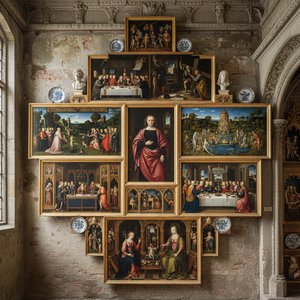
10 Arcydzieł Wczesnego Renesansu Niderlandzkiego: Sztuka i Dekoracja Domu
Odkryj 10 arcydzieł wczesnego renesansu niderlandzkiego! Poznaj historie van Eycka, Rogiera van der Weydena i innych mistrzów. Reprodukcje obrazów najwyższej jakości dla Twojego wnętrza – OriginalUniqueArt.com

Hugo van der Goes: Devotion, Innovation & the Psychological Depth of Early Netherlandish Painting
Explore the revolutionary art of Hugo van der Goes – a master of Early Netherlandish painting renowned for his dramatic realism, psychological depth & profound influence on Renaissance artists. Discover his iconic works and lasting legacy.

10 Arcydzieł Wczesnoniderlandzkiego Malarstwa, które Zdefiniowały Epokę | Reprodukcje Obrazów
Odkryj 10 arcydzieł wczesnoniderlandzkiego malarstwa! Poznaj historie van Eycka, Weydena i Memlinga. Reprodukcje obrazów najwyższej jakości dla Twojego wnętrza. Inspiracje i dekoracje ścienne na OriginalUniqueArt.com


