

 Podgląd w skali 1:1
 Wyślij jako kartkę
 Udostępnij
 Szczegóły dzieła
 Przewodnik

 Pobierz obraz
 Podobne obiekty
 RTG
RTG Pokaz slajdów
 Q&A
Q&A Statystyki
Spray
 Abstract Expressionism
 1959
1959 229.0 x 184.0 cm
 Rozwiń treść
Dzieło sztuki prezentowane na tej stronie podlega ochronie prawem autorskim, co oznacza, że nie mamy prawa do tworzenia ani sprzedaży jego identycznej reprodukcji. Ochrona ta jest egzekwowana na mocy umów międzynarodowych, takich jak Konwencja berneńska oraz przez przepisy prawa krajowego, w tym te określone w Prawo autorskie USA – Tytuł 17.
Metoda ta jest w pełni zgodna z przepisami prawa autorskiego, ponieważ nie polega na kopiowaniu ani powielaniu chronionego dzieła. Stanowi ona kreatywną reinterpretację – nowy obraz, który czerpie inspirację z oryginału, ale nie jest z nim tożsamy.
Giclée / Wydruk artystyczny
Wydruki giclée lub płótna o jakości muzealnej, szybka realizacja i szeroki wybór opcji wykończenia. ( Zamów ręcznie malowaną reprodukcję Przejdź do wersji cyfrowej)




P118B zł10

P118H zł10

P118W zł10

P438Z zł10

P508JH zł12

P508YH zł12

P805H zł10

P805Z zł10

P919BZ zł10

P919G zł10

P919XJ zł10

P959ZH zł10

P968JZ zł12

W106C zł8

W218G zł10

W218JH zł8

W218Y zł10

W307PJ zł10

W316G zł10

W316PJ zł8

W316Y zł10

W398PJ zł8

W4111J zł10

W500HY zł15

W500JH zł15

W692G zł12

W849H zł8

W940BG zł15

W953PJ zł8




Wybierz spośród naszych standardowych rozmiarów, które zachowują oryginalne proporcje dzieła sztuki.

Wpisz wymaganą szerokość i wysokość, aby dopasować grafikę do ramy lub ściany. Wydruk można jedynie przyciąć, nigdy nie powiększając go poza oryginalny obraz, dlatego format o innych proporcjach spowoduje utratę części kompozycji. Przed rozpoczęciem druku prześlemy Ci cyfrowy podgląd do zatwierdzenia. Obraz wyświetlany na tej stronie nie pokazuje rzeczywistego przycięcia — jedynie podgląd oddaje ten efekt.
Dostawa na cały świat () w ciągu 2 tygodni zamiast standardowych 4/5 tygodni. (30 Październik)

Bezpłatna ekspresowa wysyłka na cały świat

Wysokiej jakości płótno lniane

Pełne ubezpieczenie przesyłki

Gwarancja zwrotu należności celnych i podatków importowych

Gwarancja wiernego odwzorowania kolorów

100-dniowa polityka zwrotów (tylko w przypadku wad)

Gwarancja 100% zwrotu pieniędzy

Zniżka przy zakupie wielu sztuk
 Opcja ze szkłem jest dostępna wyłącznie w rozmiarach poniżej 110 cm

Spray
Giclée / Wydruk artystyczny
Wymiary reprodukcji
-


Cena całkowita
zł 308
A Burst of Energy: Exploring Adolph Gottlieb’s ‘Spray’ (1959)
Adolph Gottlieb's Spray, created in 1959, is a commanding example of Abstract Expressionism at its most visceral. Measuring an impressive 229 x 184 cm, this painting doesn’t simply occupy space; it *fills* it with dynamic energy and raw emotion. The work presents a dramatic interplay between form and color, inviting viewers into a world of pure sensation.
Deconstructing the Composition & Technique
- Dynamic Contrast: A substantial, dark circular mass dominates the upper canvas, acting as both an anchor and a counterpoint to the explosive energy below. This stark contrast immediately draws the eye and establishes a powerful visual tension.
- Impasto & Gesture: Gottlieb masterfully employs impasto – thickly applied paint – particularly in the vibrant yellow section. This technique isn’t merely about texture; it's about physicality, conveying a sense of immediacy and the artist’s direct engagement with the canvas. Loose, gestural brushwork further enhances this feeling of spontaneous creation.
- Color & Form: The chaotic ‘spray’ of yellow isn’t simply random. While amorphous in shape, these masses radiate outwards, suggesting expansion and release. The muted brown background serves as a grounding force, allowing the black and yellow to truly pop.
Symbolism & Historical Context
Gottlieb, deeply influenced by his experiences with European modernism – particularly Constructivism and Surrealism – and grappling with post-war anxieties, sought a visual language that could express the complexities of the human condition. While abstract, Spray isn’t devoid of symbolic resonance. The black circle can be interpreted as representing darkness, the void, or even the unknown, while the yellow explosion suggests light, energy, or liberation. Created in 1959, during a period of intense artistic innovation in America, ‘Spray’ embodies the Abstract Expressionist movement's rejection of traditional representation in favor of subjective emotional expression.
Emotional Impact & Interior Design Considerations
Spray is not a passive artwork; it demands attention. Its bold colors and dynamic composition evoke feelings of both power and vulnerability, chaos and control. For collectors and interior designers, this piece offers a striking focal point. The strong visual presence would be particularly effective in modern or contemporary spaces, adding depth and sophistication to a living room, office, or gallery setting. The interplay of dark and light also allows for versatile pairing with various color palettes – from minimalist neutrals to bolder, complementary hues.
Pytania i odpowiedzi
Jaki poziom kontrastu prezentuje „Spray” – Adolph Gottlieb?
„Spray” – Adolph Gottlieb prezentuje Bold kontrast między jasnymi a ciemnymi partiami dzieła.
Czy dzieło „Spray” autorstwa Adolph Gottlieb znajduje się w domenie publicznej i dlaczego?
Status praw autorskich do dzieła „Spray” – nadal objęte ochroną prawa autorskiego – wynika z faktu, że artysta zmarł w 1974.
Gdzie mogę znaleźć statystyki dotyczące „Spray” – Adolph Gottlieb?
Strona Statystyki wyświetleń dzieła „Spray” – Adolph Gottlieb przedstawia statystyki odwiedzin: miesięczną liczbę wyświetleń tego dzieła, porównanie z najczęściej oglądanymi pracami artysty oraz informacje o pochodzeniu odwiedzających.
Biografia artysty
A Pioneer of Abstract Expressionism: The Life and Art of Adolph Gottlieb
Adolph Gottlieb, born in New York City on March 14, 1903, emerged as a pivotal figure in the burgeoning landscape of American Abstract Expressionism. His journey was one of constant exploration—a relentless pursuit to distill universal human experiences into a visual language that resonated with both ancient symbolism and modern anxieties. Growing up as the son of Jewish immigrants, Gottlieb’s early life instilled within him a sensitivity to cultural displacement and the search for meaning in a rapidly changing world, themes that would profoundly shape his artistic vision. He received foundational training at the Art Students League and Parsons The New School for Design, but it was his subsequent travels through Europe during the 1920s that truly ignited his aesthetic sensibilities. Immersing himself in the art and philosophies of Germany and France, he absorbed influences from Constructivism and Surrealism, laying the groundwork for his future innovations.Early Life and Education
Gottlieb’s artistic development wasn't immediate; it was a gradual evolution away from representational forms toward abstraction. Initially grappling with traditional techniques, he began to experiment with fragmented imagery and symbolic motifs, hinting at the deeper psychological currents that would define his mature style. He studied at Parsons School of Design and Cooper Union, honing his skills in drawing and painting before embarking on a transformative European adventure. From 1920 to 1921 he traveled in France and Germany for a year, absorbing inspiration from avant-garde movements and immersing himself in the artistic milieu of Paris. He attended lectures at the Académie de la Grande Chaumière and visited museums extensively, cultivating an appreciation for diverse artistic traditions—a habit that would inform his later work. His formative years instilled within him a profound awareness of cultural context and the importance of questioning established conventions.The European Influences: Constructivism and Surrealism
His travels in Europe during the 1920s proved particularly influential, exposing Gottlieb to the radical ideas of Constructivism and Surrealism. He encountered artists like Piet Mondrian and Kazimir Malevich—whose geometric abstraction challenged traditional notions of perspective and representation—and whose emphasis on pure form resonated with Gottlieb’s own artistic aspirations. Simultaneously, he absorbed the dreamlike imagery and psychological exploration characteristic of Surrealist painters such as René Magritte and Salvador Dalí. These encounters broadened his intellectual horizons and fueled his desire to push beyond conventional boundaries—a impulse that would become central to his artistic practice. He meticulously studied the works of European masters, analyzing their compositional strategies and stylistic innovations, recognizing them as models for his own creative endeavors.The Founding of “The Ten” and Collaborative Experimentation
In 1935 Gottlieb joined forces with fellow artists Mark Rothko, John D. Graham, Barnett Newman, Milton Avery, David Smith, Ilya Bolotowsky, Louis Harris, Joseph Solman, Louis Schanker and Ben-Zion to form “The Ten,” later known as the New York Artists Painters group. This collective was instrumental in establishing a distinctly American voice within the international art scene, challenging European dominance and fostering a spirit of experimentation. Recognizing that artistic progress often arises from collaborative dialogue, Gottlieb embraced the opportunity to engage in shared creative endeavors—a practice he would continue throughout his career. The Ten’s commitment to abstraction and exploration of psychological themes reflected the broader intellectual currents of the era—a period marked by anxieties about fascism and uncertainty regarding the future of civilization.The Pictographs: Symbolism and Universal Themes
Gottlieb's most celebrated series, *The Pictographs* (1940–52), embodies this exploration. These paintings feature biomorphic shapes and symbolic forms arranged within rectangular fields—resembling ancient hieroglyphs or tribal markings—creating a compelling dialogue between modernity and ancient traditions. He deliberately drew inspiration from diverse sources—classical mythology, Amerindian art, African motifs—creating a visual language that transcended cultural boundaries. The *Pictographs* weren’t merely abstract compositions; they were attempts to tap into universal archetypes, exploring themes of myth, ritual, and the human condition. Gottlieb meticulously crafted each image with careful consideration for its symbolic resonance—a testament to his belief in art's capacity to communicate profound truths about existence. He sought to capture not merely the visual appearance of the desert, but its emotional essence—a sense of vastness, isolation, and spiritual power. ## Legacy and Historical Significance Throughout his career, Adolph Gottlieb exhibited widely in both the United States and Europe, gaining recognition for his unique contribution to American art. His work is now represented in major museum collections worldwide, including the Museum of Modern Art (MoMA) in New York City and the Tate Modern in London—a testament to its enduring power and influence. He received numerous awards and accolades, solidifying his place as a leading figure in the Abstract Expressionist movement. Gottlieb’s legacy extends beyond his individual paintings; he played a vital role in shaping the landscape of postwar American art, paving the way for future generations of artists to explore abstraction, symbolism, and cultural influences. His unwavering dedication to conveying universal themes through a distinctive visual language cemented his place as one of the most significant abstract painters of the 20th century. He wasn’t merely creating aesthetically pleasing images; he was attempting to grapple with fundamental questions about human existence—questions that continue to resonate with audiences today. Adolph Gottlieb's work remains a powerful reminder of art’s capacity to transcend cultural boundaries and speak to the deepest aspects of the human spirit.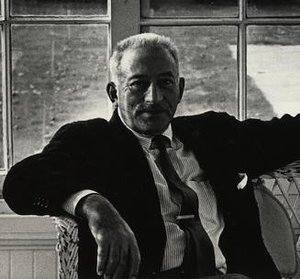
Adolph Gottlieb
1903 - 1974 , Stany Zjednoczone
Krótka nota
- Artistic Movement Or Style: Abstract Expressionism
- Artists Who Influenced This Artist:
- Constructivism
- Surrealism
- Date Of Birth: March 14, 1903
- Date Of Death: March 4, 1974
- Full Name: Adolph Gottlieb
- Nationality: American
- Notable Artworks:
- Pictographs
- Burst Paintings
- Signs
- Place Of Birth: New York City, USA
Powiązane artykuły
Lyrical Abstraction: The Emotional Power of Color and Form in Modern Art History
Explore the profound emotional depth of Lyrical Abstraction. Discover how masters like Raymond Parker used color and form to bridge Impressionism and Abstract Expressionism. Learn about this pivotal movement through our expert-led art history guide.

Top 10 arcydzieł ekspresjonizmu abstrakcyjnego – inspiracje dla Twojego wnętrza | OriginalUniqueArt.com
Odkryj 10 arcydzieł ekspresjonizmu abstrakcyjnego – Pollock, Rothko, de Kooning i inni. Poznaj historie artystów, techniki i inspiracje dla Twojego wnętrza. Reprodukcje najwyższej jakości na OriginalUniqueArt.com!
Beyond the Lines: Mastering the High-Impact World of Contemporary Abstraction
Master the high-impact world of contemporary abstraction. Discover how bold colors, textures, and modern movements like Abstract Expressionism can transform your space with premium, high-energy art curated for the design-conscious professional.
The Soul of Color: A Journey into the Emotional Resonance of Lyrical Abstraction
Embark on a cultural journey through Lyrical Abstraction. Explore how masters like Kandinsky used color and motion to translate emotion into visual poetry. Discover the profound beauty of abstract expressionism and learn to curate emotional resonance in your own art collection.

25 Arcydzieł Kandinskiego: Kolor, Duchowość i Abstrakcja w Twoim Domu | OriginalUniqueArt.com
Odkryj 25 arcydzieł Wassily Kandinskiego – pioniera abstrakcji i ekspresjonizmu! Poznaj historie, techniki i emocje kryjące się za jego kolorowymi kompozycjami. Reprodukcje obrazów najwyższej jakości na OriginalUniqueArt.com. Eksploruj pełną kolekcję online!