

 Zobacz w skali 1:1
 Wyślij
 Udostępnij
 Szczegóły

 Pobierz plik obrazu
 Podobne obiekty
 RTG
RTG Pokaz slajdów
 Statystyki
The Hot Hours

 Czytaj więcej
Giclée / Wydruk artystyczny
Wydruki giclée lub płótna o jakości muzealnej, szybka realizacja i szeroki wybór opcji wykończenia. ( Kup ręcznie malowany obraz Przełącz na wersję cyfrową)




































Wybierz spośród naszych standardowych rozmiarów, które zachowują oryginalne proporcje dzieła sztuki.

Możesz wprowadzić własne wymiary, aby dopasować dzieło do konkretnej ramy lub przestrzeni. Jeśli wybrany rozmiar nie będzie odpowiadał proporcjom oryginalnego obrazu, przytniecie dzieło lub rozszerzymy obraz za pomocą odbicia lustrzanego lub jednolitego wypełnienia krawędzi. Przed rozpoczęciem produkcji prześlemy cyfrową wizualizację do Twojej akceptacji.
Prosimy pamiętać, że podgląd na ekranie nie odzwierciedla faktycznego przycinania ani rozszerzania. Tylko wizualizacja dokładnie pokaże końcową kompozycję.
Mimo dostępności niestandardowych rozmiarów, zalecamy wybór wymiaru z listy zdefiniowanej, aby zachować oryginalne proporcje.
Dostawa na cały świat () w ciągu 2 tygodni zamiast standardowych 4/5 tygodni. (16 Wrzesień)

Bezpłatna ekspresowa wysyłka na cały świat

Wysokiej jakości płótno lniane

Pełne ubezpieczenie transportowe

Gwarancja zwrotu należności celnych i podatków importowych

Gwarancja idealnego odwzorowania barw

100-dniowy okres na zwrot dzieła w przypadku wykrycia wad produkcyjnych

Gwarancja 100% zwrotu pieniędzy

Oferta przy zakupie wielu sztuk
 Opcja ze szkłem jest dostępna wyłącznie w rozmiarach poniżej 110 cm

The Hot Hours
Giclée / Wydruk artystyczny
Rozmiar reprodukcji
-


Suma do zapłaty
$ 80
Biografia artysty
The Soul of the Tuscan Landscape: The Life and Art of Adolfo Tommasi
Born in the vibrant coastal city of Livorno in 1851, Adolfo Tommasi emerged as a profound voice within the movement of Tuscan Impressionism. His artistic journey was not merely a pursuit of aesthetic beauty but a deep, soulful exploration of the Italian countryside and the quiet rhythms of rural existence. Moving from his native Livermo to the cultural heart of Florence, Tommasi sought to transcend the rigid boundaries of academic tradition. He found himself drawn to the light, the atmosphere, and the raw, unvarnished truth of nature, a passion that would eventually define his legacy as a master of naturalistic observation.
The foundation of Tommasi’s technique was laid under the mentorship of the celebrated Florentine painter Silvestro Lega. It was from Lega that Tommasi inherited a devotion to plein air painting—the practice of working directly amidst the elements. This influence instilled in him a profound sensitivity toward the subtle shifts in light and the emotional weight of a landscape. While he briefly engaged with the formal teachings of Carlo Markò the Younger’s academy, the stifling conventions of academic realism could not contain his vision. Instead, Tommasi embraced a style that favored honesty over artifice, seeking to capture the fleeting essence of a moment through gentle brushstrokes and a warm, evocative palette.
A Controversial Breakthrough and the Beauty of the Mundane
The trajectory of Tommasi’s career was irrevocably altered in 1880 with the exhibition of his provocative work, Dopo la brinata (“After the Frost”). This painting, depicting a cabbage field ravaged by the biting chill of frost, became a lightning rod for critical debate. To some, the unflinching portrayal of agricultural hardship was too stark, yet to others, it represented a revolutionary leap toward emotional truth in art. The work earned him the respect of luminaries such as Signorini and the poet Giovanni Pascoli, who recognized his ability to imbende even the most humble subjects with a sense of dignity and atmospheric depth.
This period marked Tommasi's transition from a student of light to a storyteller of the earth. His ability to weave together the textures of the natural world—the dampness of soil, the softness of spring blooms, and the harshness of winter frost—allowed him to create works that resonated far beyond the borders of Tuscany. Whether capturing the serene tranquility of Spring or the heavy, sun-drenched stillness of The Hot Hours, his oeuvre remains a testament to the beauty found in the everyday, elevating the rural landscape to a realm of poetic significance.
Legacy and Artistic Significance
Throughout his long life, which concluded in Florence in 1933, Tommasi achieved remarkable milestones that solidified his place in the Italian canon. His contributions were recognized on prestigious international stages, most notably at the 1884 Turin Exhibition, where his piece Il Fischio del Vapore was acquired by the government for the Galleria Nazionale d’Arte Moderna. This achievement underscored his ability to marry local sentiment with a universal artistic language.
The enduring significance of Adolfo Tommasi lies in his role as a bridge between traditional naturalism and the burgeoning Impressionist movement in Italy. His work serves as a visual archive of a vanishing way of life, preserving the light and spirit of the Tuscan countryside for future generations. Through his eyes, we do not merely see a landscape; we experience the breath of the wind, the warmth of the sun, and the resilient heart of the Italian rural identity.

adolfo tommasi
1851 - 1933
Najważniejsze informacje
- Artistic Movement Or Style: Naturalism
- Artists Or Movements Influenced By This Artist: ['Giovanni Pascoli']
- Artists Who Influenced This Artist: ['Carlo Markò the younger']
- Date Of Birth: 1851
- Full Name: Adolfo Tommasi
- Nationality: Italian
- Notable Artworks:
- Dopo la brinata
- The Hot Hours
- Landscape with Peasant and Chickens
- Place Of Birth: Livorno
Zobacz także powiązane artykuły

Wiejskie Krajobrazy w Sztuce: Studium Ikonografii, Emocji i Społecznego Kontekstu
Odkryj fascynujący świat wiejskich krajobrazów w sztuce! Studium ikonografii, emocji i społecznego kontekstu malarstwa. Ekspercka analiza, inspiracje i możliwość zakupu reprodukcji na OriginalUniqueArt.

Giovanni Fattori: Realism, Identity & the Tuscan Landscape – A Macchiaioli Master
Explore the life & art of Giovanni Fattori, a leading figure of the Macchiaioli movement. Discover his revolutionary realism, captivating Tuscan landscapes, and lasting impact on Italian painting. Learn more at OriginalUniqueArt.

Romantic Realism's Finest: 10 Masterpieces for Your Home | OriginalUniqueArt
Explore 10 defining masterpieces of Romantic Realism! Discover Courbet, Millet & Daumier's powerful paintings—capturing emotion and social realities. Find museum-quality reproductions for your home at OriginalUniqueArt.com.

John Constable: 25 Najlepszych Obrazów Mistrza Angielskiego Krajobrazu | OriginalUniqueArt
Odkryj 25 arcydzieł Johna Constable'a – mistrza angielskiego krajobrazu! Poznaj romantyczne pejzaże, technikę malarską i inspiracje z Dedham Vale. Reprodukcje obrazów najwyższej jakości na OriginalUniqueArt.com. Eksploruj pełną kolekcję online!
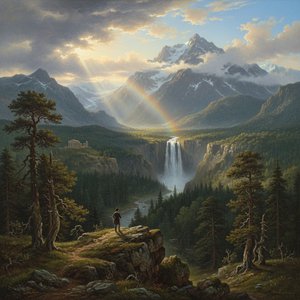
Evoking Nature's Sublime: A Comprehensive Exploration of 19th-Century Landscape Painting
Explore the captivating world of 19th-century landscape painting! Discover renowned artists like Friedrich & Monet, key movements, and find the perfect artwork to bring nature's serenity into your home. Expert insights at OriginalUniqueArt.