

 Zobacz w skali 1:1
 Wyślij
 Udostępnij
 Szczegóły
 Guide
Guide

 Pobierz plik obrazu
 Podobne obiekty
 RTG
RTG Pokaz slajdów
 Statystyki
Diana Baśnią


 Czytaj więcej
Ręcznie malowana reprodukcja olejowa
Ręcznie malowany obraz olejny na płótnie, wykonany na zamówienie przez naszych artystów w wybranym przez Ciebie wymiarze i oprawie. ( Przełącz na wersję drukowaną Przełącz na wersję cyfrową)




P118B $10

P118H $10

P118W $10

P438Z $10

P508JH $12

P508YH $12

P805H $10

P805Z $10

P919BZ $10

P919G $10

P919XJ $10

P959ZH $10

P968JZ $12

W106C $8

W218G $10

W218JH $8

W218Y $10

W307PJ $10

W316G $10

W316PJ $8

W316Y $10

W398PJ $8

W4111J $10

W500HY $15

W500JH $15

W692G $12

W849H $8

W940BG $15

W953PJ $8




Wybierz spośród naszych standardowych rozmiarów, które zachowują oryginalne proporcje dzieła sztuki.

Możesz wprowadzić własne wymiary, aby dopasować obraz do konkretnej ramy lub przestrzeni. Jeśli wybrany rozmiar nie będzie odpowiadał proporcjom oryginału, przytniecie dzieło sztuki lub rozszerzymy je o dodatkowe elementy, ręcznie domalowane przez artystę. Przed rozpoczęciem produkcji wyślemy projekt cyfrowy do Twojej akceptacji.
Należy pamiętać, że podgląd na ekranie nie odzwierciedla rzeczywistego przycinania ani rozszerzania obrazu. Tylko projekt dokładnie pokaże ostateczną kompozycję.
Choć oferujemy możliwość zamówienia niestandardowych rozmiarów, zalecamy wybór wymiaru z gotowej listy, aby zachować oryginalne proporcje dzieła.
Po złożeniu zamówienia zespół OriginalUniqueArt.com skontaktuje się z klientem drogą mailową w celu uzyskania instrukcji i prześle wizualizację projektu
Dostawa na całym świecie () w ciągu 3–4 tygodni zamiast standardowych 5 tygodni. (20 Wrzesień). Bez kompromisów w kwestii jakości.

Bezpłatna ekspresowa wysyłka na cały świat

Wysokiej jakości płótno lniane

Pełne ubezpieczenie transportowe

Gwarancja zwrotu należności celnych i podatków importowych

Gwarancja idealnego odwzorowania barw

100-dniowy okres na zwrot dzieła w przypadku wykrycia wad produkcyjnych

Gwarancja 100% zwrotu pieniędzy

Oferta przy zakupie wielu sztuk
 Opcja ze szkłem jest dostępna wyłącznie w rozmiarach poniżej 110 cm

Diana Baśnią
Technika wykonania
Rozmiar reprodukcji
-


Suma do zapłaty
$ 300
Abraham van Cuylenborch: A Master of Dutch Grotto Landscapes
Abraham Hendricksz van Beyeren (1620 – 1658) remains an enigmatic figure in the annals of Dutch Baroque art, yet his legacy endures through a singular artistic preoccupation—the creation of idyllic landscapes populated with mythological figures and imbued with an ethereal beauty. Though tragically cut short by illness at just thirty-eight, Cuylenborch’s prolific output established him as a pivotal interpreter of Italianate influences within the burgeoning Dutch art scene, securing his place amongst the luminaries of Rembrandt and Vermeer. His canvases transport viewers to serene realms where classical mythology intertwines seamlessly with natural grandeur, offering a profound meditation on themes of innocence, contemplation, and divine grace. Cuylenborch’s formative years unfolded under the watchful eye of Cornelis van Poelenburgh, a celebrated Utrecht painter whose elegant landscapes and masterful depiction of classical motifs profoundly shaped Cuylenborch's artistic sensibilities. Van Poelenburgh instilled in his protégé a deep appreciation for atmospheric perspective—a technique championed by Leonardo da Vinci—which allows artists to convey depth and realism through subtle gradations of color and tonal variation. This foundational influence is palpably evident in Cuylenborch’s compositions, where distant mountains shimmer with hazy blues and greens, creating an illusion of boundless space and inviting the gaze inward.The Artwork: Diana Bathing
“Diana Bathing” exemplifies Cuylenborch's signature style—a breathtaking panorama rendered in oil on panel that captures a scene from Greek mythology. The painting depicts Diana, goddess of the hunt and protector of chastity, bathing alongside her nymphs in a tranquil grotto adorned with lush vegetation and illuminated by diffused sunlight. This masterful depiction adheres to the conventions of Mannerism, prioritizing expressive gesture and stylized form over strict anatomical accuracy. Cuylenborch’s meticulous attention to detail—particularly in capturing the textures of skin, hair, and drapery—demonstrates his unwavering commitment to realism while simultaneously elevating the scene beyond mere representation. The composition is carefully balanced, with Diana positioned centrally amidst a dynamic arrangement of figures and animals. Her serene posture contrasts sharply with the active movements of her nymphs, who reach out towards each other in gestures of intimacy and communion. Scattered throughout the landscape are birds—symbols of freedom and divine inspiration—a deer or antelope—representing nobility and grace—and a dog—often associated with loyalty and guardianship. These elements contribute to the painting’s overarching atmosphere of tranquility and spiritual contemplation.Historical Context & Symbolism
“Diana Bathing” emerged during the height of the Dutch Golden Age, a period characterized by unprecedented artistic innovation and economic prosperity. The influence of Italian Renaissance ideals—particularly those championed by Raphael and Michelangelo—was keenly felt throughout Europe, prompting artists to explore new stylistic approaches and thematic concerns. Cuylenborch’s depiction of Diana aligns perfectly with this broader cultural trend, reflecting the fascination with classical mythology that permeated intellectual circles at the time. Furthermore, the bathing scene itself carries symbolic significance, representing purity, innocence, and renewal—values highly esteemed within Christian iconography.Emotional Impact & Artistic Legacy
“Diana Bathing” transcends mere visual spectacle; it evokes a profound emotional response in viewers. The painting’s luminous palette and masterful use of light imbue the scene with an ethereal quality, transporting the viewer to a realm of sublime beauty and spiritual serenity. Cuylenborch's ability to capture the essence of human emotion—expressed through subtle gestures and facial expressions—solidifies his position as one of the most accomplished portraitists of his era. His enduring influence can be seen in subsequent generations of artists who sought inspiration from his masterful landscapes and evocative depictions of mythological subjects, cementing his place as a cornerstone of Dutch Baroque art history.- Provenance: Anonymous sale; Christie’s, London, 17 November 1972, lot 17
- Size: Unknown
- Date: Unknown
Biografia artysty
Abraham van Cuylenborch: A Master of Dutch Grotto Landscapes
Born in Utrecht around 1620 and tragically passing away in the same city in 1658, Abraham van Cuylenborch remains a captivating figure within the rich tapestry of 17th-century Dutch painting. While his life was relatively short, his artistic output—primarily characterized by idyllic landscapes populated with mythological figures and evocative grotto scenes—left an indelible mark on the genre, establishing him as a key interpreter of Italianate influences within the burgeoning Dutch art scene.
Cuylenborch’s early training unfolded under the tutelage of Cornelis van Poelenburgh, a prominent Utrecht painter known for his elegant landscapes and skillful rendering of classical motifs. Van Poelenburgh's style profoundly shaped Cuylenborch’s artistic development, imbuing him with a deep appreciation for atmospheric perspective, balanced compositions, and a refined sense of detail. This foundational influence is readily apparent in Cuylenborch’s early works, which often feature meticulously rendered foliage, distant horizons, and figures engaged in pastoral activities.
The Grotto Motif: A Defining Characteristic
Cuylenborch's most distinctive contribution to the Dutch landscape tradition lies in his fascination with grottoes—small, enclosed caves or grottos—and their inhabitants. These scenes, frequently depicted as idyllic retreats where nymphs and mythological figures frolic amidst lush vegetation, became a hallmark of his oeuvre. The grotto itself served not merely as a setting but as a symbolic space, often imbued with an atmosphere of mystery, tranquility, and sensual delight. He wasn't simply painting landscapes; he was constructing miniature worlds brimming with allegorical meaning.
The depiction of these grottos is remarkably detailed, showcasing Cuylenborch’s skill in capturing the textures of stone, moss, and water. He frequently employed a technique known as ‘chiaroscuro,’ utilizing dramatic contrasts between light and shadow to heighten the sense of depth and create a captivating visual drama. The figures within these scenes—often inspired by classical mythology or biblical narratives—were rendered with a delicate grace and an awareness of their surroundings, contributing to the overall atmosphere of enchantment.
Influences and Artistic Style
Cuylenborch’s artistic style is often described as ‘Italianate,’ reflecting the profound influence of Italian Renaissance landscape painting. He drew inspiration from artists such as Claude Lorrain and Andrea Pozzo, adopting their techniques for creating atmospheric perspective, balanced compositions, and dramatic lighting effects. However, Cuylenborch skillfully adapted these influences to suit the specific conventions of Dutch art, resulting in a unique synthesis of styles.
Beyond Italianate traditions, Cuylenborch’s work also demonstrates an awareness of contemporary trends within the Dutch landscape genre. He shared with his contemporaries a fascination with depicting natural beauty and exploring the relationship between humanity and nature. His compositions often feature elements of ‘arcadianism,’ a popular trend in 17th-century art that idealized rural life and celebrated the virtues of simplicity and harmony.
Notable Works and Legacy
Among Cuylenborch’s most celebrated works are “A Tomb in a Grotto,” currently housed at the Glasgow Museums, and “Landscape with Bacchus and the Nymphs,” held by The Metropolitan Museum of Art. These paintings exemplify his mastery of composition, color, and detail, capturing the essence of his distinctive artistic vision.
Despite his relatively short career, Abraham van Cuylenborch left a significant legacy on Dutch art. His innovative depictions of grotto landscapes influenced generations of artists and helped to establish the genre as a prominent feature of the Dutch Golden Age. His work continues to be admired for its beauty, elegance, and evocative power, offering viewers a glimpse into a world of mythic enchantment and serene natural splendor.

abraham van cuylenborch
1620 - 1658 , Netherlands
Najważniejsze informacje
- Artistic Movement Or Style: Dutch Baroque Landscape
- Artists Or Movements Influenced By This Artist: ['Flemish Landscape Painting']
- Artists Who Influenced This Artist: ['Cornelis van Poelenburgh']
- Date Of Birth: ca. 1620, Utrecht
- Date Of Death: 1658, Utrecht
- Full Name: Abraham van Cuylenborch
- Nationality: Dutch
- Notable Artworks:
- Bacchus and Nymphs
- Grotto with figures
- Place Of Birth: Utrecht, Netherlands
Zobacz także powiązane artykuły
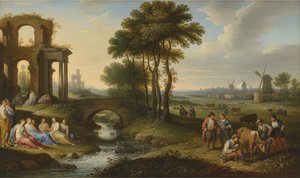
Cornelis van Poelenburch: Bridging Mannerism & the Dutch Baroque Landscape
Discover Cornelis van Poelenburch, a pivotal Dutch Baroque landscape painter bridging Mannerism & Italianate styles. Explore his life, key works, and lasting influence on 17th-century art with OriginalUniqueArt.

Jan van Goyen: Master of Dutch Landscape & Atmospheric Perspective
Discover Jan van Goyen, the master of Dutch landscape painting. Explore his subtle technique, atmospheric realism & lasting influence on art history. Learn about this 17th-century pioneer at OriginalUniqueArt.
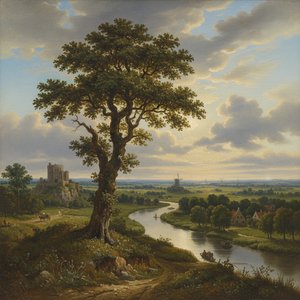
Jacob van Ruisdael: Master of Dutch Landscape & the Evocation of National Identity
Explore the life & work of Jacob van Ruisdael, the preeminent Dutch landscape painter. Discover his technical brilliance, symbolic depth, and lasting influence on art history. Learn about collecting Ruisdael's masterpieces.

Holenderski Barok: 10 Arcydzieł, Które Zdefiniowały Epokę | OriginalUniqueArt
Poznaj 10 arcydzieł holenderskiego baroku! Odkryj historie Rembrandta, Vermeera i innych mistrzów XVII wieku. Reprodukcje obrazów najwyższej jakości – idealne do Twojego wnętrza. OriginalUniqueArt.com

Rembrandt van Rijn: 25 Najwybitniejszych Dzieł Sztuki – Reprodukcje i Inspiracje do Wnętrz
Poznaj 25 arcydzieł Rembrandta van Rijn! Odkryj fascynujące historie, techniki i wpływ holenderskiego mistrza baroku na świat sztuki. Reprodukcje obrazów najwyższej jakości – inspiracje do wnętrz na OriginalUniqueArt.com
