

 Podgląd w skali
 Wyślij jako kartkę
 Udostępnij
 Szczegóły dzieła

 Pobierz
 Podobne obiekty
 RTG
RTG Pokaz slajdów
Khagen Babu
 Acrylic On Canvas
- WallArt
- Bengal School of Art
 19th Century
 25.0 x 17.0 cm
 Wielki Pałac Wiktorioński
 Rozwiń treść
Giclée / Wydruk artystyczny
Druk giclée lub płótno o jakości muzealnej, szybka realizacja i szeroki wybór opcji wykończenia. ( Zamów ręcznie malowaną reprodukcję Kup obraz wysokiej rozdzielczości)




P118B $10

P118H $10

P118W $10

P438Z $10

P508JH $12

P508YH $12

P805H $10

P805Z $10

P919BZ $10

P919G $10

P919XJ $10

P959ZH $10

P968JZ $12

W106C $8

W218G $10

W218JH $8

W218Y $10

W307PJ $10

W316G $10

W316PJ $8

W316Y $10

W398PJ $8

W4111J $10

W500HY $15

W500JH $15

W692G $12

W849H $8

W940BG $15

W953PJ $8




Wybierz spośród naszych standardowych rozmiarów, które zachowują oryginalne proporcje dzieła sztuki.

Możesz wprowadzić własne wymiary, aby dopasować dzieło do konkretnej ramy lub przestrzeni. Jeśli wybrany rozmiar nie będzie odpowiadał proporcjom oryginalnego obrazu, przytniecie dzieło lub rozszerzymy obraz za pomocą odbicia lustrzanego lub jednolitego wypełnienia krawędzi. Przed rozpoczęciem produkcji prześlemy cyfrową wizualizację do Twojej akceptacji.
Prosimy pamiętać, że podgląd na ekranie nie odzwierciedla faktycznego przycinania ani rozszerzania. Tylko wizualizacja dokładnie pokaże końcową kompozycję.
Mimo dostępności niestandardowych rozmiarów, zalecamy wybór wymiaru z listy zdefiniowanej, aby zachować oryginalne proporcje.
Dostawa na cały świat () w ciągu 2 tygodni zamiast standardowych 4/5 tygodni. (19 Sierpień)

Bezpłatna ekspresowa wysyłka na cały świat

Wysokiej jakości płótno lniane

Pełne ubezpieczenie przesyłki

Gwarancja zwrotu należności celnych i podatków importowych

Gwarancja wiernego odwzorowania kolorów

Polityka 60-dniowego zwrotu (tylko w przypadku wad)

Gwarancja 100% zwrotu kosztów

Zniżka przy zamówieniu wielu produktów
 Opcja ze szkłem jest dostępna wyłącznie w rozmiarach poniżej 110 cm

Khagen Babu
Giclée / Wydruk artystyczny
Wymiary reprodukcji
-


Cena całkowita
$ 80
Opis kolekcjonerski
A Portrait of Quiet Contemplation: Khagen Babu by Abanindranath Tagore
Abanindranath Tagore’s “Khagen Babu” is more than just a portrait; it's a carefully constructed meditation on Indian identity and the burgeoning movement towards a distinctly modern, yet deeply rooted, artistic expression. Painted in 1907, during a pivotal moment in India’s cultural awakening, this black-and-white photograph – meticulously reproduced as a fine art print – captures a sense of dignified introspection within a man identified simply as “Khagen Babu.” The image, originally intended for the Indian Society of Oriental Art's exhibition, immediately draws the viewer into a world where traditional Indian aesthetics are subtly interwoven with Western artistic sensibilities.
The subject himself is rendered with a remarkable restraint. His face, framed by a neatly trimmed mustache and a thoughtful gaze directed towards the camera, exudes an air of quiet contemplation. Tagore’s masterful use of light and shadow creates a subtle depth, emphasizing the lines of his face and hinting at a lifetime of experience. The background, a simple green expanse – reminiscent of traditional Indian gardens – provides a serene backdrop that allows the subject to command the entire composition. It's a deliberate choice, grounding the portrait firmly within an Indian context while simultaneously inviting a universal connection.
The Bengal School and its Hybrid Style
“Khagen Babu” is a quintessential example of the Bengal School of Art, founded by Tagore himself. This revolutionary movement sought to break away from the dominant Western artistic trends that had infiltrated India during the colonial period. Instead, it drew inspiration from ancient Indian art forms – particularly Mughal and Rajput miniature paintings – alongside elements of Japanese aesthetics, notably in its use of composition and color palettes. Tagore’s approach was not simply a revival; he skillfully blended these influences to create something entirely new: a distinctly ‘Indian’ modernism.
Notice the deliberate simplification of forms, reminiscent of traditional Indian painting styles. The brushstrokes are visible, lending a sense of immediacy and intimacy to the portrait. The use of monochrome – a conscious rejection of vibrant Western color schemes – further emphasizes the spiritual and contemplative nature of the subject. This stylistic choice was deeply symbolic, aligning with the Swadeshi movement’s emphasis on self-reliance and rejecting foreign influences.
Symbolism and the Essence of Indian Identity
Beyond its formal qualities, “Khagen Babu” is rich in symbolism. The man's posture – upright and dignified – reflects a sense of honor and tradition. The subtle details, such as the folds of his garment and the arrangement of his hands, are imbued with meaning within the context of Indian culture. Tagore’s intention was to capture not just a likeness but also an essence—a representation of the soul of India itself.
The photograph's composition echoes traditional Indian temple murals, further reinforcing this connection to national identity. The subject is presented as a figure of authority and wisdom, embodying the values of self-sufficiency, spirituality, and cultural pride that were central to the Swadeshi movement. It’s a powerful statement about reclaiming artistic agency within a nation grappling with its own history and future.
A Timeless Masterpiece for Your Space
Reproduced as a high-quality print, “Khagen Babu” offers a captivating glimpse into a pivotal moment in Indian art history. Its serene beauty and profound symbolism make it an ideal addition to any collection or interior space. Whether you’re an art enthusiast, a collector seeking unique pieces, or simply someone who appreciates the power of visual storytelling, this portrait invites contemplation and celebrates the enduring legacy of Abanindranath Tagore.
The original dimensions of 25 x 17 cm make it suitable for a variety of settings, from smaller studies to larger wall displays. Its timeless appeal ensures that “Khagen Babu” will continue to resonate with viewers for generations to come.
O artyście
Wczesne życie i pochodzenie
- Urodzony: 7 maja 1861, Joransanko, Kalkuta, Brytyjskie Indie
- Zmarł: 5 grudnia 1951
- Rodzina: Członek znamienitego rodu Tagore; siostrzeniec Rabindranatha Tagore. Jego dziadkiem był Girindranath Tagore, a ojcem Gunendranath Tagore.
- Edukacja: Studiował w Sanskrit College w Kalkucie w latach 80. XIX wieku, a później uczęszczał do Calcutta School of Art.
Rozwój artystyczny i wpływy
- Wczesne szkolenie: Pod okiem O. Ghilardiego zgłębiał tajniki pastelu, natomiast u Charlesa Palmera w Calcutta School of Art uczył się malarstwa olejnego.
- Style mogolski i radżputski: Dążył do unowocześnienia tych stylów, odrzucając zachodnie wzorce artystyczne.
- Wartości Swadeshi: Wprowadził wartości ruchu Swadeshi do swojej sztuki, promując indyjskie tradycje.
- Estetyzm Whistlera: Był pod wpływem zasad estetycznych Whistlera.
- Wpływy japońskie: W późniejszym okresie, po spotkaniu z artystami Tikanem i Hesidą, włączył do swojego stylu tradycje kaligraficzne Chin i Japonii.
Główne dzieła i wkład w sztukę
- Rohini II: Wyjątkowe dzieło ukazujące jego kunszt artystyczny.
- Passing of Shajahan: Kolejny istotny obraz odzwierciedlający jego unikalny styl.
- Season Flower in a Vase: Dzieło demonstrujące biegłość w technice i doborze tematyki.
- Seria Arabian Nights (1930): Uznawana za jedno z jego największych osiągnięć; wykorzystuje opowieści z „Księgi tysiąca i jednej nocy” do eksploracji kolonialnej Kalkuty.
- Założyciel Szkoły Bengalskiej (Bengal School of Art): Odegrał kluczową rolę w kształtowaniu nowoczesnego malarstwa indyjskiego i promowaniu sztuki narodowej.
- Indian Society of Oriental Art (1907): Założył to stowarzyszenie, aby wspierać tradycyjne indyjskie formy sztuki.
Dziedzictwo i znaczenie historyczne
- Pionier nowoczesnego malarstwa indyjskiego: Uznany za kluczową postać w rozwoju współczesnej sztuki Indii.
- Wpływ na późniejszych artystów: Był mentorem dla wybitnych twórców, takich jak Nandalal Bose, Asit Halder, Kshitindranath Majumdar oraz Jamini Roy.
- Odrodzenie tradycyjnych form sztuki: Opowiadał się za powrotem do tradycyjnych indyjskich technik i stylów.
- Wpływ na bengalską literaturę dziecięcą: Napisał wpływowe książki dla dzieci, takie jak Rajkahini, Budo Angla, Nalak oraz Khirer Putul.
- Narodowe skarby sztuki: Jego dzieła są uznawane za narodowe skarby sztuki Indii.

Abanindranath Tagore
1871 - 1951 , Indie
Krótka nota
- Artistic Movement Or Style: Szkoła Bengal (Bengal School of Art)
- Artists Or Movements Influenced By This Artist:
- Nandalal Bose
- Kshitindranath Majumdar
- Jamini Roy
- Artists Who Influenced This Artist:
- Whistler
- artyści mogolscy
- artyści radżputscy
- Date Of Birth: 7 maja 1871
- Date Of Death: 5 grudnia 1951
- Full Name: Abanindranath Tagore
- Nationality: Indyjska
- Notable Artworks:
- Rohini II
- Śmierć Szachajana
- Sezonowy kwiat w wazonie
- Place Of Birth: Jorasanko, Indie
Powiązane artykuły

Raja Ravi Varma: Bridging Tradition & Modernity in 19th-Century Indian Art
Explore the life & art of Raja Ravi Varma, a pioneer who fused European techniques with Indian iconography. Discover his iconic paintings, lasting legacy, and influence on modern Indian art at OriginalUniqueArt.

Urokliwy Welon Orientu: Orientalizm w Sztuce XIX Wieku – Reprezentacja, Recepcja i Konstrukcja 'Orientu'
Odkryj fascynujący świat orientalizmu w sztuce XIX wieku! Analiza dzieł, wpływ na rozwój malarstwa i krytyczna perspektywa. Ekspercka analiza dla miłośników historii sztuki.

Panoramic Visions of Empire: The Daniells’ Artistic Collaboration & Legacy
Explore the captivating 'Oriental Scenery' by Thomas & William Daniell. Discover their pioneering aquatint prints of India, imperial context, artistic collaboration, and lasting legacy. A deep dive for history lovers.
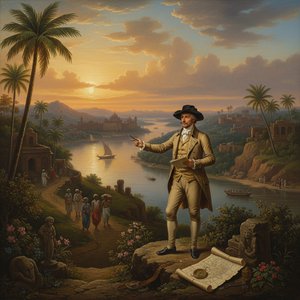
Thomas Daniell: Navigating Light, Landscape & Cultural Exchange in Early 19th-Century India
Explore the captivating landscapes of Thomas Daniell, a pioneering artist who documented India's beauty in the 19th century. Discover his 'Oriental Scenery,' aquatint technique & lasting legacy. Hand-painted reproductions available at OriginalUniqueArt.

Urok Orientu: Orientalizm w Sztuce XIX Wieku – Fascynacja, Kolonializm i Konstrukcja Wschodniego Obrazu
Odkryj fascynujący świat orientalizmu w sztuce XIX wieku! Analiza dzieł mistrzów, kolonialny kontekst i współczesne interpretacje. Ekspercka analiza dla miłośników historii sztuki na OriginalUniqueArt.com.


