

 Zobacz w skali 1:1
 Wyślij
 Udostępnij
 Szczegóły
 Przewodnik

 Pobierz plik obrazu
 Podobne obiekty
 RTG
RTG Pokaz slajdów
 Statystyki
Bitwa Buddhy


 Czytaj więcej
Ręcznie malowana reprodukcja olejowa
Ręcznie malowany obraz olejny na płótnie, wykonany na zamówienie przez naszych artystów w wybranym przez Ciebie wymiarze i oprawie. ( Przełącz na wersję drukowaną Przełącz na wersję cyfrową)




P118B zł10

P118H zł10

P118W zł10

P438Z zł10

P508JH zł12

P508YH zł12

P805H zł10

P805Z zł10

P919BZ zł10

P919G zł10

P919XJ zł10

P959ZH zł10

P968JZ zł12

W106C zł8

W218G zł10

W218JH zł8

W218Y zł10

W307PJ zł10

W316G zł10

W316PJ zł8

W316Y zł10

W398PJ zł8

W4111J zł10

W500HY zł15

W500JH zł15

W692G zł12

W849H zł8

W940BG zł15

W953PJ zł8




Wybierz spośród naszych standardowych rozmiarów, które zachowują oryginalne proporcje dzieła sztuki.

Wpisz wymaganą szerokość i wysokość, aby obraz pasował do Twojej ramy lub ściany. Ponieważ jest to dzieło malowane ręcznie, w przypadku rozmiaru o innym proporcji artysta może domalować nieco więcej wokół obrazu lub przyciąć fragmenty — wybór należy do Ciebie. Przed rozpoczęciem pracy prześlemy Ci cyfrową wizualizację do zatwierdzenia. Obraz widoczny na tej stronie nie przedstawia rzeczywistego efektu — jedynie wizualizacja oddaje realny rezultat.
Po złożeniu zamówienia zespół OriginalUniqueArt.com skontaktuje się z klientem drogą mailową w celu uzyskania instrukcji i prześle wizualizację projektu
Dostawa na całym świecie () w ciągu 3–4 tygodni zamiast standardowych 5 tygodni. (25 Październik). Bez kompromisów w kwestii jakości.

Bezpłatna ekspresowa wysyłka na cały świat

Wysokiej jakości płótno lniane

Pełne ubezpieczenie transportowe

Gwarancja zwrotu należności celnych i podatków importowych

Gwarancja idealnego odwzorowania barw

100-dniowy okres na zwrot dzieła w przypadku wykrycia wad produkcyjnych

Gwarancja 100% zwrotu pieniędzy

Oferta przy zakupie wielu sztuk
 Opcja ze szkłem jest dostępna wyłącznie w rozmiarach poniżej 110 cm

Bitwa Buddhy
Technika wykonania
Rozmiar reprodukcji
-


Suma do zapłaty
zł 1151
Abanindranath Tagore’s “The Victory of Buddha” – A Synthesis of Tradition and Modern Vision
“The Victory of Buddha,” painted by Abanindranath Tagore in the early 20th century, stands as a pivotal artwork representing a conscious effort to revitalize Indian art against the encroaching influence of Western aesthetics. More than just a depiction of Buddhist iconography—a serene Buddha seated atop a rock amidst two radiant suns—it embodies Tagore’s profound engagement with both Mughal and Rajput artistic traditions alongside the burgeoning aesthetic currents of Whistler and Japanese calligraphy.
- Subject Matter & Symbolism: The painting portrays Buddha in a posture reminiscent of Hindu iconography, specifically Raja Yoga – meditative pose – symbolizing enlightenment and spiritual contemplation. The two suns represent divine illumination and symbolize the triumph of Buddhism over darkness and ignorance. Tagore deliberately juxtaposes Buddhist symbolism with Hindu elements to forge a harmonious blend reflecting India’s multifaceted cultural heritage.
- Style & Technique: Tagore skillfully blended Mughal and Rajput styles, rejecting Western academic painting conventions. He adopted techniques borrowed from Rajput miniature paintings—characterized by delicate brushwork and vibrant colors—to achieve an ethereal quality. Simultaneously, he incorporated elements of Chinese calligraphy, demonstrating his fascination with Japanese artistic principles and emphasizing the importance of spiritual expression through visual art.
- Historical Context: Created during the British Raj, “The Victory of Buddha” emerged as a reaction to Western artistic dominance. Tagore’s work championed Swadeshi values—a nationalist movement advocating for Indian self-reliance—and sought to establish Indian art as a distinct national identity. It resonated with artists and intellectuals who felt that India needed to reconnect with its spiritual roots.
- Influence of Whistler & Aestheticism: Tagore's artistic sensibilities were profoundly shaped by Whistler’s aesthetic principles, prioritizing mood and atmosphere over mere representation. This influence is evident in the painting’s subdued palette and contemplative composition—a deliberate departure from the grand narratives favored by Western art academies.
The artwork’s enduring appeal lies not only in its visual beauty but also in its intellectual depth. Tagore's masterful synthesis of artistic traditions speaks to a timeless quest for spiritual understanding, making “The Victory of Buddha” an exceptional piece of Indian art history and a captivating subject for interior design enthusiasts seeking inspiration rooted in cultural heritage.
Pytania i odpowiedzi
Jaki jest dominujący odcień dzieła „Bitwa Buddhy” autorstwa Abanindranath Tagore?
Przez „Bitwa Buddhy” autorstwa Abanindranath Tagore przewija się Od ochry do sepii odcień.
Kto stworzył "Bitwa Buddhy"?
Autorem dzieła „Bitwa Buddhy” jest Abanindranath Tagore. Praca ta figuruje w katalogu pod nazwiskiem Abanindranath Tagore.
Do czego zaleca się wykorzystanie wydruku "Bitwa Buddhy"?
Sugerowanym zastosowaniem dla „Bitwa Buddhy” autorstwa Abanindranath Tagore jest Akcent kolorystyczny. Może on jednak służyć również do innych celów.
Biografia artysty
Wczesne życie i pochodzenie
- Urodzony: 7 maja 1861, Joransanko, Kalkuta, Brytyjskie Indie
- Zmarł: 5 grudnia 1951
- Rodzina: Członek znamienitego rodu Tagore; siostrzeniec Rabindranatha Tagore. Jego dziadkiem był Girindranath Tagore, a ojcem Gunendranath Tagore.
- Edukacja: Studiował w Sanskrit College w Kalkucie w latach 80. XIX wieku, a później uczęszczał do Calcutta School of Art.
Rozwój artystyczny i wpływy
- Wczesne szkolenie: Pod okiem O. Ghilardiego zgłębiał tajniki pastelu, natomiast u Charlesa Palmera w Calcutta School of Art uczył się malarstwa olejnego.
- Style mogolski i radżputski: Dążył do unowocześnienia tych stylów, odrzucając zachodnie wzorce artystyczne.
- Wartości Swadeshi: Wprowadził wartości ruchu Swadeshi do swojej sztuki, promując indyjskie tradycje.
- Estetyzm Whistlera: Był pod wpływem zasad estetycznych Whistlera.
- Wpływy japońskie: W późniejszym okresie, po spotkaniu z artystami Tikanem i Hesidą, włączył do swojego stylu tradycje kaligraficzne Chin i Japonii.
Główne dzieła i wkład w sztukę
- Rohini II: Wyjątkowe dzieło ukazujące jego kunszt artystyczny.
- Passing of Shajahan: Kolejny istotny obraz odzwierciedlający jego unikalny styl.
- Season Flower in a Vase: Dzieło demonstrujące biegłość w technice i doborze tematyki.
- Seria Arabian Nights (1930): Uznawana za jedno z jego największych osiągnięć; wykorzystuje opowieści z „Księgi tysiąca i jednej nocy” do eksploracji kolonialnej Kalkuty.
- Założyciel Szkoły Bengalskiej (Bengal School of Art): Odegrał kluczową rolę w kształtowaniu nowoczesnego malarstwa indyjskiego i promowaniu sztuki narodowej.
- Indian Society of Oriental Art (1907): Założył to stowarzyszenie, aby wspierać tradycyjne indyjskie formy sztuki.
Dziedzictwo i znaczenie historyczne
- Pionier nowoczesnego malarstwa indyjskiego: Uznany za kluczową postać w rozwoju współczesnej sztuki Indii.
- Wpływ na późniejszych artystów: Był mentorem dla wybitnych twórców, takich jak Nandalal Bose, Asit Halder, Kshitindranath Majumdar oraz Jamini Roy.
- Odrodzenie tradycyjnych form sztuki: Opowiadał się za powrotem do tradycyjnych indyjskich technik i stylów.
- Wpływ na bengalską literaturę dziecięcą: Napisał wpływowe książki dla dzieci, takie jak Rajkahini, Budo Angla, Nalak oraz Khirer Putul.
- Narodowe skarby sztuki: Jego dzieła są uznawane za narodowe skarby sztuki Indii.

Abanindranath Tagore
1871 - 1951 , Indie
Najważniejsze informacje
- Artistic Movement Or Style: Szkoła Bengal (Bengal School of Art)
- Artists Or Movements Influenced By This Artist:
- Nandalal Bose
- Kshitindranath Majumdar
- Jamini Roy
- Artists Who Influenced This Artist:
- Whistler
- artyści mogolscy
- artyści radżputscy
- Date Of Birth: 7 maja 1871
- Date Of Death: 5 grudnia 1951
- Full Name: Abanindranath Tagore
- Nationality: Indyjska
- Notable Artworks:
- Rohini II
- Śmierć Szachajana
- Sezonowy kwiat w wazonie
- Place Of Birth: Jorasanko, Indie
Zobacz także powiązane artykuły

Timeless Elegance: Capturing the Spirit of Japanese Culture Through the Lens of Ukiyo-e Fine Art
Explore the profound beauty of Japanese Ukiyo-e art. Discover the legacy of Hokusai and the Utagawa school through an expert exploration of Edo-period aesthetics, seasonal motifs, and the enduring global influence of Japan's 'Floating World' on fine art history.
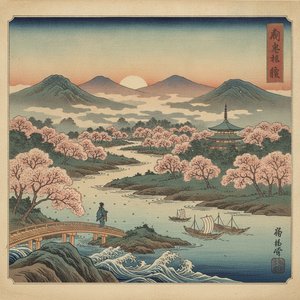
Zen on Canvas: The Timeless Artistry and Spiritual Depth of Japanese Landscape Painting
Explore the profound beauty of Japanese landscape painting. From Hokusai's iconic vistas to Zen-inspired compositions, discover the spiritual depth and historical mastery of Ukiyo-e art in this expert cultural retrospective.
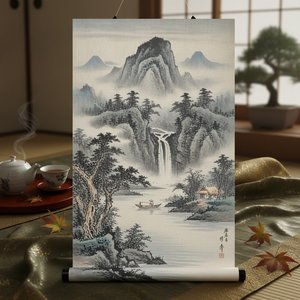
Serenity on Canvas: A Guide to the Timeless Beauty of Japanese Landscape Painting
Discover the serene beauty of Japanese landscape painting. From Hokusai's iconic woodblock prints to meditative sumi-e ink washes, explore a visual journey through the 'floating world' and learn how to bring this timeless Zen aesthetic into your modern home decor.
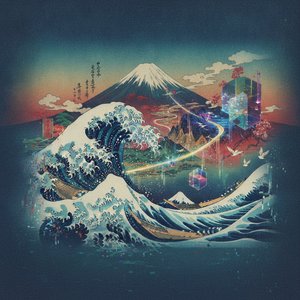
Beyond the Great Wave: The High-Impact Visual Revolution of Japanese Landscape Art
Go beyond Hokusai's Great Wave. Explore the high-impact, graphic world of Japanese Ukiyo-e landscapes and urban prints. Discover how these bold, vibrant woodblock masterpieces continue to shape modern pop culture and contemporary design aesthetics.

Raja Ravi Varma: Bridging Tradition & Modernity in 19th-Century Indian Art
Explore the life & art of Raja Ravi Varma, a pioneer who fused European techniques with Indian iconography. Discover his iconic paintings, lasting legacy, and influence on modern Indian art at OriginalUniqueArt.
