

 Podgląd w skali 1:1
 Wyślij jako kartkę
 Udostępnij
 Szczegóły dzieła
 Przewodnik

 Pobierz obraz
 Podobne obiekty
 RTG
RTG Pokaz slajdów
 Statystyki
The Ladies
 Oil On Canvas
- WallArt
- Figurative Expressionism
 Modern
 75.0 x 75.0 cm
 Kerala Museum
 Rozwiń treść
Dzieło sztuki prezentowane na tej stronie podlega ochronie prawem autorskim, co oznacza, że nie mamy prawa do tworzenia ani sprzedaży jego identycznej reprodukcji. Ochrona ta jest egzekwowana na mocy umów międzynarodowych, takich jak Konwencja berneńska oraz przez przepisy prawa krajowego, w tym te określone w Prawo autorskie USA – Tytuł 17.
Metoda ta jest w pełni zgodna z przepisami prawa autorskiego, ponieważ nie polega na kopiowaniu ani powielaniu chronionego dzieła. Stanowi ona kreatywną reinterpretację – nowy obraz, który czerpie inspirację z oryginału, ale nie jest z nim tożsamy.
Giclée / Wydruk artystyczny
Wydruki giclée lub płótna o jakości muzealnej, szybka realizacja i szeroki wybór opcji wykończenia. ( Zamów ręcznie malowaną reprodukcję Przejdź do wersji cyfrowej)




P118B zł10

P118H zł10

P118W zł10

P438Z zł10

P508JH zł12

P508YH zł12

P805H zł10

P805Z zł10

P919BZ zł10

P919G zł10

P919XJ zł10

P959ZH zł10

P968JZ zł12

W106C zł8

W218G zł10

W218JH zł8

W218Y zł10

W307PJ zł10

W316G zł10

W316PJ zł8

W316Y zł10

W398PJ zł8

W4111J zł10

W500HY zł15

W500JH zł15

W692G zł12

W849H zł8

W940BG zł15

W953PJ zł8




Wybierz spośród naszych standardowych rozmiarów, które zachowują oryginalne proporcje dzieła sztuki.

Wpisz wymaganą szerokość i wysokość, aby dopasować grafikę do ramy lub ściany. Wydruk można jedynie przyciąć, nigdy nie powiększając go poza oryginalny obraz, dlatego format o innych proporcjach spowoduje utratę części kompozycji. Przed rozpoczęciem druku prześlemy Ci cyfrowy podgląd do zatwierdzenia. Obraz wyświetlany na tej stronie nie pokazuje rzeczywistego przycięcia — jedynie podgląd oddaje ten efekt.
Dostawa na cały świat () w ciągu 2 tygodni zamiast standardowych 4/5 tygodni. (26 Październik)

Bezpłatna ekspresowa wysyłka na cały świat

Wysokiej jakości płótno lniane

Pełne ubezpieczenie przesyłki

Gwarancja zwrotu należności celnych i podatków importowych

Gwarancja wiernego odwzorowania kolorów

100-dniowa polityka zwrotów (tylko w przypadku wad)

Gwarancja 100% zwrotu pieniędzy

Zniżka przy zakupie wielu sztuk
 Opcja ze szkłem jest dostępna wyłącznie w rozmiarach poniżej 110 cm

The Ladies
Giclée / Wydruk artystyczny
Wymiary reprodukcji
-


Cena całkowita
zł 307
A Study in Quiet Contemplation: Unveiling ‘The Ladies’ by a. selvaraj
a. selvaraj's “The Ladies” is more than just a depiction of five women; it’s an immersive exploration of emotion, movement, and the enduring power of storytelling – themes deeply rooted in his origins within the vibrant world of classical Indian dance. Born in 1943 in Gudiyattam, Tamil Nadu, Selvaraj's artistic journey began not with formal training but with a profound connection to the rhythmic grace and expressive narratives of traditional dance forms. This early immersion profoundly shaped his approach to art, influencing his deliberate use of angular lines, simplified forms, and a flattened perspective – hallmarks that resonate within this compelling work.
- Stylistic Influences: The artwork’s style draws heavily from figurative expressionism and cubism, evident in the abstracted representation of the figures. Selvaraj skillfully manipulates geometric shapes—rectangles and curves—to convey a sense of dynamic movement and volume, creating an almost sculptural quality within the composition.
- Color Palette & Technique: The dark background dramatically highlights the vibrant hues employed for the women’s clothing and skin tones – yellows, reds, and blues – adding to the painting's emotional intensity. Selvaraj masterfully utilizes oil paint on canvas, achieving a smooth surface with subtle shading that enhances the figures’ form and depth.
Decoding the Enigmatic Figures
The composition centers around these five women, arranged closely together in a manner that suggests both intimacy and restrained emotion. Their postures and expressions evoke a sense of quiet contemplation, hinting at unspoken narratives and perhaps a shared experience of melancholy. The limited perspective creates a shallow space where elements appear close together, intensifying the viewer’s engagement with the figures and their emotional state. It's not a portrait in the traditional sense; rather, it’s an evocative study of human feeling.
The artist’s deliberate use of angular lines and geometric shapes contributes to this enigmatic quality. They don’t simply depict the women; they capture a fleeting moment of intense emotion, frozen in time. The overall effect is one of profound stillness punctuated by subtle gestures that speak volumes about the inner lives of these figures.
Historical Context & Artistic Intent
Created by a. selvaraj around 1980, “The Ladies” reflects a significant shift in artistic sensibilities – a move away from purely representational art towards more subjective and emotionally driven expressions. While rooted in the traditions of Indian dance, Selvaraj’s work transcends cultural boundaries, tapping into universal themes of human experience. His background as a farmer's son informs his perspective, lending a quiet dignity and groundedness to his artistic vision.
The painting’s enduring appeal lies not only in its technical skill but also in its ability to resonate with viewers on an emotional level. It invites contemplation about the complexities of human relationships, the nature of emotion, and the power of movement – all themes central to Selvaraj's artistic practice.
Dimensions & Reproduction
This striking artwork is presented as a 75 x 75 cm canvas reproduction, meticulously crafted to capture every nuance of the original. OriginalUniqueArt offers this piece as a hand-painted replica, ensuring unparalleled quality and authenticity. Perfect for collectors seeking a unique statement piece or interior designers looking to infuse their spaces with a touch of evocative beauty.
Pytania i odpowiedzi
Jakie kolory dominują w „The Ladies” – A. Selvaraj?
„The Ladies” charakteryzuje się paletą Earthy, w której dominuje Espresso (#363128).
Jaki nastrój i emocje wyraża „The Ladies” – A. Selvaraj?
Nastrój utrwalony w „The Ladies” – A. Selvaraj to Dramatic, a jego ton emocjonalny to Melancholic.
W jaki sposób nurt i epoka przenikają się w „The Ladies” – A. Selvaraj?
"The Ladies" należy do nurtu Figurative Expressionism, a jego twórca tworzył w epoce Modern.
Biografia artysty
A Life Immersed in Rhythm and Hue
Born in the Tamil Nadu town of Gudiyattam in 1943, a. selvaraj’s artistic path was not predetermined but discovered through a passionate surrender to the expressive power of classical Indian dance. Initially destined for an engineering career—a pragmatic choice reflecting his family's background as humble farmers—Selvaraj found himself irresistibly drawn to the sensuous movements and profound storytelling inherent in traditional dance forms. This burgeoning fascination proved transformative, leading him to abandon his technical studies and wholeheartedly dedicate himself to the pursuit of drawing and painting. It was a bold decision, one that signaled the beginning of a lifelong exploration into translating the ephemeral beauty of movement onto the enduring surface of canvas. His early years were marked by this quiet rebellion, secretly honing his skills while immersed in the world of dance, absorbing its rhythms and emotional nuances.The Cholamandal Embrace and Artistic Development
A pivotal moment arrived with Selvaraj’s acceptance as a life member of the prestigious Cholamandal Artists' Village in Madras (now Chennai) in 1966. This community, founded on principles of artistic freedom and collaborative spirit, proved to be an invaluable crucible for his development. Surrounded by fellow artists, he was exposed to diverse perspectives and encouraged to refine his unique voice. The Cholamandal provided not just a physical space but also a nurturing environment where experimentation flourished and individual styles were forged. Selvaraj’s work began to coalesce around a central theme: the depiction of classical Indian dance. He wasn't merely illustrating poses; he was striving to capture the very *essence* of movement, the underlying emotions, and the spiritual narratives conveyed through this ancient art form. His early training at the Government School of Arts and Crafts provided him with a solid technical foundation, but it was within the Cholamandal that his artistic identity truly began to emerge.Figurative Expressionism and the Language of Color
Selvaraj’s style is best described as figurative expressionism, characterized by stylized forms, angular lines, and a rich, vibrant palette. He employs oil as his primary medium, skillfully manipulating its texture and color to evoke a sense of fluidity and dynamism. His figures are not rendered with photographic realism but rather simplified and imbued with expressive power. The elongation of limbs, the dramatic use of light and shadow, and the bold application of color all contribute to a visual language that is both captivating and emotionally resonant. He doesn’t simply paint what he *sees* in dance; he paints what he *feels*. Works like “The Ladies,” “Krishna,” and “Queen” exemplify his ability to distill complex emotions into striking visual statements. "Lady with Veena" showcases his graceful rendering of the human form, highlighting the elegance inherent in Indian artistic traditions. His paintings are not static representations but rather frozen moments of energy, capturing the fleeting grace of a dancer mid-performance.Recognition and Enduring Legacy
Throughout his career, a. selvaraj has received significant recognition for his contributions to contemporary Indian art. He was honored with the Progressive Painters Association Award in 1986 and the National Painting Award in 1987—testaments to the quality and originality of his work. His paintings have been widely exhibited both within India and internationally, finding their way into prestigious collections such as the National Gallery of Modern Art (NGMA) in New Delhi. Beyond exhibitions, Selvaraj has actively shared his knowledge and expertise through workshops at institutions like the National Institute of Design, Ahmedabad, and Gandhigramam Rural Arts and Crafts Centre, Tamil Nadu, nurturing a new generation of artists. His influence extends beyond his immediate circle, inspiring others to explore the intersection of art and cultural heritage. a. selvaraj stands as an important figure in the Cholamandal Artists’ Village legacy, representing a significant contribution to the development of contemporary Indian art through his unique exploration of classical dance as a central theme. His work continues to resonate with audiences, offering a powerful visual celebration of India's rich artistic traditions and the enduring beauty of human expression. His paintings are not merely images; they are poems written in color and movement.
A. Selvaraj
1943 - , India
Krótka nota
- Artistic Movement Or Style: Figurative Expressionism
- Date Of Birth: 1943
- Full Name: A. Selvaraj
- Nationality: Indian
- Notable Artworks:
- The Ladies
- Krishna
- Queen
- Lady with Veena
- Place Of Birth: Gudiyattam, India
Powiązane artykuły
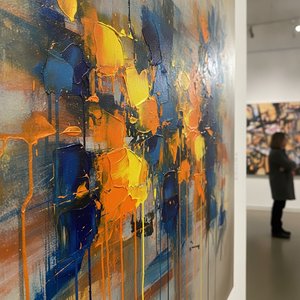
Beyond the Lines: Mastering the High-Impact World of Contemporary Abstraction
Master the high-impact world of contemporary abstraction. Discover how bold colors, textures, and modern movements like Abstract Expressionism can transform your space with premium, high-energy art curated for the design-conscious professional.

25 Arcydzieł Kandinskiego: Kolor, Duchowość i Abstrakcja w Twoim Domu | OriginalUniqueArt.com
Odkryj 25 arcydzieł Wassily Kandinskiego – pioniera abstrakcji i ekspresjonizmu! Poznaj historie, techniki i emocje kryjące się za jego kolorowymi kompozycjami. Reprodukcje obrazów najwyższej jakości na OriginalUniqueArt.com. Eksploruj pełną kolekcję online!

Top 10 arcydzieł ekspresjonizmu abstrakcyjnego – inspiracje dla Twojego wnętrza | OriginalUniqueArt.com
Odkryj 10 arcydzieł ekspresjonizmu abstrakcyjnego – Pollock, Rothko, de Kooning i inni. Poznaj historie artystów, techniki i inspiracje dla Twojego wnętrza. Reprodukcje najwyższej jakości na OriginalUniqueArt.com!

Geometria Sztuki: 10 Arcydzieł Abstrakcji Geometrycznej | OriginalUniqueArt.com
Odkryj 10 arcydzieł abstrakcji geometrycznej! Poznaj historię Mondriana, Kandinskiego i Maleвича. Inspiracje wnętrzarskie z malarstwem abstrakcyjnym – reprodukcje najwyższej jakości na OriginalUniqueArt.com. Eksploruj kolekcję online!
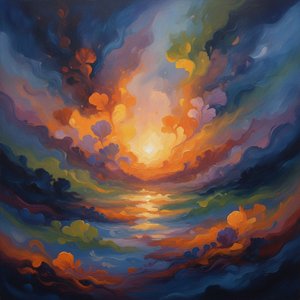
The Soul of Color: A Journey into the Emotional Resonance of Lyrical Abstraction
Embark on a cultural journey through Lyrical Abstraction. Explore how masters like Kandinsky used color and motion to translate emotion into visual poetry. Discover the profound beauty of abstract expressionism and learn to curate emotional resonance in your own art collection.