The Enduring Appeal of Patronage: Why Commissioning Art Matters Today
 The Enduring Allure of Beauty: A History of Representation in Art
Explore the captivating history of beauty in art with OriginalUniqueArt. Discover how aesthetic ideals have evolved through centuries, from ancient masterpieces to modern innovations. Expert insights for collectors.
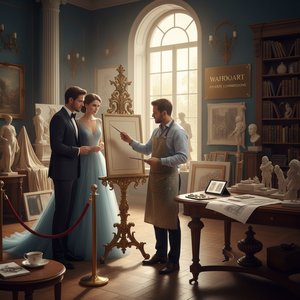
For centuries, art has served not merely as decoration but as a profound expression of identity, status, and cultural values. While reproductions offer accessibility to iconic works, commissioned art represents a return to the historical tradition of patronage – a deeply personal collaboration that imbues spaces with unique meaning and emotional resonance. This impulse, far from being relegated to the annals of history, thrives today in a renewed desire for authenticity and bespoke beauty. Consider the grand frescoes adorning Renaissance palazzos, each brushstroke a testament to the wealth and discerning taste of its commissioner. Or the intimate portraits commissioned by Victorian families, capturing not just likeness but also character and social standing. These were not simply objects; they were statements – declarations of self, lineage, and belief.
Today, the motivations for commissioning art remain diverse but share a common thread: a desire for personalization beyond what mass-produced options can offer. Clients may seek portraits that capture the essence of loved ones, landscapes evoking cherished memories, or abstract compositions reflecting their inner worlds. The process allows for complete control over subject matter, style, size, and color palette, ensuring the artwork seamlessly integrates into the existing aesthetic of a space. It’s about creating something uniquely *yours*, a visual echo of your personal narrative.
The emotional impact of commissioned art is significant. Unlike acquiring a pre-existing piece, which carries its own history and associations, a commission is born from a direct connection between creator and client. This fosters a sense of ownership and intimacy that enhances the artwork’s value – not merely monetary but also sentimental. A portrait, for example, becomes more than just an image; it's a tangible representation of relationships, memories, and personal history.
Finding Your Artistic Visionary: Selecting the Right Artist for Your Project
 frederick hawkesworth s shepherd
Explore the elegant interiors & portraits of Frederick Hawkesworth Shepherd (1877-1948). Admire his British art, showcasing Cambridge & Oxford halls. Discover a master of Victorian painting.
The selection of an artist is paramount to a successful commission. It’s not simply about finding someone with technical skill but rather identifying a creative voice that aligns with the patron's vision and aesthetic sensibilities. The relationship between artist and commissioner is, in essence, a collaboration – a merging of perspectives and ideas.
Researching potential artists requires careful consideration. Online platforms, galleries, and art fairs provide valuable opportunities to discover diverse styles and approaches. Examining an artist’s portfolio is crucial – not just for assessing technical proficiency but also for understanding their thematic concerns, compositional preferences, and overall artistic language. Look beyond the finished pieces; delve into sketches, studies, and works-in-progress – these offer insights into the artist’s creative process and problem-solving abilities.
Beyond technical skill, compatibility is key. A successful commission relies on open communication and a shared understanding between patron and artist. It's essential to engage in conversations about expectations, preferences, and potential challenges before embarking on the project. Consider artists who are receptive to feedback, collaborative in their approach, and able to articulate their creative vision clearly. A review of past commissions can also reveal an artist’s ability to translate a client’s ideas into a tangible reality.
From Concept to Canvas: The Collaborative Process of Commissioned Artwork
Before commissioning an artwork, it’s essential to have a detailed conversation with the artist about your vision. This includes discussing subject matter, style preferences, size requirements, color palette, and overall mood. Providing reference images – photographs, existing artworks, or even inspirational objects – can be incredibly helpful in conveying your aesthetic sensibilities. Think of it as building a shared visual language.
It's also important to establish clear expectations regarding timelines, budget, and revisions. A written contract outlining these details is crucial for protecting both parties. The contract should specify the scope of work, payment schedule, delivery date, and any provisions for addressing potential disputes. This isn’t about formality; it’s about ensuring a smooth and transparent process.
During the consultation, don’t hesitate to ask questions about the artist’s process, materials, and experience. Understanding their approach will provide valuable insights into how they translate ideas into tangible form. A skilled artist will be able to articulate their techniques and explain how they plan to achieve your desired aesthetic.
Color, Composition & Space: Maximizing the Emotional Impact of Your Commission
 The Emotional Palette: Choosing Art by Color & Its Impact on Interior Spaces
Discover how color psychology impacts interior spaces. Expert advice on selecting art to evoke specific moods & enhance your designs. offers custom reproductions & professional consultation.
Color psychology plays a significant role in shaping the emotional impact of an artwork. Understanding how different hues evoke specific moods can inform your commission and enhance the overall aesthetic of your space. Warm colors – reds, oranges, and yellows – tend to be energetic and stimulating, while cool colors – blues, greens, and purples – are often associated with calmness and tranquility.
When commissioning an artwork, consider the desired mood for the space. A vibrant palette might be ideal for a living room or dining area, where social interaction is encouraged, while softer hues could create a more relaxing atmosphere in a bedroom or study. The interplay of colors also matters; complementary colors – those opposite each other on the color wheel – create visual contrast and excitement, while analogous colors – those adjacent to each other – evoke harmony and balance.
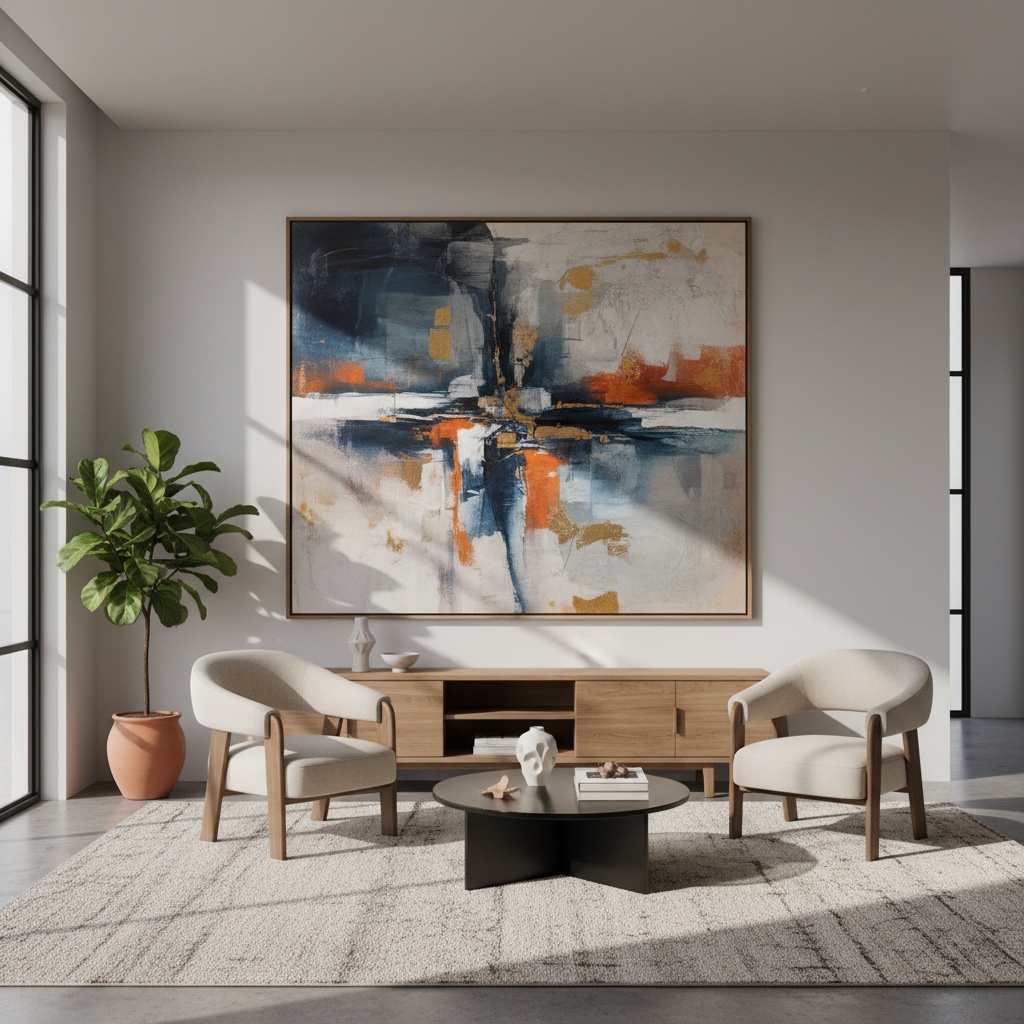
The placement of commissioned art within an interior space is crucial for maximizing its impact. Consider factors such as lighting, scale, and existing décor. Artwork should be positioned strategically to draw the eye and create a focal point. In a living room, a large-scale painting might serve as a centerpiece above a fireplace or sofa. Lighting plays a critical role in showcasing the artwork’s colors and textures; natural light is ideal, but if that's not available, consider using adjustable spotlights to highlight specific areas of the composition.
Beyond Decoration: Personal Narratives and the Value of Bespoke Art
 A Courtesan with Her Procuress
Commissioned portraits offer a unique opportunity to capture the essence of loved ones. These aren’t just static images; they're tangible representations of personality, history, and emotional connection. Think of Hans von Aachen’s *A Courtesan with Her Procuress* – while depicting a specific scene, it also captures a sense of societal values and individual character.
Landscapes evoking cherished memories can transport you back to specific moments in time. Commissioning an artwork based on a favorite vacation spot or childhood home creates a powerful sense of nostalgia and belonging. Eduard Hau’s detailed interior portraits, for example, offer glimpses into the lives of Russian aristocracy, preserving a sense of place and history.
Abstract compositions reflecting individual passions – music, literature, or nature – allow for self-expression and creative exploration. These pieces become visual embodiments of your inner world. The works of Francis Bacon, like *August*, though often unsettling, powerfully convey the complexities of human emotion and experience.
Investing in Artistry: The Long-Term Benefits of a Custom Creation
Investing in commissioned artwork is an investment in artistry, personalization, and enduring value. It's a statement of individual style and a celebration of creative expression. Unlike mass-produced art, commissioned pieces are one-of-a-kind creations that reflect the unique vision of both patron and artist. This inherent exclusivity adds to their intrinsic value.
The process fosters a direct connection with the artist, creating a sense of ownership and intimacy that enhances the artwork’s sentimental worth. Commissioned art can also appreciate in value over time, particularly if the artist gains recognition or establishes a strong reputation. It's an investment that can be enjoyed for generations.
At OriginalUniqueArt.com, we believe that everyone deserves to experience the joy of owning unique and meaningful artwork. We offer a curated selection of skilled artists, personalized consultations, and museum-quality reproductions to help you bring your vision to life. From initial concept to final delivery, our team is dedicated to providing exceptional service and creating a piece that will be treasured for years to come. Explore the possibilities today and discover how commissioned art can transform your space into a reflection of your individual style and emotional landscape.