Introduction: The Timeless Quest for Aesthetic Perfection
Beauty is commonly described as a feature of objects that makes them pleasurable to perceive. Such objects include landscapes, sunsets, humans and works of art. Beauty, art and taste are the main subjects of aesthetics, one of the fields of study wit...
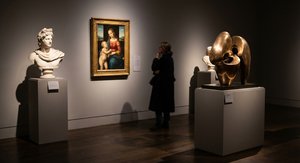
The pursuit of beauty is arguably as old as consciousness itself. From the earliest cave paintings to the most avant-garde contemporary installations, humanity has consistently sought to capture, define, and understand what constitutes aesthetic perfection. But beauty isn’t a static concept; it's a fluid ideal shaped by cultural contexts, philosophical currents, and individual sensibilities. For the discerning collector, understanding this evolution is not merely an academic exercise—it’s key to appreciating the depth and nuance of artistic expression across time, and ultimately, making informed choices that resonate with personal vision.
Ancient Roots: Beauty as Harmony, Proportion, and Divinity
The foundations of Western aesthetic thought lie in ancient Greece. For the Greeks, beauty – or kalos – was inextricably linked to order, harmony, and mathematical proportion. Sculptors like Phidias strived for an idealized human form based on precise ratios, believing that physical perfection reflected a divine order inherent in the universe. This emphasis on balance extended beyond the purely visual; it permeated their architecture, poetry, and philosophy. Egyptian art, while distinct, also prioritized harmony, though expressed through symbolic representation and rigid conventions designed to ensure continuity and reflect religious beliefs. The serene symmetry of Nefertiti’s bust, for example, isn't simply a depiction of physical attractiveness but an embodiment of royal power and divine grace. These early civilizations established a precedent: beauty wasn’t merely about pleasing the eye; it was a conduit to something greater—a reflection of cosmic principles or spiritual truths.
The Renaissance Rediscovery: Humanism and the Ideal Form
 Bridging Centuries: Artistic Evolution from Baroque to Modernism for the Discerning Collector
Explore the evolution of art from Baroque to Modernism with . Expert insights for discerning collectors seeking investment-worthy masterpieces & custom reproductions.
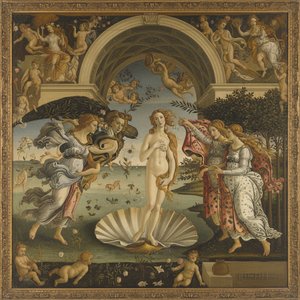
The Renaissance witnessed a profound re-engagement with classical ideals, fueled by a renewed interest in humanism. Artists like Sandro Botticelli, in his ethereal “Birth of Venus,” celebrated the beauty of the human form as a testament to God’s creation. However, this wasn't simply a replication of ancient forms; it was an infusion of Christian theology and a burgeoning scientific understanding of anatomy. Leonardo da Vinci’s “Mona Lisa” exemplifies this shift—her enigmatic smile and subtle sfumato technique suggest not just physical beauty but also inner life and psychological complexity. The Renaissance painter sought to capture the individual, imbuing their works with a sense of realism previously unseen. This period marked a move towards portraying beauty as something attainable, relatable, yet still possessing an inherent nobility.
From Romanticism to Realism: Shifting Perceptions of Beauty in the 19th Century
 Young Girl
The 19th century saw a dramatic fracturing of established aesthetic norms. Romanticism rejected the classical emphasis on order and reason, embracing emotion, subjectivity, and the sublime power of nature. Artists like Eugène Delacroix prioritized passion and drama over precise representation, finding beauty in untamed landscapes and turbulent emotions. This was followed by Realism, which challenged idealized depictions altogether, focusing instead on portraying everyday life with unflinching honesty. Gustave Courbet’s paintings, for example, depicted the lives of ordinary people without embellishment, questioning traditional notions of what constituted a worthy subject for art. Even within Impressionism, while focused on capturing fleeting moments of light and color, artists like Pierre-Auguste Renoir explored beauty in the everyday – a “Young Girl” bathed in sunlight becoming a symbol of youthful innocence rather than aristocratic grace. This period demonstrated that beauty could be found not just in grand narratives or idealized forms but also in the mundane realities of human existence.
Modern Disruptions: Challenging Conventions and Redefining Aesthetic Values
The 20th century witnessed a radical dismantling of traditional aesthetic conventions. Movements like Cubism, Surrealism, and Abstract Expressionism actively rejected representational accuracy, prioritizing form, color, and emotional expression over literal depiction. Pablo Picasso’s “Jaime Sabartés with a Pin-up,” for instance, blends Pop Art sensibilities with the dreamlike logic of Surrealism, creating an unsettling yet compelling image that challenges conventional notions of beauty. The rise of photography also played a crucial role, freeing painting from its obligation to mimic reality and allowing artists to explore new avenues of expression. This era questioned the very definition of art itself—was beauty inherent in the object or solely in the eye of the beholder? The answer became increasingly subjective, paving the way for a diverse range of artistic styles and approaches.
Beauty Today: A Synthesis of Tradition and Innovation
Contemporary art reflects a complex interplay between tradition and innovation. While some artists continue to explore abstract forms and conceptual ideas, others revisit classical themes and techniques with a modern sensibility. The enduring appeal of figurative painting demonstrates a continued fascination with the human form, but often infused with social commentary or personal narratives. The concept of beauty itself has become increasingly fluid and inclusive, embracing diversity, imperfection, and challenging established norms. For collectors today, this presents an exciting opportunity to explore a vast landscape of artistic expression—to seek out works that not only possess aesthetic merit but also resonate with their own values and perspectives. At OriginalUniqueArt.com, we believe in making the world’s great art accessible to all, offering both meticulously crafted reproductions and opportunities for custom commissions, allowing you to curate a collection that reflects your unique appreciation of beauty across the ages.