

 Se i rommet
 Del som digitalt kort
 Del
Del
 Detaljer
 Studentguide

 Last ned
 Liknende objekter
 Røntgen
 Lysbildefremvisning
 Besøksstatistikk
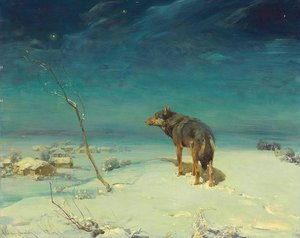
Elijah
 Akryl på lerret
- Veggkunst
- Bezalel School Style
 1916
1916 90.0 x 91.0 cm
 Israelmuseet
 Les mer
Kjøp et høyoppløselig, forbedret digitalt bilde med langt høyere kvalitet enn forhåndsvisningen på nettet.
Hver fil er omhyggelig klargjort av våre egne spesialister ved hjelp av avanserte verktøy og profesjonell manuell retusjering. Vi sørger for at hvert bilde har eksepsjonell klarhet, presis fargegjengivelse og fine detaljer.
Den endelige filen leveres via e-post innen 72 timer, optimalisert for umiddelbar bruk i profesjonelle, redaksjonelle og trykte miljøer. Dette er den samme kvaliteten som benyttes av ledende designstudioer, utgivere og gallerier.
Digitalt bilde
Last ned en høyoppløselig fil til personlig bruk, utskrift og kreative prosjekter. ( Bytt til trykkversjon Bestill håndmalt reproduksjon)
Inkludert i alle bestillinger av digitale bilder
Profesjonell digital levering, garantert
Når du velger OriginalUniqueArt.com, får du ikke bare et bilde – du mottar et profesjonelt etterbehandlet digitalt kunstverk, skapt med presisjon og med en garantert tilfredshetsgaranti. Her er alt som automatisk følger med din bestilling:

Rask levering på e-post
Din høyoppløselige digitale bildefil sendes til din e-post innen 72 timer etter bestilling – klar til umiddelbar bruk.

KI-forbedret digital fil
Ditt kunstverk blir profesjonelt optimalisert ved hjelp av avanserte AI-verktøy og manuell redigering, noe som sikrer maksimal detaljrikdom, klarhet og fargegjengivelse.

Gratis livslang nybestilling
Har du ved et uhell slettet eller mistet filen din? Ingen bekymring – vi sender den på nytt når som helst, helt gratis.

Ingen importavgifter – noen gang
Nyt ditt kunstverk umiddelbart uten toll, avgifter eller leveringskostnader – digitale nedlastinger er alltid avgiftsfrie.

Garantert fargenøyaktighet
Vi sikrer at det digitale bildet gjenspeiler de originale fargene så nøyaktig som mulig ved hjelp av profesjonelle verktøy og fargehåndtering.

100 dagers tilfredshetsgaranti
Hvis du ikke er fornøyd med ditt digitale bilde, vil vi revidere det eller refundere 100% innen 100 dager – uten spørsmål.

100% Penggaranti
Ikke fornøyd? Få full refusjon innen 100 dager etter at du har mottatt din digitale fil – uten spørsmål.

Rabatt ved storkjøp
Kjøp 3 bilder, spar 10% - Kjøp 5, spar 15% - Kjøp 10+, spar 20%. Ideelt for kreative prosjekter, gallerier og byråer.
Elijah – Et Kunstverk Fra Bezalel Skolen
“Elijah” av Wolf Rawicki er et ikonisk verk fra Bezalel Skolen, grunnlagt i Jerusalem i 1906 og representerer en betydelig milepæl innen israelsk kunsthistorie. Dette monumental veggmaleri ble malt i 1916 og er nå tilgjengelig som en eksklusiv reproduksjon av OriginalUniqueArt.com. Kunstverket fascinerer ved sin detaljerte komposisjon og bruk av klassiske Bezalel stilteknikker, noe som gjenspeiler skolens mål om å fremme nasjonal stolthet gjennom bibelske temaer og symbolikk.- Kunstner: Wolf Rawicki (Ravitzki)
- Årstal: 1916
- Dimensjoner: 90 x 91 cm
- Museet: The Israel Museum (Jerusalem, Israel)
- Teknikk: Embroidered Art
Spørsmål og svar
Hvor intense er fargene i "Elijah" av Wolf Rawicki (Ravitzki)?
Fargeintensiteten til "Elijah" er Monokromatisk. Intensitet beskriver hvor sterke fargene fremstår.
Hvor lys eller mørk oppleves "Elijah" av Wolf Rawicki (Ravitzki) som?
Når det gjelder oppfattet lysstyrke, er "Elijah" av Wolf Rawicki (Ravitzki) strålende.
Hvor mye lys ser fargene i "Elijah" ut til å reflektere?
"Elijah" av Wolf Rawicki (Ravitzki) har en luminans på Lyssterk. Luminans beskriver hvor mye lys fargene ser ut til å reflektere.
Kunstnerbiografi
The Pioneering Vision of Ze’ev Raban: From Rawicki to the Soul of Israeli Art
Ze’ev Raban, born Wolf Rawicki in Kaunas, Russia, in 1890, stands as a monumental figure in the genesis of Israeli art. His journey wasn't merely that of an artist finding his voice; it was the forging of a new aesthetic identity for a nation yearning to express itself. Rawicki’s early life, steeped in the cultural currents of Eastern Europe, laid the foundation for a career dedicated to synthesizing tradition and modernity, culminating in works that became iconic symbols of a burgeoning national consciousness. He wasn't simply *a* painter; he was an architect of visual culture, deeply involved in shaping the artistic landscape of the nascent State of Israel.
Early Formation & The Bezalel School
Rawicki’s formal training took him across Europe – Munich, Paris, and Brussels – exposing him to the prevailing styles of the early 20th century. He absorbed the lessons of Jugendstil, Symbolism, and Art Nouveau, but these influences were never adopted wholesale. A crucial turning point came with his arrival at Bezalel Academy in Jerusalem in 1906. Bezalel, founded by Boris Schatz, was more than an art school; it was a crucible for creating a distinctly “Hebrew style.” This wasn’t about replicating historical forms but rather excavating the spirit of Jewish culture and translating it into contemporary artistic expression. Raban quickly became a central figure in this endeavor, embracing the challenge of defining what that aesthetic might look like.
A Synthesis of Tradition & Modernity
Raban's work is characterized by a remarkable ability to blend diverse influences. He sought inspiration not only from European art movements but also from traditional Jewish crafts, Islamic motifs, and the archaeological discoveries unfolding in Palestine. This fusion manifested in his decorative arts – silver Hanukkah lamps, ceremonial objects, furniture—where intricate carvings and stylized forms evoked ancient patterns while remaining firmly rooted in a modern sensibility. He believed that true Hebrew art wasn’t about imitation but about *interpretation* – distilling the essence of Jewish heritage into new artistic languages. His designs weren't merely beautiful; they were imbued with symbolic meaning, reflecting a deep connection to history and faith.
Major Achievements & The Capitoline Wolf
While Raban excelled in numerous mediums, his impact extended beyond individual artworks. He was instrumental in establishing the aesthetic principles of early Israeli design, influencing everything from typography to public monuments. Perhaps his most enduring legacy is the “Capitoline Wolf,” a silver menorah created for the Hebrew University on Mount Scopus in 1926. This piece, inspired by the Roman wolf that suckled Romulus and Remus, became a powerful symbol of Jewish resilience and national aspiration. It wasn’t simply a religious object; it was a statement about reclaiming heritage and forging a new future. The menorah's design, incorporating stylized Hebrew letters and motifs, resonated deeply with the Zionist movement and solidified Raban’s position as a leading artistic voice.
Historical Significance & Lasting Influence
Ze’ev Raban died in 1970, leaving behind a body of work that continues to inspire. He wasn't just an artist; he was a cultural pioneer who helped define the visual identity of Israel. His commitment to synthesizing tradition and modernity, his dedication to creating a distinctly Hebrew aesthetic, and his ability to imbue objects with profound symbolic meaning cemented his place as one of the most important figures in Israeli art history. His influence can be seen in the work of subsequent generations of artists and designers, who continue to grapple with the challenges of balancing cultural heritage with contemporary expression. Raban’s legacy is a testament to the power of art to shape national identity and inspire a sense of belonging.
Wolf Rawicki (Ravitzki)
1890 - 1970 , Russia
Kort om kunstneren
- Full Name: Ze'ev Raban
- Nationality: Israeli
- Date Of Birth: 1890
- Date Of Death: 1970
- Place Of Birth: Kaunas, Russia
- Notable Artworks:
- Elijah
- Standing Hanukkah Lamp
- Capitoline Wolf
- Artistic Movement Or Style: Bezalel School Style