Bytt til trykk
 Vis hele teksten







































 For kunstverk eller reproduksjoner som er større enn 105 cm (ca. 41 tommer) på noen side, vil rammen bli sendt som et sett som må monteres. Denne metoden sikrer trygg levering og forhindrer skader under transport.


Winslow Homer: A Brush with the American Spirit – Exploring “Sponge Fishing”
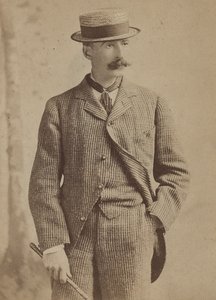
Winslow Homer (1836-1910) wasn’t sculpted by the traditional European art academies that shaped so many of his contemporaries. Instead, he emerged from a distinctly American experience, one rooted in practicality and observation. His journey began not with grand historical canvases, but as a commercial illustrator at the tender age of twelve for Harper's Weekly. This early apprenticeship was formative, honing an exceptional ability to capture scenes with clarity and detail – skills that would become hallmarks of his mature work. He wasn’t learning perspective in Paris; he was learning to *see* America, its people, and its unfolding story. The bustling streets of Boston, the quiet dignity of rural New England life, these were his first subjects, rendered with a precision born of necessity for the demands of print media. This foundation allowed him to transition into painting, ini- Subject Matter: Homer’s “Sponge Fishing,” created in 1885 and currently residing within the Canajoharie Library and Art Gallery, offers a captivating window into the daily rhythms of life along the shores of Nassau, Bahamas. More than just a depiction of fishermen at work, this watercolor masterpiece is a testament to Homer’s remarkable ability to capture both the tangible details of a scene and the intangible essence of human connection.
- Style: The painting exemplifies Homer’s signature style – loose brushstrokes and subtle gradations of color—creating an almost ethereal quality. He eschewed romanticism, presenting the labor of sponge gathering with honest realism.
The Scene Unfolds: Everyday Life at Sea
“Sponge Fishing” portrays a group of men engaged in the vital industry that sustained many Bahamian communities during the late 19th century. Homer masterfully avoids romanticizing the work; instead, he presents it with an honest and unvarnished realism. We see them hauling nets, mending gear, and simply conversing – a tableau of quiet camaraderie amidst the demanding labor of sponge gathering. A notable detail is the inclusion of a dog, patiently awaiting attention on one of the boats, adding a touch of domesticity and warmth to this otherwise stoic scene. The composition itself is carefully balanced, with the large boat anchoring the center of the frame while figures are scattered throughout, suggesting both activity and a shared purpose. Homer’s use of light is particularly noteworthy; it bathes the scene in a golden glow, highlighting the textures of the boats and clothing and imbuing the entire painting with an almost dreamlike quality.- Composition: Homer skillfully balances the frame, emphasizing the central boat while distributing figures strategically to convey movement and unity.
- Light & Color Palette: The luminous palette—soft blues and greens dominating the sky and water—contrasted by earthy tones—creates a sense of tranquil warmth despite the ruggedness of the subject matter. Homer’s masterful use of light enhances depth and atmosphere, lending an ethereal quality to the image.
Winslow Homer: A Master of American Realism
Winslow Homer (1836-1910) was a pivotal figure in 19th-century American art, renowned for his ability to portray everyday life and the natural world with unparalleled sensitivity and skill. Unlike many artists of his time who pursued formal training abroad, Homer developed his distinctive style through observation and self-directed study, initially focusing on commercial illustration before transitioning to painting. His early works often depicted idyllic rural scenes, but he steadily evolved, embracing a more direct and emotionally resonant approach. Homer’s preference for watercolor allowed him to achieve remarkable luminosity and transparency – qualities that are particularly evident in “Sponge Fishing.” He expertly utilized the medium's inherent fluidity to capture the movement of water and the subtle shifts in light, creating an image that feels both immediate and enduring. His work is often associated with American Realism, but it also possesses a deeply personal and evocative quality that transcends simple categorization. Homer’s unwavering dedication to capturing authentic human experience cemented his legacy as one of America's greatest painters. Note: Explore more about Winslow Homer’s life and artistic journey on Wikipedia: WikipediaWatercolor Technique – A Symphony of Light and Transparency
The beauty of “Sponge Fishing” lies not only in Homer’s technical skill but also in the expressive potential of watercolor itself. This medium allows for an unparalleled sense of depth and luminosity, as colors bleed into one another and create a shimmering effect. The translucent nature of watercolors creates an illusion of space and atmosphere, making the scene feel remarkably alive. Homer's layering of washes builds up subtle variations in tone and color, adding richness and complexity to the image. Notice how he uses delicate highlights to define the forms of the boats and figures, while allowing the background to fade into a hazy blue – a technique that enhances the sense of distance and creates a feeling of openness. The painting’s overall effect is one of ethereal beauty, capturing not just a moment in time but also the spirit of place and the dignity of labor.Owning a Piece of History – Reproductions Available
OriginalUniqueArt offers meticulously crafted, handmade oil paintings reproductions of Winslow Homer’s “Sponge Fishing,” allowing art lovers to experience the beauty and emotional depth of this iconic work firsthand. These reproductions faithfully capture the original’s luminous colors, delicate brushstrokes, and evocative atmosphere, providing a stunning addition to any home or office. For those seeking a deeper understanding of Homer’s life and work, we encourage you to explore the extensive resources available on OriginalUniqueArt.com and Wikipedia. Don't miss the opportunity to own a tangible connection to this remarkable American artist and his timeless masterpiece.Spørsmål og svar
Hvilken periode i Winslow Homer sin karriere tilhører "Sponge Fishing"?
I Winslow Homer sin karriere tilhører "Sponge Fishing" Mature Period. Denne perioden gjør det mulig å sammenligne verket med kunstnerens øvrige arbeider.
Hvilket nasjonalt opphav ligger bak American Realism i "Sponge Fishing"?
"Sponge Fishing" knytter American Realism-bevegelsen til USA gjennom skaperens fødested.
Hvor kjent er "Sponge Fishing" av Winslow Homer?
"Sponge Fishing" av Winslow Homer har et Ikonisk popularitetsnivå. Denne klassifiseringen gjenspeiler hvor utbredt verket er anerkjent.
 Forhåndsvisning
 Send
Send Del
Del
 Vis detaljer
 Utskriftsvennlig guide

 Last ned bilde
 Liknende objekter
 Røntgenundersøkelse
 Lysbildefremvisning
 Spørsmål og svar
 Statistikk