Tekststørrelse

() ·

Et maleri laget til deg, med håndverk

Dressing for the Carnival

Håndlaget oljereproduksjon

Håndmalt olje på lerret i din valgte størrelse og ramme, laget på bestilling av våre kunstnere. ( Bytt til trykk Bytt til digitalt bilde)

Beskrivelse av objektet

Winslow Homer's "Dressing for the Carnival" captures a poignant scene of African American preparation for a Fourth of July celebration, blending cultural traditions and reflecting post-Reconstruction America.

Om kunstneren

Winslow Homer (1836-1910): Amerikansk realistisk kunstner kjent for sine kraftfulle bilder av hav og landskap! Opplev klassiske verk som Breezing Up og Gulf Stream.

fra ·

Kapittel 1

Hvor stor bør den være?

Skyv for å endre størrelsen; bildet til venstre viser rammen i sin faktiske bredde. Originalens proporsjoner er bevart.

Standardformat
skreddersydd
CM
INCH

Velg mellom våre forhåndsdefinerte størrelser som bevarer kunstverkets opprinnelige proporsjoner.

bredde
høyde

Skriv inn ønsket bredde og høyde for å tilpasse bildet til din ramme eller vegg. Siden dette er håndmalt, kan kunstneren male litt mer rundt motivet eller beskjære det noe dersom du velger et annet format — valget er ditt. Vi sender deg en digital mockup til godkjenning før maleriet påbegynnes. Bildet som vises på denne siden representerer ikke det faktiske resultatet — kun mockuppen viser det endelige uttrykket.

Kapittel 2

Hvordan skal det leveres?

Velg kantutførelse på lerretet

Velg din ramme

Corner sample of the WhiteWrap canvas edge finish, stretched on massivt tre bars
Hvit kant Nkr1
Corner sample of the BlurSideWrap canvas edge finish, stretched on massivt tre bars
Uskarp kantfinish Nkr1
Corner sample of the ExtendedWrap canvas edge finish, stretched on massivt tre bars
Fortsatt motiv Nkr1
Corner sample of the P118B picture frame: støpt polystyren, 5 cm wide and 3 cm thick
P118B Nkr10
Corner sample of the P118H picture frame: støpt polystyren, 5 cm wide and 3 cm thick
P118H Nkr10
Corner sample of the P118W picture frame: støpt polystyren, 5 cm wide and 3 cm thick
P118W Nkr10
Corner sample of the P438Z picture frame: støpt polystyren, 5.5 cm wide and 3.5 cm thick
P438Z Nkr10
Corner sample of the P508JH picture frame: støpt polystyren, 7 cm wide and 3.5 cm thick
P508JH Nkr12
Corner sample of the P508YH picture frame: støpt polystyren, 7 cm wide and 3.5 cm thick
P508YH Nkr12
Corner sample of the P805H picture frame: støpt polystyren, 5 cm wide and 3.5 cm thick
P805H Nkr10
Corner sample of the P805Z picture frame: støpt polystyren, 5 cm wide and 3.5 cm thick
P805Z Nkr10
Corner sample of the P919BZ picture frame: støpt polystyren, 7 cm wide and 3.5 cm thick
P919BZ Nkr10
Corner sample of the P919G picture frame: støpt polystyren, 7 cm wide and 3.5 cm thick
P919G Nkr10
Corner sample of the P919XJ picture frame: støpt polystyren, 7 cm wide and 3.5 cm thick
P919XJ Nkr10
Corner sample of the P959ZH picture frame: støpt polystyren, 5 cm wide and 3 cm thick
P959ZH Nkr10
Corner sample of the P968JZ picture frame: støpt polystyren, 6 cm wide and 4 cm thick
P968JZ Nkr12
Corner sample of the W106C picture frame: massivt tre, 5 cm wide and 3 cm thick
W106C Nkr8
Corner sample of the W218G picture frame: massivt tre, 5 cm wide and 3 cm thick
W218G Nkr10
Corner sample of the W218JH picture frame: massivt tre, 5 cm wide and 3 cm thick
W218JH Nkr8
Corner sample of the W218Y picture frame: massivt tre, 5 cm wide and 3 cm thick
W218Y Nkr10
Corner sample of the W307PJ picture frame: massivt tre, 6 cm wide and 3 cm thick
W307PJ Nkr10
Corner sample of the W316G picture frame: massivt tre, 6 cm wide and 3 cm thick
W316G Nkr10
Corner sample of the W316PJ picture frame: massivt tre, 6 cm wide and 3 cm thick
W316PJ Nkr8
Corner sample of the W316Y picture frame: massivt tre, 6 cm wide and 3 cm thick
W316Y Nkr10
Corner sample of the W398PJ picture frame: massivt tre, 5 cm wide and 3 cm thick
W398PJ Nkr8
Corner sample of the W4111J picture frame: massivt tre, 6.5 cm wide and 3.5 cm thick
W4111J Nkr10
Corner sample of the W500HY picture frame: massivt tre, 7 cm wide and 5 cm thick
W500HY Nkr15
Corner sample of the W500JH picture frame: massivt tre, 7 cm wide and 5 cm thick
W500JH Nkr15
Corner sample of the W692G picture frame: massivt tre, 8 cm wide and 4 cm thick
W692G Nkr12
Corner sample of the W849H picture frame: massivt tre, 5 cm wide and 3 cm thick
W849H Nkr8
Corner sample of the W940BG picture frame: massivt tre, 7.5 cm wide and 4.5 cm thick
W940BG Nkr15
Corner sample of the W953PJ picture frame: massivt tre, 6 cm wide and 3.5 cm thick
W953PJ Nkr8
Corner sample of the H24-GOLD picture frame: utskåret tre med gesso, 10 cm wide and 6 cm thick
H24-GOLD Nkr30
Corner sample of the H24-SILVER picture frame: utskåret tre med gesso, 10 cm wide and 6 cm thick
H24-SILVER Nkr30
Corner sample of the H36-GOLD picture frame: utskåret tre med gesso, 15 cm wide and 6.5 cm thick
H36-GOLD Nkr45
Corner sample of the H36-SILVER picture frame: utskåret tre med gesso, 15 cm wide and 6.5 cm thick
H36-SILVER Nkr45

Profil: . Total størrelse med ramme: .

Kapittel 3

Hvem maler det, og bør noe endres?

Eksempler på hva som kan endres: Erstatt ansikt med kundens eget bilde; Legg til kjæledyr (f.eks. bytt ut katt med hund); Inkluder en skjult melding i bakgrunnen; Endre landskap eller elementer i bakgrunnen.
Etter bestilling vil OriginalUniqueArt.com-teamet sende e-post til kunden for instruksjoner og sende et utkast som forhåndsvisning

Verdensomspennende levering () på 3–4 uker i stedet for standard 5 uker. (8 November). Ingen kompromisser med kvaliteten.

Kapittel 4

De siste detaljene

En navneplate, som på et museum?

Detaljer om gravert bronseplate

This elegant plaque features the artist's name and the title of the artwork, finely engraved for a timeless presentation.

It is made from bronze with a refined, elegant finish. The text is precisely laser-engraved for a sharp and permanent result. Measuring 9x2 cm, the plaque is compact yet easy to read. It's built to be durable and scratch-resistant, offering a professional, museum-quality look. Mounting is simple thanks to the included adhesive backing.

Detaljer om gjennomsiktig akrylplate

The plaque includes essential engraved details such as the artist's name, the title of the artwork, the date it was created, the type of media used-like oil on canvas or watercolor-a brief description of the piece, and a QR code that links to the complete artwork information.

It is crafted from clear acrylic, offering a sleek, modern appearance. The text is UV-engraved in black to ensure strong visual contrast. With a size of 10x15 cm, it ensures optimal readability. It comes equipped with two metal hooks for secure wall mounting. The plaque is designed to be weather-resistant, making it suitable for various environments, and it includes interactive features that work seamlessly with smartphone scanning.

Detaljer om plakett i svart akryl

This elegant plaque includes engraved information such as the artist's name, the title of the artwork, the date it was created, the type of media used (like oil on canvas or watercolor), a short description of the artwork, and a QR code for quick access to more information.

The plaque itself is made from refined black acrylic with a premium finish. The text is laser-engraved in white for high contrast and readability. Its size is 10x15 cm, designed to be easy to read. It comes with two metal hooks for professional mounting. The design is sleek and fits any interior style. It is also weather-resistant and durable, with built-in digital integration for mobile compatibility.

En beskyttende lakk?

Når trenger du det?

Kapittel 5

Ditt maleri, slik du bestilte det

Dressing for the Carnival

Trykkmetode

Størrelse på reproduksjon

-

Utvalgte mesterkunstnere

Mer detaljrikdom, finesse og ekstra produksjonstid

-

Innramming av reproduksjon

-

-

For kunstverk eller reproduksjoner som er større enn 105 cm (ca. 41 tommer) på noen side, vil rammen bli sendt som et sett som må monteres. Denne metoden sikrer trygg levering og forhindrer skader under transport.

Krever profesjonell montering – dette er ikke et DIY-produkt.
Settet må monteres og lerretet strammes av en erfaren profesjonell rammelegger, ved bruk av trelim (følger ikke med), en lerretstang og klemmer for å holde rammelisten vinkelrett mens limet tørker. Feilaktig montering eller ujevn stramming av lerretet kan påføre kunstverket permanente skader og er ikke dekket av vår garanti.

  • Alle massive trelister er inkludert, presist tilpasset i størrelse.

  • Monteres med de medfølgende skruene, samt trelim til hjørnene, som ikke er inkludert og må anskaffes av din rammehandler.

  • Profesjonelt verktøy er nødvendig og er ikke inkludert: en lerretstang (strammer) og klemmer for å holde rammene vinkelrette mens limet tørker.

Viktig:
Hjørnene krever trelim, listene må holdes på plass med tvinger til limet er helt tørt, og stramming av lerretet på den ferdige rammen krever en lerretstang. Ingen av disse produktene er inkludert i settet. Vennligst sørg for tilgang til en erfaren profesjonell rammehandler før du bestiller denne størrelsen.

Navneskilt

-

-

Beskyttende ferniss

Blank lakk (forsterker farger, beskytter mot lys og fuktighet)

-

Tilpass mitt kunstverk

Eksempler på hva som kan endres: Erstatt ansikt med bilde av kunden; Legg til kjæledyr (f.eks. bytt ut katt med hund); Inkluder en skjult melding i bakgrunnen; Endre bakgrunnslandskap eller elementer.

-

Ekspresslevering

Verdensomspennende levering () på 3–4 uker i stedet for standard 5 uker. (8 November). Ingen kompromisser med kvaliteten.

-

Ekspresslevering

Verdensomspennende levering til innen 5 uker. (15 November).

Inkludert frakt

Totalpris for valgte alternativer

Nkr 2869

Totalpris Nkr 2869

Glassalternativet er kun tilgjengelig i størrelser under 110 cm

Inkludert med hver bestilling

  • Gratis ekspressfrakt over hele verden
  • Lerretsduk av lin av høy kvalitet
  • Full transportforsikring
  • Garanti for refusjon av toll og importavgifter
  • Garantert fargegjengivelse
  • 100 dagers returrett ved fabrikasjonsfeil
  • 100% pengene tilbake-garanti
  • Rabatt ved flere kjøp

A Moment of Transition: Winslow Homer’s “Dressing for the Carnival”

Winslow Homer's "Dressing for the Carnival," painted in 1877, isn’t merely a depiction of a festive gathering; it’s a poignant meditation on cultural displacement and the evolving spirit of America. This oil painting, measuring just over a foot square, immediately draws the viewer into a scene brimming with quiet anticipation – a snapshot frozen in time as a group prepares to celebrate the Fourth of July. Homer masterfully captures not the boisterous revelry often associated with such events, but rather a moment of focused preparation, imbued with a subtle undercurrent of melancholy and transformation.

The painting’s central figure is a man being adorned in elaborate costume – a Harlequin-like character reminiscent of European comic theater. Notice the deliberate layering of fabrics: strips of vibrant yellow, red, and blue are meticulously sewn onto his attire, drawing directly from African ceremonial dress and the traditions of Jonkonnu, a Caribbean festival celebrated by enslaved people in Virginia and North Carolina. This blending of influences is crucial to understanding Homer’s intent; he isn't simply portraying a party; he’s illustrating how elements of African culture were being integrated – sometimes awkwardly, sometimes with a sense of loss – into the burgeoning American identity following emancipation.

Realism in Detail: Technique and Composition

Homer’s signature Realist style is powerfully evident here. He eschews romanticized depictions, opting instead for an almost photographic level of detail. The textures of the fabrics—the rough weave of burlap, the delicate folds of silk—are rendered with astonishing accuracy. The artist's use of light and shadow creates a sense of depth and immediacy, pulling us into the scene as if we are witnesses to this intimate ritual. Observe how he subtly emphasizes the faces of the women involved in the dressing process – their expressions conveying both concentration and a quiet awareness of the historical context.

The composition itself is carefully orchestrated. The arrangement of figures—some clustered closely, others positioned further back—creates a dynamic sense of movement and interaction. A horse stands patiently in the background, adding to the lively atmosphere without dominating the scene. Homer’s strategic use of space directs our eye towards the central figure, reinforcing his importance within the narrative. The limited palette – dominated by earthy tones punctuated by bursts of color – further enhances the painting's visual impact.

Historical Context and Symbolic Weight

“Dressing for the Carnival” was originally titled “Sketch–4th of July in Virginia,” reflecting its origins during Homer’s time as an artist-correspondent documenting life in the South following the Civil War. This period was marked by profound social upheaval and a complex negotiation between Reconstruction ideals and the realities of racial inequality. The painting's creation coincided with a brief period of legal rights for African Americans, but also with widespread discrimination and violence. The inclusion of elements from Jonkonnu—a tradition rooted in African cultural heritage—highlights the displacement experienced by formerly enslaved people as they sought to maintain their traditions within a rapidly changing society.

Consider the symbolism of the Liberty Cap adorning the Harlequin figure’s head – a potent emblem of freedom and revolution. Yet, juxtaposed with the preparation for a celebratory event, it subtly suggests the ongoing struggle for true liberation. The painting isn't simply celebrating a holiday; it’s quietly acknowledging the complexities and contradictions inherent in America’s journey towards equality.

A Legacy of Observation: Relevance Today

“Dressing for the Carnival” remains remarkably relevant today, serving as a powerful reminder of the importance of cultural exchange and the enduring impact of historical events. Homer's ability to capture the essence of everyday life—and to imbue it with profound social commentary—continues to resonate with contemporary artists. The painting’s exploration of identity, displacement, and the blending of traditions offers valuable insights into our own increasingly diverse and interconnected world. It is a testament to Homer’s genius that this seemingly simple scene holds such depth and significance.

Spørsmål og svar

Hvilken stemning formidler American Realism-verket "Dressing for the Carnival"?

Den Melancholic stemningen i "Dressing for the Carnival" ledsager dens American Realism-stil.

Hvor og til hvilket formål anbefales "Dressing for the Carnival"?

"Dressing for the Carnival" anbefales til Statement, og det anbefalte rommet er et Living Room.

Er en høyoppløselig nedlasting av "Dressing for the Carnival" tilgjengelig?

"Dressing for the Carnival" er tilgjengelig som nedlasting av et digitalt bilde i høy oppløsning, og kan kjøpes direkte på siden for Digitalt kunstverk.

Les mer om dette maleriet

Forhåndsvisning Se i AR Bytt til trykk Bytt til digitalt bilde Send
Vis detaljer Utskriftsvennlig guide Legg til i favoritter Last ned bilde Liknende objekter Røntgenundersøkelse Lysbildefremvisning Spørsmål og svar Statistikk

I tall

  • 1877året det ble malt
  • 29rammer å velge mellom
  • standardstørrelser, i sine egne proporsjoner
  • 5uker å male og levere
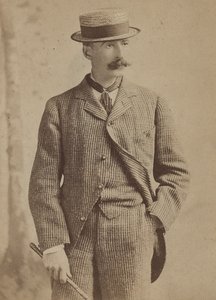
Winslow Homer

Winslow Homer

1836 - 1910, USA

Kort om Winslow Homer

  • Artistic Movement Or Style: Amerikansk Realisme
  • Artists Or Movements Influenced By This Artist: ['Amerikanske malere']
  • Artists Who Influenced This Artist:
    • Barbizon skole
    • Courbet
    • Millet
  • Date Of Birth: 24. februar 1836
  • Date Of Death: 29. september 1910
  • Full Name: Winslow Homer
  • Nationality: Amerikaner
  • Notable Artworks:
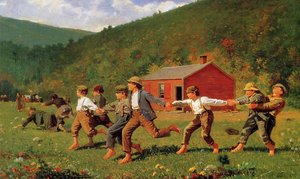
    • Breezing Up
    • Gulfstrømmen
    • Usinn
    • Vitenskapsmann
  • Place Of Birth: Boston, USA

Om kunstneren

A Brush with the American Spirit: The Life and Art of Winslow Homer

Winslow Homer, born in Boston in 1836, wasn’t sculpted by the traditional European art academies that shaped so many of his contemporaries. Instead, he emerged from a distinctly American experience, one rooted in practicality and observation. His journey began not with grand historical canvases, but as a commercial illustrator at the tender age of twelve for Harper's Weekly. This early apprenticeship was formative, honing an exceptional ability to capture scenes with clarity and detail – skills that would become hallmarks of his mature work. He wasn’t learning perspective in Paris; he was learning to *see* America, its people, and its unfolding story. The bustling streets of Boston, the quiet dignity of rural New England life, these were his first subjects, rendered with a precision born of necessity for the demands of print media. This foundation allowed him to transition into painting, initially in watercolor, before fully embracing the expressive potential of oil paints.

From Pastoral Scenes to the Raw Power of Nature

Homer’s early paintings often depicted idyllic scenes – children playing, farmers tending their fields, quiet moments of domesticity. These works, while charming, hinted at a deeper artistic sensibility waiting to be unleashed. The catalyst for this transformation was undoubtedly the Civil War. As a war correspondent for Harper's Weekly, Homer witnessed firsthand the brutal realities of conflict. He didn’t focus on heroic battles or grand strategies; instead, he documented the everyday lives of soldiers and civilians, the quiet moments of grief and resilience amidst chaos. This experience profoundly altered his artistic vision. The pastoral scenes gave way to more challenging subjects: veterans grappling with trauma, freed slaves navigating a new world, and the stark beauty of landscapes touched by hardship. He began to explore themes of struggle, isolation, and humanity’s precar He wasn't interested in imitating European styles; he wanted to create an art that was uniquely American, reflecting its landscapes, its people, and its challenges. His style also evolved, becoming bolder and more direct, reflecting the raw emotional impact of what he had witnessed. Breezing Up (A Fair Wind), painted in 1876, exemplifies this skill – a quintessential depiction of American maritime life, brimming with energy and movement. The Gulf Stream, created decades later, is perhaps his most iconic work, a powerful and symbolic portrayal of a lone man battling the forces of nature, a metaphor for human struggle against overwhelming odds. He wasn’t simply painting what he saw; he was conveying a feeling, an emotional truth about the human condition.

Mastering Light, Texture, and the American Landscape

Winslow Homer's artistic technique is immediately recognizable for its solidity and texture. He wasn’t interested in fleeting impressions; he wanted to build up a sense of tangible reality on the canvas. His oil paintings are characterized by a direct painting approach – layers of paint applied with confidence, creating depth and luminosity. He possessed an extraordinary ability to capture light, whether it was the dazzling glare of the sun on the ocean or the soft glow of twilight over a rural landscape. This mastery extended to his watercolors, where he achieved remarkable atmospheric effects through vibrant colors and delicate washes. He admired European artists like those of the Barbizon school – known for their realistic depictions of rural life – and acknowledged influences from Courbet and Millet, but he ultimately forged his own distinctly American path.

A Legacy Forged in American Realism

Winslow Homer's art offers a profound window into 19th-century America, providing invaluable insights into the social, political, and cultural landscape of his time. His paintings are not merely beautiful representations; they are powerful statements about human resilience, the beauty and power of nature, and the complexities of the American experience. He died in 1910, leaving behind a prolific body of work that continues to resonate with audiences today. His ability to depict America with honesty and authenticity – without romanticizing or idealizing it – ensures his place as one of America’s most important and enduring artists. His influence can be seen in the work of later American painters who sought to depict their own country with similar directness and emotional depth.
  • His work continues to inspire contemporary artists.
  • Homer remains a pivotal figure in the development of American Realism.

Kort om verket

  • Year: 1877
  • Artistic style: Realism
  • Artist: Winslow Homer
  • Title: Dressing for the Carnival
  • Subject or theme: Celebration, culture

Kunnequiz om kunst

Det er kun ett riktig svar på hvert spørsmål.

Spørsmål 1:
What is the primary subject depicted in Winslow Homer’s ‘Dressing for the Carnival’?
Spørsmål 2:
The painting ‘Dressing for the Carnival’ was created during which historical period?
Spørsmål 3:
What cultural influence is most evident in the clothing and accessories being sewn onto the figure in ‘Dressing for the Carnival’?
Spørsmål 4:
According to the description, what is the overall atmosphere suggested by the composition of ‘Dressing for the Carnival’?
Spørsmål 5:
What does the presence of a horse in the background of ‘Dressing for the Carnival’ contribute to the painting's overall mood?