

 Se i rommet
 Del som digitalt kort
 Del
Del
 Detaljer
 Studentguide

 Last ned
 Liknende objekter
 Røntgen
 Lysbildefremvisning
 Besøksstatistikk
Les Petits Blageurs


 Les mer
Kunstverket som vises på denne siden er beskyttet av opphavsretten, noe som betyr at vi ikke har juridisk tillatelse til å lage eller selge identiske reproduksjoner. Denne beskyttelsen håndheves i henhold til internasjonale avtaler som for eksempel Bernerkonvensjonen og av nasjonale lover, inkludert de som er fastsatt i Amerikansk opphavsrettslov – Tittel 17.
Som et respektfullt og lovlig alternativ tilbyr vi skreddersydde, håndmalte kunstverk inspirert av originalen. Våre dyktige og profesjonelle kunstnere studerer nøye originalens stil, stemning og kunstneriske essens for å skape et nytt og unikt verk som vekker den samme følelsen – samtidig som det forblir en original skapelse i seg selv.
Denne metoden er i fullt samsvar med opphavsrettslige regler, da den ikke innebærer kopiering eller duplisering av det beskyttede kunstverket. I stedet er det snakk om en kreativ nytolkning – et nytt maleri som er inspirert av originalen, men ikke identisk med den.
Håndlaget oljereproduksjon
Håndmalt olje på lerret i din valgte størrelse og ramme, laget på bestilling av våre kunstnere. ( Bytt til trykkversjon Gå til digitalt bilde)




P118B Nkr10

P118H Nkr10

P118W Nkr10

P438Z Nkr10

P508JH Nkr12

P508YH Nkr12

P805H Nkr10

P805Z Nkr10

P919BZ Nkr10

P919G Nkr10

P919XJ Nkr10

P959ZH Nkr10

P968JZ Nkr12

W106C Nkr8

W218G Nkr10

W218JH Nkr8

W218Y Nkr10

W307PJ Nkr10

W316G Nkr10

W316PJ Nkr8

W316Y Nkr10

W398PJ Nkr8

W4111J Nkr10

W500HY Nkr15

W500JH Nkr15

W692G Nkr12

W849H Nkr8

W940BG Nkr15

W953PJ Nkr8




Velg mellom våre forhåndsdefinerte størrelser som bevarer kunstverkets opprinnelige proporsjoner.

Skriv inn bredden og høyden du trenger, slik at den passer til din ramme eller vegg. Dette er håndmalt, så for en størrelse med en annen form kan kunstneren male litt mer rundt bildet, eller beskjære det noe — du velger selv. Vi sender deg en digital mockup for godkjenning før maleriet påbegynnes. Bildet som vises på denne siden viser ikke det faktiske resultatet — kun mockuppen gjør det.
Etter bestilling vil OriginalUniqueArt.com-teamet sende e-post til kunden for instruksjoner og sende et utkast (mockup) som forhåndsvisning.
Verdensomspennende levering () på 3–4 uker i stedet for standard 5 uker. (24 October). Ingen kompromisser med kvaliteten.

Gratis ekspressfrakt over hele verden

Lerretsduk av høykvalitets lin

Full transportforsikring

Garanti for refusjon av toll og importavgifter

Garantert fargeekthet

100 dagers returrett ved fabrikasjonsfeil

100% pengene tilbake-garanti

Mengderabatt
 Glassalternativet er kun tilgjengelig i størrelser under 110 cm

Les Petits Blageurs
Reproduksjonsmetode
Format på reproduksjon
-


Totalpris
Nkr 2852
A Vibrant Tapestry of Haitian Life
In the heart of his 1956 masterpiece, Les Petits Blageurs, Wilson Bigaud invites the viewer into a sun-drenched moment of communal joy, capturing the very soul of a Haitian village. The canvas breathes with the energy of a bustling street scene, where at least fourteen individuals are woven into a complex social fabric. Some figures rest peacefully upon the earth, while others stand in animated conversation, their gestures suggesting the rhythmic flow of local gossip and shared laughter. This is not merely a depiction of a crowd; it is an intimate portrait of togetherness. The setting itself—a charming blend of rustic rural charm and structured urban elements—is punctuated by the presence of potted greenery and humble bowls that hint at a recent or ongoing feast, grounding the scene in the tangible, sensory realities of daily life.
Bigaud’s approach to this composition reflects his profound roots in sculpture, translating a three-dimensional understanding of form into a two-dimensional explosion of color. The technique is characterized by a vibrant, almost luminous palette that captures the intense Caribbean light. Each figure possesses a weight and presence that speaks to the artist's early training in clay, giving the inhabitants of this village a sculptural dignity. The interplay between the architectural lines of the surrounding houses and the organic, fluid movements of the people creates a dynamic tension, drawing the eye across the canvas in a continuous loop of discovery. For the collector or interior designer, this piece offers a rhythmic complexity that serves as a magnificent focal point, capable of injecting warmth and a sense of narrative depth into any sophisticated space.
The Spirit of Caribbean Expressionism
To understand Les Petits Blageurs is to understand the legacy of Wilson Bigaud, a visionary who bridged the gap between traditional Haitian motifs and the broader movement of Caribbean Expressionism. Created during a period of significant cultural flowering in Haiti, the painting serves as a window into a world where community is the ultimate sanctuary. The symbolism within the work is found not in cryptic icons, but in the very act of gathering; the shared bowls and the proximity of the figures symbolize the resilience and interconnectedness of the Haitian spirit. There is an emotional resonance here that transcends time—a celebration of the "small talk" and the quiet moments of leisure that constitute the true essence of human connection.
For those seeking to adorn a home or gallery with art that tells a story, this reproduction offers more than just aesthetic beauty; it offers an atmosphere. The painting’s ability to evoke a sense of lively, social warmth makes it an ideal selection for spaces designed for gathering and conversation. It carries with it the historical weight of Bigaud's journey from Port-au-Prince sculptor to international painter, making each brushstroke a testament to a life dedicated to capturing the vibrant pulse of his homeland. Owning a piece of this caliber is an invitation to preserve a fragment of Haitian history and to surround oneself with the enduring light of communal joy.
Spørsmål og svar
Hvor anbefales det å stille ut Landscape-formatet av "Les Petits Blageurs"?
Landscape-formatet til "Les Petits Blageurs" av Wilson Biguad anbefales for et Restaurant. Format og romfølelse fungerer sammen som en veiledning for plassering av en reproduksjon.
Hvilket medium er "Les Petits Blageurs" av Wilson Biguad utført i?
Mediet i "Les Petits Blageurs" av Wilson Biguad er Painting. Reproduksjonene har som mål å gjengi utseendet til denne teknikken.
Finnes det en guide for "Les Petits Blageurs" av Wilson Biguad?
En Veiledning-side er tilgjengelig for "Les Petits Blageurs" av Wilson Biguad: et utskrivbart faktablad om kunstverket, designet for studenter og bruk i klasserommet.
Kunstnerbiografi
A Life Shaped by Clay and Canvas
Wilson Bigaud began his life in Port-au-Prince, Haiti, finding his first expression through the tactile world of sculpture. As a child, he worked with clay, molding figures that captured the weight and presence of the earth. This early focus on three-dimensional form gave him a unique way of seeing volume and light, a skill that would later define his paintings. His path changed when DeWitt Peters encouraged him to move away from carving and toward the two-dimensional surface of the canvas.
The legendary Hector Hyppolite played a significant role in bringing Bigaud into the Centre d'Art in 1946. Through this connection, he found himself part of a community where art was deeply tied to the rhythms of Haitian life. His work often drew from his own memories of the city, pulling from the sights and sounds of social gambling, Vodou ceremonies, and local melodramas. He did not merely paint scenes; he recorded the atmosphere of his surroundings.
The Weight of Color and Light
Bigaud developed a style that relied on thick layers of paint, known as impasto, to create surfaces you could almost feel. He had a particular way of using light and shadow to give his figures weight. While he was influenced by the techniques of artists like Edvard Munch and Oskar Kokoschka, his subject matter remained firmly rooted in the streets and traditions of Haiti. His palette often featured a specific, strange yellow light that bathed his scenes, from cemetery gatherings to village life.
His paintings often explored the tension between joy and hardship. He captured the energy of Carnival and the solemnity of religious life with equal intensity. Some of his most notable subjects included:
- The rituals of Vodou ceremonies
- Scenes of poverty and social gambling
- The movement of the rhythms of drums and rara
- Biblical narratives reimagined through a local lens
Recognition and Personal Struggles
In 1950, at the age of nineteen, Bigaud achieved international notice when his painting “Paradise” won second place at an International Exhibit in Washington, D.C. That same year, he worked on one of his most significant large-scale projects, a mural for the Holy Trinity Cathedral in Port-au-Prince depicting the wedding at Cana. This work allowed him to use scale to tell stories of faith and community.
However, the pressure of his success and the political shifts in Haiti took a heavy toll on his well-being. Between 1957 and 1961, Bigaud faced periods of acute depression and entered a mental institution. During these difficult years, he eventually retreated to Petit-Goave to find peace. When he returned to painting in the mid-sixties, some observers noted that the fire of his earlier work had changed, reflecting more of the fear and defeat he had experienced. Yet, even in these later years, works like “Village Wedding” showed a persistent spirit and an ability to reclaim the energy of his youth.

Wilson Biguad
1931 - 2010 , Haiti
Kort om kunstneren
- Artistic Movement Or Style: Caribbean Expressionism
- Artists Or Movements Influenced By This Artist: ['Contemporary Haitian artists']
- Artists Who Influenced This Artist:
- Hector Hyppolite
- Edvard Munch
- Oskar Kokoschka
- Full Name: Wilson Biguad
- Nationality: Haitian
- Notable Artworks:
- Paradise
- The Wedding at Cana
- Untitled (Guédés at the Cemetary)
- Place Of Birth: Port-au-Prince, Haiti
- Date Of Birth: 1931
- Date Of Death: 2010
Relaterte artikler
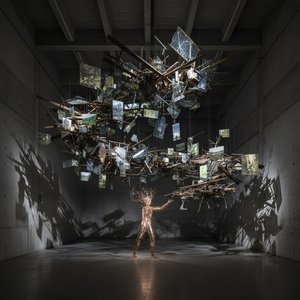
Richard Wilson: Deconstructing Landscape & Memory in Contemporary Installation Art
Explore Richard Wilson's groundbreaking landscape paintings & his enduring influence on contemporary installation art. Discover investment opportunities, provenance insights & the materiality of memory in this expert analysis.
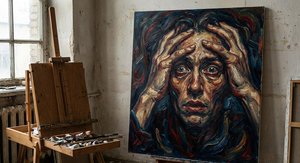
Figurative Expressionism: Emotional Intensity & Subjective Reality in 20th-Century Art
Explore the powerful world of Figurative Expressionism with OriginalUniqueArt. Discover key artists like Kirchner & Beckmann, understand its emotional depth, and learn how to collect this influential 20th-century art movement.

Tysk Ekspresjonisme: 10 Mesterverk som Definerte en Kunstbevegelse | OriginalUniqueArt.no
Utforsk 10 ikoniske mesterverk fra tysk ekspresjonisme! Oppdag Munch, Kirchner og Kandinsky – historiene bak fargene, teknikkene & følelsene. Finn museumskvalitets kunsttrykk for ditt hjem på OriginalUniqueArt.com.
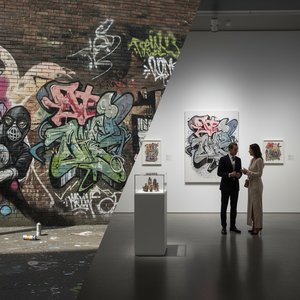
From Walls to Galleries: The Bold Evolution of Street Art and Its Rise into High-End Collectibles
Explore the captivating journey of street art from urban walls to prestigious galleries. Discover how contemporary graffiti has evolved into a high-end collectible movement, redefining modern interior design and global art culture.
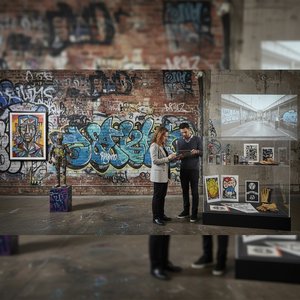
Beyond Graffiti: Exploring the Evolution & Cultural Impact of Street Art for Collectors
Explore the evolution of street art from rebellious origins to a respected fine art form. Discover key artists like Banksy & learn how to collect urban art with confidence. Expert insights for discerning investors.