
 Forhåndsvisning
 Send
Send Del med andre
 Vis detaljer

 Last ned bildet
 Liknende objekter
 Røntgenundersøkelse
 Lysbildefremvisning
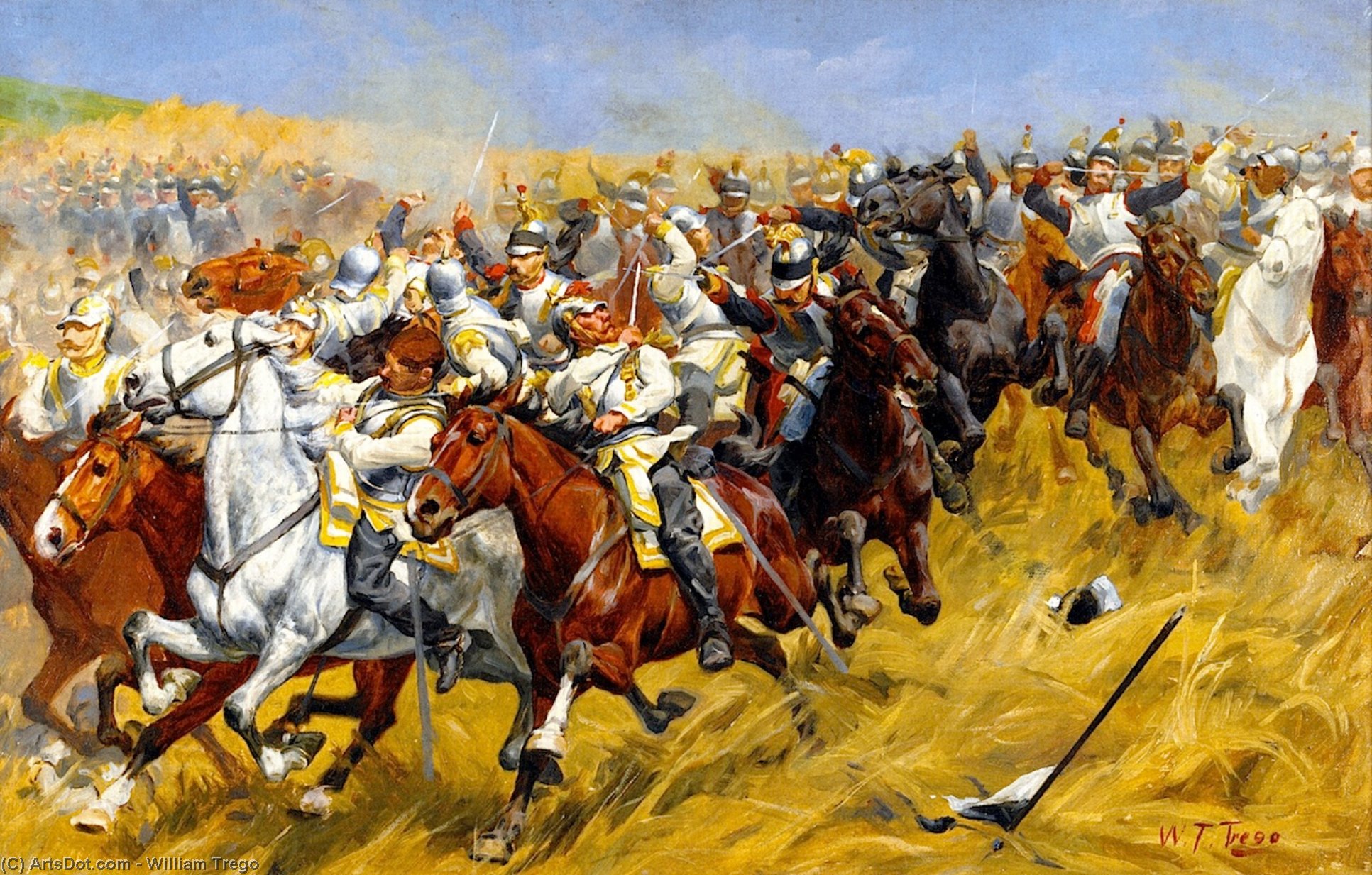
Cavalry Sketch

 Vis hele teksten
Giclée / Kunsttrykk
Giclée- eller lerretsprint av museumskvalitet med rask produksjon og fleksible valgmuligheter for etterbehandling. ( Kjøp håndlaget maleri Kjøp bilde)




































Velg mellom våre forhåndsdefinerte størrelser som bevarer kunstverkets opprinnelige proporsjoner.

Du kan oppgi egne mål for å tilpasse en spesifikk ramme eller et bestemt område. Dersom den valgte størrelsen ikke samsvarer med det originale bildets proporsjoner, vil vi enten beskjære kunstverket eller utvide bildet med en speilet eller ensfarget kant. En digital mockup vil bli sendt til din godkjenning før produksjonen starter.
Vennligst merk at forhåndsvisningen på skjermen ikke gjenspeiler den faktiske beskjæringen eller utvidelsen. Kun mockuppen vil vise den endelige komposisjonen nøyaktig.
Selv om tilpassede størrelser er tilgjengelige, anbefaler vi å velge et mål fra den forhåndsdefinerte listen for å bevare de originale proporsjonene.
Verdensomspennende levering () på 2 uker i stedet for standard 4/5 uker. (13 August)

Gratis ekspressfrakt over hele verden

Lerretsduk av høykvalitets lin

Full forsikring under transport

Garanti for refusjon av toll og importavgifter

Garantert korrekt fargegjengivelse

60 dagers returrett (kun ved feil)

100% pengene tilbake-garanti

Rabatt ved flere kjøp
 Glassalternativet er kun tilgjengelig i størrelser under 110 cm

Cavalry Sketch
Giclée / Kunsttrykk
Størrelse på reproduksjon
-


Endelig pris
$ 80
Beskrivelse av samleobjektet
Historical Context and Artistic Style
The Cavalry Sketch depicts a dramatic scene of horsemen engaged in battle, showcasing William Trego's exceptional skill in capturing movement and energy. This painting is characteristic of the artist's style, which often featured historical and military themes. The use of oil on canvas allowed Trego to achieve a high level of detail and texture, adding depth and realism to the scene.The Cavalry Sketch is not only an impressive work of art but also an important part of American history. It provides a glimpse into the country's past, highlighting the bravery and skill of soldiers on horseback. As a handmade oil painting reproduction, this artwork can be appreciated in a new light, allowing art enthusiasts to experience the beauty and emotion of the original piece.
Similar Works and Artists
Other notable artists, such as Peter Paul Rubens, have also explored historical and military themes in their work. For example, Rubens' The Battle of the Amazons is a famous painting that showcases the artist's mastery of movement and composition. Similarly, Abraham Cooper's Cromwell At Marston Moor and Nc Wyeth's untitled (1907) demonstrate the artists' ability to capture the essence of historical events.- View more information about the Pennsylvania Academy of the Fine Arts on OriginalUniqueArt.com
- Discover William Trego's Cavalry Sketch on OriginalUniqueArt.com
- Learn more about Peter Paul Rubens and his works on OriginalUniqueArt.com
The Cavalry Sketch by William Trego is a remarkable example of American art, showcasing the artist's skill and attention to detail. As a handmade oil painting reproduction, this artwork can be appreciated by art enthusiasts around the world, providing a glimpse into the country's rich history and cultural heritage.
Om kunstneren
A Life Forged in Resilience: The Story of William Trego
Born in the quiet Pennsylvania countryside of Yardley in 1858, William Brooke Thomas Trego’s life was a testament to the power of artistic dedication overcoming immense physical adversity. Son of the accomplished portrait and animal painter Jonathan Kirkbridge Trego, young William inherited not only his father's talent but also a challenging fate. At just two years old, he contracted an illness – possibly polio or a severe reaction to medical treatment – that left his hands and feet nearly paralyzed. This early struggle would profoundly shape his artistic journey, forcing him to develop unconventional techniques and fueling a determination that resonated throughout his career. The family’s move to Detroit when William was sixteen brought another incident—a harrowing accident with a gas jet that cost him his hair—further isolating him within the familial studio where he received most of his formative training. It was there, guided by his father's instruction, that Trego learned to paint, famously maneuvering a brush jammed into his right hand while controlling it with the left, a method born of necessity and refined through sheer willpower.Early Influences and Artistic Beginnings
Trego’s artistic foundation was deeply rooted in his family history. His father, Jonathan Kirkbridge Trego, was a respected portraitist and animal painter known for his vibrant colors and skillful rendering. William absorbed not only technical skills but also an appreciation for detail and observation from a young age. The move to Detroit provided him with a more structured artistic environment, allowing him to hone his abilities under his father’s watchful eye. Despite the significant physical limitations imposed by his childhood illness, Trego demonstrated remarkable resilience and a fierce determination to pursue his passion. This early adversity instilled in him a unique perspective – a deep understanding of the challenges faced by others and a desire to capture the essence of human experience through his art. His father’s influence was crucial; he provided not just instruction but also encouragement, recognizing William's innate talent and fostering his artistic ambitions.Breakthrough at the Michigan State Fair
Trego’s career gained significant momentum in 1879 with *The Charge of Custer at Winchester*, a dramatic depiction of George Armstrong Custer’s final stand that captivated audiences at the Michigan State Fair. The painting, a meticulously researched and powerfully rendered scene of military action, garnered immediate acclaim. Critics praised its dynamic composition, vivid portrayal of the battle, and Trego's masterful use of color and light. This success provided Trego with the financial means to pursue his artistic aspirations more seriously and opened doors to further opportunities. It was a pivotal moment, transforming him from a struggling artist into a recognized talent within the art world. The painting’s immediate popularity demonstrated the public’s appetite for historical subjects and solidified Trego's reputation as a skilled military painter.Academic Training and Artistic Development
Following his success at the Michigan State Fair, Trego enrolled at the prestigious Pennsylvania Academy of the Fine Arts (PAFA) in Philadelphia in 1879. He studied under Thomas Eakins, immersing himself in anatomical study and rigorous figure drawing. While benefiting from Eakin’s emphasis on realism, Trego found the instructor's austere approach challenging. He adapted his style to incorporate elements of academic training while retaining a distinctive artistic voice. This period was crucial for developing his technical skills and broadening his understanding of art history and theory. Notably, he won the first Toppan Prize in 1882 for *Battery of Light Artillery En Route*, further establishing his talent and securing recognition within the Academy’s prestigious ranks.A Focus on Military History
William Trego quickly established himself as a leading painter of historical military scenes, particularly those depicting the American Revolution and the Civil War. His paintings are characterized by an almost obsessive attention to detail – meticulously rendered uniforms, weaponry, and battlefield landscapes. He wasn't merely illustrating events; he was reconstructing them with painstaking accuracy, striving for authenticity and capturing the drama of these pivotal moments in American history. This dedication stemmed from a deep fascination with military strategy and a desire to honor the sacrifices made by those who fought for their country. His work reflects both his artistic skill and his profound respect for the subject matter.Later Years and Legacy
Despite achieving considerable success, Trego faced financial difficulties in his later years. He broadened his artistic scope, accepting portrait commissions and illustration work to supplement his income. He also generously shared his knowledge, taking on students including Walter Emerson Baum and Flora Baum, nurturing the next generation of artists. Tragically, William Trego died unexpectedly in 1909 in North Wales, Pennsylvania, under circumstances that fueled speculation – some suggesting poisoning or overexertion due to the summer heat. Despite a life marked by physical challenges and professional setbacks, William B.T. Trego left behind a body of work that continues to resonate with its meticulous detail, historical accuracy, and poignant portrayal of courage and conflict. His paintings offer not just depictions of battles, but windows into the lives and sacrifices that shaped a nation. He remains a significant figure in American art history, a testament to the enduring power of artistic vision forged in the crucible of adversity.
William Trego
1858 - 1909 , USA
Kort om kunstneren
- Artistic Movement Or Style: Realistisk
- Artists Who Influenced This Artist:
- Thomas Eakins
- Tony Robert-Fleury
- William-Adolphe Bouguereau
- Date Of Birth: 15. september 1858
- Date Of Death: 24. juni 1909
- Full Name: William Brooke Thomas Trego
- Nationality: Amerikansk
- Notable Artworks:
- Charge av Custer
- Batteri artilleri
- Kvartermestres departement
- Place Of Birth: Yardley, USA

