
 Se i rommet
 Del som digitalt kort
 Del
Del
 Detaljer
 Studentguide

 Last ned
 Liknende objekter
 Røntgen
 Lysbildefremvisning
 Besøksstatistikk
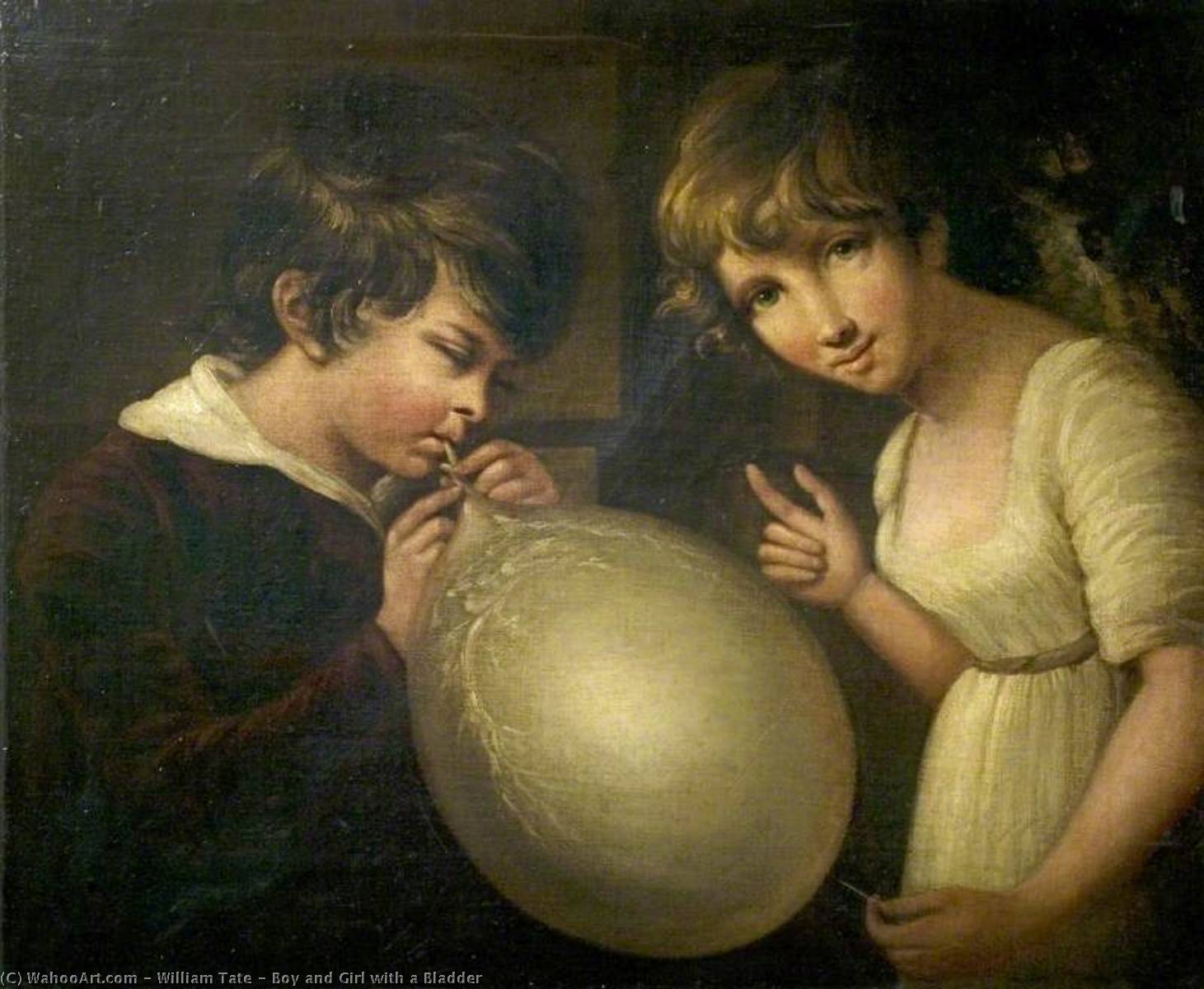
Boy and Girl with a Bladder
 61.0 x 72.0 cm
 Les mer
Kjøp et høyoppløselig, forbedret digitalt bilde med langt høyere kvalitet enn forhåndsvisningen på nettet.
Hver fil er omhyggelig klargjort av våre egne spesialister ved hjelp av avanserte verktøy og profesjonell manuell retusjering. Vi sørger for at hvert bilde har eksepsjonell klarhet, presis fargegjengivelse og fine detaljer.
Den endelige filen leveres via e-post innen 72 timer, optimalisert for umiddelbar bruk i profesjonelle, redaksjonelle og trykte miljøer. Dette er den samme kvaliteten som benyttes av ledende designstudioer, utgivere og gallerier.
Digitalt bilde
Last ned en høyoppløselig fil til personlig bruk, utskrift og kreative prosjekter. ( Bytt til trykkversjon Bestill håndmalt reproduksjon)
Inkludert i alle bestillinger av digitale bilder
Profesjonell digital levering, garantert
Når du velger OriginalUniqueArt.com, får du ikke bare et bilde – du mottar et profesjonelt etterbehandlet digitalt kunstverk, skapt med presisjon og med en garantert tilfredshetsgaranti. Her er alt som automatisk følger med din bestilling:

Rask levering på e-post
Din høyoppløselige digitale bildefil sendes til din e-post innen 72 timer etter bestilling – klar til umiddelbar bruk.

KI-forbedret digital fil
Ditt kunstverk blir profesjonelt optimalisert ved hjelp av avanserte AI-verktøy og manuell redigering, noe som sikrer maksimal detaljrikdom, klarhet og fargegjengivelse.

Gratis livslang nybestilling
Har du ved et uhell slettet eller mistet filen din? Ingen bekymring – vi sender den på nytt når som helst, helt gratis.

Ingen importavgifter – noen gang
Nyt ditt kunstverk umiddelbart uten toll, avgifter eller leveringskostnader – digitale nedlastinger er alltid avgiftsfrie.

Garantert fargenøyaktighet
Vi sikrer at det digitale bildet gjenspeiler de originale fargene så nøyaktig som mulig ved hjelp av profesjonelle verktøy og fargehåndtering.

100 dagers tilfredshetsgaranti
Hvis du ikke er fornøyd med ditt digitale bilde, vil vi revidere det eller refundere 100% innen 100 dager – uten spørsmål.

100% Penggaranti
Ikke fornøyd? Få full refusjon innen 100 dager etter at du har mottatt din digitale fil – uten spørsmål.

Rabatt ved storkjøp
Kjøp 3 bilder, spar 10% - Kjøp 5, spar 15% - Kjøp 10+, spar 20%. Ideelt for kreative prosjekter, gallerier og byråer.
Kunstnerbiografi
William Tate: A Gentle Hand Capturing the Essence of 18th-Century Britain
William Tate (1766-1822), a name perhaps less heralded than his contemporaries, nevertheless stands as a quietly significant figure in the landscape of British portraiture. Born in Barnsley, South Yorkshire, into a family with roots in the textile industry, Tate’s early life offered little indication of the artistic path he would ultimately pursue. However, a keen eye for detail and an innate sensitivity to human emotion quickly manifested, leading him towards a career dedicated to capturing the nuances of character and the fleeting moments of domestic life within the confines of his studio.
Tate’s formative years were spent in London, where he apprenticed under various artists before establishing himself as an independent practitioner. His style, while initially influenced by the prevailing Rococo trends, swiftly evolved into a distinctly more restrained and psychologically astute approach. Unlike the flamboyant displays of some of his peers, Tate favored a subtle elegance, employing delicate brushwork and muted color palettes to create portraits that felt remarkably intimate and revealing. He wasn’t interested in grand gestures or theatrical poses; instead, he sought to distill the essence of his subjects – often women and children – into carefully observed studies of character.
The Sanderson Children: A Masterclass in Domestic Observation
Perhaps Tate's most celebrated work is “The Sanderson Children” (1775), a captivating depiction of three young siblings from the Sanderson family. This painting, now housed at the National Gallery, exemplifies Tate’s unique approach to portraiture. It’s not merely a likeness; it’s a window into a specific moment in time – a shared glance, a playful gesture, a quiet contemplation. The composition is remarkably naturalistic, eschewing formal arrangements for a scene that feels utterly spontaneous. Notice the way Tate captures the individual personalities of each child: the eldest, poised and observant; the middle one, brimming with youthful energy; and the youngest, lost in innocent wonder. The use of light and shadow subtly emphasizes their features, lending them an almost ethereal quality.
The painting’s success speaks to Tate's ability to elevate everyday scenes into works of art. He wasn’t interested in depicting wealth or status; instead, he focused on the simple joys and vulnerabilities of family life – a theme that resonated deeply with his audience and continues to captivate viewers today.
A Portraitist of His Time: Influences and Techniques
Tate's artistic development was undoubtedly shaped by the prevailing trends of the late 18th century, particularly the influence of artists like Thomas Gainsborough and George Romney. However, he possessed a distinctive sensibility that set him apart. His portraits often bear a resemblance to Dutch Golden Age masters, such as Rembrandt, in their use of chiaroscuro – the dramatic contrast between light and shadow – to create depth and mood. He was also deeply influenced by the works of Sir William Beechey, another prominent portraitist of his era.
Tate’s technique involved meticulous observation and a deep understanding of anatomy and perspective. He spent considerable time studying his subjects before beginning a painting, often sketching them repeatedly to capture their likeness and personality. His brushwork was remarkably smooth and refined, creating surfaces that shimmered with light. He employed a limited palette of colors – primarily browns, grays, and ochres – to achieve a sense of understated elegance.
Legacy and Historical Significance
Despite not achieving the same level of fame as some of his contemporaries, William Tate’s work holds considerable historical significance. His portraits offer invaluable insights into the social customs, domestic life, and emotional landscape of 18th-century Britain. His sensitive depictions of women and children – particularly those from humble backgrounds – provide a refreshing counterpoint to the often idealized representations of aristocratic subjects favored by other artists of his time.
Today, Tate’s paintings are treasured for their quiet beauty, psychological depth, and remarkable ability to evoke a sense of intimacy. His legacy lies not in grand pronouncements or revolutionary innovations, but in his unwavering commitment to capturing the essence of human experience with a gentle hand and an observant eye – a testament to the enduring power of portraiture as a form of social commentary and artistic expression.

Kort om kunstneren
- Artistic Movement Or Style: Portraiture
- Artists Or Movements Influenced By This Artist: ['Grand Manner']
- Artists Who Influenced This Artist: ['Thomas Hudson']
- Date Of Birth: 1766
- Date Of Death: 1822
- Full Name: William Tate
- Nationality: British
- Notable Artworks:
- The Sanderson Children
- Mr Tate of Toxteth Park
- Place Of Birth: Barnsley, England