

 Forhåndsvisning
 Send
Send Del med andre
 Vis detaljer

 Last ned bildet
 Liknende objekter
 Røntgenundersøkelse
 Lysbildefremvisning
 Statistikk
Courtship (also known as Winding Up)


 Vis hele teksten
Giclée / Kunsttrykk
Giclée- eller lerretsprint av museumskvalitet med rask produksjon og fleksible valgmuligheter for etterbehandling. ( Kjøp håndlaget maleri Bytt til digitalt bilde)




P118B $10

P118H $10

P118W $10

P438Z $10

P508JH $12

P508YH $12

P805H $10

P805Z $10

P919BZ $10

P919G $10

P919XJ $10

P959ZH $10

P968JZ $12

W106C $8

W218G $10

W218JH $8

W218Y $10

W307PJ $10

W316G $10

W316PJ $8

W316Y $10

W398PJ $8

W4111J $10

W500HY $15

W500JH $15

W692G $12

W849H $8

W940BG $15

W953PJ $8




Velg mellom våre forhåndsdefinerte størrelser som bevarer kunstverkets opprinnelige proporsjoner.

Du kan oppgi egne mål for å tilpasse en spesifikk ramme eller et bestemt område. Dersom den valgte størrelsen ikke samsvarer med det originale bildets proporsjoner, vil vi enten beskjære kunstverket eller utvide bildet med en speilet eller ensfarget kant. En digital mockup vil bli sendt til din godkjenning før produksjonen starter.
Vennligst merk at forhåndsvisningen på skjermen ikke gjenspeiler den faktiske beskjæringen eller utvidelsen. Kun mockuppen vil vise den endelige komposisjonen nøyaktig.
Selv om tilpassede størrelser er tilgjengelige, anbefaler vi å velge et mål fra den forhåndsdefinerte listen for å bevare de originale proporsjonene.
Verdensomspennende levering () på 2 uker i stedet for standard 4/5 uker. (19 September)

Gratis ekspressfrakt over hele verden

Lerretsduk av høykvalitets lin

Full forsikring under transport

Garanti for refusjon av toll og importavgifter

Garantert korrekt fargegjengivelse

100 dagers returrett (kun ved mangler)

100% pengene tilbake-garanti

Rabatt ved flere kjøp
 Glassalternativet er kun tilgjengelig i størrelser under 110 cm

Courtship (also known as Winding Up)
Giclée / Kunsttrykk
Størrelse på reproduksjon
-


Endelig pris
$ 80
A Moment Frozen in Time: Exploring William Sidney Mount’s “Courtship”
William Sidney Mount's "Courtship," more commonly known as “Winding Up,” is not merely a painting; it’s a meticulously crafted tableau of 19th-century domestic life, brimming with quiet observation and subtle emotional resonance. Completed in 1836, this oil on panel work resides within the esteemed collection of the Nelson-Atkins Museum of Art in Kansas City, offering viewers a rare glimpse into the social dynamics and artistic sensibilities of its era. Mount, a pivotal figure in establishing American genre painting, eschewed grand historical narratives for a focus on the everyday experiences of his countrymen – a deliberate choice that imbued his work with an unparalleled sense of realism and intimacy.
The scene unfolds within a warmly lit parlor, dominated by a welcoming fireplace and a collection of books suggesting intellectual pursuits. A man, dressed in a fur-collared coat and hat—a detail indicative of the era’s fashion—is engaged in a seemingly simple task: winding yarn into a ball. Beside him stands a woman, her attire hinting at elegance and refinement, as she observes his activity with an expression that suggests both amusement and perhaps a touch of anticipation. The inclusion of a clock on the wall subtly anchors the scene within time, while a bottle near the left side adds a layer of domesticity, possibly used for refreshment or decorative purposes. Mount’s skill lies not just in depicting these objects but in capturing the interplay between them – the quiet conversation implied by their proximity and the shared activity that binds them.
The Artist's Hand: Technique and Style
Mount’s artistic style is immediately recognizable for its remarkable detail and a deep understanding of light and shadow. He employed a technique known as “lost-and-found edges,” where certain details are sharply defined while others fade into the background, creating an illusion of depth and realism. The brushstrokes themselves are visible, contributing to the painting’s textured surface and lending it a sense of immediacy. The use of oil on panel allowed Mount to build up layers of color and create subtle gradations in tone – essential for capturing the nuances of light reflecting off the furniture and fabrics. His meticulous attention to detail extends beyond mere representation; he seems to have sought to evoke the *feeling* of being within that parlor, a testament to his artistic skill.
A Window into 19th-Century America
"Courtship" offers a valuable window into the social customs and values of mid-19th century America. The scene reflects a comfortable domesticity—a time when courtship rituals were often characterized by quiet conversation, shared activities, and the careful cultivation of relationships. The presence of books suggests an emphasis on education and intellectual pursuits, while the woman’s attire speaks to her social standing. Mount's choice to depict this intimate moment within a familiar setting underscores the importance of domestic life in shaping individual identities and fostering community bonds. The painting is not simply a portrait; it’s a snapshot of a particular time and place, imbued with the spirit of its era.
Symbolism and Emotional Resonance
Beyond its surface details, “Courtship” is rich in symbolic meaning. The act of winding yarn can be interpreted as a metaphor for the gradual unfolding of a relationship—a process of careful preparation and deliberate action. The man’s focused attention on his task suggests a desire to impress or perhaps to demonstrate his capabilities, while the woman's observation hints at her discerning judgment. The overall mood is one of quiet intimacy and hopeful anticipation – a subtle suggestion that something significant may be about to occur. Mount masterfully uses these elements to create an image that resonates with viewers on an emotional level, inviting them to contemplate the complexities of human connection.
Om kunstneren
A Pioneer of American Genre Painting
William Sidney Mount, born November 26, 1807, in the quiet hamlet of Setauket, Long Island, emerged as a pivotal figure in the development of distinctly American art. He wasn’t drawn to the grand historical narratives or formal portraiture championed by many of his contemporaries; instead, Mount turned his keen eye toward the everyday lives unfolding around him – the farmers, musicians, and ordinary folk who populated the rural landscapes of 19th-century Long Island. This unwavering dedication to depicting scenes of common life established him as a true innovator—a pioneer of genre painting in America—a style that celebrated the dignity and inherent beauty found within the mundane. His artistic journey was profoundly shaped by his upbringing; his father operated a bustling farm, store, and tavern, fostering an environment brimming with both practical experience and observation of human character. Micah Hawkins, Mount’s uncle, possessed a remarkable breadth of talents – a composer, playwright, mimic, and poet – nurturing within young William a spirit of artistic curiosity and engagement with diverse forms of expression.Early Training and Artistic Awakening
Mount’s initial foray into the art world commenced not in a prestigious academy but through an apprenticeship with his older brother, Henry Smith Mount, a skilled sign painter residing in New York City. This formative experience honed his draughtsmanship skills and instilled within him a foundational understanding of painting technique—a grounding that would prove invaluable as he pursued his artistic ambitions. However, it was a visit to the American Academy of the Fine Arts exhibition in 1825 that irrevocably altered Mount’s artistic trajectory. Surrounded by the works of established artists—figures like Benjamin West and William Hogarth—he experienced an awakening, shifting away from conventional subjects toward capturing authentic moments from daily existence. This pivotal encounter spurred him to forge his own path, independent of academic dogma, recognizing the compelling narrative potential inherent in portraying ordinary life. He established his own studio in New York City in 1829, marking a decisive step towards artistic autonomy and solidifying his commitment to pursuing art as a vocation—a dedication that would define his entire career. Despite initial influences from historical painting—he created works like *Christ Raising the Daughter of Jairus* (1828)—Mount swiftly discovered his true calling lay in portraying the world he knew best: the rural life of Long Island.Capturing Rural Life with Realism and Warmth
Mount’s artistic style is characterized by an unwavering realism tempered by a remarkable ability to infuse his scenes with warmth, humor, and profound empathy. He didn't idealize rural existence; rather, he presented it as it truly was—a tapestry woven from threads of labor and leisure, hardship and joy—acknowledging the complexities inherent in human experience. His meticulous attention to detail is evident throughout his oeuvre, from the textures of clothing to the subtle nuances of facial expressions, creating a palpable sense of immediacy and authenticity that distinguishes his work from more stylized approaches. *Dancing on Barn Floor* (1831), arguably one of Mount’s earliest masterpieces, exemplifies this distinctive aesthetic—a vibrant depiction of a rural dance brimming with energy and capturing the spirit of communal celebration. Subsequent paintings like *The Banjo Player* (1856) demonstrate not only his technical prowess but also a deep sensitivity to his subjects—particularly African American musicians—challenging prevailing stereotypes of the time and advocating for dignified representation. Other notable compositions include *The Long Story*, *Right and Left*, and *School Boys Quarreling*, each offering poignant glimpses into the lives and experiences of ordinary Americans.Innovation Beyond the Canvas
Mount’s artistic creativity extended far beyond the confines of painting; he possessed a multifaceted talent encompassing music and invention. He was a proficient violinist, composing music that reflected his profound understanding of human emotion—a testament to his belief in art's capacity to communicate universal truths. Furthermore, demonstrating an extraordinary spirit of innovation, Mount constructed a portable studio within a horse-drawn wagon in 1860—a bold decision that allowed him to travel freely throughout Long Island and capture spontaneous moments as they unfolded. This mobile workspace underscored his unwavering commitment to authenticity and his desire to engage directly with the subjects he depicted—a characteristic that distinguishes him from many of his contemporaries.Legacy and Enduring Influence
William Sidney Mount passed away on November 19, 1868, in Setauket, Long Island—the place of his birth and lifelong residence—leaving behind a legacy that continues to inspire artists today. He is remembered not merely for his technical skill or meticulous realism but also for his compassionate portrayal of everyday people—a recognition of their dignity and inherent worth. His pioneering work in genre painting fundamentally reshaped the landscape of American art, establishing it as a significant force within the broader artistic discourse and paving the way for future generations to explore themes of rural life and human connection with similar sensitivity and conviction. Mount’s paintings stand as enduring reminders of the beauty found within simplicity—a testament to his profound understanding of what constitutes true artistic expression. His contribution to American art is undeniable, securing his place among the most influential figures of his era.
William Sidney Mount
1807 - 1868 , USA
Kort om kunstneren
- Artistic Movement Or Style: Genre maleri, Realisme
- Artists Or Movements Influenced By This Artist: ['American Genre Painting']
- Artists Who Influenced This Artist:
- Benjamin West
- William Hogarth
- Date Of Birth: November 26, 1807
- Date Of Death: November 19, 1868
- Full Name: William Sidney Mount
- Nationality: Amerikaner
- Notable Artworks:
- The Banjo Player
- The Long Story
- Dancing on Barn Floor
- Right and Left
- Place Of Birth: Setauket, USA
Relaterte artikler

Grant Wood & American Regionalism: Identity, Myth & the Rural Landscape
Explore the world of Grant Wood & American Regionalism with OriginalUniqueArt. Discover the symbolism behind 'American Gothic', recurring themes, and the movement's lasting impact on art history. High-quality reproductions available.

American Regionalism: The Soul of the Heartland and the Mastery of Grant Wood
Explore the profound history of American Regionalism. Discover how Grant Wood captured the heart of the Midwest through masterpieces like American Gothic. An expert guide to the movement, its cultural impact, and the enduring beauty of American Realism.

Frederick William Jackson: Capturing the American West Through Luminist Vision & Narrative Detail
Explore the captivating works of Frederick William Jackson, a pioneer of Western realism & Luminist painting. Discover his atmospheric landscapes, depictions of Native American life, and lasting legacy. Learn more at OriginalUniqueArt.

Amerikansk Realisme: 10 Mesterverk som Formet Kunsten – OriginalUniqueArt.no
Utforsk 10 ikoniske mesterverk fra amerikansk realisme! Oppdag Edward Hopper, Andrew Wyeth og Grant Wood – historiene bak kunsten, teknikker & farger. Finn reproduksjoner av høy kvalitet for ditt hjem på OriginalUniqueArt.com. Utforsk samlingen online!
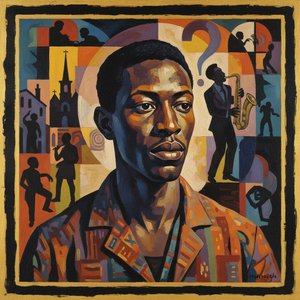
William H. Johnson: A Life Painted in Bold Strokes – Race, Identity & Modernism
Explore the powerful life & art of William H. Johnson – a pivotal American painter who captured African American experiences with bold expressionism and folk art style. Discover his legacy at OriginalUniqueArt.