Bytt til trykk
 Vis hele teksten







































 For kunstverk eller reproduksjoner som er større enn 105 cm (ca. 41 tommer) på noen side, vil rammen bli sendt som et sett som må monteres. Denne metoden sikrer trygg levering og forhindrer skader under transport.


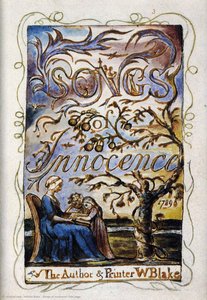
William Blake’s “The Sun in His Wrath”: A Visionary Encounter Between Divinity and Nature
William Blake's The Sun in His Wrath stands as a cornerstone of Romanticism—a movement that prioritized emotion, imagination, and individual experience above rational observation.
Composition and Symbolism: Harmony Within Paradox
Painted in 1820, this watercolour captures a serene tableau featuring a woman accompanied by another figure before a prominent tree. Two trees flank the central figures, while an angelic presence hovers aloft—a celestial being embodying the sun or divine illumination. This deliberate arrangement isn’t merely aesthetically pleasing; it embodies Blake's profound belief in the interconnectedness of all creation – a microcosm reflecting the grand scheme of God.
Neo-Romantic Influence: Rejecting Realism for Transcendental Beauty
Blake’s work aligns powerfully with Neo-Romanticism, emerging after Romanticism itself. Unlike its predecessor, Neo-Romanticism actively eschewed realism and naturalism, instead embracing elements from the Romantic era. Neo-Romanticism championed imagination, fantasy, and a deep engagement with human emotion—qualities vividly realized in Blake’s artistic vision.
Blake's Artistic Style: Mysticism Embodied
William Blake was celebrated as a visionary artist renowned for his poetic and prophetic works. His paintings frequently depicted dreamlike scenarios populated by symbolic figures, reflecting his fervent interest in mysticism and spirituality. “The Sun in His Wrath” exemplifies this distinctive style, fusing natural imagery with celestial references—creating an atmosphere of wonder and awe that transcends mere visual representation.
Beyond Blake: Echoes in Richmond’s Landscape Paintings
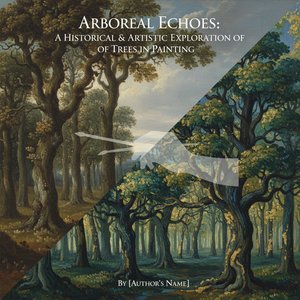
Blake's influence extends beyond his own oeuvre; artists like Sir William Blake Richmond absorbed his aesthetic principles. Richmond’s landscapes, particularly “Trees at Bocca d’Arno,” demonstrate a similar preoccupation with capturing the sublime—the awe-inspiring grandeur of nature perceived as infused with divine presence. This stylistic kinship underscores Blake’s enduring legacy as a pioneer of Romantic landscape painting.
Exploring Further: Reproduction Quality & Artistic Inspiration
For those seeking to experience “The Sun in His Wrath” firsthand, OriginalUniqueArt offers meticulously crafted oil painting reproductions that faithfully preserve the original artwork's nuances. Visit OriginalUniqueArt to discover a curated collection of exceptional prints and immerse yourself in the artistic spirit of Blake’s timeless masterpiece.
Spørsmål og svar
Hvilken fase i William Blake sin karriere tilsvarer datoen 1820 for "The Sun in His Wrath"?
"The Sun in His Wrath", skapt i 1820, tilhører Mature Period i William Blake sin karriere.
Hvilket rom passer best til fargene i "The Sun in His Wrath" av William Blake?
Med sin Nøytrale farger palett anbefales "The Sun in His Wrath" av William Blake for et Stue og oppholdsrom. Fargene er en av grunnene til denne anbefalingen.
Hvilken kunstretning tilhører "The Sun in His Wrath" av William Blake?
Kunstretningen knyttet til "The Sun in His Wrath" av William Blake er Romanticism. Denne klassifiseringen plasserer verket sammen med relaterte kunstnere og kunstverk.
 Forhåndsvisning
 Send
Send Del
Del
 Vis detaljer
 Utskriftsvennlig guide

 Last ned bilde
 Liknende objekter
 Røntgenundersøkelse
 Lysbildefremvisning
 Spørsmål og svar
 Statistikk