Tekststørrelse

() ·

Et maleri laget til deg, med håndverk

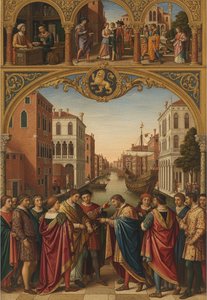
The Dead Christ

Håndlaget oljereproduksjon

Håndmalt olje på lerret i din valgte størrelse og ramme, laget på bestilling av våre kunstnere. ( Bytt til trykk Bytt til digitalt bilde)

Beskrivelse av objektet

Vittore Carpaccio’s somber "The Dead Christ" (1520) offers a poignant reflection on mortality in Venetian High Renaissance style. Explore this masterful narrative painting and discover a timeless piece to own.

Om kunstneren

Utforsk de fascinerende venetianske renessansemaleriene til Vittore Carpaccio (1465-1526). Han er kjent for narrativer sykluser som «Legenden om St. Ursula», og hans verk kombinerer tidlig nederlandsk kunst og italiensk stil med en unik orientalistisk flair. Oppdag hans mest kjente verk og den venetianske skolens betydning.

fra ·

Kapittel 1

Hvor stor bør den være?

Skyv for å endre størrelsen; bildet til venstre viser rammen i sin faktiske bredde. Originalens proporsjoner er bevart.

Standardformat
skreddersydd
CM
INCH

Velg mellom våre forhåndsdefinerte størrelser som bevarer kunstverkets opprinnelige proporsjoner.

bredde
høyde

Skriv inn ønsket bredde og høyde for å tilpasse bildet til din ramme eller vegg. Siden dette er håndmalt, kan kunstneren male litt mer rundt motivet eller beskjære det noe dersom du velger et annet format — valget er ditt. Vi sender deg en digital mockup til godkjenning før maleriet påbegynnes. Bildet som vises på denne siden representerer ikke det faktiske resultatet — kun mockuppen viser det endelige uttrykket.

Kapittel 2

Hvordan skal det leveres?

Velg kantutførelse på lerretet

Velg din ramme

Corner sample of the WhiteWrap canvas edge finish, stretched on massivt tre bars
Hvit kant Nkr1
Corner sample of the BlurSideWrap canvas edge finish, stretched on massivt tre bars
Uskarp kantfinish Nkr1
Corner sample of the ExtendedWrap canvas edge finish, stretched on massivt tre bars
Fortsatt motiv Nkr1
Corner sample of the P118B picture frame: støpt polystyren, 5 cm wide and 3 cm thick
P118B Nkr10
Corner sample of the P118H picture frame: støpt polystyren, 5 cm wide and 3 cm thick
P118H Nkr10
Corner sample of the P118W picture frame: støpt polystyren, 5 cm wide and 3 cm thick
P118W Nkr10
Corner sample of the P438Z picture frame: støpt polystyren, 5.5 cm wide and 3.5 cm thick
P438Z Nkr10
Corner sample of the P508JH picture frame: støpt polystyren, 7 cm wide and 3.5 cm thick
P508JH Nkr12
Corner sample of the P508YH picture frame: støpt polystyren, 7 cm wide and 3.5 cm thick
P508YH Nkr12
Corner sample of the P805H picture frame: støpt polystyren, 5 cm wide and 3.5 cm thick
P805H Nkr10
Corner sample of the P805Z picture frame: støpt polystyren, 5 cm wide and 3.5 cm thick
P805Z Nkr10
Corner sample of the P919BZ picture frame: støpt polystyren, 7 cm wide and 3.5 cm thick
P919BZ Nkr10
Corner sample of the P919G picture frame: støpt polystyren, 7 cm wide and 3.5 cm thick
P919G Nkr10
Corner sample of the P919XJ picture frame: støpt polystyren, 7 cm wide and 3.5 cm thick
P919XJ Nkr10
Corner sample of the P959ZH picture frame: støpt polystyren, 5 cm wide and 3 cm thick
P959ZH Nkr10
Corner sample of the P968JZ picture frame: støpt polystyren, 6 cm wide and 4 cm thick
P968JZ Nkr12
Corner sample of the W106C picture frame: massivt tre, 5 cm wide and 3 cm thick
W106C Nkr8
Corner sample of the W218G picture frame: massivt tre, 5 cm wide and 3 cm thick
W218G Nkr10
Corner sample of the W218JH picture frame: massivt tre, 5 cm wide and 3 cm thick
W218JH Nkr8
Corner sample of the W218Y picture frame: massivt tre, 5 cm wide and 3 cm thick
W218Y Nkr10
Corner sample of the W307PJ picture frame: massivt tre, 6 cm wide and 3 cm thick
W307PJ Nkr10
Corner sample of the W316G picture frame: massivt tre, 6 cm wide and 3 cm thick
W316G Nkr10
Corner sample of the W316PJ picture frame: massivt tre, 6 cm wide and 3 cm thick
W316PJ Nkr8
Corner sample of the W316Y picture frame: massivt tre, 6 cm wide and 3 cm thick
W316Y Nkr10
Corner sample of the W398PJ picture frame: massivt tre, 5 cm wide and 3 cm thick
W398PJ Nkr8
Corner sample of the W4111J picture frame: massivt tre, 6.5 cm wide and 3.5 cm thick
W4111J Nkr10
Corner sample of the W500HY picture frame: massivt tre, 7 cm wide and 5 cm thick
W500HY Nkr15
Corner sample of the W500JH picture frame: massivt tre, 7 cm wide and 5 cm thick
W500JH Nkr15
Corner sample of the W692G picture frame: massivt tre, 8 cm wide and 4 cm thick
W692G Nkr12
Corner sample of the W849H picture frame: massivt tre, 5 cm wide and 3 cm thick
W849H Nkr8
Corner sample of the W940BG picture frame: massivt tre, 7.5 cm wide and 4.5 cm thick
W940BG Nkr15
Corner sample of the W953PJ picture frame: massivt tre, 6 cm wide and 3.5 cm thick
W953PJ Nkr8
Corner sample of the H24-GOLD picture frame: utskåret tre med gesso, 10 cm wide and 6 cm thick
H24-GOLD Nkr30
Corner sample of the H24-SILVER picture frame: utskåret tre med gesso, 10 cm wide and 6 cm thick
H24-SILVER Nkr30
Corner sample of the H36-GOLD picture frame: utskåret tre med gesso, 15 cm wide and 6.5 cm thick
H36-GOLD Nkr45
Corner sample of the H36-SILVER picture frame: utskåret tre med gesso, 15 cm wide and 6.5 cm thick
H36-SILVER Nkr45

Profil: . Total størrelse med ramme: .

Kapittel 3

Hvem maler det, og bør noe endres?

Eksempler på hva som kan endres: Erstatt ansikt med kundens eget bilde; Legg til kjæledyr (f.eks. bytt ut katt med hund); Inkluder en skjult melding i bakgrunnen; Endre landskap eller elementer i bakgrunnen.
Etter bestilling vil OriginalUniqueArt.com-teamet sende e-post til kunden for instruksjoner og sende et utkast som forhåndsvisning

Verdensomspennende levering () på 3–4 uker i stedet for standard 5 uker. (4 November). Ingen kompromisser med kvaliteten.

Kapittel 4

De siste detaljene

En navneplate, som på et museum?

Detaljer om gravert bronseplate

This elegant plaque features the artist's name and the title of the artwork, finely engraved for a timeless presentation.

It is made from bronze with a refined, elegant finish. The text is precisely laser-engraved for a sharp and permanent result. Measuring 9x2 cm, the plaque is compact yet easy to read. It's built to be durable and scratch-resistant, offering a professional, museum-quality look. Mounting is simple thanks to the included adhesive backing.

Detaljer om gjennomsiktig akrylplate

The plaque includes essential engraved details such as the artist's name, the title of the artwork, the date it was created, the type of media used-like oil on canvas or watercolor-a brief description of the piece, and a QR code that links to the complete artwork information.

It is crafted from clear acrylic, offering a sleek, modern appearance. The text is UV-engraved in black to ensure strong visual contrast. With a size of 10x15 cm, it ensures optimal readability. It comes equipped with two metal hooks for secure wall mounting. The plaque is designed to be weather-resistant, making it suitable for various environments, and it includes interactive features that work seamlessly with smartphone scanning.

Detaljer om plakett i svart akryl

This elegant plaque includes engraved information such as the artist's name, the title of the artwork, the date it was created, the type of media used (like oil on canvas or watercolor), a short description of the artwork, and a QR code for quick access to more information.

The plaque itself is made from refined black acrylic with a premium finish. The text is laser-engraved in white for high contrast and readability. Its size is 10x15 cm, designed to be easy to read. It comes with two metal hooks for professional mounting. The design is sleek and fits any interior style. It is also weather-resistant and durable, with built-in digital integration for mobile compatibility.

En beskyttende lakk?

Når trenger du det?

Kapittel 5

Ditt maleri, slik du bestilte det

The Dead Christ

Trykkmetode

Størrelse på reproduksjon

-

Utvalgte mesterkunstnere

Mer detaljrikdom, finesse og ekstra produksjonstid

-

Innramming av reproduksjon

-

-

For kunstverk eller reproduksjoner som er større enn 105 cm (ca. 41 tommer) på noen side, vil rammen bli sendt som et sett som må monteres. Denne metoden sikrer trygg levering og forhindrer skader under transport.

Krever profesjonell montering – dette er ikke et DIY-produkt.
Settet må monteres og lerretet strammes av en erfaren profesjonell rammelegger, ved bruk av trelim (følger ikke med), en lerretstang og klemmer for å holde rammelisten vinkelrett mens limet tørker. Feilaktig montering eller ujevn stramming av lerretet kan påføre kunstverket permanente skader og er ikke dekket av vår garanti.

  • Alle massive trelister er inkludert, presist tilpasset i størrelse.

  • Monteres med de medfølgende skruene, samt trelim til hjørnene, som ikke er inkludert og må anskaffes av din rammehandler.

  • Profesjonelt verktøy er nødvendig og er ikke inkludert: en lerretstang (strammer) og klemmer for å holde rammene vinkelrette mens limet tørker.

Viktig:
Hjørnene krever trelim, listene må holdes på plass med tvinger til limet er helt tørt, og stramming av lerretet på den ferdige rammen krever en lerretstang. Ingen av disse produktene er inkludert i settet. Vennligst sørg for tilgang til en erfaren profesjonell rammehandler før du bestiller denne størrelsen.

Navneskilt

-

-

Beskyttende ferniss

Blank lakk (forsterker farger, beskytter mot lys og fuktighet)

-

Tilpass mitt kunstverk

Eksempler på hva som kan endres: Erstatt ansikt med bilde av kunden; Legg til kjæledyr (f.eks. bytt ut katt med hund); Inkluder en skjult melding i bakgrunnen; Endre bakgrunnslandskap eller elementer.

-

Ekspresslevering

Verdensomspennende levering () på 3–4 uker i stedet for standard 5 uker. (4 November). Ingen kompromisser med kvaliteten.

-

Ekspresslevering

Verdensomspennende levering til innen 5 uker. (11 November).

Inkludert frakt

Totalpris for valgte alternativer

Nkr 2868

Totalpris Nkr 2868

Glassalternativet er kun tilgjengelig i størrelser under 110 cm

Inkludert med hver bestilling

  • Gratis ekspressfrakt over hele verden
  • Lerretsduk av lin av høy kvalitet
  • Full transportforsikring
  • Garanti for refusjon av toll og importavgifter
  • Garantert fargegjengivelse
  • 100 dagers returrett ved fabrikasjonsfeil
  • 100% pengene tilbake-garanti
  • Rabatt ved flere kjøp

A Somber Reflection on Mortality: Vittore Carpaccio’s “The Dead Christ”

Vittore Carpaccio's "The Dead Christ," painted circa 1520, stands as a poignant testament to the artistic sensibilities of Venice during the High Renaissance. More than just a depiction of religious iconography—the lifeless body of Jesus cradled by grieving figures—it embodies a profound meditation on death and mourning, reflecting the anxieties prevalent in a period grappling with theological upheaval and humanist inquiry. This monumental canvas (145 x 185 cm) resides within the Gallerie dell’Accademia, offering visitors an unparalleled opportunity to experience Carpaccio's masterful execution of narrative painting.

Style and Influences: A Conservative Voice Amidst Change

Carpaccio distinguishes himself from his contemporaries through a remarkably restrained artistic style. Unlike the burgeoning humanist movement that championed classical ideals and vibrant color palettes—evident in works by Giovanni Bellini and Andrea Mantegna—Carpaccio adhered to a more conservative approach, prioritizing clarity of form and emotional resonance over stylistic innovation. His visual vocabulary draws heavily from Antonello da Messina’s influence, particularly his meticulous attention to detail and use of oil paint, alongside early Netherlandish art's emphasis on realism and psychological depth. This confluence resulted in an aesthetic that prioritizes solemn contemplation rather than dramatic spectacle.

Technique: The Art of Layered Detail

Carpaccio employed a technique characterized by painstaking layering—a hallmark of Venetian painting at the time—to achieve remarkable textural richness and luminosity. He meticulously built up his composition using thin glazes of oil paint, allowing underlying pigments to subtly interact and create nuanced tonal variations. This method ensured that every surface was rendered with meticulous precision, capturing the contours of Christ’s body and the expressions of sorrowful onlookers alike. The artist skillfully utilized chiaroscuro—the dramatic interplay between light and shadow—to heighten the emotional impact of the scene, directing viewers' gaze towards the central figure and emphasizing the solemn atmosphere.

Historical Context: Grief and Remembrance in Renaissance Venice

Painted during a time marked by religious fervor and intellectual debate, “The Dead Christ” speaks to the broader cultural concerns of Renaissance Venice. The depiction of mourning figures—a common motif in devotional art—reflects the pervasive preoccupation with mortality and the desire for spiritual solace amidst uncertainty. Carpaccio’s work aligns itself with the theological debates surrounding indulgences and papal authority, subtly conveying a sense of humility before divine judgment. Furthermore, it underscores the importance of remembrance and veneration within Christian tradition.

Symbolism: The Body as Emblematic Representation

The central image—the crucified Christ—serves as an enduring symbol of sacrifice and redemption. Carpaccio’s portrayal emphasizes the physicality of Christ's suffering, grounding the theological narrative in tangible reality. The surrounding figures—primarily mourners—represent humanity grappling with grief and loss, mirroring the universal experience of mortality. Their gestures of compassion and sorrow underscore the importance of empathy and spiritual contemplation. The inclusion of a tree nearby – a traditional symbol of life and resurrection – subtly reinforces the overarching theme of hope amidst despair.

Emotional Impact: A Profound Meditation on Suffering

“The Dead Christ” transcends mere visual representation; it evokes a powerful emotional response in viewers. Carpaccio’s masterful use of color—primarily muted browns and reds—creates an atmosphere of solemnity and melancholy, mirroring the profound sorrow experienced by those witnessing the crucifixion. The artist's meticulous attention to detail captures not only the physical appearance of Christ but also the psychological state of his mourners, fostering a sense of empathy and prompting reflection on themes of faith, grief, and human vulnerability. It remains an enduring masterpiece—a poignant reminder of humanity’s capacity for compassion and its unwavering belief in spiritual transcendence.

Spørsmål og svar

Hvor gammel var Vittore Carpaccio da hen laget "The Dead Christ"?

Da "The Dead Christ" ble skapt i 1520, var Vittore Carpaccio – født i 1465 – 55 år gammel.

Er "The Dead Christ" av Vittore Carpaccio i det frie domene?

"The Dead Christ" av Vittore Carpaccio er fritt tilgjengelig – opphavsretten har utløpt. Denne statusen avgjør hvordan bildet av verket kan reproduseres.

Hvilken teknikk er brukt for "The Dead Christ", og hva er målene?

"The Dead Christ" ble laget i Oil On Canvas og måler 145 x 185 cm i sin originale form.

Les mer om dette maleriet

Forhåndsvisning Se i AR Bytt til trykk Bytt til digitalt bilde Send
Vis detaljer Utskriftsvennlig guide Legg til i favoritter Last ned bilde Liknende objekter Røntgenundersøkelse Lysbildefremvisning Spørsmål og svar Statistikk

I tall

  • 1520året det ble malt
  • 29rammer å velge mellom
  • standardstørrelser, i sine egne proporsjoner
  • 5uker å male og levere
Vittore Carpaccio

Vittore Carpaccio

1465 - 1526, Italia

Kort om Vittore Carpaccio

  • Artistic Movement Or Style: Early Venetian Renaissance
  • Artists Who Influenced This Artist:
    • Gentile Bellini
    • Antonello da Messina
  • Date Of Birth: Venice, Italy (c. 1465)
  • Date Of Death: Koper, Slovenia (1526)
  • Full Name: Vittore Carpaccio
  • Nationality: Italian
  • Notable Artworks:
    • The Legend of Saint Ursula
    • Glory of St. Ursula Altarpiece
    • Miracle of the Relic of the Cross at the Ponte di Rialto
  • Place Of Birth: Venice

Om kunstneren

Early Life and Training

Vittore Carpaccio, a prominent Italian painter, was born in Venice around 1465. He studied under the tutelage of Gentile Bellini, a renowned artist of the Venetian school. This apprenticeship laid the foundation for Carpaccio's future success—a formative experience that instilled within him the principles of balanced composition and masterful storytelling. His family’s involvement in shipbuilding provided him with an early understanding of craftsmanship and visual precision.

Artistic Style and Influences

Carpaccio’s artistic style was characterized by its conservative nature, demonstrating minimal influence from the humanist trends that transformed Italian Renaissance painting during his lifetime. However, he possessed a singular vision—a blend of Venetian tradition and the expressive techniques pioneered by Antonello da Messina and early Netherlandish art. This distinctive approach resulted in paintings imbued with a palpable sense of atmosphere and emotion, reflecting the profound impact of Northern European artistic innovations on Venetian painters.

Notable Works

Carpaccio’s most celebrated achievement was undoubtedly “The Legend of Saint Ursula,” a monumental cycle of nine paintings that now reside in the Gallerie dell'Accademia. This ambitious undertaking showcased his unparalleled skill in depicting biblical narratives with meticulous detail and dramatic flair—a testament to his dedication to capturing the essence of religious storytelling. Equally impressive was “Glory of St. Ursula Altarpiece” (1491), which brilliantly captured light and color, mirroring Giovanni Bellini’s masterful use of luminescence and creating a captivating visual experience for viewers. Furthermore, "Miracle of the Relic of the Cross at the Ponte di Rialto" (1494) exemplifies Carpaccio's ability to balance narrative complexity with compositional elegance—a hallmark of Venetian painting during his era.

Career Highlights and Legacy

Between 1490 and 1519, Carpaccio cemented his position as one of the earliest masters of the Venetian Renaissance, producing a prolific output that established him as a leading figure in artistic circles. His exploration of orientalist motifs—evident in “St. George Baptizing the Selenites”—represented a burgeoning fascination with the Levant and its cultural traditions. Despite being somewhat overshadowed by his contemporaries like Giovanni Bellini or Giorgione, Vittore Carpaccio’s enduring legacy continues to inspire artists and scholars alike—a testament to his unwavering commitment to artistic excellence and his contribution to the rich tapestry of Venetian art history.

References and Further Reading

Discover more about Vittore Carpaccio and the Venetian School on OriginalUniqueArt.

Kort om verket

  • Influences:
    • Antonello da Messina
    • Early Netherlandish Art
  • Location: Gallerie dell'Accademia, Venice
  • Subject or theme: Religious iconography; Lamentation
  • Medium: Oil on wood panel
  • Notable elements or techniques: Detailed depiction of Christ’s body,
  • Year: 1520