

 Se i rommet
 Del som digitalt kort
 Del
Del
 Detaljer
 Studentguide

 Last ned
 Liknende objekter
 Røntgen
 Lysbildefremvisning
 Besøksstatistikk
Cosimo som Augustus


 Les mer
Håndlaget oljereproduksjon
Håndmalt olje på lerret i din valgte størrelse og ramme, laget på bestilling av våre kunstnere. ( Bytt til trykkversjon Gå til digitalt bilde)




P118B Nkr10

P118H Nkr10

P118W Nkr10

P438Z Nkr10

P508JH Nkr12

P508YH Nkr12

P805H Nkr10

P805Z Nkr10

P919BZ Nkr10

P919G Nkr10

P919XJ Nkr10

P959ZH Nkr10

P968JZ Nkr12

W106C Nkr8

W218G Nkr10

W218JH Nkr8

W218Y Nkr10

W307PJ Nkr10

W316G Nkr10

W316PJ Nkr8

W316Y Nkr10

W398PJ Nkr8

W4111J Nkr10

W500HY Nkr15

W500JH Nkr15

W692G Nkr12

W849H Nkr8

W940BG Nkr15

W953PJ Nkr8




Velg mellom våre forhåndsdefinerte størrelser som bevarer kunstverkets opprinnelige proporsjoner.

Skriv inn bredden og høyden du trenger, slik at den passer til din ramme eller vegg. Dette er håndmalt, så for en størrelse med en annen form kan kunstneren male litt mer rundt bildet, eller beskjære det noe — du velger selv. Vi sender deg en digital mockup for godkjenning før maleriet påbegynnes. Bildet som vises på denne siden viser ikke det faktiske resultatet — kun mockuppen gjør det.
Etter bestilling vil OriginalUniqueArt.com-teamet sende e-post til kunden for instruksjoner og sende et utkast (mockup) som forhåndsvisning.
Verdensomspennende levering () på 3–4 uker i stedet for standard 5 uker. (23 October). Ingen kompromisser med kvaliteten.

Gratis ekspressfrakt over hele verden

Lerretsduk av høykvalitets lin

Full transportforsikring

Garanti for refusjon av toll og importavgifter

Garantert fargeekthet

100 dagers returrett ved fabrikasjonsfeil

100% pengene tilbake-garanti

Mengderabatt
 Glassalternativet er kun tilgjengelig i størrelser under 110 cm

Cosimo som Augustus
Reproduksjonsmetode
Format på reproduksjon
-


Totalpris
Nkr 2844
Cosimo as Augustus av Vincenzo Danti
Denne statuen av Vincenzo Danti (1530–1576) er et fascinerende eksempel på italiensk skulptur fra Renessansen og representerer en betydelig figur i kunsthistorien. Statuen viser en mannlig skikkelse, sannsynligvis kledd i klassiske romerske eller greske klær, og står med armen hvilende på hofta og den andre hånden holdende en stav eller lignende objekt – noe som antyder at han er en guddommelig eller person av høy betydning fra mytologi eller historie. Statuen er detaljert utført, og fremhever muskeldefinisjon og drapery-foldninger som indikerer bevegelse og dynamikk. Hodet er dekorert med en laurel krans, et symbol på seier og ære som ofte ble brukt i klassisk ikonografi. Ansiktsuttrykket er rolig og kontemplativt, med lukkede øyne og et fredelig blikk – noe som gir statuen en aura av majestet og visdom. Statuen hviler på en base, noe som ytterligere understreker dens monumentalitet og stabilitet.- Kunstner: Vincenzo Danti
- Årstall: 1568
- Stil: Klassisk kunst – Statuen er et direkte produkt av den klassiske kunstens estetikk, hvor fokus ligger på realismen og menneskekroppens perfekt gjengivelse.
- Teknikk: Danti benyttet seg av teknikker som var vanlige for tiden, inkludert bruk av marmor eller annen steinmateriale samt nøye modellering og sliping for å oppnå en imponerende overflatefinish. Hans arbeid viser stor teknisk dyktighet og forståelse for materialenes egenskaper.
Spørsmål og svar
Hvor kan "Cosimo som Augustus" av Vincenzo Danti sees utstilt i dag?
Originalen av "Cosimo som Augustus" av Vincenzo Danti oppbevares i Museo Nazionale del Bargello, Firenze, Italia. En reproduksjon gjør det mulig å stille ut verket i eget hjem.
Er "Cosimo som Augustus" tilgjengelig som et kunsttrykk?
Et trykk av "Cosimo som Augustus" av Vincenzo Danti kan bestilles direkte på siden for Kunsttrykk i høy kvalitet: et kunsttrykk på bomullslerret eller arkivbestandig lerretspapir.
Hvor lys er "Cosimo som Augustus" totalt sett?
Når det gjelder oppfattet lysstyrke, er "Cosimo som Augustus" av Vincenzo Danti strålende.
Kunstnerbiografi
The Sculptural Legacy of Vincenzo Danti
Born in the vibrant artistic atmosphere of Perugia, Italy, Vincenzo Danti emerged as a profound figure of the Italian Renaissance, carving his name into the history of sculpture through a mastery of form and classical reverence. The son of an architect and goldsmith, Danti’s early exposure to the delicate precision of metalwork and the structural grandeur of architecture laid the foundation for a career defined by anatomical rigor and monumental ambition. His journey took him from the formative studies in Rome to the prestigious artistic circles of Florence, where he would eventually become one of the leading court sculptors of the late sixteenth century.
Danti’s artistic development was deeply shaped by the shadows of the masters who preceded him. In his early years, the influence of Donatello is evident in his bronze reliefs, such as his depiction of Moses and the Brazen Serpent, where he explored the nuances of low relief with a sensitivity to texture and narrative. As his career progressed, the monumental presence of Michelangelo Buonarroti became a guiding light, particularly in Danti's ability to imbue stone and bronze with an elegant, elongated grace characteristic of the Mannerist style. This stylistic evolution allowed him to navigate the complex tension between realistic anatomical detail and the stylized, sophisticated beauty demanded by his high-profile patrons.
Mastery of Form and Patronage
The trajectory of Danti’s career was inextricably linked to the powerful dynasties of the era, most notably the Medici. His ability to translate political ambition into physical permanence is perhaps best captured in his work Cosimo as Augustus. In this striking sculpture, Danti utilized Carrara marble to elevate Cosimo I de’ Medici to the legendary status of a Roman Emperor, blending meticulous musculature with the idealized aesthetics of antiquity. Such works were not merely artistic endeavors but powerful instruments of propaganda, designed to project stability and divine authority through the language of classical iconography.
Danti's technical prowess was frequently tested by the scale and difficulty of his commissions. His achievements include:
- The Beheading of St John the Baptist: A breathtaking bronze group positioned above the doors of the Baptistero di San Giovanni in Florence, showcasing the elegant, elongated limbs and dramatic drapery of the Mannerist tradition.
- Honour Triumphant over Falsehood: A remarkable feat of skill where Danti carved a statue in the round from a single block of marble, a testament to his extraordinary command over his medium.
- Bronze Statuary for Perugia: His early success in securing commissions, such as the bronze statue of Pope Julius III, which established his reputation far beyond his native city.
Beyond the chisel and the forge, Danti was a man of intellectual depth, attempting to codify the very principles of his craft. He dedicated himself to writing a treatise on the rules of order and proportion in architecture, seeking to bridge the gap between the physical act of sculpting and the mathematical harmony of design. Though much of his theoretical work remained unfinished, his life remains a testament to the Renaissance ideal: a seamless integration of technical skill, classical scholarship, and the pursuit of eternal beauty.

Vincenzo Danti
1530 - 1576 , Italy
Kort om kunstneren
- Artistic Movement Or Style: Renaissance, Mannerist
- Artists Who Influenced This Artist:
- Donatello
- Michelangelo Buonarroti
- Full Name: Vincenzo Danti
- Nationality: Italian
- Notable Artworks:
- Cosimo as Augustus
- Moses and the Brazen Serpent
- Beheading of St John the Baptist
- Honour Triumphant over Falsehood
- Place Of Birth: Perugia, Italy
- Date Of Birth: 1530
- Date Of Death: 1576
Relaterte artikler

Bronzens Mesterverk: 10 Skulpturer Som Forandret Kunsthistorien | OriginalUniqueArt
Oppdag 10 legendariske bronse skulpturer som revolusjonerte kunsthistorien! Fra Michelangelo til Rodin – lær om teknikker, historier og tidløs skjønnhet. Finn museumskvalitets reproduksjoner & interiørinspirasjon på OriginalUniqueArt.com.

The Enduring Form: Exploring Themes & Techniques in Sculpture Across Historical Periods
Explore the rich history of sculpture from ancient masterpieces to contemporary innovations. Discover key techniques, influential artists & investment potential for discerning art collectors.

Bronseklassikere: 10 skulpturer som revolusjonerte kunsten | OriginalUniqueArt
Utforsk 10 legendariske bronseskulpturer som formet kunsthistorien! Fra Rodin til Michelangelo – oppdag historiene, teknikkene og skjønnheten bak tidløse mesterverk. Finn din perfekte veggkunst eller interiørdekor på OriginalUniqueArt.com.

The Enduring Form: Sculpture Across History, Technique & Emotional Resonance
Explore the rich history of sculpture with OriginalUniqueArt. Discover key techniques, influential artists & investment potential for discerning collectors. Expert insights into valuing and collecting timeless masterpieces.
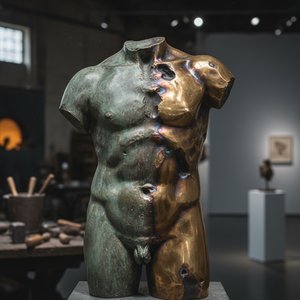
Bronse skulpturers varige arv: Historie, teknikker og samtidstolkninger
Utforsk bronseskulpturers fascinerende historie og teknikker. Ekspertinnsikt for kunstsamlere, investeringstips og moderne tolkninger. Lær mer nå!
