Forhåndsvisning
 Send
Send Del
Del
 Vis detaljer
 Utskriftsvennlig guide

 Last ned bilde
 Liknende objekter
 Røntgenundersøkelse
 Lysbildefremvisning
 Q&A
Q&A Statistikk
The green vineyard


 Vis hele teksten
Giclée / Kunsttrykk
Giclée- eller lerretsprint av museumskvalitet med rask produksjon og fleksible valgmuligheter for etterbehandling. ( Kjøp håndmalt maleri Bytt til digitalt bilde)




P118B Nkr10

P118H Nkr10

P118W Nkr10

P438Z Nkr10

P508JH Nkr12

P508YH Nkr12

P805H Nkr10

P805Z Nkr10

P919BZ Nkr10

P919G Nkr10

P919XJ Nkr10

P959ZH Nkr10

P968JZ Nkr12

W106C Nkr8

W218G Nkr10

W218JH Nkr8

W218Y Nkr10

W307PJ Nkr10

W316G Nkr10

W316PJ Nkr8

W316Y Nkr10

W398PJ Nkr8

W4111J Nkr10

W500HY Nkr15

W500JH Nkr15

W692G Nkr12

W849H Nkr8

W940BG Nkr15

W953PJ Nkr8




Velg mellom våre forhåndsdefinerte størrelser som bevarer kunstverkets opprinnelige proporsjoner.

Skriv inn ønsket bredde og høyde for å tilpasse trykket til din ramme eller vegg. Et trykk kan kun beskjæres, aldri skaleres opp utover motivets opprinnelige størrelse, noe som betyr at et format med andre proporsjoner vil føre til tap av deler av bildet. Vi sender deg en digital mockup for godkjenning før vi starter trykkeprosessen. Bildet som vises på denne siden viser ikke den faktiske beskjæringen — det er kun mockuppen som viser dette.
Verdensomspennende levering () på 2 uker i stedet for standard 4/5 uker. (1 November)

Gratis ekspressfrakt over hele verden

Lerretsduk av lin av høy kvalitet

Full transportforsikring

Garanti for refusjon av toll og importavgifter

Garantert fargegjengivelse

100 dagers returrett ved fabrikasjonsfeil

100% pengene tilbake-garanti

Rabatt ved flere kjøp
 Glassalternativet er kun tilgjengelig i størrelser under 110 cm

The green vineyard
Giclée / Kunsttrykk
Størrelse på reproduksjon
-


Totalpris for valgte alternativer
Nkr 770
A Symphony of Color and Effort: Exploring Vincent van Gogh’s “The Green Vineyard”
“The Green Vineyard,” painted in 1888, stands as a testament to Vincent van Gogh's unwavering dedication to capturing the beauty of the natural world – and his profound emotional investment within it. Created during a period of intense artistic fervor, this landscape embodies the artist’s characteristic style: bold brushstrokes, vibrant hues, and an almost palpable sense of movement that transcends mere representation. It wasn’t simply about depicting what he saw; it was about conveying how he *felt*.The Artist's Vision – Driven by Passion
Van Gogh’s correspondence reveals a man consumed by his craft, wrestling with the challenge of translating his inner experience onto canvas. He wrote to Gauguin about an “extraordinary fever for work,” describing his determination to seize upon the exceptional beauty of Montmajour’s vineyards—a fleeting moment he felt compelled to immortalize. This fervor isn't merely artistic ambition; it speaks to a deeper yearning for connection with nature and a desire to express profound emotion. The artist himself acknowledged the arduous process, admitting “I sweated blood and tears” over its completion – an honest portrayal of the sacrifices demanded by his uncompromising pursuit of artistic truth.Technique and Style: Impasto and Vibrant Color Palette
The painting’s technique is instantly recognizable as impasto—thickly applied paint that creates a textured surface, lending physicality to the image. This deliberate layering of pigment isn't accidental; it serves to amplify the emotional intensity of the scene. Van Gogh utilized a masterful color palette dominated by greens – ranging from deep emerald to pale lime – punctuated by splashes of purple, yellow, orange, and red. These colors aren’t merely decorative; they are carefully chosen to evoke feelings of warmth, vitality, and optimism. The artist skillfully employs light and shadow to sculpt the landscape, creating depth and drama that draws the viewer into the scene.Historical Context – Impressionism's Legacy
“The Green Vineyard” firmly resides within the broader context of Impressionism, though Van Gogh’s approach diverges significantly from its predecessors. While Impressionists sought to capture fleeting moments of light and atmosphere—primarily outdoors—Van Gogh prioritized conveying emotion above all else. He was influenced by Cézanne’s exploration of form and structure, pushing beyond mere optical perception to delve into the psychological realm. The painting reflects the burgeoning interest in depicting subjective experience during a time when artistic conventions were undergoing significant transformation.Symbolism – Humanity Amidst Nature's Splendor
Beyond its technical brilliance, “The Green Vineyard” is laden with symbolic significance. The depiction of figures—ladies shaded by umbrellas and grape pickers tending to their vines—represents humanity’s engagement with the rhythms of rural life. These individuals aren’t merely incidental additions; they serve as anchors for the viewer's gaze, reminding us that beauty exists alongside labor and perseverance. Furthermore, the vibrant colors – particularly the orange roofs of the farms – symbolize prosperity and warmth, contrasting against the cool hues of the sky.Emotional Impact – A Window into Van Gogh’s Soul
Ultimately, “The Green Vineyard” succeeds in transporting the viewer to a moment of profound beauty and emotional resonance. The painting captures not just what Van Gogh saw but how he felt—a visceral response to the splendor of nature and an unwavering commitment to artistic expression. It's a piece that speaks to our own desire for connection with the natural world, reminding us of the transformative power of art to convey emotion and capture the essence of human experience. Its enduring appeal lies in its ability to evoke feelings of tranquility, joy, and contemplation—a testament to Van Gogh’s genius as both an artist and a man.Spørsmål og svar
Hvilken kunstner og hvilken stil står bak "The green vineyard"?
Vincent Van Gogh skapte "The green vineyard" innenfor Impressionistic Landscape-bevegelsen.
Hvor kan jeg kjøpe et digitalt bilde av "The green vineyard" av Vincent Van Gogh?
For å få en digital fil av "The green vineyard" av Vincent Van Gogh, kan du bestille nedlasting av et digitalt bilde i høy oppløsning på siden Digitalt kunstverk.
Hvilken stemning formidler Impressionistic Landscape-verket "The green vineyard"?
Den Tranquil stemningen i "The green vineyard" ledsager dens Impressionistic Landscape-stil.
Om kunstneren
Et liv malt med lidenskap: Vincent van Gogh
Vincent Willem van Gogh, et navn synonymt med levende farger og rå emosjoner, forblir en av de mest gjenkjennelige og elskede skikkelsene i kunsthistorien. Han ble født 30. mars 1853 i Zundert i Nederland, og hans reise fra en urolig ung mann på søken etter mening til en kunstnerisk visjonær er en gripende fortelling om dedikasjon, kamp og, til slutt, en evigvarende arv. Selv om han oppnådde lite kommersiell suksess i sin levetid – med salget av kun ett maleri, Den røde vinmark, før sin død – er Van Goghs innvirkning på moderne kunst umålelig; han banet vei for ekspresjonismen og påvirket utallige kunstnere som fulgte etter ham. Hans historie handler ikke bare om penselstrøk og lerreter; det er et vitnesbyrd om menneskelig uttrykksevne i møte med motgang.
De tidlige år og den kunstneriske oppvåkningen
Van Goghs tidlige liv var preget av en rekke uoppfylte ambisjoner. Han prøvde seg på ulike yrker – som kunsthandler, lærer og til og med misjonær – før han endelig viet seg til malerkunsten i en relativt sen alder av 27 år. Disse tidlige erfaringene formet hans verdensbilde dypt og fant veien inn i kunsten hans. Hans første verk, som skildret scener fra bondelivet på den belgiske landsbygda, reflekterer en dyp empati for arbeiderklassen og en dyster palett som speilet deres harde kår. Inspirert av kunstnere som Jean-François Millet, søkte Van Gogh å fange verdigheten og motstandskraften til disse menneskene gjennom en rå realisme. Det var imidlertid flyttingen til Paris i 1886 som viste seg å være transformativ. Der kom han i kontakt med impresjonismen og postimpresjonismen, og absorberte teknikkene til mestre som Monet, Renoir og Pissarro. Denne eksponeringen utvidet hans kunstneriske horisont og førte ham til å eksperimentere med lysere farger og løsere penselstrøk, selv om han beholdt en distinkt emosjonell intensitet som manglet hos mange av hans samtidige. Hans bror Theo, som var kunsthandler, spilte en avgjørende rolle i denne perioden ved å tilby økonomisk støtte og fungere som et livsviktig bindeledd til den parisiske kunstverdenen. Deres omfattende korrespondanse gir uvurderlig innsikt i Van Goghs kunstneriske utvikling og personlige kamper.
Det sørlige lyset og eksplosiv kreativitet
I søken etter et mer levende landskap og en følelse av fornyelse, flyttet Van Gogh til Arles i Sør-Frankrike i 1888. Denne flyttingen markerte en periode med intens kreativ produksjon, preget av en eksplosjon av farger og en særegen impasto-teknikk – der malingen påføres tykt på lerretet for å skape en teksturert overflate som virker å pulsere av energi. Det var her han skapte noen av sine mest ikoniske verk: Solblomster, Nattkafeen og Stjernenatten. Det intense sollyset i Provence så ut til å tenne hans fantasi, noe som førte til at han fremstilte landskap og stilleben med en uovertruffen vitalitet. Hans ønske om kunstnerisk samarbeid førte til at han inviterte Paul Gauguin til Arles, i håp om å etablere en utopisk kunstnerkoloni. Forholdet mellom dem viste seg imidlertid å være ustabilt, og kulminerte i en dramatisk konfrontasjon som resulterte i at Van Gogh mutilerte sitt eget øre. Denne hendelsen understreket skjørheten i hans mentale tilstand og markerte begynnelsen på en periode med institusjonalisering og økende psykisk lidelse.
De senere år og en evigvarende arv
Etter sitt sammenbrudd ble Van Gogh frivillig innlagt på et asyl i Saint-Rémy, hvor han fortsatte å male produktivt og fanget de omkringliggende landskapene med både skjønnhet og uro. Verk som Stjernenatten, malt i denne perioden, er gjennemsyret av en følelse av kosmisk undring og dyp emosjonell dybde. Han flyttet senere til Auvers-sur-Oise under pleie av Dr. Paul Gachet, men kampene vedvarte. Den 29. juli 1890, i en alder av 37 år, døde Van Gogh tragisk av et selvpåført skuddsår. Til tross for at han oppnådde lite anerkjennelse i sin levetid, begynte arbeidet hans å vinne posthum berømmelse, i stor grad takket være den utrettelige innsatsen til hans svigerinne, Johanna van Gogh-Bonger, som arvet boet og viet sitt liv til å fremme hans kunst. I dag feires Van Goghs malerier over hele verden for sin emosjonelle intensitet, sine innovative teknikker og sin tidløse skjønnhet. Hans arv strekker seg langt utover lerretet; han har blitt et symbol på kunstnerisk lidenskap, utholdenhet i møte med motgang, og kunstens kraft til å uttrykke de dypeste menneskelige følelser.
Viktige påvirkninger og kunstnerisk utvikling
- Tidlig realisme: Jean-François Millets skildringer av bondelivet påvirket Van Goghs tidlige verk.
- Impresjonisme og postimpresjonisme: Møtet med Monet, Renoir, Pissarro og andre i Paris utvidet hans palett og teknikk.
- Japanske tretrykk: Van Gogh ble dypt påvirket av japanske tresnitt, som han samlet ivrig på. Deres dristige komposisjoner og flate fargefelt preget hans egen stil.
- Emosjonelt uttrykk: Fremfor alt søkte Van Gogh å formidle følelser gjennom sin kunst, der han prioriterte den subjektive opplevelsen over objektiv representasjon. Dette fokuset på emosjonell intensitet ble et definerende trekk ved hans arbeid og banet vei for ekspresjonismen.
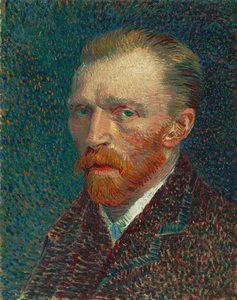
Vincent Van Gogh
1853 - 1890 , Nederland
Kort om kunstneren
- Artistic Movement Or Style: Post-Impressionisme
- Artists Or Movements Influenced By This Artist:
- Expressionisme
- Fauvisme
- Artists Who Influenced This Artist:
- Rembrandt
- Millet
- Date Of Birth: 30 mars 1853
- Date Of Death: 29 juli 1890
- Full Name: Vincent Willem van Gogh
- Nationality: Nederlands
- Notable Artworks:
- Potetspiserne
- Solblomster
- Stjernekvelds nat
- Place Of Birth: Zundert, Nederland
Relaterte artikler

The Soul of the Brushstroke: Decoding Van Gogh's Emotional Impasto
Explore the profound emotional depth of Van Gogh's impasto technique. Discover how his sculptural brushstrokes and textured oil layers define Post-Impressionism through an expert art-historical lens, perfect for discerning collectors and fine art enthusiasts.
Decoding Van Gogh's Turmoil: OriginalUniqueArt’s Masterful Reproductions of Emotional Depth
Discover exquisite Van Gogh reproductions from OriginalUniqueArt – expert art specialists offering museum-quality prints & custom paintings. Trust our authentic process and elevate your collection today.

Postimpresjonismens 10 Mesterverk: Kunst som Forandret Verden – OriginalUniqueArt.no
Oppdag postimpresjonismens 10 mest ikoniske mesterverk! Van Gogh, Monet, Cézanne og Gauguin – lær historien bak disse fargerike maleriene. Finn museumskvalitets kunsttrykk & inspirasjon til ditt hjem på OriginalUniqueArt.com.

Rembrandts Mesterverk: Topp 25 Kunstverk for Din Vegg | OriginalUniqueArt.no
Utforsk Rembrandts 25 mest ikoniske kunstverk! Oppdag historiene bak mestermalerier, portretter og bibelske scener fra den nederlandske barokken. Finn museumskvalitets reproduksjoner & interiørinspirasjon på OriginalUniqueArt.com.

Decoding Impasto: The Emotional Power and Texture of Van Gogh's Brushstrokes
Explore the profound emotional depth of Van Gogh's impasto technique. Discover how his sculptural brushstrokes and textured oil layers define Post-Impressionism through an expert art-historical lens, perfect for discerning collectors and fine art enthusiasts.