

 Se i rommet
 Del som digitalt kort
 Del
Del
 Detaljer
 Studentguide

 Last ned
 Liknende objekter
 Røntgen
 Lysbildefremvisning
 Besøksstatistikk
NB 22 Caope


 Les mer
Kunstverket som vises på denne siden er beskyttet av opphavsretten, noe som betyr at vi ikke har juridisk tillatelse til å lage eller selge identiske reproduksjoner. Denne beskyttelsen håndheves i henhold til internasjonale avtaler som for eksempel Bernerkonvensjonen og av nasjonale lover, inkludert de som er fastsatt i Amerikansk opphavsrettslov – Tittel 17.
Denne metoden er i fullt samsvar med opphavsrettslige regler, da den ikke innebærer kopiering eller duplisering av det beskyttede kunstverket. I stedet er det snakk om en kreativ nytolkning – et nytt maleri som er inspirert av originalen, men ikke identisk med den.
Giclée / Kunsttrykk
Giclée- eller lerretsprint av museumskvalitet med rask produksjon og fleksible valgmuligheter for etterbehandling. ( Bestill håndmalt reproduksjon Gå til digitalt bilde)




P118B Nkr10

P118H Nkr10

P118W Nkr10

P438Z Nkr10

P508JH Nkr12

P508YH Nkr12

P805H Nkr10

P805Z Nkr10

P919BZ Nkr10

P919G Nkr10

P919XJ Nkr10

P959ZH Nkr10

P968JZ Nkr12

W106C Nkr8

W218G Nkr10

W218JH Nkr8

W218Y Nkr10

W307PJ Nkr10

W316G Nkr10

W316PJ Nkr8

W316Y Nkr10

W398PJ Nkr8

W4111J Nkr10

W500HY Nkr15

W500JH Nkr15

W692G Nkr12

W849H Nkr8

W940BG Nkr15

W953PJ Nkr8




Velg mellom våre forhåndsdefinerte størrelser som bevarer kunstverkets opprinnelige proporsjoner.

Skriv inn bredden og høyden du trenger, slik at den passer til din ramme eller vegg. Et trykk kan kun beskjæres, aldri gjøres større enn bildet, så et format med en annen form vil miste en del av motivet. Vi sender deg en digital mockup for godkjenning før vi trykker noe som helst. Bildet som vises på denne siden viser ikke den faktiske beskjæringen — det er kun mockuppen som gjør det.
Verdensomspennende levering () på 2 uker i stedet for standard 4/5 uker. (21 October)

Gratis ekspressfrakt over hele verden

Lerretsduk av høykvalitets lin

Full transportforsikring

Garanti for refusjon av toll og importavgifter

Garantert fargeekthet

100 dagers returrett ved fabrikasjonsfeil

100% pengene tilbake-garanti

Mengderabatt
 Glassalternativet er kun tilgjengelig i størrelser under 110 cm

NB 22 Caope
Giclée / Kunsttrykk
Format på reproduksjon
-


Totalpris
Nkr 755
NB 22 Caope: A Geometric Symphony by Victor Vasarely
Victor Vasarely’s “NB 22 Caope” is more than just an abstract painting; it's a meticulously crafted portal into the heart of Op Art, a movement that sought to redefine our perception of reality. This striking work, dominated by a precisely arranged grid of black and white circles, exemplifies Vasarely’s pioneering approach to visual illusion – a technique he developed with mathematical rigor and an almost obsessive attention to detail. The image itself captures a key moment in the artist's career, showcasing his mastery of creating dynamic movement and depth through seemingly static geometric forms.
At first glance, “NB 22 Caope” presents a stark simplicity: a tightly controlled composition of circles. However, closer observation reveals a sophisticated interplay of overlapping shapes and subtle variations in size. This creates an illusion of three-dimensionality, drawing the viewer’s eye across the canvas and generating a captivating sense of movement – a hallmark of Op Art. The deliberate restriction to black and white amplifies this effect, maximizing contrast and intensifying the optical stimulation.
The Genesis of Optical Illusion
Born in Pécs, Croatia (then part of Austria-Hungary) in 1906, Victor Vasarely’s artistic journey began far from the world of abstract art. Initially pursuing medical studies, he was drawn to visual expression and ultimately embraced a path shaped by geometric abstraction. His formative years were profoundly influenced by the Bauhaus movement, particularly through his association with Sándor Bortnyik's “Műhely” workshop in Budapest – a space where functional design principles and rigorous mathematical calculations converged. This background is crucial to understanding Vasarely’s approach; he didn’t simply paint circles; he engineered visual experiences.
Vasarely’s work, like that of many Op Artists, was driven by a desire to challenge traditional notions of representation. Rather than depicting recognizable objects, he sought to manipulate the viewer's perception directly, creating an illusion of movement and depth through carefully arranged geometric patterns. The ‘NB 22 Caope’ series, created between 1962 and 1968, represents a peak in this exploration, demonstrating his refined control over optical effects.
Symbolism and the Pursuit of “Art for All”
While strictly abstract, "NB 22 Caope" resonates with potential symbolic interpretations. The repetitive pattern of circles can be seen as representing growth, cycles, or even interconnectedness – themes frequently explored by Vasarely. He famously stated his goal was to create ‘art for all,’ accessible and engaging regardless of prior artistic knowledge. This accessibility is achieved through the immediate, visceral impact of the work’s optical effects.
The Fondation Vasarely, established in Aix-en-Provence, continues to champion Vasarely's legacy, showcasing his innovative approach to art and design. Reproductions like this one allow us to experience firsthand the power of his geometric vision – a testament to the enduring appeal of Op Art’s exploration of perception.
Spørsmål og svar
Hvilken stemning uttrykker "NB 22 Caope" av Victor Vasarely innenfor Optical Illusion?
Innenfor Optical Illusion-retningen er "NB 22 Caope" nedtegnet med en Calm tone.
Hvilken størrelse og hvilket format anbefales for trykk av "NB 22 Caope"?
For "NB 22 Caope" er den anbefalte trykkinnstillingen størrelse Large og Square orientering.
Hvor mange ser på "NB 22 Caope"?
Siden Statistikk for "NB 22 Caope" av Victor Vasarely presenterer offentlig besøksstatistikk: månedlige besøk for dette kunstverket, en sammenligning med kunstnerens mest viste verk, og hvor de besøkende kommer fra.
Kunstnerbiografi
A Life Forged in Geometry: The World of Victor Vasarely
Victor Vasarely, født Károly Vaszary i Pécs i Kroatia (1906) og død i Paris i 1997, var en banebrytende ungarsk-fransk kunstner som revolusjonerte vår forståelse av visuell opplevelse. Hans reise fra medisinstudier til å bli en pioner innen Op Art og kinetisk kunst er et fascinerende eksempel på en livsvei formet av lidenskap for estetikk og en dyp utforskning av hvordan vi ser verden. I sin tidlige ungdom hintet livet hans om en vei langt unna lerretet; han begynte med medisinstudier ved Eötvös Loránd University i Budapest, men den visuelle uttrykkslysten viste seg å være for sterk til å ignoreres. I 1927 tok han et avgjørende skritt og forlot medisinen for kunstverdenen, og meldte seg inn på Podolini-Volkmann Academy. Dette var ikke bare en endring i yrke, men begynnelsen på en livslang utforskning av de grunnleggende prinsippene som styrer vår persepsjon og form. Et vendepunkt kom med hans oppfølging av Sándor Bortnyik’s workshop – Műhely – et verksted dypt påvirket av Bauhaus-bevegelsen. Her absorberte Vasarely prinsipper for funksjonell design og geometrisk abstraksjon, frø som ville blomstre i hans signaturstil. Disse formative årene var ikke bare om å tilegne seg teknikk; det var om å rive ned tradisjonelle kunstkonvensjoner og omfavne et nytt visuelt språk basert på logikk og presisjon.From Early Abstraction to the Dawn of Op Art
Senhøstes i 1920-årene og tidlig i 1930-årene begynte Vasarely gradvis å avvike fra representasjonell kunst, og dykket dypere inn i geometrisk abstraksjon. Verk som “Blue Study” og “Green Study”, skapt i 1929, illustrerer denne overgangen – en bevisst avvikling av narrativt innhold til fordel for ren form og fargeforhold. Selv om han var påvirket av mestere som Piet Mondrian og Kazimir Malevich, var Vasarely ikke fornøyd med å bare etterligne deres stiler. Han søkte å overskride de statiske komposisjonene til sine forgjengere, og siktet mot en dynamikk som aktivt ville engasjere betrakterens persepsjon. Dette jakten førte ham til Paris i 1930, hvor han etablerte seg som grafisk designer og reklamekunstner, og finpusset sine ferdigheter samtidig som han fortsatte å utvikle sin unike kunstneriske visjon. Det var under denne perioden at han begynte å eksperimentere med teknikker som senere ble kjennetegn på Op Art – manipulering av former og farger for å skape illusjoner av bevegelse og dybde. Frøene ble sådd for en revolusjon i vår visuelle opplevelse.The Systematic Illusion: Defining a Movement
Ved 1960-tallet hadde Victor Vasarely fullt ut etablert seg som en ledende figur i den voksende Op Art-bevegelsen. I motsetning til mange kunstnere som stolte på intuisjon og spontan uttrykk, tok Vasarely en distinkt systematisk tilnærming til sitt arbeid. Han brukte grid og matematiske prinsipper for å generere mønstre som skapte kraftige optiske illusjoner – visuelle vibrasjoner, virvlende effekter og følelser av dybde der det ikke fysisk eksisterte. Dette var ikke om å lure; det var om å avsløre den iboende dynamikken i persepsjon selv. Han trodde på reproduksjon og bred tilgjengelighet, med sikte på å demokratisere kunst ved å gjøre den tilgjengelig utenfor gallerienes og museenes grenser. Hans arbeid utfordret betrakterne til å stille spørsmål ved sin egen visuelle opplevelse, tvingende dem til aktivt å delta i skapelsen av mening. Denne bevisste involveringen i persepsjon skilte seg fra Op Art og sikret hans plass på toppen av bevegelsen. Han var ikke bare malte bilder; han konstruerte opplevelser.Historical Significance and Lasting Legacy
Vasarely’s bidrag til kunsthistorien er mangefasettert. Han forlot tradisjonelle maleteknikker for å skape verk som aktivt engasjerer betrakterens persepsjon. Hans systematiske tilnærming utfordret konvensjonelle oppfatninger av kunstnerisk kreativitet og banet vei for datagenerert kunst og digital design. Ved å omfavne reproduksjon og kommersielle applikasjoner, utviste Vasarely grensene mellom fin kunst og populærkultur, og etterlot seg et varig inntrykk på både feltet. Han var ikke bare skapte estetisk tiltalende objekter; han utførte visuelle eksperimenter som avslørte grunnleggende sannheter om hvordan vi ser verden. Hans arbeid resonnerer fortsatt i dag, minner oss om kraften av abstraksjon, skjønnheten i geometri og de uendelige mulighetene for menneskelig kreativitet. Han var en pioner som utvidet grensene for hva kunst kunne være, og hans innflytelse vil fortsette å bli følt i generasjoner fremover.Key Achievements and Artistic Exploration
Vasarely’s kunstneriske utforskning gikk langt utover statiske illusjoner. Han engasjerte seg stadig mer i kinetisk kunst, skapte verk som inkluderte faktisk bevegelse eller virket å bevege seg gjennom nøye orkestrert visuelle effekter. “Georges Pompidou” (1976), et stort kinematiske objekt installert på Centre Pompidou i Paris, står som et vitnesbyrd om hans ambisjoner – en integrasjon av kunst med arkitektur og byplanlegging i stor skala. Han demonstrerte også bemerkelsesverdig innovasjon ved å anvende sine design på kommersielle produkter, mest gjennom samarbeidet med Rosenthal porcelain, noe som resulterte i det ikoniske “Suomi” tableware-serien. Denne viljestyringen til å utviske grensene mellom fin kunst og funksjonelle objekter understreket ytterligere hans tro på kunstens potensial for å trenge inn i hverdagen. Etableringen av Fondation Vasarely i Aix-en-Provence sikret bevaring og fremme av hans omfattende verk, mens en bemerkelsesverdig hendelse – inkluderingen av serigraphier ombord på det franske-sovjetiske romfartøyet Salyut 7 i 1982 – symboliserte den globale anerkjennelsen av hans kunst og dens forbindelse til det bredere menneskelige strevet etter utforskning.
Victor Vasarely
1906 - 1997 , Kroatia
Kort om kunstneren
- Artistic Movement Or Style: Op Art, Kunst i bevegelse
- Artists Or Movements Influenced By This Artist:
- Grafisk design
- Interiørdesign
- Artists Who Influenced This Artist:
- Piet Mondrian
- Kazimir Malevich
- Date Of Birth: 9 April 1906
- Date Of Death: 15 mars 1997
- Full Name: Victor Vasarely
- Nationality: Ungarsk-Fransk
- Notable Artworks:
- Blå Studie
- Grønn Studie
- Place Of Birth: Pécs, Kroatia
Relaterte artikler

Victor Vasarely: Pioneering Op Art & Democratizing Visual Experience
Explore the revolutionary world of Victor Vasarely, father of Op Art. Discover his geometric masterpieces, artistic system, & lasting impact on modern design. A guide for discerning art collectors.

Neo-Abstract Art: The High-Impact Evolution of Modern Visual Energy and Geometric Sophistication
Discover the power of Neo-Abstract art. Explore how bold geometric forms and high-impact visual energy are redefining modern design. Learn to curate sophisticated, high-energy spaces with the latest trends in contemporary abstraction and structural color.

Geometrisk Abstraksjon: Topp 10 Mesterverk for Kunstelskere – OriginalUniqueArt.com
Utforsk de 10 mest innflytelsesrike verkene innen geometrisk abstraksjon! Oppdag historiene bak Mondrian, Kandinsky og Malevich. Finn inspirasjon til interiøret med OriginalUniqueArt.coms eksklusive reproduksjoner – museumskvalitet for ditt hjem. Utforsk samlingen online!

Kandinskys 25 Mesterverk: En Reise i Abstrakt Kunst og Fargeharmoni | OriginalUniqueArt.no
Utforsk Wassily Kandinskys 25 mest ikoniske malerier! Oppdag historien bak abstrakt kunst, ekspresjonisme og fargeharmoni. Finn inspirasjon til interiøret – museumskvalitet reproduksjoner på OriginalUniqueArt.com.
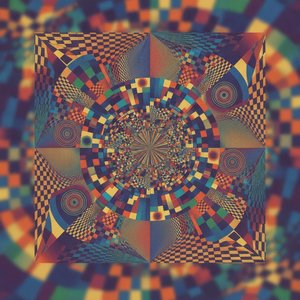
Mastering Illusion: The Vibrant World of Victor Vasarely's Op Art and the Geometry of Perception
Explore the mesmerizing world of Victor Vasarely. Discover how his Bauhaus-inspired Op Art masters the science of perception through geometric abstraction and vibrant color. A sophisticated guide for discerning art collectors seeking to understand the legacy of optical illusion.


