
 Forhåndsvisning
 Send
Send Del med andre
 Vis detaljer

 Last ned bildet
 Liknende objekter
 Røntgenundersøkelse
 Lysbildefremvisning
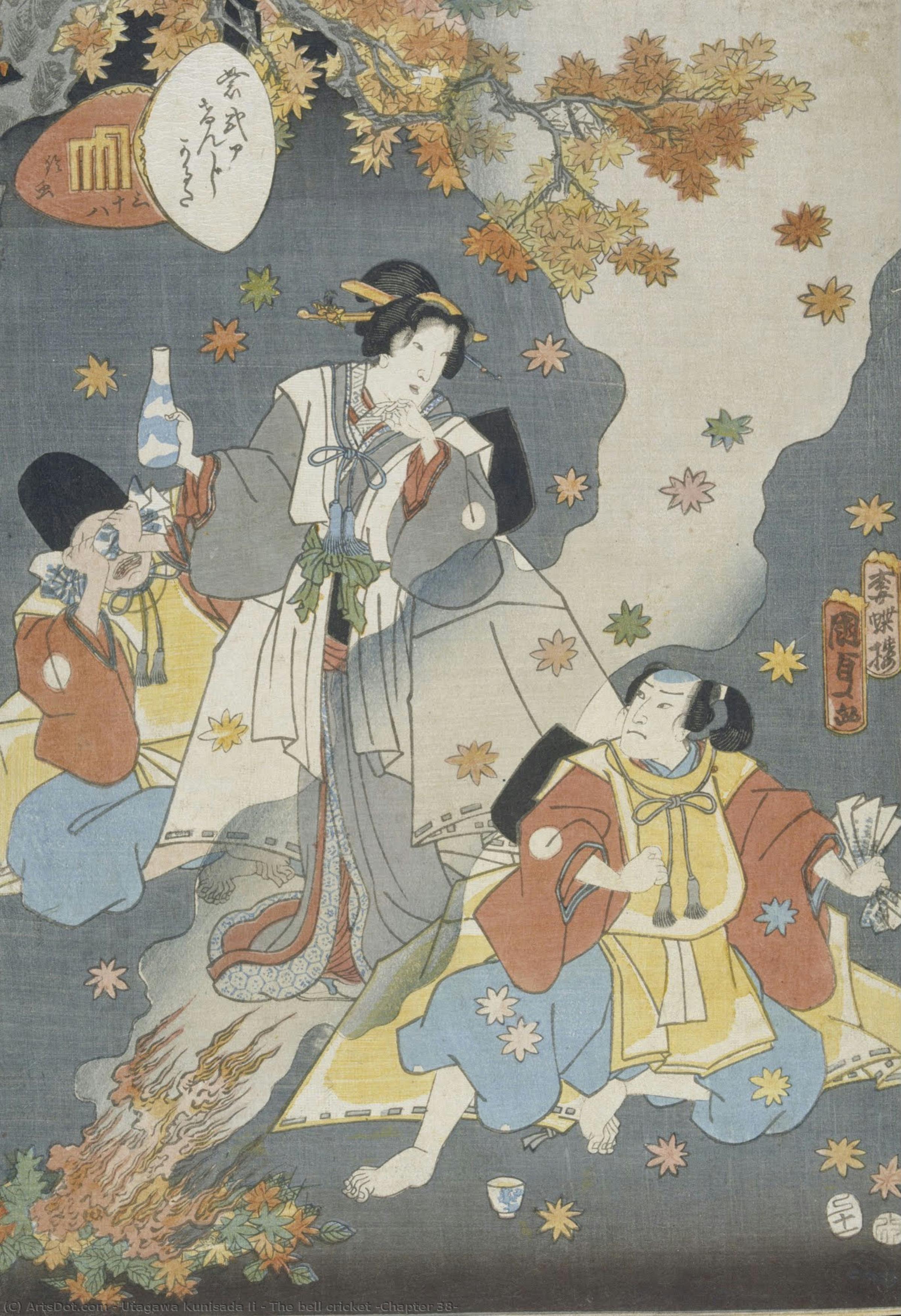
The bell cricket (Chapter 38)
 Japanese Edo Period
 1857
1857 33.0 x 22.0 cm
 Art Gallery of New South Wales
 Vis hele teksten
Håndlaget oljereproduksjon
Håndmalt olje på lerret i din valgte størrelse og ramme, laget på bestilling av våre kunstnere. ( Kjøp trykk Kjøp bilde)




P118B $10

P118H $10

P118W $10

P438Z $10

P508JH $12

P508YH $12

P805H $10

P805Z $10

P919BZ $10

P919G $10

P919XJ $10

P959ZH $10

P968JZ $12

W106C $8

W218G $10

W218JH $8

W218Y $10

W307PJ $10

W316G $10

W316PJ $8

W316Y $10

W398PJ $8

W4111J $10

W500HY $15

W500JH $15

W692G $12

W849H $8

W940BG $15

W953PJ $8




Velg mellom våre forhåndsdefinerte størrelser som bevarer kunstverkets opprinnelige proporsjoner.

Du kan angi egne mål for å tilpasse en spesifikk ramme eller plass. Dersom den valgte størrelsen ikke samsvarer med originalbildets proporsjoner, vil vi enten beskjære kunstverket eller utvide maleriet med ytterligere håndmalte elementer. En digital mockup vil bli sendt til din godkjenning før produksjonen starter.
Vennligst merk at forhåndsvisningen på skjermen ikke gjenspeiler den faktiske beskjæringen eller utvidelsen. Kun mockuppen vil vise den endelige komposisjonen nøyaktig.
Selv om tilpassede størrelser er tilgjengelige, anbefaler vi å velge et mål fra den forhåndsdefinerte listen for å bevare de originale proporsjonene.
Etter bestilling vil OriginalUniqueArt.com-teamet sende e-post til kunden for instruksjoner og sende et utkast (mockup) som forhåndsvisning.
Verdensomspennende levering () på 3–4 uker i stedet for standard 5 uker. (20 August). Ingen kompromisser med kvaliteten.

Gratis ekspressfrakt over hele verden

Lerretsduk av høykvalitets lin

Full forsikring under transport

Garanti for refusjon av toll og importavgifter

Garantert korrekt fargegjengivelse

60 dagers returrett (kun ved feil)

100% pengene tilbake-garanti

Rabatt ved flere kjøp
 Glassalternativet er kun tilgjengelig i størrelser under 110 cm

The bell cricket (Chapter 38)
Teknikk for reproduksjon
Størrelse på reproduksjon
-


Endelig pris
$ 300
Beskrivelse av kunstverket
The Bell Cricket (Chapter 38): A Symphony of Harmony in Edo Period Printmaking
Utagawa Kunisada II’s “The Bell Cricket” (Chapter 38), created in 1857, transcends mere visual representation; it embodies the spirit of its time—the waning Edo period and a fascination with literary themes. Published by Tsutaya Kichizo during this transitional era, this Oban tate-e print exemplifies Kunisada II’s masterful command of ukiyo-e technique and delves into profound psychological considerations. The image depicts three women engaged in conversation amidst a serene garden setting—a deliberate choice reflecting the influence of Murasaki Shikibu's seminal novel “The Tale of Genji,” which served as inspiration for this series.- Subject Matter: The scene captures a moment of quiet contemplation, portraying women enjoying companionship and engaging in animated discussion. A bottle sits prominently on the left side of the composition, adding to the visual richness and subtly hinting at themes of intimacy and reflection.
- Style & Technique: Kunisada II’s signature style—characterized by meticulous detail and vibrant color palettes—is evident throughout. The print utilizes woodblock printing with ink and gold leaf, a technique perfected during the Edo period, resulting in stunning tonal gradations and luminous highlights that capture the ethereal quality of candlelight illuminating the garden.
- Historical Context: “The Bell Cricket” emerged as part of a larger series exploring themes from “The Tale of Genji,” a cornerstone of Japanese literature. This series reflects the anxieties and aspirations of the era, grappling with notions of beauty, morality, and societal expectations—particularly concerning women’s roles in society.
- Symbolism: The bell cricket itself symbolizes good fortune and renewal, aligning perfectly with the narrative's exploration of hope amidst adversity. The careful arrangement of figures and objects contributes to a harmonious composition that conveys a sense of tranquility and understated elegance.
Exploring Kunisada II's Artistic Legacy
Kunisada II, a student of Toyokuni III (Kunisada I), skillfully honed his craft while simultaneously upholding the traditions of his master. Despite not achieving the same level of fame as his predecessor, Kunisada II’s prolific output—spanning over 40 series—solidifies his position as one of Japan's most celebrated ukiyo-e artists. His enduring influence can be seen in subsequent generations of printmakers and continues to inspire contemporary artists seeking inspiration from Edo period aesthetics. The meticulous attention to detail and masterful use of color exemplify the pinnacle of Japanese woodblock printing artistry.A Reproduction Worth Admiring
A hand-painted reproduction of “The Bell Cricket” offers a captivating glimpse into Kunisada II’s artistic vision—a testament to his skill and an opportunity to bring this iconic image into your home. Utilizing the finest materials—premium paper, ink, and gold leaf—the reproduction faithfully captures the original print's luminosity and textural richness. It serves as more than just decoration; it’s a connection to Japanese art history and a celebration of timeless beauty.Om kunstneren
**tidlig liv og opplæring**
utagawa kunisada ii, også kjent som toyokuni iv, var en berømt japansk ukiyo-e-tretrykkdesigner født i edo, japan i 1823. Han var en elev av utagawa kunisada i og signerte mye av sitt tidlige arbeid under navnet kunimasa iii. Rundt 1850-51 tok han i bruk navnet kunisada ii, noe som markerte hans arv innen utagawa-skolen.**kunstnerisk stil og fremtredende verk**
Kunisada ii sine trykk inkluderer over 40 serier, som hovedsakelig forestiller skuespillere (yakusha-e), samt portretter av vakre kvinner, illustrasjoner av scener fra litteraturen, erotikk og andre motiver. Et av hans mest feirede verk er fortellingen om de åtte hundre heltene (hakkendun inu no sōshi no uchi), fra 1852, hentet fra kyokutei bakins episke roman, satomi-klanen og de åtte hundene (nansō satomi hakkenden).**arv og senere liv**
Kunisada ii ledet utagawa-skolen og arbeidet i sin mesters stil, men oppnådde aldri helt samme grad av suksess. Hans popularitet avtok i meiji-perioden (1868–1912), og det ser ut til at han sluttet å lage trykk etter 1874. Han døde den 20. juli 1880 og ble gravlagt ved banshōin kōunji. Hans buddhistiske posthume navn er sankōin hōkokujutei shinji.**bemerkelsesverdige omtaler på OriginalUniqueArt.com**
- se utgawa kunisada ii sine kunstverk på OriginalUniqueArt.com
- utforsk hokkaido museum of modern art (japan) på OriginalUniqueArt.com
- oppdag nonoyama kōzans malerier på OriginalUniqueArt.com
**viktige punkter i kunisada ii sitt liv**
- 1823: født i edo, japan
- 1850-51: tok i bruk navnet kunisada ii
- 1852: skapte fortellingen om de åtte hundre heltene
- 1868–1912: meiji-perioden, hvor hans popularitet avtok
- 20. juli 1880: gikk bort og ble gravlagt ved banshōin kōunji
**videre lesning på OriginalUniqueArt.com**

Utagawa Kunisada Ii
1823 - 1880 , Japan
Kort om kunstneren
- Artistic Movement Or Style: Ukiyo-e (yakusha-e)
- Artists Or Movements Influenced By This Artist: ['Utagawa-skolen']
- Artists Who Influenced This Artist: ['Utagawa Kunisada I']
- Date Of Birth: 1823
- Date Of Death: 1880
- Full Name: Utagawa Kunisada II
- Nationality: Japansk
- Notable Artworks:
- Hakkendun Inu no Sōshi no Uchi
- Osaka-skuespilleren Kataoka Gado som An no Heibei
- Place Of Birth: Tokyo, Japan
Relaterte artikler

Katsushika Hokusais 25 Mesterverk: Japansk Kunst for Ditt Hjem | OriginalUniqueArt.no
Utforsk Katsushika Hokusais 25 mest ikoniske kunstverk! Oppdag historiene bak The Great Wave, ukiyo-e tresnitt og japansk estetikk. Finn museumskvalitets reproduksjoner & interiørinspirasjon på OriginalUniqueArt.com.
Ukiyo-e's Greatest Hits: 10 Masterpieces That Shaped a Movement | OriginalUniqueArt
Journey into Japan's 'Floating World'! Explore 10 Ukiyo-e masterpieces by Hokusai, Hiroshige & more. Discover the stories behind these iconic woodblock prints and bring timeless Japanese art to your home with OriginalUniqueArt.com. Explore the full collection online.
Ukiyo-e: Exploring Japan's Floating World & Enduring Artistic Legacy
Explore the captivating world of Ukiyo-e – Japan's iconic woodblock prints! Discover masters like Hokusai & Hiroshige, learn about Edo period culture, and find expert art collecting guidance at OriginalUniqueArt.
Ukiyo-e: The Art of the Floating World and the Legacy of Japanese Woodblock Masters
Explore the profound history of Ukiyo-e, from Hokusai's iconic waves to the vibrant culture of Edo Japan. Discover the intricate craft of woodblock printing and the enduring legacy of these Japanese masterpieces through our expert art history guide.
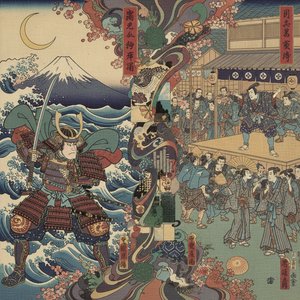
Utagawa Kuniyoshi: A Master of Japanese Ukiyo-e – Narrative Innovation & the Fusion of Tradition with Popular Culture
Explore the captivating world of Utagawa Kuniyoshi, a master of Japanese ukiyo-e woodblock prints. Discover his innovative warrior scenes, vibrant landscapes & lasting legacy in 19th-century art history.

