 Forhåndsvisning
 Send
Send Del
Del
 Vis detaljer
 Utskriftsvennlig guide

 Last ned bilde
 Liknende objekter
 Røntgenundersøkelse
 Lysbildefremvisning
 Spørsmål og svar
 Statistikk
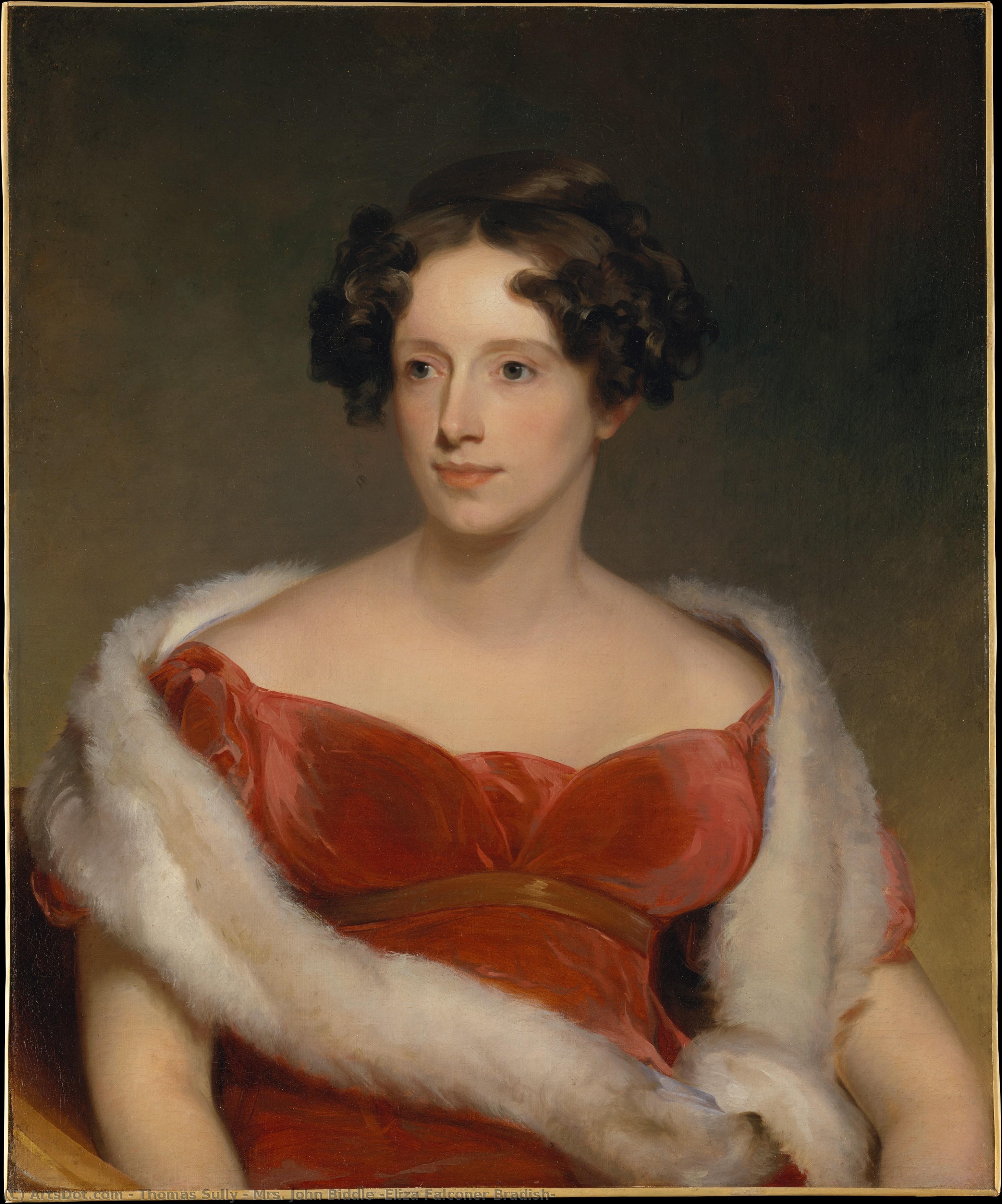
Mrs. John Biddle (Eliza Falconer Bradish)

- 76.0 x 63.0 cm


 Vis hele teksten
Giclée / Kunsttrykk
Giclée- eller lerretsprint av museumskvalitet med rask produksjon og fleksible valgmuligheter for etterbehandling. ( Kjøp håndmalt maleri Bytt til digitalt bilde)




P118B Nkr10

P118H Nkr10

P118W Nkr10

P438Z Nkr10

P508JH Nkr12

P508YH Nkr12

P805H Nkr10

P805Z Nkr10

P919BZ Nkr10

P919G Nkr10

P919XJ Nkr10

P959ZH Nkr10

P968JZ Nkr12

W106C Nkr8

W218G Nkr10

W218JH Nkr8

W218Y Nkr10

W307PJ Nkr10

W316G Nkr10

W316PJ Nkr8

W316Y Nkr10

W398PJ Nkr8

W4111J Nkr10

W500HY Nkr15

W500JH Nkr15

W692G Nkr12

W849H Nkr8

W940BG Nkr15

W953PJ Nkr8




Velg mellom våre forhåndsdefinerte størrelser som bevarer kunstverkets opprinnelige proporsjoner.

Skriv inn ønsket bredde og høyde for å tilpasse trykket til din ramme eller vegg. Et trykk kan kun beskjæres, aldri skaleres opp utover motivets opprinnelige størrelse, noe som betyr at et format med andre proporsjoner vil føre til tap av deler av bildet. Vi sender deg en digital mockup for godkjenning før vi starter trykkeprosessen. Bildet som vises på denne siden viser ikke den faktiske beskjæringen — det er kun mockuppen som viser dette.
Verdensomspennende levering () på 2 uker i stedet for standard 4/5 uker. (6 November)

Gratis ekspressfrakt over hele verden

Lerretsduk av lin av høy kvalitet

Full transportforsikring

Garanti for refusjon av toll og importavgifter

Garantert fargegjengivelse

100 dagers returrett ved fabrikasjonsfeil

100% pengene tilbake-garanti

Rabatt ved flere kjøp
 Glassalternativet er kun tilgjengelig i størrelser under 110 cm

Mrs. John Biddle (Eliza Falconer Bradish)
Giclée / Kunsttrykk
Størrelse på reproduksjon
-


Totalpris for valgte alternativer
Nkr 776
A Vision of Regency Elegance
In the soft, luminous glow of Thomas Sully’s 1818 masterpiece, Mrs. John Biddle (Eliza Falconer Bradish), we encounter more than just a portrait; we step into the refined atmosphere of early nineteenth-century American high society. This exquisite oil on canvas serves as a breathtaking window into an era defined by grace, social aspiration, and the burgeoning Romantic movement. As the eye meets the subject, one is immediately struck by the profound sense of poise held by Eliza Falconer Bradisch. She does not sit with the rigid, unyielding posture often found in earlier aristocratic portraiture; instead, Sully captures her in a moment of relaxed sophistication, an informal pose that suggests a quiet intimacy and a burgeoning ideal of domestic tranquility.
The painting is a masterclass in texture and light, where every brushstroke contributes to a sensory experience. The deep, rich crimson of her velvet gown commands the viewer's attention, its heavy folds rendered with such precision that one can almost feel the weight of the luxurious fabric. Draped across her shoulders, a plush fur stole adds a layer of tactile opulence, contrasting beautifully with the delicate shimmer of the pearls encircling her neck. Sully’s technique, heavily influenced by the British master Thomas Lawrence, utilizes subtle tonal gradations and luminous layering to create a skin tone that appears to radiate from within, imbuing the portrait with a lifelike, breathing quality that is rare in works of this period.
Symbolism and the Romantic Spirit
Beyond the mere depiction of a prominent socialite, the composition is rich with the subtle language of the Romantic era. The interplay between the dramatic flourish of her attire and the soft, focused rendering of her face creates a captivating visual tension. While the opulent drapery speaks to the wealth and status of the Biddle family—a lineage deeply woven into the cultural fabric of Philadelphia—the subject's expression hints at a deeper, more psychological narrative. There is an air of romantic uncertainty beneath the surface, a characteristic hallmark of Sully’s ability to capture the fleeting nuances of human emotion.
The choice of color also plays a pivotal role in the painting's emotional resonance. By diverging from the color palettes used in his earlier portraits of her husband, Major John Biddle, Sully creates a visual dialogue that scholars suggest reflects the complex layers of identity and marital harmony. For the discerning collector or interior designer, this piece offers a profound sense of historical continuity and timeless beauty. It is an artwork that does not merely decorate a space but transforms it, providing a focal point of intellectual depth and aesthetic splendor.
An Inspiration for the Modern Interior
For those seeking to curate a collection that speaks of heritage and refined taste, a high-quality reproduction of Mrs. John Biddle offers an unparalleled opportunity. The painting’s balanced yet dynamic composition makes it an ideal centerpiece for a variety of sophisticated settings, from a classic study lined with leather-bound books to a contemporary living space seeking a touch of historical grandeur. Its ability to evoke feelings of warmth, luxury, and quiet contemplation ensures that it remains a conversation piece for generations.
Integrating such a masterful work into an interior design scheme allows for the introduction of rich textures and a storied past. Whether placed in a gallery-style hallway or as a commanding presence above a mantle, this portrait brings with it the spirit of the American Renaissance—a period where art and identity were inextricably linked. To possess a reproduction of this caliber is to hold a fragment of history, rendered with the meticulous care required to honor Sully’s enduring legacy.
Spørsmål og svar
Når ble "Mrs. John Biddle (Eliza Falconer Bradish)" av Thomas Sully laget, og hvilken stilart tilhører den?
"Mrs. John Biddle (Eliza Falconer Bradish)" ble skapt i 1818 som et verk innenfor Romanticism-retningen. Datoen og kunstretningen forankrer verket i kunsthistorien.
Hvor gammel var Thomas Sully da "Mrs. John Biddle (Eliza Falconer Bradish)" ble skapt?
Da "Mrs. John Biddle (Eliza Falconer Bradish)" ble skapt i 1818, var Thomas Sully – født i 1783 – 35 år gammel.
Hvilken periode i Thomas Sully sin karriere tilhører "Mrs. John Biddle (Eliza Falconer Bradish)"?
"Mrs. John Biddle (Eliza Falconer Bradish)" representerer Thomas Sully sin Mature Period.
Om kunstneren
A Transatlantic Brushstroke: The Life and Art of Thomas Sully
Thomas Sully’s journey is a remarkable tale – one that transcends mere geography, becoming a vibrant tapestry woven from artistic influences, cultural shifts, and the burgeoning spirit of America. Born in 1783 under the skies of Horncastle, Lincolnshire, England, his life wasn't simply defined by birth; it was shaped by an itinerant childhood, culminating in his arrival in Charleston, South Carolina, at the tender age of nine. This early exposure to a transient theatrical world—his parents were actors—instilled within him a keen understanding of capturing fleeting expressions and embodying character – skills that would prove invaluable as he transitioned from the stage to the canvas. Initially drawn to the allure of performance himself, briefly pursuing a career as a tumbler, Sully’s innate talent for observation and representation soon found its true expression in painting. An apprenticeship with an insurance broker provided him with a foundational understanding of detail and precision, but it was his subsequent mentorship by Charles Fraser and later Jean Belzons that ignited the flame of his artistic passion, particularly within the realm of miniature painting – a discipline he mastered before expanding his scope to larger, more ambitious works.From Miniature to Monumental: Forging an American Style
Sully’s artistic development wasn't confined by national borders; it was a dynamic process of assimilation and adaptation. A pivotal moment arrived in 1808 when he embarked on a period of study in London with Benjamin West, a celebrated figure in the British art world. While West’s influence undoubtedly shaped his early technique, it was the profound impact of Thomas Lawrence that truly resonated with Sully. Lawrence's elegant style – characterized by its masterful use of light and texture, and his remarkable ability to capture both likeness and character – became a cornerstone of Sully’s artistic philosophy. Upon returning to America in 1809, he carried this aesthetic with him, earning the moniker “the Sir Thomas Lawrence of America.” However, Sully didn't simply emulate; he skillfully adapted and refined these influences, forging a distinctly American style that blended European sophistication with a uniquely New World sensibility. His portraits weren’t merely photographic reproductions; they were imbued with a sense of warmth, dynamism, and psychological depth – reflecting the evolving identity of the nation itself. He possessed an extraordinary ability to capture not just outward appearances but also the inner lives of his subjects, imbuing each portrait with a palpable sense of personality.The Influence of London: A Refined Technique
Sully’s return to England in 1809 and again in 1837 proved crucial to his artistic evolution. These visits weren't merely nostalgic trips; they were deliberate opportunities for refinement and learning. His time with Benjamin West provided a solid grounding in traditional techniques, while his interactions with Thomas Lawrence exposed him to the latest innovations in portraiture – particularly the use of loose brushwork and atmospheric effects. He meticulously studied the works of other masters, absorbing their insights and incorporating them into his own practice. The experience broadened his technical skills and deepened his understanding of composition, color theory, and light. He returned to America with a renewed sense of confidence and a more sophisticated artistic vision, ready to tackle larger-scale projects and explore new avenues of expression.A Portrait of an Era: Notable Works and Subjects
Sully’s prolific output spanned over seven decades, during which he created an astonishing number of portraits – estimates range from 2,300 to over 3,000! His subjects reflected the diverse tapestry of American society at the time. He painted prominent figures such as Thomas Jefferson, John Quincy Adams, Andrew Jackson, and numerous members of the wealthy elite in Philadelphia and beyond. His most celebrated work, *The Passage of the Delaware* (1819), stands as a testament to his ability to capture dramatic historical events with both artistic flair and technical skill. The painting depicts George Washington leading his troops across the icy Delaware River on Christmas night – an iconic moment that embodies the spirit of American independence. Beyond these grand historical scenes, Sully’s portraits captured the essence of countless individuals, preserving their likenesses for posterity and offering a glimpse into the lives and personalities of those who shaped the nation's destiny.Legacy and Enduring Influence
Thomas Sully’s legacy extends far beyond his impressive body of work. He was not only a gifted painter but also a dedicated teacher, mentoring numerous aspiring artists and contributing to the development of American portraiture. His influence can be seen in the works of later generations of painters, who drew inspiration from his masterful technique and his ability to capture the human spirit. Furthermore, Sully’s commitment to cultural enrichment is evident in his involvement with the Musical Fund Society of Philadelphia – a testament to his belief that art should serve as a catalyst for social progress. His paintings continue to be exhibited in museums across the United States, captivating audiences with their beauty, elegance, and enduring power. Thomas Sully remains a pivotal figure in American art history—a painter who skillfully blended European sophistication with uniquely American sensibilities, leaving behind a rich legacy of portraits that capture the essence of an era.
Thomas Sully
1783 - 1872 , Storbritannia
Kort om kunstneren
- Artistic Movement Or Style: Romantikk, Neoklass.
- Artists Or Movements Influenced By This Artist: ['Amerikansk portrettkunst']
- Artists Who Influenced This Artist:
- Benjamin West
- Lawrence
- Date Of Birth: 1783
- Date Of Death: 1872
- Full Name: Thomas Sully
- Nationality: Britisk-Amerikansk
- Notable Artworks:
- Passasje Delaware
- Portretter Jefferson
- Place Of Birth: Horncastle, UK
Relaterte artikler
Thomas Barker of Bath: Landscape Painting & Societal Reflection in Early 19th-Century England
Explore the life & work of Thomas Barker of Bath, a key figure in 19th-century English Romanticism. Discover his Parisian success, iconic paintings like 'The Bride of Death', and lasting artistic legacy. Learn more at OriginalUniqueArt.

Mark Rothkos 25 Mesterverk: Følelser i Farge – Kunst for Ditt Hjem | OriginalUniqueArt.no
Oppdag Mark Rothkos 25 mest ikoniske malerier! Fordyp deg i abstrakt ekspresjonisme, fargefeltmaling og emosjonell kunsthistorie. Finn inspirasjon til ditt hjem med museumskvalitets reproduksjoner på OriginalUniqueArt.com.

Crimson & Captivating: The Fiery Allure of Red-Haired Masterpieces to Inspire Your Home Gallery
Ignite your interior design with the fiery elegance of red-haired portraits. Explore premium, hand-painted oil reproductions of Renoir and Modigliani. Discover timeless beauty and bespoke commissions at OriginalUniqueArt.com—where art history meets modern luxury for your home.

Thomas Whitcombe: Navigating Light & Landscape – A Reassessment of Technique & Influence
Discover the captivating world of Thomas Whitcombe, a leading British marine painter. Explore his life, techniques, and enduring legacy with our expert analysis & guide for collectors.

Crimson Threads of Narrative: Exploring Symbolism & Representation in Artworks Featuring the Red Dress
Explore the rich symbolism of the red dress in art history! From ancient power displays to iconic portraits like Cézanne’s 'Madame Cezanne', discover the cultural and artistic significance behind this captivating color. Expert analysis & insights.