 Forhåndsvisning
 Send
Send Del
Del
 Vis detaljer
 Utskriftsvennlig guide

 Last ned bilde
 Liknende objekter
 Røntgenundersøkelse
 Lysbildefremvisning
 Q&A
Q&A Statistikk
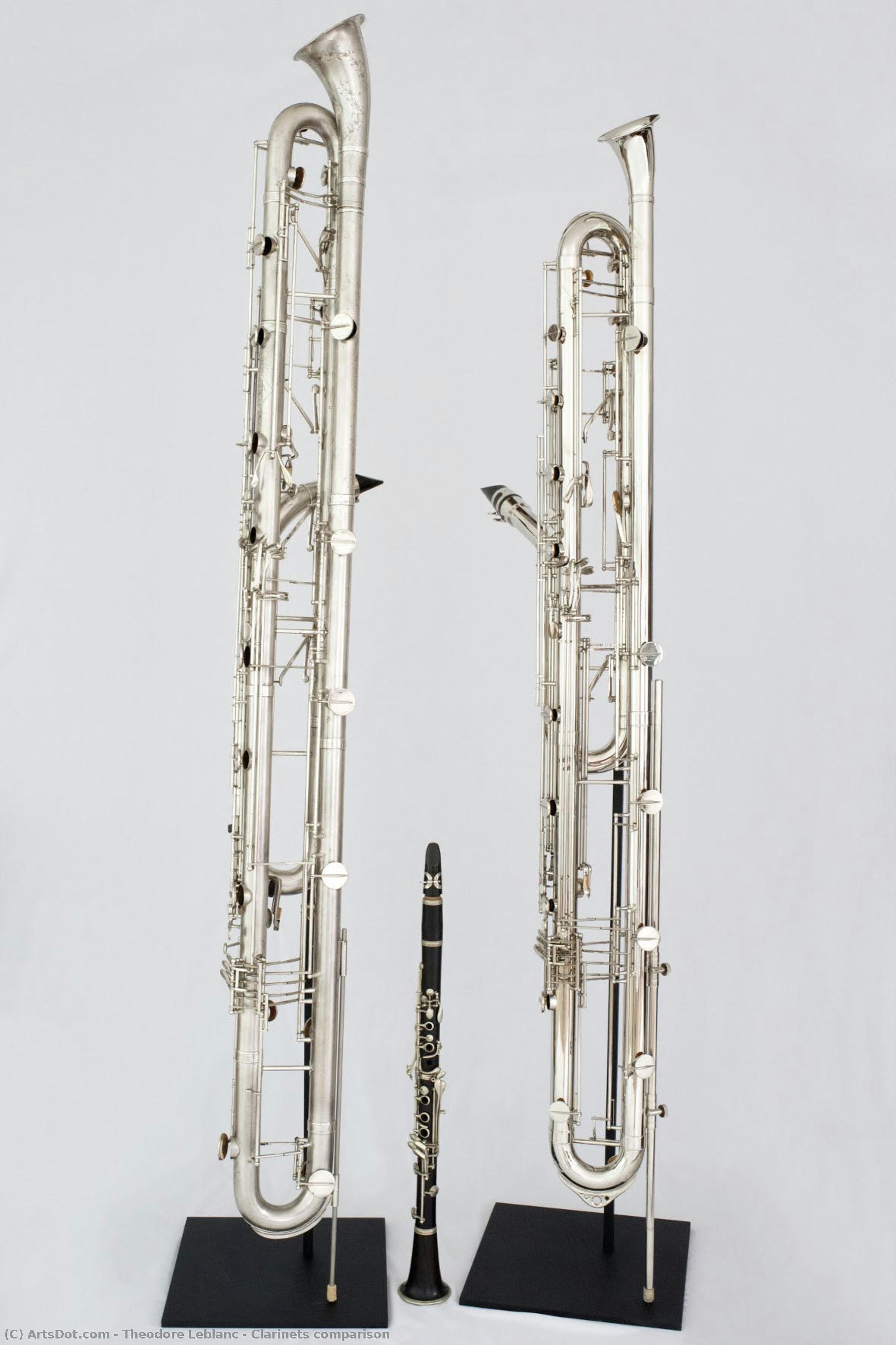
Clarinets comparison


 Vis hele teksten
Få en utskriftsklar fil som går langt utover forhåndsvisningen på nett. Hvert digitale bilde vi selger er hentet fra en høyoppløselig master i vår database – vanligvis mellom 5 000 og 15 000 piksler bred – slik at du kan trykke stort, beskjære tett eller gjenskape fine detaljer med full trygghet.
Ingen filer forlater studioet vårt uten å bli bearbeidet. En digital ekspert kontrollerer fargene mot det originale maleriet og korrigerer dem ved behov, for deretter å forbedre klarhet og detaljrikdom med profesjonelle retusjeringsverktøy — alltid tro mot kunstnerens penselstrøk og stil. Resultatet er et bilde som fremstår som selve maleriet, ikke som en skann med filter.
Du godkjenner før ferdigstilling: vår ekspert sender bildet på e-post til din vurdering innen 72 timer. Ikke fornøyd? Be om forbedringer eller korrigeringer, eller be om refusjon dersom kvaliteten ikke svarer til forventningene.
Dette er kvaliteten forlag, designstudioer, gallerier og trykkerier stoler på.
Digitalt bilde
Last ned en høyoppløselig fil til personlig bruk, utskrift og kreative prosjekter. ( Bytt til trykk Kjøp håndmalt maleri)
Inkludert i alle bestillinger av digitale bilder
Ekspert på digital levering, garantert
Når du velger OriginalUniqueArt.com, får du ikke bare et bilde – du mottar et profesjonelt etterbehandlet digitalt kunstverk, skapt med presisjon og med en garantert tilfredshetsgaranti. Her er alt som automatisk følger med din bestilling:

Rask levering på e-post
Din høyoppløselige digitale bildefil sendes til din e-post innen 72 timer etter bestilling – klar til umiddelbar bruk.

KI-forbedret digital fil
Ditt kunstverk blir profesjonelt optimalisert ved hjelp av avanserte AI-verktøy og manuell redigering, noe som sikrer maksimal detaljrikdom, klarhet og fargegjengivelse.

Gratis livslang nyutlevering
Har du ved et uhell slettet eller mistet filen din? Ingen bekymring – vi sender den på nytt når som helst, helt gratis.

Ingen importavgifter – noen gang
Nyt ditt kunstverk umiddelbart uten toll, avgifter eller leveringskostnader – digitale nedlastinger er alltid avgiftsfrie.

Garantert fargenøyaktighet
Vi sikrer at det digitale bildet gjenspeiler de originale fargene så nøyaktig som mulig ved hjelp av profesjonelle verktøy og fargehåndtering.

100 dagers fornøydhetsgaranti
Hvis du ikke er fornøyd med ditt digitale bilde, vil vi revidere det eller refundere 100% innen 100 dager – uten spørsmål.

100% Penggaranti
Ikke fornøyd? Få full refusjon innen 100 dager etter at du har mottatt din digitale fil – uten spørsmål.

Rabatt ved storkjøp
Kjøp 3 bilder, spar 10% - Kjøp 5, spar 15% - Kjøp 10+, spar 20%. Ideelt for kreative prosjekter, gallerier og byråer.
Om kunstneren
The Luminous Legacy of Theodore Leblanc
Theodore Leblanc (1800–1837) remains a captivating, if somewhat enigmatic, figure within the vast tapestry of nineteenth-century art. While his name may not resonate with the same immediate recognition as the titans of the Romantic era, his work offers a profound window into a period of intense cultural intersection and spiritual exploration. Born in the serene surroundings of Ottobeuren Abbey, Bavaria, Leblanc’s early life was deeply rooted in the traditions of monastic craftsmanship. This formative environment, steeped in theological contemplation and the meticulous precision of religious iconography, instilled in him a lifelong reverence for detail and a unique ability to infuse natural landscapes with a sense of the divine.
As his artistic journey unfolded, Leblanc moved beyond the confines of his Bavarian origins, eventually establishing himself as a painter whose vision bridged the gap between Western Romanticism and the ancient splendor of the East. His travels through Greece and the Levant—specifically during the years following 1828—provided him with an inexhaust_haustible source of inspiration. Unlike many of his contemporaries who sought only the classical ideals of antiquity, Leblanc was deeply moved by the living history of the Mediterranean. He became a keen observer of the human condition, capturing everything from the rugged intensity of the Greek War of Independence to the vibrant, everyday rhythms of North African marketplaces.
A Synthesis of Byzantine Splendor and Romantic Emotion
What truly distinguishes Leblanc’s oeuvre is his sophisticated integration of Byzantine aesthetic principles into the landscape tradition. He possessed a scholarly fascination with the shimmering mosaics of Constantinople, studying their complex compositional strategies and the way light interacts with vibrant pigments. This intellectual pursuit manifested in a painting style characterized by luminous color palettes and a palpable sense of spiritual depth. His canvases often seem to glow from within, as if the very atmosphere were composed of the fine, glittering tesserae found in Orthodox churches.
This technique allowed him to elevate mere topographical studies into profound emotional experiences. In his celebrated watercolor, “A Tobacconist, Algiers,” one can witness this stylistic convergence at its peak. The painting does not merely document a bustling Algerian marketplace; through the use of subtle tonal gradations and atmospheric perspective, it evokes an ethereal, almost dreamlike quality. He had the rare ability to convey a sense of reverence for the natural world, treating the light hitting a distant minaret or the texture of a merchant's cloth with the same sanctity one might find in a religious icon.
Artistic Versatility and Historical Significance
Leblanc’s technical repertoire was remarkably diverse, ranging from delicate watercolors to commanding sketches and even engravings. His ability to pivot between different mediums allowed him to document a wide array of subjects with varying degrees of intimacy and scale:
- Portraiture and Character Studies: Beyond his landscapes, Leblanc excelled at capturing the essence of individuals, often imbuing his figures with intense emotion or even subtle, caricaturish elements that brought a sense of life and movement to his work.
- Military and Historical Documentation: His time in the Levant allowed him to create poignant snapshots of historical upheaval, including depictions of Ottoman soldiers and members of irregular Greek troops.
- Architectural and Ethnographic Observations: His sketches of Mediterranean architecture and daily life serve as vital historical records of a rapidly changing nineteenth-century world.
Though his life was tragically short, ending in 1837, the impact of Theodore Leblanc’s vision persists. He stands as a pioneer who dared to look backward into the ancient traditions of Byzantium to find new ways of expressing the sublime beauty of the modern landscape. His work remains a testament to the power of cross-cultural influence, proving that the most profound artistic innovations often occur at the intersection of disparate worlds.

Theodore Leblanc
1800 - 1837
Kort om kunstneren
- Full Name: Theodore Leblanc
- Nationality: German
- Date Of Birth: 1800
- Date Of Death: 1837
- Place Of Birth: Ottobeuren Abbey
- Notable Artworks: ['Investiture of the Bey of Algiers']
- Artistic Movement Or Style: Romanticism
- Artists Who Influenced This Artist: ['Jean-Auguste Dominique Ingres']
- Artists Or Movements Influenced By This Artist: ['Byzantine Mosaic Art']