

 Forhåndsvisning
 Send
Send Del med andre
 Vis detaljer

 Last ned bildet
 Liknende objekter
 Røntgenundersøkelse
 Lysbildefremvisning
Rural Scene_2

 Vis hele teksten
Håndlaget oljereproduksjon
Håndmalt olje på lerret i din valgte størrelse og ramme, laget på bestilling av våre kunstnere. ( Kjøp trykk Kjøp bilde)




P118B $10

P118H $10

P118W $10

P438Z $10

P508JH $12

P508YH $12

P805H $10

P805Z $10

P919BZ $10

P919G $10

P919XJ $10

P959ZH $10

P968JZ $12

W106C $8

W218G $10

W218JH $8

W218Y $10

W307PJ $10

W316G $10

W316PJ $8

W316Y $10

W398PJ $8

W4111J $10

W500HY $15

W500JH $15

W692G $12

W849H $8

W940BG $15

W953PJ $8




Velg mellom våre forhåndsdefinerte størrelser som bevarer kunstverkets opprinnelige proporsjoner.

Du kan angi egne mål for å tilpasse en spesifikk ramme eller plass. Dersom den valgte størrelsen ikke samsvarer med originalbildets proporsjoner, vil vi enten beskjære kunstverket eller utvide maleriet med ytterligere håndmalte elementer. En digital mockup vil bli sendt til din godkjenning før produksjonen starter.
Vennligst merk at forhåndsvisningen på skjermen ikke gjenspeiler den faktiske beskjæringen eller utvidelsen. Kun mockuppen vil vise den endelige komposisjonen nøyaktig.
Selv om tilpassede størrelser er tilgjengelige, anbefaler vi å velge et mål fra den forhåndsdefinerte listen for å bevare de originale proporsjonene.
Etter bestilling vil OriginalUniqueArt.com-teamet sende e-post til kunden for instruksjoner og sende et utkast (mockup) som forhåndsvisning.
Verdensomspennende levering () på 3–4 uker i stedet for standard 5 uker. (18 August). Ingen kompromisser med kvaliteten.

Gratis ekspressfrakt over hele verden

Lerretsduk av høykvalitets lin

Full forsikring under transport

Garanti for refusjon av toll og importavgifter

Garantert korrekt fargegjengivelse

60 dagers returrett (kun ved feil)

100% pengene tilbake-garanti

Rabatt ved flere kjøp
 Glassalternativet er kun tilgjengelig i størrelser under 110 cm

Rural Scene_2
Teknikk for reproduksjon
Størrelse på reproduksjon
-


Endelig pris
$ 300
Om kunstneren
Theobald Michau: A Flemish Landscape Master of Quiet Observation
Théobald Michau (1676–1765) stands as a singular figure in 17th-century Flemish painting, distinguished not by grand narratives or flamboyant virtuosity but by an unwavering dedication to capturing the serene beauty of rural life. While many of his contemporaries sought to dramatize biblical tales or portray heroic deeds through sweeping, theatrical gestures, Michau’s canvases offer a contemplative gaze upon familiar landscapes populated by humble figures engaged in convivial pursuits. His work is most famously defined by the Kermesse, or village festival, where he masterfully translates the joy of communal gatherings into enduring visual poetry. This stylistic choice cemented his reputation as one of the most successful painters of his time, securing him a place among the giants of Flemish art, even if his legacy remains more intimate and understated than that of titans like David Teniers the Elder or Younger.Formative Years and the Influence of Tradition
Born in Tournai, Belgium, Michau’s artistic journey was deeply rooted in the classical traditions of his homeland. His formative years were shaped by rigorous training under Lucas Achtschellinck, a pivotal mentor who instilled in him a profound respect for meticulous detail and a disciplined approach to composition. This early education provided the foundation for an oeuvre characterized by a restrained palette, subtle tonal gradations, and an unwavering commitment to realism. From Achtschellinck, Michau learned that true mastery lies not in the distortion of reality, but in the ability to observe it with precision. The resulting paintings possess a remarkable stillness, conveying not merely visual accuracy but also a palpable sense of atmosphere and emotion that invites the viewer into a world of quiet, pastoral grace.A Prolific Career and Decorative Legacy
Michau’s artistic output was remarkably diverse, spanning landscapes, genre scenes, and even decorative panels commissioned for the prestigious tapestry weavers of his era. His collaboration with the Brussels workshop of Pieter van der Borcht is particularly noteworthy, highlighting his role in the broader decorative arts movement of the period. Historical records suggest a high level of prestige surrounding his work; indeed, references to his skill were noted alongside the great masters, serving as a testament to his enduring popularity during his lifetime. His ability to translate the spirit of the Kermesse celebrations into both fine art and decorative motifs allowed his influence to permeate various levels of European society, from private collections to grander architectural settings.Artistic Significance and Lasting Impression
The historical significance of Theobald Michau lies in his ability to elevate the mundane to the level of the monumental. Through his lens, a simple village festival or a quiet woodland path becomes a stage for exploring the social dynamics and emotional nuances inherent in rural traditions. His paintings are notable for their:- Atmospheric Depth: A mastery of light and shadow that creates a sense of breathing, living space within the landscape.
- Social Realism: An empathetic portrayal of the peasantry, capturing the dignity and communal spirit of village life without caricature.
- Technical Restraint: A sophisticated use of color and texture that avoids the ostentatious in favor of a harmonious, naturalistic beauty.
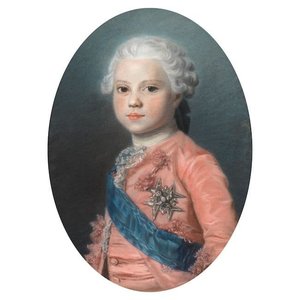
Theobald Michau
1676 - 1765 , Belgium
Kort om kunstneren
- Artistic Movement Or Style: Genre and landscape painting
- Artists Or Movements Influenced By This Artist: ['Dutch Golden Age']
- Artists Who Influenced This Artist:
- Jan Brueghel the Elder
- David Teniers II
- Date Of Birth: 1676
- Full Name: Théobald Michau
- Nationality: Walloon
- Notable Artworks:
- Estuary with dock and tower
- A Village Landscape With Figures Making Merry
- Place Of Death: Antwerp
Relaterte artikler

John Constable: Topp 25 Maler – Engelsk Landskapskunst i Ditt Hjem
Opplev John Constables 25 mest ikoniske malerier! Fordyp deg i engelsk romantikk, landskapskunst og atmosfæriske scener. Finn museumskvalitets reproduksjoner & interiørinspirasjon på OriginalUniqueArt.com. Utforsk samlingen online!
Landskapets Mesterverk: Topp 10 Kunstverk som Definerer Sjangeren | OriginalUniqueArt.no
Utforsk de 10 mest ikoniske landskapsmaleriene gjennom tidene! Fra Monet til Friedrich – oppdag historien bak mesterverkene, kunstnernes teknikker og inspirasjonen. Finn reproduksjoner av høy kvalitet for ditt hjem på OriginalUniqueArt.no. Utforsk samlingen online!

Cultivating Visions: A Historical Journey Through Rural Landscapes in Art
Explore the rich history of rural landscape painting with OriginalUniqueArt. Discover Impressionist masterpieces, key artists & movements. Find your perfect serene artwork and bring nature's beauty home.

Whispers of Rural Serenity: A Journey Through the Enchanting Village Landscapes of Impressionism
Immerse yourself in the tranquil beauty of Impressionist village landscapes. Explore our exquisite collection of hand-painted oil reproductions, capturing the light and soul of masters like Monet and Pissarro. Bring a piece of art history into your home with OriginalUniqueArt.com.

Evocations of Place: A Historical Journey Through Landscape Art
Explore the rich history of landscape art with OriginalUniqueArt. Discover renowned artists, movements like Impressionism & Romanticism, and expert guidance for collecting timeless pieces. Find your perfect serene escape today!

