
 Forhåndsvisning
 Send
Send Del med andre
 Vis detaljer

 Last ned bildet
 Liknende objekter
 Røntgenundersøkelse
 Lysbildefremvisning
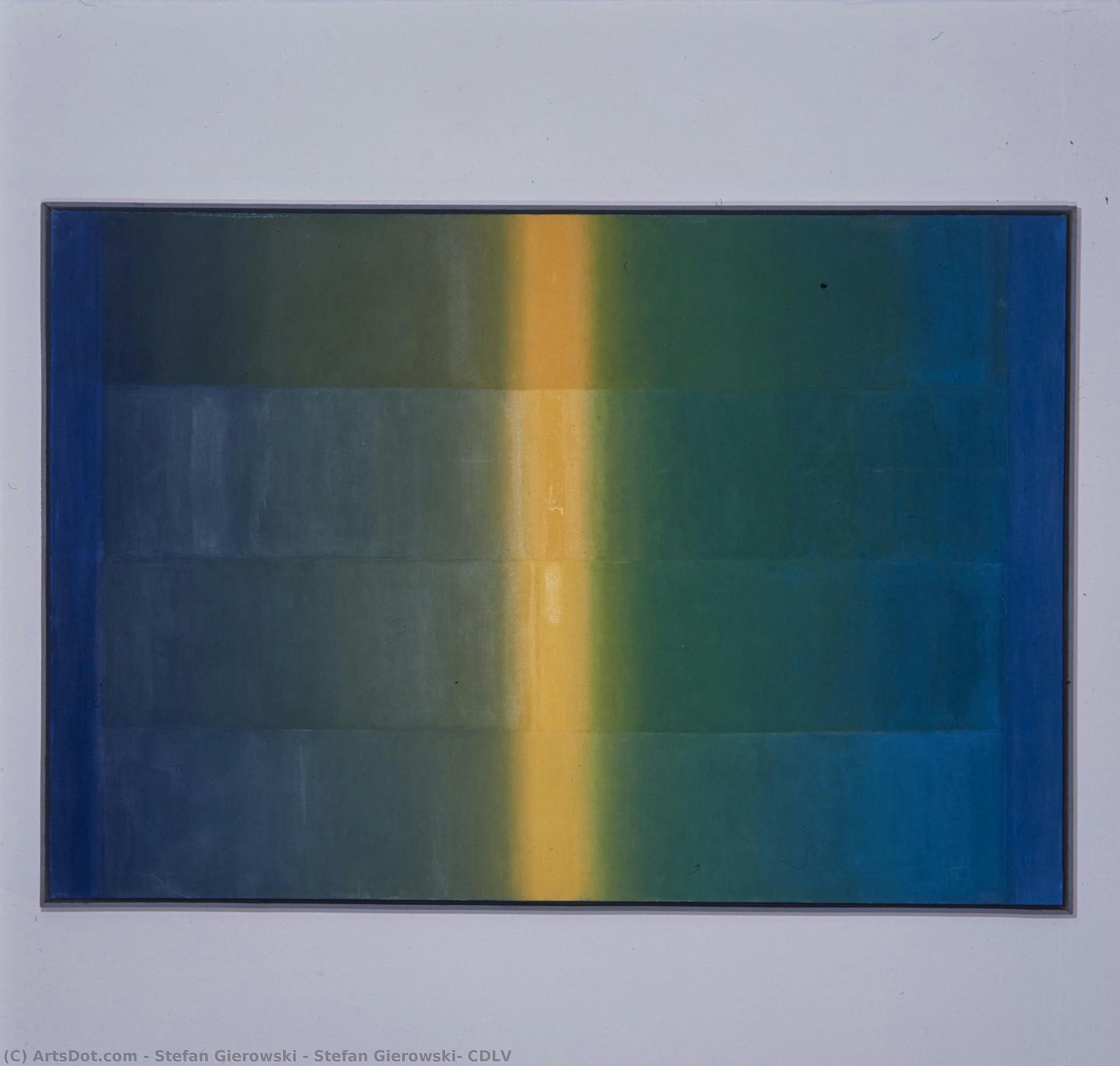
Stefan Gierowski, CDLV
 1980
1980 200.0 x 138.0 cm
 Ujazdowski Castle Centre for Contemporary Art
 Vis hele teksten
Kjøp et høyoppløselig, forbedret digitalt bilde som er langt bedre enn forhåndsvisningen på nettet.
Hver fil er omhyggelig klargjort av våre egne spesialister ved hjelp av avanserte verktøy og profesjonell manuell retusjering. Vi sørger for at hvert bilde har eksepsjonell klarhet, presis fargegjengivelse og fine detaljer.
Den endelige filen leveres via e-post innen 72 timer, optimalisert for umiddelbar bruk i profesjonelle, redaksjonelle og trykte miljøer. Dette er den samme kvaliteten som benyttes av ledende designstudioer, utgivere og gallerier.
Digitalt bilde
Last ned en høyoppløselig fil for personlig bruk, utskrift og kreative prosjekter. ( Kjøp trykk Kjøp håndlaget maleri)
Inkludert i alle bestillinger av digitale bilder
Ekspert digital levering, garantert
Når du velger OriginalUniqueArt.com, får du ikke bare et bilde – du mottar et profesjonelt forbedret digitalt kunstverk, skapt med presisjon og med en garantert tilfredshetsgaranti. Her er alt som automatisk følger med din bestilling:

Rask digital levering
Din høyoppløselige digitale bildefil sendes til din e-post innen 72 timer etter bestilling – klar til umiddelbar bruk.

KI-forbedret digital fil
Ditt kunstverk blir profesjonelt optimalisert ved hjelp av avanserte AI-verktøy og manuell redigering, noe som sikrer maksimal detaljrikdom, klarhet og fargegjengivelse.

Gratis livslang nyutlevering
Har du ved et uhell slettet eller mistet filen din? Ingen bekymring – vi sender den på nytt når som helst, helt gratis.

Ingen importavgifter – noen gang
Nyt ditt kunstverk umiddelbart uten toll, avgifter eller leveringskostnader – digitale nedlastinger er alltid avgiftsfrie.

Garantert fargenøyaktighet
Vi sikrer at ditt digitale bilde gjenspeiler de originale fargene så nøyaktig som mulig ved hjelp av profesjonelle verktøy og fargehåndtering.

60 dagers tilfredshetsgaranti
Hvis du ikke er fornøyd med ditt digitale bilde, vil vi revidere det eller refundere 100% innen 60 dager – uten spørsmål.

100% Penggaranti
Ikke fornøyd? Få full refusjon innen 60 dager etter at du har mottatt din digitale fil – uten spørsmål.

Rabatt ved storkjøp
Kjøp 3 bilder, spar 10% - Kjøp 5, spar 15% - Kjøp 10+, spar 20%. Ideelt for kreative prosjekter, gallerier og byråer.
Om kunstneren
Stefan Gierowski: A Life Illuminated by Light and Shadow
The year is 1945. Poland, scarred by war and the iron grip of Soviet influence, emerges from devastation into a landscape both familiar and profoundly altered. Amidst this turbulent backdrop, a young artist named Stefan Gierowski begins his artistic journey, driven by an innate curiosity and a deep-seated belief in the power of visual expression. Born in Częstochowa in 1925, Gierowski’s early life was steeped in intellectual tradition – his father, a physician, fostered a love for art within him, while family connections to a nineteenth-century painter provided a tangible link to Poland's artistic past. This foundation, coupled with the exigencies of wartime resistance and clandestine artistic education, shaped his formative years and ultimately informed his distinctive approach to abstraction.
Gierowski’s early studies at the Academy of Fine Arts in Kraków exposed him to both the legacy of Young Poland and the burgeoning avant-garde movements. He found himself navigating a complex political landscape, where Socialist Realism was imposed as the dominant artistic ideology. This restrictive environment forced Gierowski, along with many other artists, into the shadows, fueling a quiet rebellion against conformity. It was during this period that he encountered Władysław Strzemiński’s theories on “Unism,” a concept emphasizing the inherent qualities of materials and colors – an idea that would profoundly influence his later work. His time in Warsaw, marked by clandestine meetings and artistic collaborations, solidified his commitment to exploring the fundamental elements of art, independent of political dictates.
The Abandonment of Representation: A Journey into Abstraction
Around 1957, a pivotal shift occurred in Gierowski’s artistic practice. He deliberately abandoned representational and realist painting, embarking on a path toward pure abstraction. This wasn't a rejection of art itself, but rather a radical exploration of the inherent qualities of materials – color, light, texture – and their interaction within the confines of the canvas. As he himself described it, his primary fascination lay in “the dual nature of light,” how it’s simultaneously contained *within* a painting and yet seems to escape its boundaries. This concept became central to his artistic vision.
His early abstract works, marked by a series of paintings numbered I through XX, are often described as ‘informel,’ reflecting the broader European movement that emphasized spontaneous gesture and emotional expression. However, Gierowski’s approach went beyond mere gestural abstraction; he meticulously investigated the physical laws governing light, color, and space. He moved away from assigning literary titles to his paintings, instead relying on a numerical system – a deliberate choice signifying a detachment from narrative and an emphasis on the artwork's intrinsic qualities. The use of silver and grey canvases in the late 1950s further aligned him with Strzemiński’s theories, suggesting a focus on the fundamental properties of materials rather than their visual representation.
The Language of Color and Light
Gierowski's later work demonstrated a growing geometric structuring of his paintings. He gradually reduced the emotional intensity of his earlier pieces, streamlining his language and refining his palette. He began to prioritize clarity and precision, exploring the interplay of color and light with an almost scientific rigor. This evolution wasn’t about abandoning emotion; rather, it was a shift in how that emotion was conveyed – through subtle nuances of hue, texture, and spatial relationships.
His 1960 painting, *Painting XCVII*, exemplifies this period. The canvas is dominated by a carefully orchestrated composition of color blocks, suggesting a complex interplay of light and shadow. The work speaks to the artist’s deep understanding of optics and his ability to translate abstract concepts into tangible visual experiences. It's a testament to his belief that each painting possesses an inherent structure based on physical laws – a framework that exists independently of the viewer’s interpretation, only revealing its meaning once it leaves the studio.
Legacy and Recognition
Throughout his long career, Stefan Gierowski’s paintings have been exhibited in major galleries across Europe and the United States. His work is characterized by an enigmatic quality – inviting viewers to engage with the artwork on a deeply personal level, drawing upon their own emotional responses and intellectual curiosity. His commitment to exploring the fundamental elements of art, coupled with his masterful manipulation of color and light, has established him as a significant figure in Polish avant-garde history.
Gierowski’s influence extends beyond the realm of painting; he was also a respected educator at the Academy of Fine Arts in Warsaw for many years. His legacy continues to inspire artists today, reminding us of the power of art to challenge conventions and explore the mysteries of perception. He passed away in August 2022, leaving behind a body of work that remains both profoundly personal and universally resonant.

stefan gierowski
1925 - 2022 , Poland
Kort om kunstneren
- Artistic Movement Or Style: Abstract/Optical Effects
- Artists Or Movements Influenced By This Artist:
- Unism
- Informel
- Artists Who Influenced This Artist:
- Władysław Strzemiński
- Karol Frycz
- Date Of Birth: May 21, 1925
- Date Of Death: August 14, 2022
- Full Name: Stefan Gierowski
- Nationality: Polish
- Notable Artworks:
- Painting XCVII
- Obraz nr I
- Place Of Birth: Częstochowa, Poland

