
 Forhåndsvisning
 Send
Send Del
Del
 Vis detaljer
 Utskriftsvennlig guide

 Last ned bilde
 Liknende objekter
 Røntgenundersøkelse
 Lysbildefremvisning
 Q&A
Q&A Statistikk
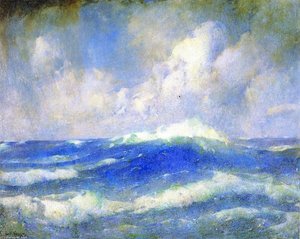
The Open Sea

- 122.0 x 147.0 cm


 Vis hele teksten
Giclée / Kunsttrykk
Giclée- eller lerretsprint av museumskvalitet med rask produksjon og fleksible valgmuligheter for etterbehandling. ( Kjøp håndmalt maleri Bytt til digitalt bilde)




P118B Nkr10

P118H Nkr10

P118W Nkr10

P438Z Nkr10

P508JH Nkr12

P508YH Nkr12

P805H Nkr10

P805Z Nkr10

P919BZ Nkr10

P919G Nkr10

P919XJ Nkr10

P959ZH Nkr10

P968JZ Nkr12

W106C Nkr8

W218G Nkr10

W218JH Nkr8

W218Y Nkr10

W307PJ Nkr10

W316G Nkr10

W316PJ Nkr8

W316Y Nkr10

W398PJ Nkr8

W4111J Nkr10

W500HY Nkr15

W500JH Nkr15

W692G Nkr12

W849H Nkr8

W940BG Nkr15

W953PJ Nkr8




Velg mellom våre forhåndsdefinerte størrelser som bevarer kunstverkets opprinnelige proporsjoner.

Skriv inn ønsket bredde og høyde for å tilpasse trykket til din ramme eller vegg. Et trykk kan kun beskjæres, aldri skaleres opp utover motivets opprinnelige størrelse, noe som betyr at et format med andre proporsjoner vil føre til tap av deler av bildet. Vi sender deg en digital mockup for godkjenning før vi starter trykkeprosessen. Bildet som vises på denne siden viser ikke den faktiske beskjæringen — det er kun mockuppen som viser dette.
Verdensomspennende levering () på 2 uker i stedet for standard 4/5 uker. (2 November)

Gratis ekspressfrakt over hele verden

Lerretsduk av lin av høy kvalitet

Full transportforsikring

Garanti for refusjon av toll og importavgifter

Garantert fargegjengivelse

100 dagers returrett ved fabrikasjonsfeil

100% pengene tilbake-garanti

Rabatt ved flere kjøp
 Glassalternativet er kun tilgjengelig i størrelser under 110 cm

The Open Sea
Giclée / Kunsttrykk
Størrelse på reproduksjon
-


Totalpris for valgte alternativer
Nkr 769
A Tempestuous Vision: Soren Emil Carlsen’s “The Open Sea”
Soren Emil Carlsen's "The Open Sea," painted in 1909, isn’t merely a depiction of the ocean; it’s an immersion into its raw power and profound solitude. This monochromatic seascape, rendered in shades of gray and white, immediately commands attention with its dramatic composition – a clear division between the tumultuous sky and the vast expanse of water below. Carlsen, deeply influenced by both late 19th-century Realism and Impressionism, masterfully captures the atmospheric effects of an impending storm, evoking a sense of awe mingled with unease. The painting’s strength lies not in precise detail but in its ability to convey the *feeling* of being confronted by nature's formidable force – a sentiment powerfully resonant even today.
Crafting Atmosphere: Technique and Materials
Carlsen’s technique is characterized by a deliberate looseness, prioritizing texture and emotional impact over photographic accuracy. Visible brushstrokes dominate the canvas, creating a rough, uneven surface that mirrors the chaotic nature of the sea and sky. Thick impasto is particularly evident in areas representing crashing waves, lending them an almost sculptural quality. The absence of hard lines – instead, blurred edges and subtle gradations of gray – contribute to the painting’s atmospheric effect, drawing the viewer into a world shrouded in mist and anticipation. The choice of oil paint on canvas allowed for layering and blending, essential to achieving the depth and luminosity that define Carlsen's style. The monochromatic palette isn’t simply a stylistic choice; it amplifies the drama, stripping away distractions and focusing attention entirely on form, light, and shadow.
A Study in Light and Perspective
The lighting in “The Open Sea” is diffused and overcast, suggesting an approaching storm or a scene perpetually veiled in mist. There are no sharp shadows; instead, the artist employs subtle tonal variations to create a sense of depth and spatial recession. Atmospheric perspective – where distant objects appear lighter and less distinct – further enhances this effect, conveying the immense scale of the ocean and sky. The horizon line, slightly undulating due to the waves, adds dynamism to the composition while maintaining a sense of balance. The painting’s horizontal format reinforces this feeling of vastness, inviting the viewer to lose themselves in the endless expanse before them.
Symbolism and Emotional Resonance
Beyond its technical brilliance, “The Open Sea” carries significant symbolic weight. The turbulent ocean can be interpreted as a metaphor for the unknown, the challenges of life, or even the overwhelming forces of nature. The monochromatic palette reinforces a sense of somberness and introspection, inviting contemplation on themes of isolation, vulnerability, and perhaps even fear. Carlsen’s work taps into a primal human response to the sea – a mixture of respect, awe, and a recognition of our own insignificance in the face of such power. It's a painting that lingers in the mind long after viewing, prompting reflection on the beauty and terror inherent in the natural world.
Discovering the Artist: A Legacy of Luminism
Soren Emil Carlsen (1853-1932) was a pivotal figure in American painting, bridging the gap between European artistic traditions and the burgeoning modern art scene. Born in Copenhagen and later settling in Chicago, he developed a distinctive style characterized by tonalist landscapes and seascapes – a legacy deeply rooted in Danish Luminism, an approach emphasizing subtle gradations of light and color to evoke mood and atmosphere. His work, as evidenced by his other pieces like “Kattegat Landscape,” demonstrates a profound understanding of capturing the ephemeral qualities of light and weather. Explore more of Carlsen’s captivating oeuvre at OriginalUniqueArt to fully appreciate the breadth and depth of his artistic vision.
Spørsmål og svar
Er "The Open Sea" av Emil Carlsen et maleri, en tegning eller et trykk?
I katalogen er "The Open Sea" av Emil Carlsen klassifisert som WallArt. Kategorien bidrar til å finne lignende verk.
Hvilken underliggende nyanse preger "The Open Sea" av Emil Carlsen?
Den dominerende fargen i "The Open Sea" av Emil Carlsen er Green to Violet Spectrum. Denne fargen utgjør den underliggende tonen i paletten.
Hvilken fase av Emil Carlsen sin kunstneriske utvikling representerer "The Open Sea"?
I Emil Carlsen sin karriere tilhører "The Open Sea" Late Career. Denne perioden gjør det mulig å sammenligne verket med kunstnerens øvrige arbeider.
Om kunstneren
Soren Emil Carlsen: The Quiet Mastery of Light and Stillness
Soren Emil Carlsen (1848 or 53 – 1932) stands as a singular figure in American painting, embodying the harmonious convergence of Danish artistic heritage and Californian Impressionist innovation. Born October 19, 1853, in Copenhagen, Denmark—though records vary slightly—Carlsen’s early life was marked by exposure to artistic sensibilities fostered by his mother's own creative pursuits and the influence of cousin Viggo Johansen, a celebrated Danish painter. This familial connection instilled within him a profound appreciation for visual expression from a young age. His formal education began at the Royal Academy in Copenhagen where he studied architecture, grounding him in structural principles that would subtly inform his later artistic endeavors. However, it was his passion for painting—fueled by Holst’s mentorship—that truly propelled him toward artistic distinction.- Early Influences: Lauritz Holst and Tonalism
- The Parisian Awakening: Jean-Baptiste Chardin's Legacy
- Emigration to America and the Chicago School
- California Impressionism: Embracing Light and Atmosphere
- A Lifetime Dedicated to Teaching and Artistic Preservation
Early Influences: Lauritz Holst and Tonalism
Carlsen’s artistic journey commenced with a foundational understanding of architectural design, honed at the Royal Academy. Simultaneously, he absorbed techniques of marine painting from Lauritz Bernhard Holst, whose studio he assisted—a partnership that exposed him to the expressive possibilities of capturing atmospheric conditions on water. This formative experience instilled in Carlsen a sensitivity to light and texture—qualities that would become central to his distinctive style. Holst’s guidance proved invaluable, shaping Carlsen's initial artistic vision and establishing a connection to the traditions of Danish art. Notably, Holst returned to Denmark shortly after Carlsen began his studies, leaving him with a studio and fostering an independent path toward artistic exploration.The Parisian Awakening: Jean-Baptiste Chardin's Legacy
A transformative period unfolded when Carlsen traveled to Paris in 1875, seeking further refinement of his craft under the tutelage of Jean-Baptiste-Siméon Chardin—the revered French master of still life. Chardin’s approach to depicting objects imbued with dignity and poetic resonance profoundly impacted Carlsen's artistic sensibilities. He meticulously studied Chardin’s techniques, absorbing his masterful use of tonal gradations and subtle atmospheric effects. This immersion in Chardin’s oeuvre solidified Carlsen’s commitment to portraying the essence of subjects—rather than merely their outward appearance—a stylistic hallmark that would characterize his entire career.Emigration to America and the Chicago School
In 1872, Carlsen embarked on a momentous journey westward, immigrating to Chicago, Illinois, where he established himself as an architect’s assistant and pursued artistic studies independently. Recognizing the burgeoning artistic dynamism of Chicago—fueled by immigration from Europe—he joined the newly founded Chicago Arts Institute under Holst's encouragement. This move marked not only a geographical relocation but also a decisive step toward embracing American Impressionism—a movement that championed capturing fleeting moments of light and color on canvas. He collaborated closely with Arthur Mathews, fostering a friendship rooted in shared artistic passions and furthering his understanding of Californian artistic trends.California Impressionism: Embracing Light and Atmosphere
Carlsen’s engagement with California Impressionism culminated in his role as director of the San Francisco Arts Association School from 1887 to 1889—a position that allowed him to cultivate a new generation of artists while simultaneously experimenting with innovative techniques. Influenced by Claude Monet and Auguste Renoir, he adopted their emphasis on capturing atmospheric conditions and portraying vibrant hues—reflecting the radiant beauty of the Californian landscape. His paintings from this period exemplify his unwavering dedication to conveying mood and emotion through subtle tonal variations and luminous color palettes—a testament to his artistic evolution and enduring legacy.A Lifetime Dedicated to Teaching and Artistic Preservation
Throughout his prolific career, Carlsen remained steadfast in his commitment to educating aspiring artists—serving as instructor at the National Academy of Design, Art Students League, and Pennsylvania Academy of Fine Arts for over four decades. He championed observation, technique, and a deep appreciation for artistic principles—inspiring countless students to pursue their own creative visions. His pedagogical approach extended beyond mere instruction; it fostered a love of art and encouraged experimentation—resulting in a remarkable cohort of artists who would contribute significantly to the American art landscape. Carlsen’s accomplishments were recognized with numerous accolades, including the Samuel T. Shaw Purchase Prize, Gold Medal at the Louisiana Purchase Exposition, and the Medal of Honor at the Panama-Pacific International Exposition—affirming his stature as a leading figure in American artistic excellence. He died January 2, 1932, in New York City, leaving behind an enduring body of work that continues to captivate audiences today.
Emil Carlsen
1853 - 1932 , Danmark
Kort om kunstneren
- Artistic Movement Or Style: Tonalisme og Impressionisme
- Artists Or Movements Influenced By This Artist: ['Lauritz Holst']
- Artists Who Influenced This Artist: ['Jean-Baptiste-Siméon Chardin']
- Date Of Birth: 1853-10-19
- Date Of Death: 1932-01-02
- Full Name: Soren Emil Carlsen
- Nationality: Amerikansk
- Notable Artworks:
- Blackfish and Clams
- Still Life with Copper Pan
- Place Of Birth: København, Danmark
Relaterte artikler
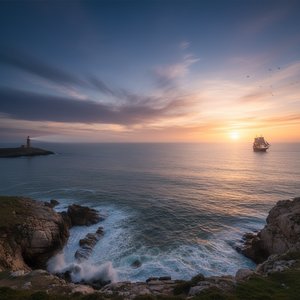
The Allure of the Horizon: A Comprehensive Exploration of Seascape Art Through History & Emotion
Explore the captivating world of seascape art! Discover its history, key artists & movements – from Dutch Masters to Impressionism. Expert insights for collectors and enthusiasts at OriginalUniqueArt.

The Soul of Impressionism: Why Oil on Canvas Captures Eternal Light and Timeless Emotion
Discover the enchanting alchemy of Impressionism. Explore how the mastery of oil on canvas, through glazing and impasto, captures eternal light and emotion. Perfect for lovers of Monet and Van Gogh seeking the profound depth of hand-painted fine art.

Oil on Canvas: A Historical & Technical Exploration of a Timeless Artistic Medium
Explore the rich history & enduring techniques of oil painting on canvas. Discover the science behind its longevity, conservation practices, and contemporary relevance. Expert insights for art enthusiasts.

The Enduring Legacy of Oil on Canvas: Technique, History & Aesthetic Impact
Explore the rich history & techniques of oil painting – from Renaissance masters to Impressionism. Discover pigments, layering methods, and why this timeless medium endures. Expert insights for artists & art enthusiasts.

Romantic Realism's Finest: 10 Masterpieces for Your Home | OriginalUniqueArt
Explore 10 defining masterpieces of Romantic Realism! Discover Courbet, Millet & Daumier's powerful paintings—capturing emotion and social realities. Find museum-quality reproductions for your home at OriginalUniqueArt.com.