

 Se i rommet
 Del som digitalt kort
 Del
Del
 Detaljer
 Studentguide

 Last ned
 Liknende objekter
 Røntgen
 Lysbildefremvisning
 Besøksstatistikk
Blackfish and Clams
 Oil On Canvas
- WallArt
- Tonalism & Impressionism
 1880
1880- 19th Century
 87.0 x 97.0 cm
 Metropolitan Museum of Art
 Les mer
Giclée / Kunsttrykk
Giclée- eller lerretsprint av museumskvalitet med rask produksjon og fleksible valgmuligheter for etterbehandling. ( Bestill håndmalt reproduksjon Gå til digitalt bilde)




P118B $10

P118H $10

P118W $10

P438Z $10

P508JH $12

P508YH $12

P805H $10

P805Z $10

P919BZ $10

P919G $10

P919XJ $10

P959ZH $10

P968JZ $12

W106C $8

W218G $10

W218JH $8

W218Y $10

W307PJ $10

W316G $10

W316PJ $8

W316Y $10

W398PJ $8

W4111J $10

W500HY $15

W500JH $15

W692G $12

W849H $8

W940BG $15

W953PJ $8




Velg mellom våre forhåndsdefinerte størrelser som bevarer kunstverkets opprinnelige proporsjoner.

Du kan oppgi egne mål for å tilpasse en spesifikk ramme eller et bestemt område. Dersom den valgte størrelsen ikke samsvarer med det originale bildets proporsjoner, vil vi enten beskjære kunstverket eller utvide bildet med en speilet eller ensfarget kant. En digital mockup vil bli sendt til din godkjenning før produksjonen starter.
Vennligst merk at forhåndsvisningen på skjermen ikke gjenspeiler den faktiske beskjæringen eller utvidelsen. Kun mockuppen vil vise den endelige komposisjonen nøyaktig.
Selv om tilpassede størrelser er tilgjengelige, anbefaler vi å velge et mål fra den forhåndsdefinerte listen for å bevare de originale proporsjonene.
Verdensomspennende levering () på 2 uker i stedet for standard 4/5 uker. (27 September)

Gratis ekspressfrakt over hele verden

Lerretsduk av høykvalitets lin

Full transportforsikring

Garanti for refusjon av toll og importavgifter

Garantert fargeekthet

100 dagers returrett ved fabrikasjonsfeil

100% pengene tilbake-garanti

Mengderabatt
 Glassalternativet er kun tilgjengelig i størrelser under 110 cm

Blackfish and Clams
Giclée / Kunsttrykk
Format på reproduksjon
-


Totalpris
$ 80
The Quiet Bounty of Still Life
To gaze upon Blackfish and Clams is to be drawn into a moment suspended in time—a quiet tableau of sustenance and domestic grace. Søren Emil Carlsen, with his masterful hand, has captured not merely objects, but the very essence of a bountiful catch laid out for contemplation. The composition itself speaks volumes; it is structured around a gentle, almost unconscious triangle, drawing the eye from the central woven basket outward to the dark, mysterious expanse upon which everything rests. This arrangement lends an immediate sense of visual stability, grounding the viewer in the rich materiality of the scene.
A Study in Contrasts and Textures
Carlsen’s technical brilliance shines through in his handling of texture. One can almost feel the rough weave of the basket against the slick, cool skin of the blackfish. The artist employs a sophisticated interplay between light and shadow; the diffused illumination seems to emanate from an unseen source above, casting soft gradients that define every fold in the white linens and every curve upon the shells. This masterful use of chiaroscuro allows the muted palette—dominated by deep browns, blacks, and creamy whites—to achieve remarkable depth. It is a dialogue between the organic fluidity of nature’s bounty and the structured geometry provided by the basket.
Symbolism of Sustenance and Intimacy
Beyond its immediate realism, this painting whispers tales of human connection to the earth. The subject matter—fish, clams, and fine linens—evokes potent themes of abundance, provision, and the simple rituals of domestic life. The dark background, so enveloping, adds a layer of subtle mystery, suggesting that while the bounty is before us, it emerges from depths unknown. It invites the viewer to pause, to consider the source of nourishment, both literal and metaphorical.
Echoes of Late 19th-Century Realism
Painted around 1880, this work stands as a beautiful testament to the late 19th-century dedication to realism in Danish art. Carlsen’s technique, involving thin, luminous glazes over oil paint, allowed him to achieve an almost photographic verisimilitude while retaining the warmth of hand-painted artistry. For those who appreciate historical depth or seek artwork that anchors a space with quiet dignity, this piece offers an unparalleled connection to a bygone era of meticulous craftsmanship.
Kunstnerbiografi
Soren Emil Carlsen: The Quiet Mastery of Light and Stillness
Soren Emil Carlsen (1848 or 53 – 1932) stands as a singular figure in American painting, embodying the harmonious convergence of Danish artistic heritage and Californian Impressionist innovation. Born October 19, 1853, in Copenhagen, Denmark—though records vary slightly—Carlsen’s early life was marked by exposure to artistic sensibilities fostered by his mother's own creative pursuits and the influence of cousin Viggo Johansen, a celebrated Danish painter. This familial connection instilled within him a profound appreciation for visual expression from a young age. His formal education began at the Royal Academy in Copenhagen where he studied architecture, grounding him in structural principles that would subtly inform his later artistic endeavors. However, it was his passion for painting—fueled by Holst’s mentorship—that truly propelled him toward artistic distinction.- Early Influences: Lauritz Holst and Tonalism
- The Parisian Awakening: Jean-Baptiste Chardin's Legacy
- Emigration to America and the Chicago School
- California Impressionism: Embracing Light and Atmosphere
- A Lifetime Dedicated to Teaching and Artistic Preservation
Early Influences: Lauritz Holst and Tonalism
Carlsen’s artistic journey commenced with a foundational understanding of architectural design, honed at the Royal Academy. Simultaneously, he absorbed techniques of marine painting from Lauritz Bernhard Holst, whose studio he assisted—a partnership that exposed him to the expressive possibilities of capturing atmospheric conditions on water. This formative experience instilled in Carlsen a sensitivity to light and texture—qualities that would become central to his distinctive style. Holst’s guidance proved invaluable, shaping Carlsen's initial artistic vision and establishing a connection to the traditions of Danish art. Notably, Holst returned to Denmark shortly after Carlsen began his studies, leaving him with a studio and fostering an independent path toward artistic exploration.The Parisian Awakening: Jean-Baptiste Chardin's Legacy
A transformative period unfolded when Carlsen traveled to Paris in 1875, seeking further refinement of his craft under the tutelage of Jean-Baptiste-Siméon Chardin—the revered French master of still life. Chardin’s approach to depicting objects imbued with dignity and poetic resonance profoundly impacted Carlsen's artistic sensibilities. He meticulously studied Chardin’s techniques, absorbing his masterful use of tonal gradations and subtle atmospheric effects. This immersion in Chardin’s oeuvre solidified Carlsen’s commitment to portraying the essence of subjects—rather than merely their outward appearance—a stylistic hallmark that would characterize his entire career.Emigration to America and the Chicago School
In 1872, Carlsen embarked on a momentous journey westward, immigrating to Chicago, Illinois, where he established himself as an architect’s assistant and pursued artistic studies independently. Recognizing the burgeoning artistic dynamism of Chicago—fueled by immigration from Europe—he joined the newly founded Chicago Arts Institute under Holst's encouragement. This move marked not only a geographical relocation but also a decisive step toward embracing American Impressionism—a movement that championed capturing fleeting moments of light and color on canvas. He collaborated closely with Arthur Mathews, fostering a friendship rooted in shared artistic passions and furthering his understanding of Californian artistic trends.California Impressionism: Embracing Light and Atmosphere
Carlsen’s engagement with California Impressionism culminated in his role as director of the San Francisco Arts Association School from 1887 to 1889—a position that allowed him to cultivate a new generation of artists while simultaneously experimenting with innovative techniques. Influenced by Claude Monet and Auguste Renoir, he adopted their emphasis on capturing atmospheric conditions and portraying vibrant hues—reflecting the radiant beauty of the Californian landscape. His paintings from this period exemplify his unwavering dedication to conveying mood and emotion through subtle tonal variations and luminous color palettes—a testament to his artistic evolution and enduring legacy.A Lifetime Dedicated to Teaching and Artistic Preservation
Throughout his prolific career, Carlsen remained steadfast in his commitment to educating aspiring artists—serving as instructor at the National Academy of Design, Art Students League, and Pennsylvania Academy of Fine Arts for over four decades. He championed observation, technique, and a deep appreciation for artistic principles—inspiring countless students to pursue their own creative visions. His pedagogical approach extended beyond mere instruction; it fostered a love of art and encouraged experimentation—resulting in a remarkable cohort of artists who would contribute significantly to the American art landscape. Carlsen’s accomplishments were recognized with numerous accolades, including the Samuel T. Shaw Purchase Prize, Gold Medal at the Louisiana Purchase Exposition, and the Medal of Honor at the Panama-Pacific International Exposition—affirming his stature as a leading figure in American artistic excellence. He died January 2, 1932, in New York City, leaving behind an enduring body of work that continues to captivate audiences today.
Emil Carlsen
1853 - 1932 , Danmark
Kort om kunstneren
- Artistic Movement Or Style: Tonalisme og Impressionisme
- Artists Or Movements Influenced By This Artist: ['Lauritz Holst']
- Artists Who Influenced This Artist: ['Jean-Baptiste-Siméon Chardin']
- Date Of Birth: 1853-10-19
- Date Of Death: 1932-01-02
- Full Name: Soren Emil Carlsen
- Nationality: Amerikansk
- Notable Artworks:
- Blackfish and Clams
- Still Life with Copper Pan
- Place Of Birth: København, Danmark
Relaterte artikler
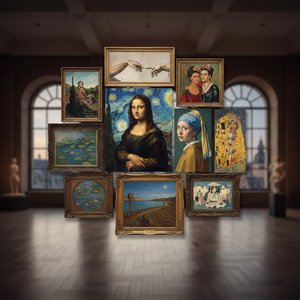
De 10 mest ikoniske oljemalerier som forandret kunsthistorien – OriginalUniqueArt.com
Oppdag de 10 mest innflytelsesrike oljemaleriene gjennom tidene! Fra Mona Lisa til Van Goghs mesterverk – lær historien bak ikoniske kunstverk og finn inspirasjon for ditt hjem. Museumskvalitet reproduksjoner på OriginalUniqueArt.com.

The Enduring Legacy of Oil on Canvas: Technique, History & Aesthetic Impact
Explore the rich history & techniques of oil painting – from Renaissance masters to Impressionism. Discover pigments, layering methods, and why this timeless medium endures. Expert insights for artists & art enthusiasts.

Giclée Prints: Archival Quality & Aesthetic Nuances for the Discerning Collector
Explore the world of giclée prints with OriginalUniqueArt. Learn about archival quality, aesthetic nuances & investment potential. Expert guidance for discerning art collectors seeking museum-quality reproductions and lasting value.

Oil on Canvas: A Historical & Technical Exploration of a Timeless Artistic Medium
Explore the rich history & enduring techniques of oil painting on canvas. Discover the science behind its longevity, conservation practices, and contemporary relevance. Expert insights for art enthusiasts.

Oljemaleriets varige arv: Teknikk, historie og samtidspraksis
Utforsk oljemaleriets fascinerende historie og teknikker! Lær om mestere, materialer og samtidspraksis. Få ekspertråd og inspirasjon for ditt neste kunstprosjekt.