

 Se i rommet
 Del som digitalt kort
 Del
Del
 Detaljer
 Studentguide

 Last ned
 Liknende objekter
 Røntgen
 Lysbildefremvisning
 Besøksstatistikk
Untitled
 Spray Paint
- Australian Expressionism
 Modern
 182.0 x 160.0 cm
 Canberra Museum and Gallery
 Les mer
Kunstverket som vises på denne siden er beskyttet av opphavsretten, noe som betyr at vi ikke har juridisk tillatelse til å lage eller selge identiske reproduksjoner. Denne beskyttelsen håndheves i henhold til internasjonale avtaler som for eksempel Bernerkonvensjonen og av nasjonale lover, inkludert de som er fastsatt i Amerikansk opphavsrettslov – Tittel 17.
Denne metoden er i fullt samsvar med opphavsrettslige regler, da den ikke innebærer kopiering eller duplisering av det beskyttede kunstverket. I stedet er det snakk om en kreativ nytolkning – et nytt maleri som er inspirert av originalen, men ikke identisk med den.
Giclée / Kunsttrykk
Giclée- eller lerretsprint av museumskvalitet med rask produksjon og fleksible valgmuligheter for etterbehandling. ( Bestill håndmalt reproduksjon Gå til digitalt bilde)




P118B Nkr10

P118H Nkr10

P118W Nkr10

P438Z Nkr10

P508JH Nkr12

P508YH Nkr12

P805H Nkr10

P805Z Nkr10

P919BZ Nkr10

P919G Nkr10

P919XJ Nkr10

P959ZH Nkr10

P968JZ Nkr12

W106C Nkr8

W218G Nkr10

W218JH Nkr8

W218Y Nkr10

W307PJ Nkr10

W316G Nkr10

W316PJ Nkr8

W316Y Nkr10

W398PJ Nkr8

W4111J Nkr10

W500HY Nkr15

W500JH Nkr15

W692G Nkr12

W849H Nkr8

W940BG Nkr15

W953PJ Nkr8




Velg mellom våre forhåndsdefinerte størrelser som bevarer kunstverkets opprinnelige proporsjoner.

Skriv inn bredden og høyden du trenger, slik at den passer til din ramme eller vegg. Et trykk kan kun beskjæres, aldri gjøres større enn bildet, så et format med en annen form vil miste en del av motivet. Vi sender deg en digital mockup for godkjenning før vi trykker noe som helst. Bildet som vises på denne siden viser ikke den faktiske beskjæringen — det er kun mockuppen som gjør det.
Verdensomspennende levering () på 2 uker i stedet for standard 4/5 uker. (23 October)

Gratis ekspressfrakt over hele verden

Lerretsduk av høykvalitets lin

Full transportforsikring

Garanti for refusjon av toll og importavgifter

Garantert fargeekthet

100 dagers returrett ved fabrikasjonsfeil

100% pengene tilbake-garanti

Mengderabatt
 Glassalternativet er kun tilgjengelig i størrelser under 110 cm

Untitled
Giclée / Kunsttrykk
Format på reproduksjon
-


Totalpris
Nkr 760
A Tapestry of Memory and Motion
In the vast, evocative landscape of twentieth-century modernism, few works capture the ephemeral nature of thought as poignantly as Sir Sidney Nolan’s "Untitled." Created between 1938 and 1939, this monumental canvas serves as a profound meditation on the fluidity of human recollection. Rather than presenting a static portrait, Nolan invites the viewer into a psychological realm where the boundaries between the self and the external world begin to dissolve. The painting presents a distorted, abstracted visage that seems to emerge from—and perhaps recede back into—the depths of a dream. Through a vibrant interplay of blue and pink hues, the work transcends mere representation, offering instead a visceral experience of what it feels to remember.
The subject matter of this piece is less about a specific individual and more about the essence of identity caught in the act of transformation. The head, rendered with a striking sense of abstraction, acts as a vessel for Nolan’s exploration of the human psyche. By deconstructing the familiar features of a portrait, the artist mirrors the way memories fragment and shift over time. For the discerning collector or interior designer, this piece offers a sophisticated focal point that commands attention not through literal detail, but through its profound emotional resonance and its ability to spark deep, contemplative dialogue within a curated space.
The Alchemy of Technique and Spirit
Nolan’s technical approach in "Untitled" is a masterclass in the beauty of spontaneity. Eschewing the rigid constraints of academic precision, he embraced a method that prioritized texture and immediacy. The artist famously utilized spray paint to create a surface that feels alive with movement, contributing to a layered, atmospheric quality that mimics the hazy edges of a fading thought. This deliberate use of unconventional tools allowed for a certain level of chance, where the paint settles into textures that suggest both the grit of the Australian earth and the ethereal lightness of a cloud.
This technique is deeply intertwined with Nolan’s fascination with the poetry of Arthur Rimbaud. Just as Rimbaud sought to reach the unknown through a "derangement of all the senses," Nolan used his brush and spray to bypass the intellect and speak directly to the emotions. The resulting texture is not merely a surface treatment but a structural component of the narrative; it provides a tactile depth that makes the vibrant pinks and cool blues feel as though they are breathing. For those seeking a high-quality reproduction, capturing this specific interplay of light and grit is essential to preserving the artwork's original, restless energy.
A Visionary Presence for the Modern Interior
Beyond its historical significance, "Untitled" possesses an extraordinary aesthetic versatility that makes it a coveted choice for contemporary art enthusiasts. The painting’s bold color palette—a striking juxtaposition of warm pinks and deep, atmospheric blues—allows it to integrate seamlessly into diverse design schemes. In a minimalist setting, the work acts as a burst of expressive life; in a more classical or traditional room, its avant-garde spirit provides a sophisticated, modern counterpoint.
Owning a piece that embodies the spirit of the Angry Penguins movement is an opportunity to possess a fragment of Australian art history. This artwork does not merely decorate a wall; it transforms an environment into a gallery of thought. It serves as a reminder of the power of the imagination and the enduring strength of the human spirit to find beauty in abstraction and meaning in the fragmented. Whether placed in a private study, a grand salon, or a professional creative studio, Nolan’s "Untitled" remains a timeless testament to the art of looking inward.
Spørsmål og svar
Hvordan forenes kontrast og harmoni i "Untitled"?
I "Untitled" blir en Statement kontrast parret med en Discordant Palette harmoni.
Hvordan møtes kunstretning og epoke i "Untitled" av Sir Sidney Robert Nolan?
"Untitled" tilhører Australian Expressionism-retningen, og skaperen arbeidet i Moderne tid-epoken.
Hva er formatet og størrelsen på "Untitled"?
Formatet på "Untitled" er Portrait, og originalen måler 182 x 160 cm. Begge deler er nyttige når man planlegger en reproduksjon.
Kunstnerbiografi
A Life Painted in Myth and Landscape
Sir Sidney Robert Nolan, born in Melbourne in 1917, stands as a monumental figure in 20th-century Australian art. His journey was not one of conventional artistic training but rather an explosive emergence from the working-class streets of St Kilda into a world of vibrant imagination and relentless experimentation. Nolan wasn’t simply a painter; he was a visual storyteller, a mythmaker who wrestled with Australia's history, its landscapes, and its very identity. From his early days as a runner for an illegal betting ring to his eventual acclaim on the international stage, Nolan’s life was marked by a restless energy and a refusal to be confined by artistic norms. He absorbed influences from diverse sources – the poetry of Rimbaud, the spatial innovations of Cézanne, the raw emotion of Danila Vassilieff – yet forged a style uniquely his own, one that resonated with a distinctly Australian sensibility. His early exposure to the harsh realities of Melbourne life and the allure of its underbelly would profoundly shape his artistic vision, imbuing his work with a sense of both defiance and vulnerability.The Shaping of an Iconoclast
Nolan’s formative years were steeped in intellectual ferment. The Heide Circle, centered around patrons John and Sunday Reed, proved pivotal. This haven for artists and writers fostered a spirit of radical experimentation and provided Nolan with crucial support during his developing phase. It was at Heide that he encountered kindred spirits – Albert Tucker, Joy Hester, Arthur Boyd – all grappling with the challenge of creating a distinctly Australian modernism. The influence of modernist literature, particularly the Symbolist poets, cannot be overstated. Rimbaud’s call for a “systematic derangement of the senses” became a guiding principle for Nolan, liberating him from representational constraints and encouraging him to explore the emotional power of color, form, and symbolism. His early works demonstrate this influence, often featuring fragmented figures and dreamlike landscapes that hint at deeper psychological truths. He wasn’t interested in merely depicting reality; he sought to capture its essence, its underlying emotions, and its hidden narratives. This period also saw Nolan experimenting with various media, from stage design for the Ballet Russes to commercial art, each experience contributing to his growing technical prowess and artistic vocabulary.Early Life and Influences
Sidney Nolan was born in Carlton, Melbourne, at that time an inner working-class suburb of Melbourne, on 22 April 1917. He was the eldest of four children. His parents, Sidney (a tram driver) and Dora, were both fifth generation Australians of Irish descent. Nolan later moved with his family to the bayside suburb of St Kilda. He attended Brighton Road State School and then Brighton Technical School and left school aged 14. He enrolled at the Prahran Technical College (now part of Swinburne University of Technology), Department of Design and Crafts, in a course which he had already begun part-time by correspondence. In 1933, at the age of 16, he began working for Fayrefield Hats, Abbotsford, producing advertising and display stands with spray paints and dyes for six years. This early experience instilled in him a meticulous attention to detail and an understanding of visual communication—skills that would prove invaluable throughout his artistic career. He was particularly drawn to the ideas expressed by Klee, whose approach deliberately undermined accepted boundaries of art through experimentation and a range of techniques, media and juxtaposition of subject matter. Nolan’s fascination with Surrealism stemmed from Rimbaud's poetic vision of a world unbound by logic and reason—a perspective that profoundly shaped his artistic sensibility.The Heide Circle and Artistic Collaboration
Nolan’s association with the Heide Circle was transformative. Surrounded by fellow artists who shared his ambition to forge a uniquely Australian modernism, he engaged in stimulating dialogues and collaborative projects that fueled his creative development. The Circle's ethos—characterized by openness to experimentation and a rejection of academic conventions—provided Nolan with an environment where he could freely explore new ideas and techniques. He worked closely with Albert Tucker, Joy Hester, Arthur Boyd, and John Perceval, fostering a dynamic exchange of perspectives and inspiring each other’s artistic endeavors. These collaborations resulted in groundbreaking artworks that captured the spirit of their time and cemented Nolan's reputation as one of Australia’s foremost modernist painters.The Iconic Ned Kelly Series
Nolan’s magnum opus—the Ned Kelly series—represents a pinnacle of Australian art history. Beginning in 1946, he embarked on an ambitious project to depict the legend of Ned Kelly, the charismatic outlaw who defied Victorian law and became a symbol of defiance against authority. Nolan approached this subject matter with unparalleled psychological depth and artistic innovation, transforming Kelly’s armor into a monumental visual device—a stylized representation of his impenetrable spirit and unwavering conviction. The series consists of 26 paintings that explore various facets of Kelly's life and legend, employing a distinctive technique characterized by flattened planes of color and simplified forms. Nolan deliberately eschewed traditional realism, prioritizing emotional impact over accurate depiction—a stylistic choice that resonated deeply with audiences and established Kelly as an enduring emblem of Australian identity. The Ned Kelly series remains one of the most celebrated artworks of the 20th century, continuing to inspire artists and scholars alike. ## Legacy and Enduring Influence Sir Sidney Nolan’s legacy extends far beyond his artistic output. He championed a radical vision of art—one that prioritized emotion, imagination, and experimentation—challenging established conventions and paving the way for future generations of Australian artists. His unwavering commitment to exploring Australian mythology and landscape solidified his place as a national icon. His influence can be seen in the work of countless contemporary artists who continue to draw inspiration from his innovative techniques and his profound understanding of the human condition. Nolan’s paintings are held in major museums and collections around the world, ensuring that his artistic vision—and its enduring power—will continue to captivate audiences for years to come.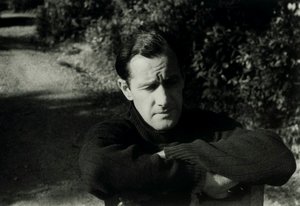
Sir Sidney Robert Nolan
1917 - 1992 , Australia
Kort om kunstneren
- Artistic Movement Or Style: Modernist
- Artists Who Influenced This Artist:
- Rimbaud
- Cézanne
- Kandinsky
- Klee
- Date Of Birth: 22 april 1917
- Date Of Death: 28 november 1992
- Full Name: Sir Sidney Robert Nolan
- Nationality: Australsk
- Notable Artworks:
- Ned Kelly series
- Carriers of Horses
- AFL Series
- Place Of Birth: Melbourne, Australia
Relaterte artikler

Romantiske landskap: Topp 10 mesterverk for hjemmet – Kunst fra OriginalUniqueArt.com
Oppdag de 10 mest ikoniske romantiske landskapsmaleriene! Fra Caspar David Friedrich til Turner – utforsk kunsthistorien, stemningen og fargepalettene. Finn museumskvalitets reproduksjoner på OriginalUniqueArt.com.

Geometrisk Abstraksjon: Topp 10 Mesterverk for Kunstelskere – OriginalUniqueArt.com
Utforsk de 10 mest innflytelsesrike verkene innen geometrisk abstraksjon! Oppdag historiene bak Mondrian, Kandinsky og Malevich. Finn inspirasjon til interiøret med OriginalUniqueArt.coms eksklusive reproduksjoner – museumskvalitet for ditt hjem. Utforsk samlingen online!

Topp 10 mesterverk fra abstrakt ekspresjonisme – Kunst for ditt hjem | OriginalUniqueArt.no
Oppdag de 10 mest ikoniske verkene fra abstrakt ekspresjonisme! Lær historien bak Jackson Pollock, Mark Rothko og andre mestere. Finn kunsttrykk av høy kvalitet for ditt hjem på OriginalUniqueArt.com – museumskvalitet & inspirasjon.
The Soul of Color: A Journey into the Emotional Resonance of Lyrical Abstraction
Embark on a cultural journey through Lyrical Abstraction. Explore how masters like Kandinsky used color and motion to translate emotion into visual poetry. Discover the profound beauty of abstract expressionism and learn to curate emotional resonance in your own art collection.

Kandinskys 25 Mesterverk: En Reise i Abstrakt Kunst og Fargeharmoni | OriginalUniqueArt.no
Utforsk Wassily Kandinskys 25 mest ikoniske malerier! Oppdag historien bak abstrakt kunst, ekspresjonisme og fargeharmoni. Finn inspirasjon til interiøret – museumskvalitet reproduksjoner på OriginalUniqueArt.com.


