

 Se i rommet
 Del som digitalt kort
 Del
Del
 Detaljer
 Studentguide

 Last ned
 Liknende objekter
 Røntgen
 Lysbildefremvisning
 Besøksstatistikk
Antarctica


 Les mer
Giclée / Kunsttrykk
Giclée- eller lerretsprint av museumskvalitet med rask produksjon og fleksible valgmuligheter for etterbehandling. ( Bestill håndmalt reproduksjon Gå til digitalt bilde)




































Velg mellom våre forhåndsdefinerte størrelser som bevarer kunstverkets opprinnelige proporsjoner.

Du kan oppgi egne mål for å tilpasse en spesifikk ramme eller et bestemt område. Dersom den valgte størrelsen ikke samsvarer med det originale bildets proporsjoner, vil vi enten beskjære kunstverket eller utvide bildet med en speilet eller ensfarget kant. En digital mockup vil bli sendt til din godkjenning før produksjonen starter.
Vennligst merk at forhåndsvisningen på skjermen ikke gjenspeiler den faktiske beskjæringen eller utvidelsen. Kun mockuppen vil vise den endelige komposisjonen nøyaktig.
Selv om tilpassede størrelser er tilgjengelige, anbefaler vi å velge et mål fra den forhåndsdefinerte listen for å bevare de originale proporsjonene.
Verdensomspennende levering () på 2 uker i stedet for standard 4/5 uker. (27 September)

Gratis ekspressfrakt over hele verden

Lerretsduk av høykvalitets lin

Full transportforsikring

Garanti for refusjon av toll og importavgifter

Garantert fargeekthet

100 dagers returrett ved fabrikasjonsfeil

100% pengene tilbake-garanti

Mengderabatt
 Glassalternativet er kun tilgjengelig i størrelser under 110 cm

Antarctica
Giclée / Kunsttrykk
Format på reproduksjon
-


Totalpris
$ 80
A Vision of Isolation: Exploring Sir Sidney Nolan’s Antarctica
Sir Sidney Robert Nolan (1917-1992), born in Melbourne amidst the burgeoning artistic fervor of post-war Australia, wasn't merely a painter; he was a conduit for myth and landscape—a profound reflection of the nation’s soul onto canvas. His distinctive approach eschewed academic conventions, prioritizing visceral emotion and intuitive exploration over meticulous realism. Influenced by figures like Cézanne and Rimbaud, Nolan embarked on a singular artistic journey that culminated in his globally recognized oeuvre, characterized by its monumental scale and arresting visual impact. This essay delves into the intricacies of “Antarctica,” examining its stylistic hallmarks, technical prowess, historical resonance, and enduring symbolic significance—a testament to Nolan’s unwavering commitment to capturing the essence of Australian identity through a deeply personal lens.Composition and Technique: Embracing Turbulent Expression
“Antarctica” exemplifies Nolan's signature impasto technique – thick layers of oil paint applied directly onto the canvas with energetic brushstrokes. This method isn’t simply about applying pigment; it’s about embodying movement, conveying the raw power of the Antarctic wilderness. The artwork’s central focus is a dramatic mountain range silhouetted against a tempestuous sky, mirroring the turbulent seas below. Nolan deliberately avoids precise perspective, favoring instead a flattened visual space that amplifies the feeling of vastness and isolation—a deliberate stylistic choice reflecting his fascination with Aboriginal cosmology and its depiction of the Dreamtime landscape. The diagonal thrust of brushstrokes guides the viewer’s eye across the canvas, mimicking the relentless surge of waves and clouds, creating an immersive experience for the observer.Color Palette and Atmospheric Mood
The dominant color palette is undeniably cool—a symphony of blues ranging from deep indigo to pale cerulean—underscored by grays and whites that capture the icy brilliance of Antarctica’s peaks and horizon. Subtle hints of ochre and gold punctuate the scene, representing fleeting moments of warmth amidst the pervasive chill, mirroring Nolan's exploration of Australian mythology and its connection to the primal forces of nature. This deliberate tonal scheme contributes significantly to the artwork’s melancholic mood—a palpable sense of solitude and awe in response to the sublime grandeur of the Antarctic environment. The artist skillfully utilizes color not merely for descriptive accuracy but as a vehicle for conveying emotion, mirroring the psychological depth characteristic of Nolan's broader artistic vision.Symbolism and Emotional Resonance: Confronting Inner Landscapes
Beyond its visual splendor, “Antarctica” operates on multiple symbolic levels. The desolate landscape serves as an allegory for confronting inner anxieties—a metaphor for navigating uncertainty and embracing vulnerability. Nolan’s deliberate simplification of form echoes the Aboriginal tradition of storytelling through stylized representations, prioritizing emotional impact over literal detail. Like many of Nolan's works, "Antarctica" invites contemplation about humanity’s place within the universe—a questioning gaze directed toward the immensity of nature and its capacity to inspire both fear and reverence. The painting’s enduring appeal lies in its ability to resonate with viewers on a subconscious level, tapping into primal instincts and conveying a profound sense of existential awareness.Historical Context: Nolan's Engagement With Australian Identity
Nolan’s artistic output was inextricably linked to Australia’s post-war cultural revival—a period marked by a renewed interest in Aboriginal art and mythology. He sought to articulate the spirit of his homeland through monumental canvases that captured both its physical beauty and its psychological complexity. “Antarctica,” completed in 1964, stands as a cornerstone of Nolan's oeuvre, cementing his reputation as Australia’s foremost modernist painter. It exemplifies his unwavering dedication to exploring themes of myth, landscape, and the human condition—a legacy that continues to inspire artists and collectors alike.Kunstnerbiografi
A Life Painted in Myth and Landscape
Sir Sidney Robert Nolan, born in Melbourne in 1917, stands as a monumental figure in 20th-century Australian art. His journey was not one of conventional artistic training but rather an explosive emergence from the working-class streets of St Kilda into a world of vibrant imagination and relentless experimentation. Nolan wasn’t simply a painter; he was a visual storyteller, a mythmaker who wrestled with Australia's history, its landscapes, and its very identity. From his early days as a runner for an illegal betting ring to his eventual acclaim on the international stage, Nolan’s life was marked by a restless energy and a refusal to be confined by artistic norms. He absorbed influences from diverse sources – the poetry of Rimbaud, the spatial innovations of Cézanne, the raw emotion of Danila Vassilieff – yet forged a style uniquely his own, one that resonated with a distinctly Australian sensibility. His early exposure to the harsh realities of Melbourne life and the allure of its underbelly would profoundly shape his artistic vision, imbuing his work with a sense of both defiance and vulnerability.The Shaping of an Iconoclast
Nolan’s formative years were steeped in intellectual ferment. The Heide Circle, centered around patrons John and Sunday Reed, proved pivotal. This haven for artists and writers fostered a spirit of radical experimentation and provided Nolan with crucial support during his developing phase. It was at Heide that he encountered kindred spirits – Albert Tucker, Joy Hester, Arthur Boyd – all grappling with the challenge of creating a distinctly Australian modernism. The influence of modernist literature, particularly the Symbolist poets, cannot be overstated. Rimbaud’s call for a “systematic derangement of the senses” became a guiding principle for Nolan, liberating him from representational constraints and encouraging him to explore the emotional power of color, form, and symbolism. His early works demonstrate this influence, often featuring fragmented figures and dreamlike landscapes that hint at deeper psychological truths. He wasn’t interested in merely depicting reality; he sought to capture its essence, its underlying emotions, and its hidden narratives. This period also saw Nolan experimenting with various media, from stage design for the Ballet Russes to commercial art, each experience contributing to his growing technical prowess and artistic vocabulary.Early Life and Influences
Sidney Nolan was born in Carlton, Melbourne, at that time an inner working-class suburb of Melbourne, on 22 April 1917. He was the eldest of four children. His parents, Sidney (a tram driver) and Dora, were both fifth generation Australians of Irish descent. Nolan later moved with his family to the bayside suburb of St Kilda. He attended Brighton Road State School and then Brighton Technical School and left school aged 14. He enrolled at the Prahran Technical College (now part of Swinburne University of Technology), Department of Design and Crafts, in a course which he had already begun part-time by correspondence. In 1933, at the age of 16, he began working for Fayrefield Hats, Abbotsford, producing advertising and display stands with spray paints and dyes for six years. This early experience instilled in him a meticulous attention to detail and an understanding of visual communication—skills that would prove invaluable throughout his artistic career. He was particularly drawn to the ideas expressed by Klee, whose approach deliberately undermined accepted boundaries of art through experimentation and a range of techniques, media and juxtaposition of subject matter. Nolan’s fascination with Surrealism stemmed from Rimbaud's poetic vision of a world unbound by logic and reason—a perspective that profoundly shaped his artistic sensibility.The Heide Circle and Artistic Collaboration
Nolan’s association with the Heide Circle was transformative. Surrounded by fellow artists who shared his ambition to forge a uniquely Australian modernism, he engaged in stimulating dialogues and collaborative projects that fueled his creative development. The Circle's ethos—characterized by openness to experimentation and a rejection of academic conventions—provided Nolan with an environment where he could freely explore new ideas and techniques. He worked closely with Albert Tucker, Joy Hester, Arthur Boyd, and John Perceval, fostering a dynamic exchange of perspectives and inspiring each other’s artistic endeavors. These collaborations resulted in groundbreaking artworks that captured the spirit of their time and cemented Nolan's reputation as one of Australia’s foremost modernist painters.The Iconic Ned Kelly Series
Nolan’s magnum opus—the Ned Kelly series—represents a pinnacle of Australian art history. Beginning in 1946, he embarked on an ambitious project to depict the legend of Ned Kelly, the charismatic outlaw who defied Victorian law and became a symbol of defiance against authority. Nolan approached this subject matter with unparalleled psychological depth and artistic innovation, transforming Kelly’s armor into a monumental visual device—a stylized representation of his impenetrable spirit and unwavering conviction. The series consists of 26 paintings that explore various facets of Kelly's life and legend, employing a distinctive technique characterized by flattened planes of color and simplified forms. Nolan deliberately eschewed traditional realism, prioritizing emotional impact over accurate depiction—a stylistic choice that resonated deeply with audiences and established Kelly as an enduring emblem of Australian identity. The Ned Kelly series remains one of the most celebrated artworks of the 20th century, continuing to inspire artists and scholars alike. ## Legacy and Enduring Influence Sir Sidney Nolan’s legacy extends far beyond his artistic output. He championed a radical vision of art—one that prioritized emotion, imagination, and experimentation—challenging established conventions and paving the way for future generations of Australian artists. His unwavering commitment to exploring Australian mythology and landscape solidified his place as a national icon. His influence can be seen in the work of countless contemporary artists who continue to draw inspiration from his innovative techniques and his profound understanding of the human condition. Nolan’s paintings are held in major museums and collections around the world, ensuring that his artistic vision—and its enduring power—will continue to captivate audiences for years to come.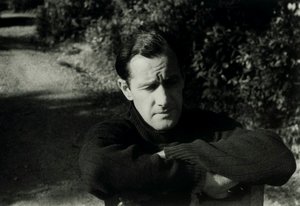
Sir Sidney Robert Nolan
1917 - 1992 , Australia
Kort om kunstneren
- Artistic Movement Or Style: Modernist
- Artists Who Influenced This Artist:
- Rimbaud
- Cézanne
- Kandinsky
- Klee
- Date Of Birth: 22 april 1917
- Date Of Death: 28 november 1992
- Full Name: Sir Sidney Robert Nolan
- Nationality: Australsk
- Notable Artworks:
- Ned Kelly series
- Carriers of Horses
- AFL Series
- Place Of Birth: Melbourne, Australia
Relaterte artikler

John Constable: Topp 25 Maler – Engelsk Landskapskunst i Ditt Hjem
Opplev John Constables 25 mest ikoniske malerier! Fordyp deg i engelsk romantikk, landskapskunst og atmosfæriske scener. Finn museumskvalitets reproduksjoner & interiørinspirasjon på OriginalUniqueArt.com. Utforsk samlingen online!

Romantiske landskap: Topp 10 mesterverk for hjemmet – Kunst fra OriginalUniqueArt.com
Oppdag de 10 mest ikoniske romantiske landskapsmaleriene! Fra Caspar David Friedrich til Turner – utforsk kunsthistorien, stemningen og fargepalettene. Finn museumskvalitets reproduksjoner på OriginalUniqueArt.com.

Evocations of Place: A Historical Journey Through Landscape Art
Explore the rich history of landscape art with OriginalUniqueArt. Discover renowned artists, movements like Impressionism & Romanticism, and expert guidance for collecting timeless pieces. Find your perfect serene escape today!

Sir Alfred James Munnings' 25 Mesterverk: En Hyllest til Heste og Engelsk Landskap | OriginalUniqueArt.com
Oppdag Sir Alfred James Munnings' 25 mest ikoniske malerier! Fordyp deg i hestemalerier, engelsk landskapskunst og impresjonistisk skjønnhet. Finn museumskvalitets reproduksjoner & interiørinspirasjon på OriginalUniqueArt.com.
Sir Joshua Reynolds' Mesterverk: 25 Ikoniske Maler for Kunstelskere
Oppdag Sir Joshua Reynolds' 25 mest ikoniske malerier! Fordyp deg i portrettkunsten fra det 18. århundre, barokk og rokokko-stilen. Finn inspirasjon til interiørdesign & kjøp reproduksjoner av høy kvalitet på OriginalUniqueArt.com.


