

 Se i rommet
 Del som digitalt kort
 Del
Del
 Detaljer
 Studentguide

 Last ned
 Liknende objekter
 Røntgen
 Lysbildefremvisning
 Besøksstatistikk
Jephthah


 Les mer
Håndlaget oljereproduksjon
Håndmalt olje på lerret i din valgte størrelse og ramme, laget på bestilling av våre kunstnere. ( Bytt til trykkversjon Gå til digitalt bilde)




P118B Nkr10

P118H Nkr10

P118W Nkr10

P438Z Nkr10

P508JH Nkr12

P508YH Nkr12

P805H Nkr10

P805Z Nkr10

P919BZ Nkr10

P919G Nkr10

P919XJ Nkr10

P959ZH Nkr10

P968JZ Nkr12

W106C Nkr8

W218G Nkr10

W218JH Nkr8

W218Y Nkr10

W307PJ Nkr10

W316G Nkr10

W316PJ Nkr8

W316Y Nkr10

W398PJ Nkr8

W4111J Nkr10

W500HY Nkr15

W500JH Nkr15

W692G Nkr12

W849H Nkr8

W940BG Nkr15

W953PJ Nkr8




Velg mellom våre forhåndsdefinerte størrelser som bevarer kunstverkets opprinnelige proporsjoner.

Skriv inn bredden og høyden du trenger, slik at den passer til din ramme eller vegg. Dette er håndmalt, så for en størrelse med en annen form kan kunstneren male litt mer rundt bildet, eller beskjære det noe — du velger selv. Vi sender deg en digital mockup for godkjenning før maleriet påbegynnes. Bildet som vises på denne siden viser ikke det faktiske resultatet — kun mockuppen gjør det.
Etter bestilling vil OriginalUniqueArt.com-teamet sende e-post til kunden for instruksjoner og sende et utkast (mockup) som forhåndsvisning.
Verdensomspennende levering () på 3–4 uker i stedet for standard 5 uker. (22 October). Ingen kompromisser med kvaliteten.

Gratis ekspressfrakt over hele verden

Lerretsduk av høykvalitets lin

Full transportforsikring

Garanti for refusjon av toll og importavgifter

Garantert fargeekthet

100 dagers returrett ved fabrikasjonsfeil

100% pengene tilbake-garanti

Mengderabatt
 Glassalternativet er kun tilgjengelig i størrelser under 110 cm

Jephthah
Reproduksjonsmetode
Format på reproduksjon
-


Totalpris
Nkr 2832
The Haunting Beauty of Millais’s Jephthah
Sir John Everett Millais's "Jephthah" – a painting that simultaneously evokes profound sorrow and a strange, unsettling beauty – stands as a cornerstone of the Pre-Raphaelite Brotherhood’s artistic vision. Completed in 1867 and now residing within the National Museum and Gallery of Wales in Cardiff, this oil on canvas is far more than a mere depiction of a biblical scene; it's a meticulously crafted exploration of human emotion, moral consequence, and the weight of ancient narratives.
The painting centers around Jephthah, a judge of Israel, forced by divine decree to sacrifice his daughter as an offering to appease a vengeful god. Millais doesn’t shy away from the brutal reality of this event, yet he imbues it with a haunting tenderness that transforms a tale of tragedy into a powerful meditation on duty and loss. The composition is dominated by the figure of Jephthah himself, a weathered warrior rendered in earthy tones, his face etched with grief as he cradles his daughter within his arms. Her sorrowful expression, coupled with her outstretched hands, speaks volumes about the unbearable weight of her impending fate.
Pre-Raphaelite Detail and Symbolism
Millais’s Pre-Raphaelite style is immediately apparent in the painting's astonishing level of detail. Every element – from the folds of Jephthah’s cloak to the texture of his daughter’s hair, the intricate patterns on her garment – has been rendered with painstaking accuracy. This commitment to realism wasn’t simply a technical exercise; it was a deliberate attempt to capture the essence of the biblical story with unparalleled fidelity. The artist meticulously studied the landscape and clothing of the period, ensuring that every aspect of the scene felt authentic and grounded in historical reality.
Beyond mere representation, “Jephthah” is rich in symbolic meaning. The desolate, windswept landscape – a stark contrast to the vibrant colors of the figures – represents the barrenness and moral decay that plagued Israel at the time. The daughter’s weeping symbolizes not only her personal grief but also the lamentation of an entire nation burdened by sin. The inclusion of other figures in the background—soldiers, attendants—adds layers of complexity, suggesting a community grappling with the consequences of Jephthah's actions and the broader implications of divine judgment.
A Victorian Exploration of Morality
“Jephthah” was created during a period of intense social and intellectual ferment in Victorian England. The Pre-Raphaelites, including Millais, sought to revive the artistic ideals of the medieval era, rejecting the academic conventions of the Royal Academy and embracing a more direct and emotionally honest approach to art. The painting reflects this spirit of rebellion, challenging viewers to confront uncomfortable truths about human nature and the complexities of morality.
Furthermore, the story itself resonated deeply with Victorian sensibilities, grappling with themes of sacrifice, duty, and the conflict between faith and reason. Millais’s portrayal of Jephthah's anguish captures the profound emotional toll exacted by a seemingly inescapable decree – a poignant reflection on the burdens of leadership and the devastating consequences of choices made in the name of divine authority.
Recreating History: High-Quality Reproductions
At OriginalUniqueArt.com, we are proud to offer meticulously crafted oil painting reproductions of “Jephthah,” allowing art lovers worldwide to experience the power and beauty of this iconic masterpiece. Each reproduction is created by skilled artisans using traditional techniques and archival-quality materials, ensuring that it faithfully captures the original’s rich colors, intricate details, and emotional depth. Whether you're a collector, an interior designer seeking a statement piece, or simply someone captivated by art history, our “Jephthah” reproduction is a stunning addition to any collection.
Spørsmål og svar
Hvilken fase av John Everett Millais sin utvikling representerer "Jephthah"?
"Jephthah" tilhører Pre-Raphaelite Era i John Everett Millais sin karriere. Denne klassifiseringen knytter verket til kunstnerens utvikling.
Hva har "Jephthah" til felles med resten av John Everett Millais sin produksjon?
"Jephthah" deler med John Everett Millaiss andre verk sin Pre-Raphaelite Brotherhood-stil og de gjentakende temaene: romanticism, victorian morality, biblical narrative, pre-raphaelite ideals, detailed realism, religious sacrifice, human suffering themes, millais's iconic.
Hvilket rom anbefales for "Jephthah" av John Everett Millais?
Det anbefalte rommet for "Jephthah" av John Everett Millais er en Living Room. Forslaget kan selvfølgelig tilpasses ditt interiør.
Kunstnerbiografi
A Prodigy of the Pre-Raphaelites: The Life and Art of Sir John Everett Millais
John Everett Millais, født i Southampton i 1829, trådte inn på Royal Academy Schools allerede i en alder av elleve år – et tidlig tegn på en talentfull karriere som ville definere en kunstbevegelse og samtidig fange den viktorianske fantasien med sin blendende realisme og emosjonelle dybde. Fra sine første dager besatt Millais en bemerkelsesverdig evne til observasjon, en kvalitet som skulle bli grunnsteinen i hans kunstneriske stil. Han malte ikke bare det han så; han gjenskapte det minutiøst, og imøtbåret hver penselstrøk med nesten fotografisk nøyaktighet. Denne dedikasjonen til sannhet i representasjonen skilte ham fra den etablerte kunsten i Storbritannia og førte ham til å utfordre konvensjonene.The Birth of a Brotherhood and Artistic Rebellion
Millais’s kunstneriske vei tok en avgjørende vending i 1848 da han, sammen med Dante Gabriel Rossetti og William Holman Hunt, grunnla Pre-Raphaelite Brotherhood. Dette var ikke bare et estetisk valg; det var en bevisst opprør mot hva de anså som kunstigheten til akademisk kunst – kunst som hadde avviket for langt fra den naturlige verden og den ærlighetens tidlige renessansekunstnere, de som arbeidet *før* Raphael. Pre-Rafaelittene søkte å gjenopplive klarhet, detalj og livlige fargetoner hos kunstnere som Jan van Eyck og Fra Angelico. Deres manifest var sannhet mot naturen, en avvisning av idealiserte former og en omfavnelse av emner hentet fra litteratur, mytologi og hverdagsliv. Millais’s tidlige verk, som *Isabella*, viste umiddelbart denne nye tilnærmingen – en minutiøs oppmerksomhet på detaljer kombinert med en narrativ intensitet som fengslet og ofte provoserte publikum. Hans mest kontroversielle arbeid i denne perioden, *Christ in the House of His Parents* (1849-50), skildret den hellige familie ikke som åndelige vesener, men som vanlige arbeiderklassefolk, noe som utløste sinne blant kritikere som fant dets realisme forstyrrende og til og med blasfemisk.Evolving Styles and Victorian Sensibilities
Midten av 1850-tallet markerte en betydelig endring i Millais’s liv og kunstneriske stil. Hans ekteskap med Effie Gray, etter hennes skilsomhet fra John Ruskin, påvirket hans arbeid dypt. Han forlot den intenst detaljerte, symbolske stilen i sine tidlige Pre-Raphaelite malerier og utviklet en bredere, mer atmosfærisk realisme. Denne overgangen var ikke bare et spørsmål om stilistisk preferanse; det gjenspeilte en økende engasjement med moderne liv og et ønske om å fange den flyktige skjønnheten i naturen. Malerier som *Autumn Leaves* illustrerer denne nye retningen – en rolig scene av unge kvinner som slipper blader nedover en elv, fylt med en følelse av melankoli og nostalgi. Han fant også betydelig suksess som portrettist, og fanget likhetene til fremtredende viktorianske figurer, inkludert John Gladstone og Benjamin Disraeli. Denne perioden førte Millais til allment popularitet og økonomisk sikkerhet, men den utløste også kritikk fra noen som mente han hadde kompromittert sine kunstneriske prinsipper.Major Works and Lasting Influence
Til tross for denne kritikken er Sir John Everett Millais en av de viktigste figurene i 1800-tallets britiske kunst. Hans innflytelse strekker seg langt utover Pre-Raphaelite Brotherhood; han definerte standardene for realisme og narrativ maleri, og inspirerte generasjoner av kunstnere. Hans ikoniske bilder – *Ophelia*, med sin hjerteskjærende skjønnhet og symbolske rikdom, *A Huguenot*, som skildrer et øyeblikk av gripende drama, og utallige andre – resonerer fortsatt med publikum i dag. Millais’s evne til å kombinere nøyaktig observasjon med emosjonell dybde, hans mesterskap i farge og komposisjon, og hans vilje til å utfordre kunstneriske konvensjoner sikret ham en plass som en ekte innovatør. I 1896 ble han valgt som president for Royal Academy, et bevis på sin vedvarende arv – dessverre døde han bare noen få måneder senere. Hans verk feires fortsatt i museer og samlinger over hele verden, og sikrer at dets skjønnhet og kraft vil vare for kommende generasjoner.Major Works & Collections
- Christ in the House of His Parents (1849-1850): Tate Britain, London – Et kontroversielt mesterverk som eksemplifiserer tidlig Pre-Raphaelite realisme.
- Ophelia (1851-1852): Tate Britain, London – Kanskje hans mest kjente verk, kjent for sin hjerteskjærende skjønnhet og symbolske dybde.
- A Huguenot (1851-1852): Private Collection – En dramatisk scene som viser religiøs konflikt og forbudt kjærlighet.
- Mariana (1850-1851): Manchester Art Gallery – Inspirert av Shakespeare og Tennyson, som viser Millais’s ferdigheter i å fange stemning og atmosfære.
- Autumn Leaves (1855-1856): City of Manchester Art Galleries – Et rolig og innbydende maleri som gjenspeiler hans utviklende stil.

John Everett Millais
1829 - 1896 , Storbritannia
Kort om kunstneren
- Artistic Movement Or Style: Pre-Raphaelitisk, Realisme
- Artists Or Movements Influenced By This Artist: Pre-Raphaelite bevegelse
- Artists Who Influenced This Artist: Pre-Raphaelite bevegelse
- Date Of Birth: 8 juni 1829
- Date Of Death: 13 aug 1896
- Full Name: Sir John Everett Millais
- Nationality: Britisk
- Notable Artworks:
- Christ i huset...
- Ophelia
- En hugenot
- Mariana
- Place Of Birth: Southampton, Storbritannia
Relaterte artikler

Sir John Everett Millais: Pre-Raphaelite Rebellion & Victorian Narrative Detail
Explore the revolutionary art of Sir John Everett Millais & the Pre-Raphaelite Brotherhood. Discover their radical realism, symbolic narratives, and lasting impact on Victorian aesthetics. A deep dive into 19th-century masterpieces.

The Pre-Raphaelite Brotherhood: Rediscovering Beauty, Romance, and Medieval Magic in Victorian Art
Embark on a journey through the Pre-Raphaelite Brotherhood. Discover the romantic symbolism, medieval magic, and radical beauty of Rossetti and Burne-Jones in this expert exploration of Victorian art history.

Dante Gabriel Rossettis 25 Mesterverk: Kunst, Symbolikk og Skjønnhet for Ditt Hjem
Utforsk de 25 mest ikoniske maleriene av Dante Gabriel Rossetti! Oppdag symbolisme, romantikk og viktoriansk skjønnhet i Pre-Raphaelittenes mesterverk. Finn kunsttrykk & reproduksjoner for ditt hjem på OriginalUniqueArt.com.
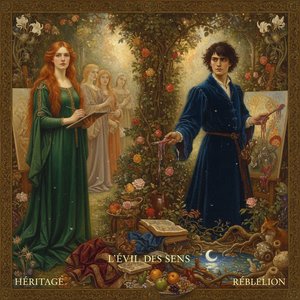
The Pre-Raphaelite Brotherhood: Reclaiming Beauty, Nature, and Truth in Victorian Art History
Explore the revolutionary Pre-Raphaelite Brotherhood. Discover how these visionary artists rejected academic tradition to reclaim beauty, nature, and truth through luminous detail and literary depth in Victorian art history.

Pre-Raphaelite Romanticism: A Guide to Vivid Detail and Medieval Beauty in Victorian Art
Explore the vivid detail and medieval beauty of Pre-Raphaelite Romanticism. Discover the history of masters like Rossetti and Millais through our expert guide to Victorian art, perfect for collectors and professionals seeking authentic, museum-quality reproductions.


