
 Forhåndsvisning
 Send
Send Del med andre
 Vis detaljer

 Last ned bildet
 Liknende objekter
 Røntgenundersøkelse
 Lysbildefremvisning
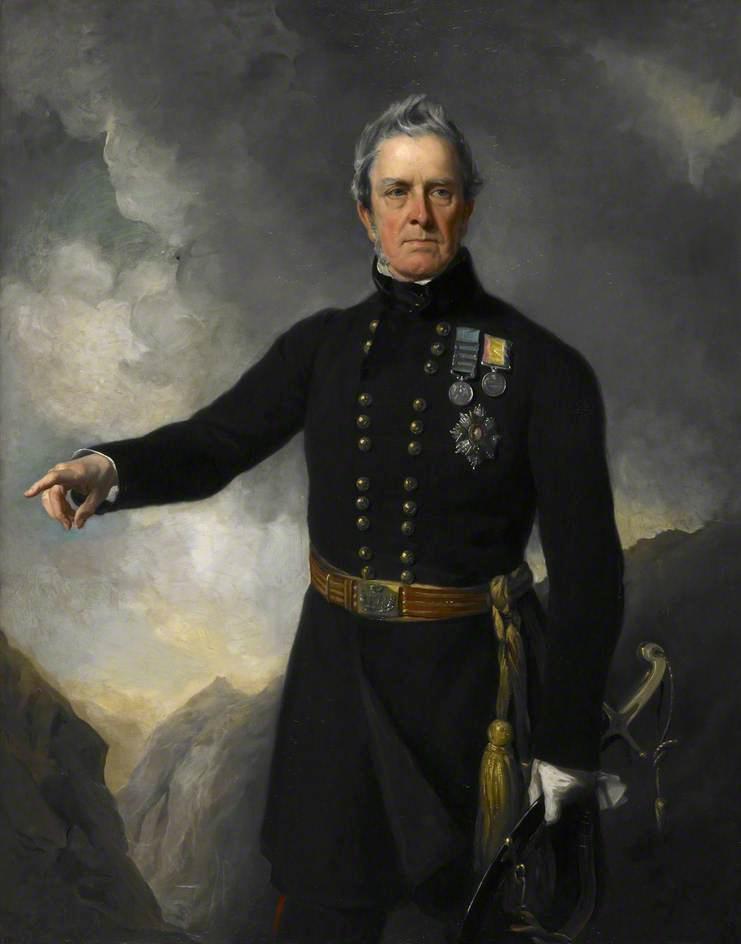
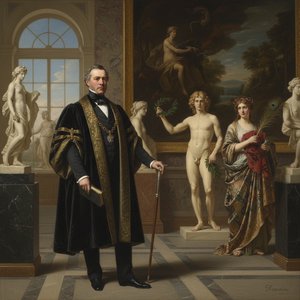
Lieutenant General Sir George Pollock


 Vis hele teksten
Giclée / Kunsttrykk
Giclée- eller lerretsprint av museumskvalitet med rask produksjon og fleksible valgmuligheter for etterbehandling. ( Kjøp håndlaget maleri Kjøp bilde)




P118B $10

P118H $10

P118W $10

P438Z $10

P508JH $12

P508YH $12

P805H $10

P805Z $10

P919BZ $10

P919G $10

P919XJ $10

P959ZH $10

P968JZ $12

W106C $8

W218G $10

W218JH $8

W218Y $10

W307PJ $10

W316G $10

W316PJ $8

W316Y $10

W398PJ $8

W4111J $10

W500HY $15

W500JH $15

W692G $12

W849H $8

W940BG $15

W953PJ $8




Velg mellom våre forhåndsdefinerte størrelser som bevarer kunstverkets opprinnelige proporsjoner.

Du kan oppgi egne mål for å tilpasse en spesifikk ramme eller et bestemt område. Dersom den valgte størrelsen ikke samsvarer med det originale bildets proporsjoner, vil vi enten beskjære kunstverket eller utvide bildet med en speilet eller ensfarget kant. En digital mockup vil bli sendt til din godkjenning før produksjonen starter.
Vennligst merk at forhåndsvisningen på skjermen ikke gjenspeiler den faktiske beskjæringen eller utvidelsen. Kun mockuppen vil vise den endelige komposisjonen nøyaktig.
Selv om tilpassede størrelser er tilgjengelige, anbefaler vi å velge et mål fra den forhåndsdefinerte listen for å bevare de originale proporsjonene.
Verdensomspennende levering () på 2 uker i stedet for standard 4/5 uker. (26 August)

Gratis ekspressfrakt over hele verden

Lerretsduk av høykvalitets lin

Full forsikring under transport

Garanti for refusjon av toll og importavgifter

Garantert korrekt fargegjengivelse

60 dagers returrett (kun ved feil)

100% pengene tilbake-garanti

Rabatt ved flere kjøp
 Glassalternativet er kun tilgjengelig i størrelser under 110 cm

Lieutenant General Sir George Pollock
Giclée / Kunsttrykk
Størrelse på reproduksjon
-


Endelig pris
$ 80
Beskrivelse av samleobjektet
A Portrait of Command: Sir Francis Grant’s Reverent Depiction of Lieutenant General Sir George Pollock
Sir Francis Grant's “Lieutenant General Sir George Pollock,” painted in 1856, stands as a testament to the Victorian obsession with formal portraiture and the meticulous observation of academic art. More than just a likeness, it’s an embodiment of military prestige and aristocratic dignity—a scene meticulously crafted to convey both visual splendor and profound symbolic resonance.
- Subject Matter & Context: The artwork portrays Lieutenant General Sir George Pollock (1786–1872), a celebrated British soldier who achieved renown for his leadership during the Napoleonic Wars, specifically his decisive role in securing the Battle of Waterloo. Grant’s depiction captures Pollock at the height of his career, reflecting the societal values of the time—honor, duty, and unwavering loyalty to the Crown.
- Composition & Technique: Employing a classic three-quarter pose against a subtly blurred landscape backdrop, Grant utilizes a pyramidal composition that directs the viewer’s gaze towards Pollock's face. The artist skillfully blends muted browns and blacks with delicate touches of gold—primarily in the medals adorning Pollock’s uniform—creating depth and highlighting his status. Oil paint on canvas allows for nuanced tonal gradations and textural detail, achieved through meticulous layering and blending.
- Color Palette & Lighting: The subdued color palette reinforces the solemn mood of the portrait. Dark hues dominate, emphasizing seriousness and conveying a sense of gravitas. Diffused lighting illuminates Pollock’s face and upper torso, casting shadows that accentuate his musculature and contribute to the overall dramatic effect. This careful manipulation of light underscores Grant's mastery of artistic realism.
- Symbolism & Emotional Impact: The prominent medals serve as potent symbols of Pollock’s military achievements—visual representations of bravery and victory. Furthermore, Grant subtly conveys Pollock’s inner fortitude through his posture and gaze, suggesting confidence and unwavering resolve. The landscape background evokes memories of Waterloo campaigns, hinting at the challenges faced by Britain's military elite.
- Style & Artistic Merit: “Lieutenant General Sir George Pollock” exemplifies the stylistic conventions of academic painting—characterized by precise anatomical accuracy and adherence to established compositional principles. Grant’s meticulous attention to detail elevates the artwork beyond mere representation, transforming it into a powerful statement about Victorian ideals of leadership and honor.
This reproduction captures not only the visual beauty of Grant's masterpiece but also its enduring significance as an emblem of British military history and artistic excellence. It’s ideal for discerning collectors and interior designers seeking to infuse their spaces with a touch of Victorian grandeur.
Om kunstneren
A Life Dedicated to Portraiture and the Academy
Sir Francis Grant, a name synonymous with refined portraiture and dedicated service to the British art establishment, emerged as one of the most sought-after artists of his era. Born in 1803 into a landed family in Perthshire, Scotland, young Francis initially seemed destined for a career in law. However, the allure of artistic expression proved too irresistible to resist. Though largely self-taught, he briefly studied under Alexander Nasmyth in Edinburgh, laying an early foundation before forging his own distinctive path. This path wasn’t immediately apparent; Grant's initial successes came with sporting scenes, capturing the energy and vibrancy of rural life – subjects that would initially define his reputation. A pivotal moment arrived through his marriage, granting him access to the exclusive world of Melton Mowbray’s hunting set. There, he honed his skills under John Ferneley, a master of equestrian art, and began to specialize in depictions of horses and hounds – endeavors that showcased an exceptional eye for detail and composition.From Sporting Scenes to Aristocratic Likenesses
Grant's artistic evolution wasn’t merely a shift in subject matter; it was a refinement of style. His early sporting scenes, like the celebrated *Melton Breakfast* (1834), demonstrated an astute understanding of light and color, mirroring the Impressionists’ burgeoning fascination with capturing fleeting moments. Yet, it was his burgeoning talent for portraiture that truly propelled him to prominence. He possessed a remarkable ability to capture not just physical likeness but also the character and social standing of his sitters – a skill particularly valuable in an era obsessed with status and image. This dedication to portraying individuals authentically distinguished him from many contemporaries who prioritized mere representation over psychological insight. Commissions flowed in from the British aristocracy and political elite, including the ultimate accolade: portraits of Queen Victoria herself. His portrait of Lady Glenlyon (1842) served as a watershed moment, solidifying his position among the leading portraitists of the day; it exemplifies Grant’s masterful blending of Neoclassical elegance with subtle Romantic influences – a technique that subtly elevates the image beyond mere likeness. He skillfully employed chiaroscuro—the dramatic interplay of light and shadow—to convey emotion and depth, mirroring the stylistic innovations championed by artists like Rembrandt. His portraits captured not just appearances but also inner qualities, reflecting Victorian ideals of dignity and refinement.Influences and Artistic Development
Grant’s artistic journey was shaped profoundly by his mentors – Alexander Nasmyth, whose atmospheric landscapes instilled in him a sensitivity to tonal variation; and John Ferneley, who imparted invaluable expertise in equestrian art and compositional balance. Ferneley's influence is evident in Grant’s meticulous depictions of horses and hounds, reflecting the aristocratic fascination with horsemanship during Victorian Britain. These formative experiences cultivated Grant’s distinctive artistic voice – one characterized by precision, restraint, and a profound appreciation for beauty. He absorbed lessons from artists like Thomas Lawrence, whose opulent portraits established standards of grandeur and elegance, tempering Lawrence's flamboyant style with Grant’s own understated grace. This careful assimilation of stylistic elements contributed to his enduring legacy as a portraitist who elevated the genre beyond mere likeness.Presidency and Legacy: Shaping the Royal Academy
The pinnacle of Grant’s career arrived in 1866 with his election as President of the Royal Academy, following the death of Charles Eastlake – an honor that recognized not only his artistic achievements but also his respected standing within the art world. This prestigious position signaled a culmination of decades dedicated to honing his craft and championing artistic innovation. During his tenure, Grant instituted a groundbreaking practice: the holding of major loan exhibitions—a bold step that expanded the Academy’s reach and influence, attracting wider public engagement and fostering dialogue about art history and contemporary aesthetics. He wasn't merely preserving tradition; he actively sought to broaden its horizons – mirroring the spirit of reform prevalent in Victorian Britain. Grant’s leadership solidified the Royal Academy as a cornerstone of British cultural life, ensuring that his vision would continue to inspire generations of artists. His influence extended beyond his own work, impacting artists such as Martin Archer Shee and Solomon Alexander Hart.Notable Works
- Melton Breakfast (1834): An early triumph showcasing Grant’s mastery of tonal harmony and atmospheric perspective.
- The Meeting of His Majesty's Staghounds on Ascot Heath: A dynamic composition capturing the energy and excitement of a hunting event with remarkable accuracy.
- Portrait of Lady Glenlyon (1842): Considered Grant’s masterpiece, embodying Neoclassical elegance infused with Romantic sensitivity—a testament to his artistic skill.
- Equestrian Portraits of Queen Victoria and Prince Albert: Demonstrations of Grant's exceptional talent in portraying both regal dignity and noble steeds – capturing the grandeur of Victorian royalty.
- Portraits of the Marchioness of Waterford, the Marchioness of Bristol, and Mrs Markham (Daisy Grant): Acclaimed portraits reflecting Grant’s ability to convey character and social standing with subtlety and grace.

Sir Francis Grant
1803 - 1878 , Storbritannia
Kort om kunstneren
- Artistic Movement Or Style: Neoklassisisme og Romantikk
- Artists Or Movements Influenced By This Artist:
- Martin Archer Shee
- Solomon Hart
- Artists Who Influenced This Artist:
- Alexander Nasmyth
- John Ferneley
- Date Of Birth: 18 Januar 1803
- Date Of Death: 5 Oktober 1878
- Full Name: Sir Francis Grant
- Nationality: Skotsk
- Notable Artworks:
- Melton Frokost
- Lady Glenlyon
- Victoria Ride
- Place Of Birth: Edinburgh, Storbritannia
Relaterte artikler
Sir Joshua Reynolds' Mesterverk: 25 Ikoniske Maler for Kunstelskere
Oppdag Sir Joshua Reynolds' 25 mest ikoniske malerier! Fordyp deg i portrettkunsten fra det 18. århundre, barokk og rokokko-stilen. Finn inspirasjon til interiørdesign & kjøp reproduksjoner av høy kvalitet på OriginalUniqueArt.com.
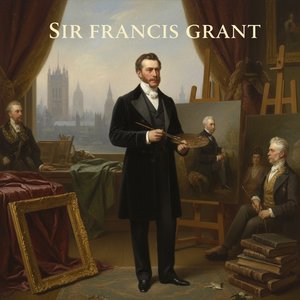
Sir Francis Grant: Portraiture, Patronage & Victorian Society
Explore the life & work of Sir Francis Grant, a leading Victorian portraitist. Discover his aristocratic clientele, role at the Royal Academy, and enduring artistic legacy. Learn about art patronage in 19th-century Britain.
Francis Bacons 25 Mesterverk: En Reise Inn i Sjelens Dyp – Kunst for Ditt Hjem | OriginalUniqueArt.com
Utforsk Francis Bacons 25 mest ikoniske malerier! Oppdag historiene bak ekspresjonistiske mesterverk, fra 'Scream' til 'Pope Innocent X'. Finn kunsttrykk og lerretstrykk av høy kvalitet for ditt hjem på OriginalUniqueArt.com – museumskvalitet & inspirasjon.

Sir Alfred James Munnings' 25 Mesterverk: En Hyllest til Heste og Engelsk Landskap | OriginalUniqueArt.com
Oppdag Sir Alfred James Munnings' 25 mest ikoniske malerier! Fordyp deg i hestemalerier, engelsk landskapskunst og impresjonistisk skjønnhet. Finn museumskvalitets reproduksjoner & interiørinspirasjon på OriginalUniqueArt.com.
Sir Frederic Leighton: Aestheticism, Academic Mastery & Victorian Masculinity
Explore the life & art of Sir Frederic Leighton, a master of Victorian Aestheticism. Discover his academic training, sculptural innovations, and captivating depictions of beauty. Expert insights for collectors.



