Forhåndsvisning
 Send
Send Del
Del
 Vis detaljer
 Utskriftsvennlig guide

 Last ned bilde
 Liknende objekter
 Røntgenundersøkelse
 Lysbildefremvisning
 Spørsmål og svar
 Statistikk
Abraham and Isaac

- 119.0 x 178.0 cm


 Vis hele teksten
Giclée / Kunsttrykk
Giclée- eller lerretsprint av museumskvalitet med rask produksjon og fleksible valgmuligheter for etterbehandling. ( Kjøp håndmalt maleri Bytt til digitalt bilde)




P118B Nkr10

P118H Nkr10

P118W Nkr10

P438Z Nkr10

P508JH Nkr12

P508YH Nkr12

P805H Nkr10

P805Z Nkr10

P919BZ Nkr10

P919G Nkr10

P919XJ Nkr10

P959ZH Nkr10

P968JZ Nkr12

W106C Nkr8

W218G Nkr10

W218JH Nkr8

W218Y Nkr10

W307PJ Nkr10

W316G Nkr10

W316PJ Nkr8

W316Y Nkr10

W398PJ Nkr8

W4111J Nkr10

W500HY Nkr15

W500JH Nkr15

W692G Nkr12

W849H Nkr8

W940BG Nkr15

W953PJ Nkr8




Velg mellom våre forhåndsdefinerte størrelser som bevarer kunstverkets opprinnelige proporsjoner.

Skriv inn ønsket bredde og høyde for å tilpasse trykket til din ramme eller vegg. Et trykk kan kun beskjæres, aldri skaleres opp utover motivets opprinnelige størrelse, noe som betyr at et format med andre proporsjoner vil føre til tap av deler av bildet. Vi sender deg en digital mockup for godkjenning før vi starter trykkeprosessen. Bildet som vises på denne siden viser ikke den faktiske beskjæringen — det er kun mockuppen som viser dette.
Verdensomspennende levering () på 2 uker i stedet for standard 4/5 uker. (4 November)

Gratis ekspressfrakt over hele verden

Lerretsduk av lin av høy kvalitet

Full transportforsikring

Garanti for refusjon av toll og importavgifter

Garantert fargegjengivelse

100 dagers returrett ved fabrikasjonsfeil

100% pengene tilbake-garanti

Rabatt ved flere kjøp
 Glassalternativet er kun tilgjengelig i størrelser under 110 cm

Abraham and Isaac
Giclée / Kunsttrykk
Størrelse på reproduksjon
-


Totalpris for valgte alternativer
Nkr 774
A Testament to Faith: Van Dyck’s Abraham and Isaac
Sir Anthony van Dyck's “Abraham and Isaac,” painted in 1617, is more than just a biblical scene; it’s a profound meditation on faith, obedience, and the agonizing weight of divine command. This masterful work transcends its religious subject matter to become a timeless exploration of human emotion and the complex relationship between man and God. Van Dyck, already establishing his signature style—characterized by elegant portraits and a remarkable ability to capture fleeting expressions—delves into this pivotal narrative with an intensity that resonates deeply even today.
The painting depicts the moment before Abraham is poised to sacrifice Isaac, as recounted in Genesis. The composition is remarkably balanced, drawing the eye immediately to the central figures of the father and son. Abraham, rendered with a dignified sorrow etched onto his face, holds Isaac firmly but gently, conveying both resolve and heartbreaking reluctance. Isaac’s youthful countenance reflects a mixture of apprehension and acceptance—a poignant testament to the boy's unwavering trust in his father’s judgment. The surrounding figures – servants, messengers, and the landscape itself – are rendered with subtle detail, contributing to the overall sense of drama and solemnity.
Baroque Drama: Technique and Composition
Van Dyck’s technical prowess is immediately evident in the painting's rich textures and masterful use of light. He employs a technique known as “sfumato,” blurring the edges of forms to create an atmospheric haze that envelops the scene, intensifying the emotional impact. The deep, saturated colors—particularly the earthy tones of Abraham’s robe and the muted blues of the sky—lend a sense of gravitas and timelessness to the composition. Van Dyck's brushwork is remarkably fluid, particularly in depicting the drapery, which flows with an almost sculptural quality. Note how he uses light to highlight key elements – Isaac’s face, Abraham’s hand – drawing attention to the central drama.
The painting adheres closely to the conventions of Baroque art, but Van Dyck infuses it with a distinctly personal touch. The composition is carefully structured around a triangular arrangement, anchoring the scene and directing the viewer's gaze towards the central figures. The use of perspective creates a sense of depth, drawing the viewer into the narrative and immersing them in the emotional intensity of the moment. Van Dyck’s ability to capture such nuanced emotion within a formal structure is a hallmark of his genius.
Symbolism and Interpretation
“Abraham and Isaac” is laden with symbolic meaning. The ram, sacrificed in place of Isaac, represents divine mercy and substitution—a powerful image of God's willingness to accept alternative offerings in lieu of human sacrifice. The mountain itself – Jehovah-jireh, “the Lord will provide” – symbolizes a moment of faith tested to its limits. It’s not merely a landscape; it’s a stage for the drama of divine revelation and humanity’s response to it.
Beyond the biblical narrative, the painting can be interpreted as an allegory of the human condition—a reflection on the challenges of obedience, the burden of responsibility, and the enduring struggle between faith and doubt. Abraham's anguish mirrors our own moments of uncertainty and moral dilemmas, while Isaac’s youthful acceptance speaks to the power of trust and unwavering belief. The painting invites viewers to contemplate their own relationship with faith, morality, and the choices they make in the face of adversity.
A Legacy of Elegance: Van Dyck's Enduring Influence
Sir Anthony van Dyck’s “Abraham and Isaac” stands as a testament to his artistic skill and profound understanding of human emotion. His masterful technique, combined with a keen awareness of symbolism and narrative depth, elevates the painting beyond a simple depiction of a biblical story. It remains a powerful and moving work of art, admired for its beauty, its emotional resonance, and its enduring relevance. Reproductions of this iconic piece capture the essence of Van Dyck’s genius, offering a glimpse into a world of elegance, drama, and timeless contemplation.
Spørsmål og svar
Hvilken størrelse og orientering anbefales for et trykk av "Abraham and Isaac" av Anthony van Dyck?
For "Abraham and Isaac" er den anbefalte trykkinnstillingen størrelse Large og Landscape orientering.
Når og innen hvilken stilretning ble "Abraham and Isaac" laget?
"Abraham and Isaac" ble skapt i 1617 som et verk innenfor Baroque-retningen. Datoen og kunstretningen forankrer verket i kunsthistorien.
Hvilket medium er "Abraham and Isaac" av Anthony van Dyck utført i?
"Abraham and Isaac" er utført i Oil On Canvas.
Om kunstneren
A Flemish Master at the Courts of Europe
Sir Anthony van Dyck, født i Antwerpen i 1599, steg frem som en av de mest berømte og innflytelsesrike portrettistene i den bølgeformede perioden. Hans liv, tragisk forkortet ved bare forty to år gammel, var et virvar av kunstnerisk utforskning og anseelige oppdrag som førte ham fra hans fødeby Flanders til Italia og til slutt til hjertet av den engelske retten. Fra en tidlig alder viste van Dyck bemerkelsesverdig talent, og gikk inn i Hendrick van Balens verksted som en ung lærling og raskt absorberte de gjeldende stilene på det tidspunktet. Imidlertid var hans forbindelse med Peter Paul Rubens – ikke bare som en student, men som en samarbeidspartner – som virkelig formet hans kunstneriske fundament. Han lærte av Rubens’ dynamiske komposisjoner, rike fargepaletter og mesterlige håndtering av lys og skygge, men van Dyck begynte snart å forme sin egen distinkte vei, preget av eleganse og raffinement som ville bli hans signatur.Italian Sojourns and the Birth of a Style
Årene van Dyck tilbrakte i Italia, begynner rundt 1621, viste seg å være avgjørende for hans kunstneriske utvikling. Han bodde hovedsakelig i Genova, hvor han fant gunst blant byens aristokratiske familier. Det var her han begynte å dyrke den sofistikerte stilen som han ville bli kjent med – en stil preget av elegante positurer, luksuriøse stoff og nesten følbar noblesse. I motsetning til Rubens’ ofte robuste energi, utstråler van Dycks italienske portretter en raffinert sammentrekkning, og fanger ikke bare fysisk likhet, men også den indre karakteren og den sosiale statusen til hans sittere. Under denne perioden engasjerte han seg også i *Iconography*, en rekke nøye utformede portrettutskrifter som fremhevet prominente figurer fra sin tid – kunstnere, lærde og herskere. Dette prosjektet viste hans eksepsjonelle tekniske ferdigheter og etablerte ham som en ledende trykker. Disse utskriftene var ikke bare registre; de ble nøye konstruerte bilder designet for å immortaliserer emnene og formidle deres status og intellekt.The King’s Painter: Van Dyck in England
I 1632 mottok van Dyck en invitasjon som ville endre hans karrierebane for alltid – en oppfordring fra Charles I av England til å bli hoffmaleren. Denne utnevnelsen markerte et vendepunkt, ikke bare for van Dyck, men også for engelsk portrettkunst. Han ankom London med et betydelig rykte og ble raskt uunnværlig for kongen, tildelt oppgaven med å skape bilder som projiserte en aura av makt, majestet og guddommelig rett. Van Dycks portretter av Charles I er spesielt bemerkelsesverdige; han avviste de stive, formelle representasjonene som favoriseres av tidligere kunstnere, i stedet for å fremstille kongen som en dynamisk, karismatisk leder. Han brukte innovative teknikker – dramatisk belysning, utstraktede bevegelser og nøye utvalgte bakgrunner – for å skape bilder som var både visuelt imponerende og politisk ladde. Hans innflytelse spredte seg utover den kongelige familien, og formet den visuelle kulturen i det engelske aristokratiet i generasjoner fremover. Han malte ikke bare portretter; han skapte et bilde av herskaplighet, som påvirket hvordan monarkiet ble oppfattet i over hundre år.Legacy and Enduring Influence
Van Dycks tidlige død i 1641 fratok kunstverdenen en bemerkelsesverdig talent, men hans arv lever videre den dag i dag. Hans innflytelse på engelsk portrettkunst er ubestridelig; han etablerte en standard for eleganse og raffinement som etterfølgende kunstnere ville strebe etter å emulere.- Teknisk innovasjon: Han var en mester i både oljemaleri og gravering, kontinuerlig eksperimenterende med nye teknikker.
- Stilistisk raffinering: Hans portretter er preget av elegante positurer, luksuriøse stoff og subtile psykologiske innsikter.
- Hoffsinnflytelse: Han transformerte bildet av det engelske monarkiet, og skapte et visuelt språk av makt og prestisje.
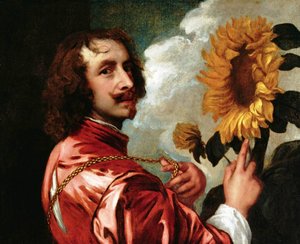
Anthony van Dyck
1599 - 1641 , Belgia
Kort om kunstneren
- Artistic Movement Or Style: Barokk
- Artists Or Movements Influenced By This Artist: ['Engelsk portrettmaleri']
- Artists Who Influenced This Artist: ['Peter Paul Rubens']
- Date Of Birth: 22 mars 1599
- Date Of Death: 9 desember 1641
- Full Name: Sir Anthony van Dyck
- Nationality: Flemish
- Notable Artworks:
- Portrett av en kvinne
- Hesteportrett
- Stuart-stil
- Place Of Birth: Antwerpen, Belgia
Relaterte artikler
The Grandeur of Baroque Portraiture: Power, Emotion & Artistic Innovation
Explore the grandeur of Baroque portraiture! Discover Rubens, Van Dyck & the masters of 17th-century art. Uncover symbolism, techniques & lasting influence. Expert insights for collectors and enthusiasts.
Cornelis van Poelenburch: Bridging Mannerism & the Dutch Baroque Landscape
Discover Cornelis van Poelenburch, a pivotal Dutch Baroque landscape painter bridging Mannerism & Italianate styles. Explore his life, key works, and lasting influence on 17th-century art with OriginalUniqueArt.
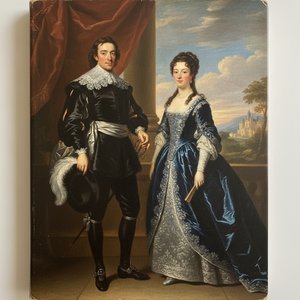
Sir Anthony van Dyck: Courtly Portraiture & the Shaping of Baroque Identity
Explore the life & legacy of Sir Anthony van Dyck, the leading court painter of his era. Discover his innovative portraiture, Baroque masterpieces, and investment potential for discerning collectors. Learn more at OriginalUniqueArt.

Barokkens Mesterverk: Topp 10 Kunstverk som Definerte en Epoke | OriginalUniqueArt.no
Opplev barokkens prakt! Utforsk Rembrandts, Caravaggios og Rubenses mest ikoniske verk. Lær om historien bak disse mesterverkene og finn inspirasjon til din interiørdekor på OriginalUniqueArt.com. Museums kvalitet kunsttrykk.

Rembrandts Mesterverk: Topp 25 Kunstverk for Din Vegg | OriginalUniqueArt.no
Utforsk Rembrandts 25 mest ikoniske kunstverk! Oppdag historiene bak mestermalerier, portretter og bibelske scener fra den nederlandske barokken. Finn museumskvalitets reproduksjoner & interiørinspirasjon på OriginalUniqueArt.com.