Se i rommet
 Del som digitalt kort
 Del
Del
 Detaljer
 Studentguide

 Last ned
 Liknende objekter
 Røntgen
 Lysbildefremvisning
 Besøksstatistikk
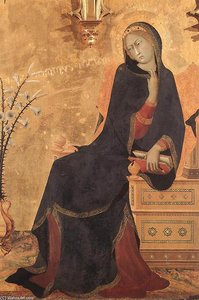
Maestà (Detalj)


 Les mer
Giclée / Kunsttrykk
Giclée- eller lerretsprint av museumskvalitet med rask produksjon og fleksible valgmuligheter for etterbehandling. ( Bestill håndmalt reproduksjon Gå til digitalt bilde)




P118B Nkr10

P118H Nkr10

P118W Nkr10

P438Z Nkr10

P508JH Nkr12

P508YH Nkr12

P805H Nkr10

P805Z Nkr10

P919BZ Nkr10

P919G Nkr10

P919XJ Nkr10

P959ZH Nkr10

P968JZ Nkr12

W106C Nkr8

W218G Nkr10

W218JH Nkr8

W218Y Nkr10

W307PJ Nkr10

W316G Nkr10

W316PJ Nkr8

W316Y Nkr10

W398PJ Nkr8

W4111J Nkr10

W500HY Nkr15

W500JH Nkr15

W692G Nkr12

W849H Nkr8

W940BG Nkr15

W953PJ Nkr8




Velg mellom våre forhåndsdefinerte størrelser som bevarer kunstverkets opprinnelige proporsjoner.

Skriv inn bredden og høyden du trenger, slik at den passer til din ramme eller vegg. Et trykk kan kun beskjæres, aldri gjøres større enn bildet, så et format med en annen form vil miste en del av motivet. Vi sender deg en digital mockup for godkjenning før vi trykker noe som helst. Bildet som vises på denne siden viser ikke den faktiske beskjæringen — det er kun mockuppen som gjør det.
Verdensomspennende levering () på 2 uker i stedet for standard 4/5 uker. (28 October)

Gratis ekspressfrakt over hele verden

Lerretsduk av høykvalitets lin

Full transportforsikring

Garanti for refusjon av toll og importavgifter

Garantert fargeekthet

100 dagers returrett ved fabrikasjonsfeil

100% pengene tilbake-garanti

Mengderabatt
 Glassalternativet er kun tilgjengelig i størrelser under 110 cm

Maestà (Detalj)
Giclée / Kunsttrykk
Format på reproduksjon
-


Totalpris
Nkr 762
Maestà – Et Sølvglans av Moderlig Kjærlighet og Kontemplasjon
Simone Martini’s Maestà, painted around 1315 in Siena, Italy, stands as an emblem of Sienese Gothic art and a testament to the artist's unparalleled mastery of elegance and grace. More than just a depiction of Mary holding the infant Jesus – though that central image undeniably radiates tenderness – this fresco is steeped in symbolism and meticulously crafted with techniques that continue to fascinate scholars today. It’s a painting that speaks volumes about piety, artistic innovation, and the aspirations of its time.- Subject Matter & Composition: The artwork portrays Mary enthroned, symbolizing divine motherhood and spiritual authority. Her posture exudes serenity, reflecting the Virgin's unwavering faith and devotion. Surrounding her are figures representing saints – Saint Benedict and Saint Dominic – highlighting the importance of monastic piety within Sienese society during the period. The careful arrangement of these figures contributes to a harmonious visual balance, guiding the viewer’s gaze towards the central Madonna and Child.
- Style & Technique: Martini's Maestà exemplifies the refined Gothic style prevalent in Siena at the time. Characterized by delicate lines, luminous colors achieved through glazing techniques – layering thin coats of translucent pigment – and a remarkable attention to detail, it distinguishes itself from earlier frescoes. The artist skillfully employed tempera paint on gesso panels, resulting in an astonishingly vibrant surface that retains its brilliance centuries later.
Historical Context: Siena’s Artistic Zenith Siena during Martini's lifetime experienced a golden age of artistic patronage fueled by the wealth generated from banking and wool trade. The city’s civic pride manifested itself in grand architectural projects and, crucially, in ambitious ecclesiastical commissions like Maestà. This fresco was commissioned for the Benedictine Monastery of San Salvadore Nuovo, reflecting the monastery’s devotion to Saint Benedict – a figure revered for his ascetic lifestyle and theological writings – and symbolizing their spiritual aspirations. The painting served as a powerful visual affirmation of faith and piety within Siena's cultural landscape.
- Symbolism: Beyond its religious subject matter, Maestà is replete with symbolic elements. The drapery surrounding Mary is richly ornamented with floral motifs – lilies representing purity and roses symbolizing divine love – reinforcing the painting’s overarching themes of holiness and compassion. The bird perched atop Saint Dominic's shoulder symbolizes hope and spiritual ascension, mirroring Mary’s role as a beacon of faith for Christendom.
- Emotional Impact: Martini’s Maestà transcends mere representation; it evokes profound emotion. The serene expression on Mary’s face conveys unwavering compassion and maternal tenderness, inviting contemplation and fostering a sense of reverence. The luminous colors and meticulous detailing contribute to an atmosphere of ethereal beauty, transporting the viewer into a realm of spiritual grace.
Legacy & Reproduction Maestà remains one of Simone Martini’s most celebrated masterpieces and arguably the pinnacle of Sienese Gothic art. Its influence can be seen in subsequent artistic endeavors throughout Italy and beyond, demonstrating Martini's enduring legacy as a visionary artist who elevated painting to new heights of expressive power. OriginalUniqueArt offers exceptional reproductions of Maestà, meticulously crafted by skilled artisans using archival pigments on premium canvas—allowing collectors and interior designers alike to experience the breathtaking beauty and spiritual depth of this iconic artwork firsthand.
Spørsmål og svar
Hvor kan jeg kjøpe et digitalt bilde av "Maestà (Detalj)" av Simone Martini?
"Maestà (Detalj)" er tilgjengelig som nedlasting av et digitalt bilde i høy oppløsning, kjøpt direkte på siden for Digitalt bilde.
Hva er "Maestà (Detalj)" laget med, og i hvilken stil?
"Maestà (Detalj)" av Simone Martini kombinerer Akryl på lerret-teknikken med Italian Gothic Style-stilen. Teknikk og stilretning beskriver verkets utførelse og estetiske uttrykk.
Er "Maestà (Detalj)" av Simone Martini et portrett, landskap eller en kvadratisk komposisjon?
"Maestà (Detalj)" av Simone Martini er en Høydeformat komposisjon. Det er verdt å sjekke proporsjonene før du velger trykkstørrelse.
Kunstnerbiografi
A Sienese Master of Elegance and Grace
Simone Martini, born around 1284 in the heart of Siena, Italy, stands as a pivotal figure in the transition from medieval to Renaissance art. He wasn’t merely a painter; he was an architect of elegance, a master of line and color who infused his works with a courtly refinement that distinguished him from contemporaries like Giotto. While historical accounts vary regarding his early training—some suggest apprenticeship under Duccio di Buoninsegna, the leading Sienese artist of the time, while others point to Florence and the influence of Giotto—Martini undeniably forged a unique artistic path. His brother-in-law, Lippo Memmi, was also an artist with whom he frequently collaborated, further enriching the vibrant artistic landscape of Siena. The city itself played a crucial role in shaping Martini’s aesthetic; Siena, a thriving center of commerce and culture, fostered an environment where art flourished, blending religious devotion with worldly sophistication.
The Flourishing of International Gothic
Martini's style is immediately recognizable for its departure from the more monumental forms favored in Florence. He embraced a delicate sensibility, characterized by flowing lines, soft decorative details, and an overall sense of grace. This aesthetic wasn’t born in isolation; it was profoundly influenced by external forces. The Via Francigena, a major pilgrimage route traversing Europe, brought with it artistic currents from France—particularly the refined elegance of French manuscript illumination and ivory carving. These influences are readily apparent in Martini's work, manifesting as intricate patterns, elongated figures, and a heightened attention to surface ornamentation. He didn’t simply copy these styles; he synthesized them with existing Sienese traditions, creating something entirely new. His paintings weren’t merely representations of religious scenes but rather elegant narratives imbued with emotional depth and visual poetry.
From Siena to Avignon: A Courtly Appointment
Martini's reputation extended beyond the borders of Italy, leading to a significant turning point in his career. In 1336, he accepted a commission from Pope Benedict XII to create frescoes for the Papal Palace in Avignon, France—a move that placed him at the heart of European power and patronage. This appointment wasn’t merely about artistic skill; it was a testament to Martini's ability to cater to the tastes of a sophisticated courtly audience. While in Avignon, he entered into a remarkable intellectual circle, befriending Francesco Petrarca—better known as Petrarch, the renowned humanist poet. The connection with Petrarch is particularly poignant, as Vasari and other sources suggest that Martini painted a portrait of Laura de Noves, Petrarch’s lifelong muse. Though the portrait itself is lost to time, its very existence speaks volumes about Martini's status as a celebrated artist capable of capturing not only physical likeness but also the essence of beauty and inspiration. The Annunciation with St. Margaret and St. Ansanus, created during his time in Florence before moving to Avignon, is a testament to this period, showcasing delicate beauty and refined aesthetic.
Key Works and Techniques
Martini’s artistic output spanned a wide range of subjects and formats, reflecting the diverse demands of his patrons and his own creative explorations. His *Maestà*, painted in 1315 for the Sienese city hall, remains one of his most celebrated works—a monumental altarpiece that exemplifies the International Gothic style’s emphasis on elegance, color, and intricate detail. The work showcases a complex narrative, blending religious symbolism with courtly splendor. Other notable paintings include *Saint Louis Crowning Robert*, a vibrant depiction of a historical event commissioned for Naples, and a series of panels illustrating the life of Saint Martin, demonstrating his mastery of both narrative and decorative elements. Martini’s use of color was particularly noteworthy—he favored rich, luminous hues that created a sense of depth and atmosphere. His meticulous attention to detail, evident in the rendering of fabrics, jewelry, and architectural settings, further enhanced the visual impact of his paintings.
Legacy and Enduring Influence
Simone Martini’s impact on the development of European art cannot be overstated. He played a crucial role in disseminating the International Gothic style—a movement characterized by its elegance, refinement, and emphasis on decorative detail—across the continent. His influence extended to generations of artists who followed, shaping the course of late medieval and early Renaissance painting. Martini’s work wasn’t simply about technical skill; it was about creating a visual language that resonated with the sensibilities of his time—a language of beauty, grace, and spiritual devotion. Even today, his paintings continue to captivate viewers with their exquisite detail, harmonious compositions, and enduring sense of elegance. His frescoes in San Francesco d’Assisi demonstrate his mastery of large-scale decorative painting, while works like the Saint Catherine of Alexandria Polyptych showcase his unparalleled command of color and form. Simone Martini died in Avignon in 1344, leaving behind a legacy that continues to inspire awe and admiration centuries later—a testament to the enduring power of art to transcend time and touch the human spirit.

Simone Martini
1284 - 1344 , Italia
Kort om kunstneren
- Artistic Movement Or Style: Internasjonalt gotikk
- Artists Or Movements Influenced By This Artist: ['Internasjonalt gotikk']
- Artists Who Influenced This Artist:
- Duccio di Buoninsegna
- Giotto
- Date Of Birth: c. 1284
- Date Of Death: 1344
- Full Name: Simone Martini
- Nationality: Italiensk
- Notable Artworks:
- Maestà
- St. Louis
- Annunciatio
- Place Of Birth: Siena, Italia
Relaterte artikler

Kunsten som lever med deg: Den emosjonelle kraften i et skreddersydd interiørfresko
Utforsk den emosjonelle kraften i skreddersydde interiørfresker. Ekspertise, håndverk og tidløs skjønnhet for ditt hjem. Få et unikt kunstverk – kontakt oss!

Fresko som Familiens Arv: Bevar Historien i Veggene
Lær om freskomaleriets historie og teknikk! Oppdag ikoniske verk og få tips til bevaring. Finn din perfekte freskoreproduksjon hos – kvalitet og ekspertise garantert.
Staatliche Museens 25 Mesterverk: Kunsthistorie og Inspirasjon for Ditt Hjem
Utforsk de 25 mest ikoniske kunstverkene i Staatliche Museen, Berlin! Oppdag historiene bak Nefertiti, malerier fra renessansen og barokken. Finn inspirasjon til ditt hjem med museumskvalitets reproduksjoner på OriginalUniqueArt.com.
Freskomesterverkene: Topp 10 som revolusjonerte kunsten – OriginalUniqueArt.no
Opplev renessansens freskomesterverk! Bli inspirert av Michelangelo, Rafael og Botticelli. Lær om historien bak ikoniske veggmalerier & finn kunsttrykk til ditt hjem på OriginalUniqueArt.no – museumskvalitet for enhver smak. Utforsk samlingen online!
Fra Angelicos 25 Mesterverk: Kunst, Historie og Skjønnhet for Ditt Hjem
Oppdag 25 mesterverk av Fra Angelico – renessansekunstens englemaler! Lær historien bak ikoniske fresker og altertavler. Finn inspirasjon til hjemmedekorasjon & kjøp eksklusive reproduksjoner på OriginalUniqueArt.com.