Se i rommet
 Del som digitalt kort
 Del
Del
 Detaljer
 Studentguide

 Last ned
 Liknende objekter
 Røntgen
 Lysbildefremvisning
 Besøksstatistikk
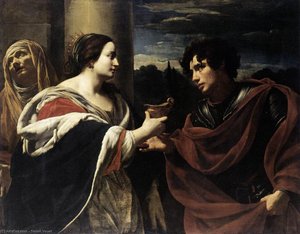
St Jerome and the Angel
 Oil On Canvas
- WallArt
- Baroque Painting
 1622
1622 145.0 x 180.0 cm
 National Gallery of Art
 Les mer
Giclée / Kunsttrykk
Giclée- eller lerretsprint av museumskvalitet med rask produksjon og fleksible valgmuligheter for etterbehandling. ( Bestill håndmalt reproduksjon Gå til digitalt bilde)




P118B Nkr10

P118H Nkr10

P118W Nkr10

P438Z Nkr10

P508JH Nkr12

P508YH Nkr12

P805H Nkr10

P805Z Nkr10

P919BZ Nkr10

P919G Nkr10

P919XJ Nkr10

P959ZH Nkr10

P968JZ Nkr12

W106C Nkr8

W218G Nkr10

W218JH Nkr8

W218Y Nkr10

W307PJ Nkr10

W316G Nkr10

W316PJ Nkr8

W316Y Nkr10

W398PJ Nkr8

W4111J Nkr10

W500HY Nkr15

W500JH Nkr15

W692G Nkr12

W849H Nkr8

W940BG Nkr15

W953PJ Nkr8




Velg mellom våre forhåndsdefinerte størrelser som bevarer kunstverkets opprinnelige proporsjoner.

Skriv inn bredden og høyden du trenger, slik at den passer til din ramme eller vegg. Et trykk kan kun beskjæres, aldri gjøres større enn bildet, så et format med en annen form vil miste en del av motivet. Vi sender deg en digital mockup for godkjenning før vi trykker noe som helst. Bildet som vises på denne siden viser ikke den faktiske beskjæringen — det er kun mockuppen som gjør det.
Verdensomspennende levering () på 2 uker i stedet for standard 4/5 uker. (23 October)

Gratis ekspressfrakt over hele verden

Lerretsduk av høykvalitets lin

Full transportforsikring

Garanti for refusjon av toll og importavgifter

Garantert fargeekthet

100 dagers returrett ved fabrikasjonsfeil

100% pengene tilbake-garanti

Mengderabatt
 Glassalternativet er kun tilgjengelig i størrelser under 110 cm

St Jerome and the Angel
Giclée / Kunsttrykk
Format på reproduksjon
-


Totalpris
Nkr 758
St Jerome and the Angel: A Dialogue of Faith and Light
Simon Vouet’s “St. Jerome and the Angel,” painted in 1622, is more than just a depiction of a biblical scene; it's a carefully constructed meditation on divine guidance, spiritual contemplation, and the interplay between earthly and celestial realms. This masterful work, housed within the National Gallery of Art in Washington D.C., exemplifies the burgeoning Baroque style’s embrace of dramatic lighting, nuanced emotion, and a heightened sense of realism that distinguished it from the preceding Mannerism. The painting immediately draws the viewer into a scene brimming with quiet intensity – a moment of profound communication between the venerable Saint Jerome, known for his dedication to prayer and translation of the Bible, and the radiant angel who appears before him.
Vouet’s technical prowess is evident in every brushstroke. He skillfully employs *chiaroscuro*, a technique borrowed from Caravaggio, to create a dramatic contrast between light and shadow. The angel, bathed in an ethereal glow, stands in sharp relief against the darker, more muted tones of Jerome's robe and the shadowed background. This deliberate use of light isn’t merely aesthetic; it serves to emphasize the angel’s divine presence and the transformative nature of his message. The composition is carefully balanced – Jerome, a figure of venerable age and contemplative posture, occupies the lower portion of the canvas, while the dynamic angel dominates the upper register, creating a visual hierarchy that underscores their roles in the narrative.
A Renaissance Vision with Baroque Flair
Painted during Vouet’s extended sojourn in Rome, “St. Jerome and the Angel” reflects the profound influence of Italian art on French painting at the time. Vouet had immersed himself in the works of masters like Caravaggio, Paolo Veronese, and the Carracci brothers, absorbing their techniques and philosophies. However, he didn’t simply mimic these artists; instead, he synthesized their innovations with his own distinctive style, creating a uniquely French interpretation of the Baroque aesthetic. The painting showcases a move away from the stylized poses and flattened perspectives of Mannerism towards a more naturalistic approach to form and space – a hallmark of the emerging Baroque style.
The historical context is crucial to understanding the work’s significance. The early 17th century was a period of intense religious fervor in Europe, fueled by the Counter-Reformation. Paintings like this one were often commissioned by the Catholic Church as didactic tools – intended to inspire piety and reinforce orthodox doctrine. The scene of St. Jerome receiving divine guidance speaks directly to this purpose, offering a visual representation of faith, humility, and the promise of salvation.
Symbolism and Emotional Resonance
Beyond its religious subject matter, “St. Jerome and the Angel” is rich in symbolic detail. The book held by Jerome represents his life’s work – the translation of the Bible into Latin. The angel's outstretched hand and pointing finger symbolize divine instruction and revelation. The cup at the center of the image may represent the Holy Spirit or a symbol of spiritual nourishment. Notably, the angel is depicted not as a majestic, imposing figure but as a youthful, almost mischievous presence – suggesting that divine guidance can be both challenging and joyful.
The emotional impact of the painting is profound. The quiet intensity of Jerome’s expression, combined with the radiant beauty of the angel, evokes a sense of reverence and wonder. The scene invites viewers to contemplate their own relationship with faith and the possibility of receiving divine guidance in their lives. It's a moment suspended in time – a dialogue between man and God, rendered with exquisite skill and profound sensitivity.
A Legacy of Light and Shadow
Simon Vouet’s “St. Jerome and the Angel” stands as a testament to his artistic genius and his pivotal role in shaping the course of French painting. It exemplifies the transition from Mannerism to Baroque, showcasing the innovative techniques and stylistic choices that defined this transformative period. Today, reproductions of this captivating work continue to inspire artists and collectors alike, offering a glimpse into a world where faith, beauty, and light converge in a timeless tableau.
Spørsmål og svar
Hvor gammel var Simon Vouet da hen laget "St Jerome and the Angel"?
Da "St Jerome and the Angel" ble skapt i 1622, var Simon Vouet – født i 1590 – 32 år gammel.
Hvilken orientering har "St Jerome and the Angel" av Simon Vouet?
Formatet til "St Jerome and the Angel" er Landscape. Dette er nyttig når du planlegger hvor en reproduksjon skal plasseres.
Hvordan møtes kunstretning og epoke i "St Jerome and the Angel" av Simon Vouet?
I "St Jerome and the Angel" av Simon Vouet møtes Baroque Painting-retningen og Tidlig moderne tid-epoken.
Kunstnerbiografi
Simon Vouet: En Bro mellom Italia og Frankrikes Barokk
Simon Vouet, født i Paris i 1590, er en kunstner hvis navn kanskje ikke umiddelbart ringer noen bjeller utenfor kunsthistorikerkretser, men hans innflytelse på utviklingen av fransk maleri er udiskutabel. Han representerer et viktig skifte – overgangen fra manierismen til den mer dynamiske og teatralske barokken. Vouet var ikke bare en dyktig håndverker; han var en kulturell formidler, en brobygger mellom italienske kunstneriske tradisjoner og det franske hoffets økende interesse for nye stiler. Hans tidlige liv ble preget av et kunstnerisk hjemmemiljø – faren Laurent var maler, og også broren Aubin fulgte i farens fotspor. Denne familiære tilhørighet ga ham en solid base å bygge på, men det var hans reiser og studier som virkelig formet ham.
Reise gjennom Europa: Fra England til Det Osmanske Rike og Roma
Vouets unge år var preget av en rastløshet og et ønske om å lære. Allerede som 14-åring ble han sendt til England for å male et portrett, noe som vitner om hans tidlige talent og rykte. En fascinerende episode i hans liv var reisen gjennom Det Osmanske Rike i 1611–12, som en del av Baron de Sancys følge. Denne eksotiske opplevelsen ga ham et unikt perspektiv og utvidet horisonten hans. Men det var tiden han tilbrakte i Italia, spesielt i Roma fra 1614 til 1627, som definerte hans kunstneriske utvikling. Roma på denne tiden var et smeltedigel av kunstnerisk innovasjon, og Vouet kastet seg ut i den pulserende scenen med entusiasme.
I Roma studerte han nøye de store mesterne – Caravaggios dramatiske bruk av lys og skygge, Veroneses elegante fargepaletter og di sotto in su-teknikken (den nedefra-og-opp perspektivet), samt Carraccis klassiske tilnærming. Han absorberte også elementer fra Guercino, Lanfranco og Guido Reni, og syntetiserte disse ulike stilene til en unik visjon som var både italiensk i sin inspirasjon og samtidig tydelig hans egen. Hans valg til president for Accademia di San Luca i 1624 var et bevis på hans anerkjennelse og dyktighet i den italienske kunstverdenen.
Tilbake til Frankrike: Barokkens Ambassadør
I 1627 ble Vouet tilbakekalt til Paris av kong Ludvig XIII, som utnevnte ham til Premier peintre du Roi – en posisjon som ga ham enorm innflytelse og muligheter. Dette markerte et vendepunkt i hans karriere og i fransk kunsthistorie. Han ble oppgaven å introdusere den italienske barokken for det franske hoffet, og han tok denne utfordringen på alvor. Hans stil var preget av en elegant balanse mellom dramatikk og klassisk ro – ikke like voldsom som Caravaggios mørke intensitet, men heller en mer raffinert og tilgjengelig form for barokk.
Vouet etablerte en stor og aktiv atelier, hvor han veiledet en rekke talentfulle elever, blant annet Charles Le Brun, Valentin de Boulogne, Pierre Mignard og Eustache Le Sueur. Disse elevene spredte hans stil og teknikker over hele Frankrike, og bidro til å skape en distinkt fransk barokkskole. Han mottok mange prestisjetunge oppdrag, inkludert dekorative prosjekter for kongelige palasser og private herskapshus. Hans evne til å kombinere religiøse temaer med allegoriske motiver, og hans dyktighet i portrettmaleri, gjorde ham svært etterspurt.
Et Varig Arv
Simon Vouets betydning ligger ikke bare i hans egne verk, men også i den varige innflytelsen han hadde på fransk malerkunst. Han var en nøkkelfigur i overgangen fra manierismen til barokken, og han bidro til å forme den visuelle identiteten til det franske hoffet og aristokratiet. Hans evne til å absorbere og transformere italienske stiler, kombinert med hans talent for å skape et harmonisk og elegant uttrykk, sikret ham en sentral plass i kunsthistorien. Selv om han kanskje ikke er like kjent som noen av sine samtidige, er Simon Vouet en viktig figur å huske når man utforsker utviklingen av europeisk maleri på 1600-tallet – en bro mellom to kulturer og to kunstneriske epoker.

Simon Vouet
1590 - 1649 , Frankrike
Kort om kunstneren
- Artistic Movement Or Style: Barokkmaleri
- Artists Or Movements Influenced By This Artist:
- Charles Le Brun
- Valentin de Boulogne
- Fransk barokkmaleri
- Artists Who Influenced This Artist:
- Caravaggio
- Paolo Veronese
- Carracci
- Guercino
- Lanfranco
- Guido Reni
- Date Of Birth: 9. januar 1590
- Date Of Death: 30. juni 1649
- Full Name: Simon Vouet
- Nationality: Fransk
- Notable Artworks:
- Rikdommer
- Tidens seier
- St. Bruno
- Cupid og Psyke
- Place Of Birth: Paris, Frankrike
Relaterte artikler

Celestial Messengers: A Comprehensive Exploration of Angelic Representation in Art History
Explore the captivating history of angels in art! Discover symbolism, iconic Renaissance masterpieces & renowned artists. Expert insights for art lovers & collectors at OriginalUniqueArt.
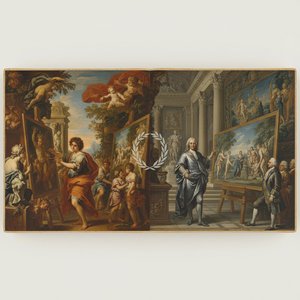
Simon Vouet: A Baroque Master's Journey from Italian Influence to French Classicism
Explore the life & art of Simon Vouet, a pivotal French Baroque painter who introduced Italian styles to France. Discover his masterpieces and lasting influence on 17th-century art.

Barokkens drama: Å bringe prakt og følelser inn i moderne interiører
Oppdag barokkens praktfulle drama! Lær om stilens historie, kjennetegn og hvordan du kan integrere den i ditt hjem med s eksklusive kunstutvalg.
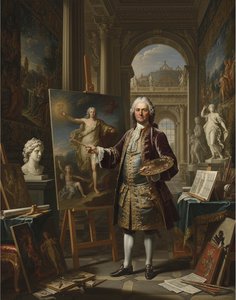
Charles Le Brun: Master of French Baroque Classicism & His Enduring Legacy
Explore the life & art of Charles Le Brun, master of French Baroque Classicism. Discover his royal commissions, influence on Versailles, and enduring legacy through detailed analysis & stunning artworks.

Celestial Messengers: Angels in Painting – A Historical & Artistic Exploration
Explore the captivating history of angels in painting! Discover symbolism, iconic Renaissance & Byzantine masterpieces, and renowned artists. Expert insights for art lovers & collectors at OriginalUniqueArt.