

 Se i rommet
 Del som digitalt kort
 Del
Del
 Detaljer
 Studentguide

 Last ned
 Liknende objekter
 Røntgen
 Lysbildefremvisning
 Besøksstatistikk
Grass and Insects


 Les mer
Giclée / Kunsttrykk
Giclée- eller lerretsprint av museumskvalitet med rask produksjon og fleksible valgmuligheter for etterbehandling. ( Bestill håndmalt reproduksjon Gå til digitalt bilde)




P118B Nkr10

P118H Nkr10

P118W Nkr10

P438Z Nkr10

P508JH Nkr12

P508YH Nkr12

P805H Nkr10

P805Z Nkr10

P919BZ Nkr10

P919G Nkr10

P919XJ Nkr10

P959ZH Nkr10

P968JZ Nkr12

W106C Nkr8

W218G Nkr10

W218JH Nkr8

W218Y Nkr10

W307PJ Nkr10

W316G Nkr10

W316PJ Nkr8

W316Y Nkr10

W398PJ Nkr8

W4111J Nkr10

W500HY Nkr15

W500JH Nkr15

W692G Nkr12

W849H Nkr8

W940BG Nkr15

W953PJ Nkr8




Velg mellom våre forhåndsdefinerte størrelser som bevarer kunstverkets opprinnelige proporsjoner.

Skriv inn bredden og høyden du trenger, slik at den passer til din ramme eller vegg. Et trykk kan kun beskjæres, aldri gjøres større enn bildet, så et format med en annen form vil miste en del av motivet. Vi sender deg en digital mockup for godkjenning før vi trykker noe som helst. Bildet som vises på denne siden viser ikke den faktiske beskjæringen — det er kun mockuppen som gjør det.
Verdensomspennende levering () på 2 uker i stedet for standard 4/5 uker. (25 October)

Gratis ekspressfrakt over hele verden

Lerretsduk av høykvalitets lin

Full transportforsikring

Garanti for refusjon av toll og importavgifter

Garantert fargeekthet

100 dagers returrett ved fabrikasjonsfeil

100% pengene tilbake-garanti

Mengderabatt
 Glassalternativet er kun tilgjengelig i størrelser under 110 cm

Grass and Insects
Giclée / Kunsttrykk
Format på reproduksjon
-


Totalpris
Nkr 760
Sin Saimdang's "Grass and Insects": A Window into Joseon Dynasty Korea
“Grass and Insects,” painted in 1500 by the remarkable Sin Saimdang, offers a captivating glimpse into the artistic sensibilities of the Joseon dynasty. This exquisite piece, part of a ten-panel folding screen, transcends mere botanical illustration; it’s a vibrant testament to a woman's creative genius within a rigidly structured society. Born in Gangneung in 1504, Saimdang was far more than just a painter – she was a poet, calligrapher, and writer, deeply connected to her family’s legacy at Ojukheon, a site still preserved as a cultural treasure today. The painting's meticulous detail and luminous colors speak volumes about the artistic traditions of the time, reflecting a profound appreciation for nature’s beauty and a mastery of brushwork that would influence generations of Korean artists.
A Symphony of Natural Detail
The scene depicted is a meticulously rendered garden teeming with life. Saimdang's skill lies in her ability to capture the essence of each element – from the plump watermelons and vibrant eggplants to the delicate poppies, hibiscus, and intricate patterns of cockscomb feathers and princess flowers. A remarkable array of insects populate the composition: long-headed grasshoppers, frogs, lizards, dragonflies, dung beetles, mantises, and cicadas, each rendered with astonishing precision. The inclusion of bees flitting around a purple flower highlights the artist's keen observation of the natural world and her ability to translate it onto silk. This isn’t simply a representation; it’s an immersive experience of a Korean garden at its most vibrant.
Technique and Symbolism
The painting is executed with characteristic fine brushstrokes, a hallmark of Saimdang's style, and employs vivid colors achieved through mineral pigments – a testament to the sophisticated techniques employed during the Joseon period. The tenth panel adds another layer of meaning, featuring a critique by O Sechang, a prominent art critic of the time. This suggests that Saimdang’s work was not only admired for its aesthetic qualities but also subjected to rigorous artistic evaluation, reflecting the importance placed on scholarly discourse within Korean art circles. The selection of specific plants and insects likely held symbolic significance, though interpretations vary; watermelons often represented prosperity, while certain flowers were associated with particular virtues or seasons.
Historical Context and Legacy
Created in 1500, “Grass and Insects” provides a valuable window into the artistic landscape of the Joseon dynasty. Saimdang’s work stands as a remarkable achievement for a woman operating within a patriarchal society where artistic pursuits were often considered secondary to domestic duties. Her influence extended beyond her own creations; she mentored younger artists and contributed significantly to the development of Korean painting techniques. Today, reproductions of this stunning artwork offer an opportunity to appreciate not only Saimdang’s exceptional talent but also the rich cultural heritage of Korea – a legacy that continues to inspire awe and admiration.
Spørsmål og svar
Hva er den dominerende fargen i "Grass and Insects" av Shin Saimdang?
Driftwood (#c99865) er den dominerende fargen i "Grass and Insects" av Shin Saimdang.
Hvordan kan jeg få kjøpt et trykk av "Grass and Insects" av Shin Saimdang?
Et trykk av "Grass and Insects" av Shin Saimdang kan bestilles direkte på siden for Kunsttrykk i høy kvalitet: et kunsttrykk på bomullslerret eller arkivbestandig lerretspapir.
Hvor plasserer "Grass and Insects" seg blant Shin Saimdang sine gjentakende motiver?
Blant Shin Saimdang sine dokumenterte temaer – an gyeon influence, korean court culture, female artistic legacy, ten-panel screen format, o sechang critique – retter "Grass and Insects" sitt eget fokus mot korean painting, shin saimdang, folding screen, plants & insects, joseon dynasty, calligraphy critique, garden scene.
Kunstnerbiografi
en banebrytende kvinnelig kunstner i Joseon-dynastiets Korea
shin saimdang, en mangefasettert kunstner fra Sør-Korea, levde under Joseon-perioden og etterlot seg et uutslettelig spor i koreansk kunsthistorie. Hun ble født 29. oktober 1504 i Gangneung, Gangwon-provinsen, og var ikke bare en maler, men også en forfatter, kalligraf og poet.tidlig liv og kunstneriske begynnelse
Shin Saimdangs kunstneriske talenter kom til syvende og sist til syne fra tidlig alder. Allerede som syvåring etterlignet hun malestilen til an gyeon, en annen fremtredende koreansk kunstner. Hennes fødehjem, Ojukheon, som også er hennes mors slekts hjem, er vakkert bevart den dag i dag.kunstneriske bidrag og stil
Shin Saimdangs malerier, preget av fine penselstrøk og levende farger, utgjør en del av en ti-panels brettevegg. Hennes verk, slik som gress og insekter, fremviser et mangfold av motiver inkludert vannmeloner, eggplant, valmuer, hibiskus og ulike insekter. Disse maleriene kan finnes i nasjonalmuseet i Korea (Seoul, Sør-Korea), hvor de fortsetter å inspirere kunstentusiaster.- se shin saimdangs kunstverk på OriginalUniqueArt: https://OriginalUniqueArt.com/@/shin-saimdang
- utforsk samlingen til Nasjonalmuseet i Korea: /en/art/show/national-museum-of-korea-seoul/
- oppdag mer om kunstbevegelsen i Joseon-dynastiet: kunstbevegelsen i Joseon-dynastiet
arv og betydning
Shin Saimdangs ettermæle strekker seg langt utover hennes egne kunstverk, da hun også er kjent for å være moren til yi i, en berømt lærd og politiker fra Joseon-dynastiet. Hennes liv og virke fungerer som en inspirasjon for mange, og legemliggjør selve essensen av koreansk kunst under Joseon-perioden. viktige kunstverk av shin saimdang:- gress og insekter (nasjonalmuseet i Korea, Seoul, Sør-Korea)
- andre bemerkelsesverdige verk preget av fine penselstrøk og klare, levende farger, som en del av en ti-panels brettevegg.
- an gyeon, en annen fremtredende koreansk maler fra den tidlige Joseon-perioden.

Shin Saimdang
1504 - 1551 , Sør-Korea
Kort om kunstneren
- Artistic Movement Or Style: Joseon-dynastiets kunst
- Artists Or Movements Influenced By This Artist: Joseon-dynastiets kunst
- Artists Who Influenced This Artist: An Gyeon
- Date Of Birth: 29. oktober 1504
- Date Of Death: 1551
- Full Name: Shin Saimdang
- Nationality: Koreansk
- Notable Artworks: ['Gress og insekter']
- Place Of Birth: Gangneung, Sør-Korea
Relaterte artikler
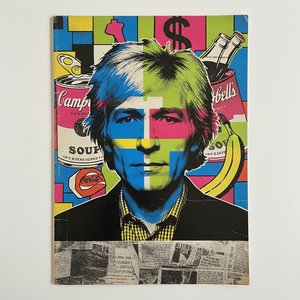
Andy Warhol: Deconstructing Pop Culture & Redefining Artistic Expression
Explore the revolutionary art of Andy Warhol & the Pop Art movement. Discover his iconic techniques, cultural impact, and investment potential. A guide for discerning collectors.
Dots & Screens: The Industrial Secrets Behind 1960s Pop Art Masterpieces
Explore the industrial secrets of 1960s Pop Art. Discover how Ben-Day dots and silk screening transformed mass media into masterpieces by Roy Lichtenstein. An in-depth look at the intersection of mechanical printing and fine art history for students and collectors.

Beyond the Screen: Transforming Personal Memories into Timeless AI-Driven Anime Masterpieces
Experience the magic of digital metamorphosis. Transform your cherished photos into stunning, hand-painted anime masterpieces using our proprietary AI technology and professional artists. Elevate your personal story with a timeless, high-quality oil painting on canvas.
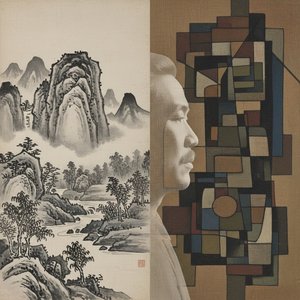
Yi Eungro: Bridging East & West in the Landscape of Korean Modernism
Explore the captivating world of Yi Eungro (Lee Ungno), a pivotal figure in Korean modernism. Discover his unique fusion of Eastern and Western artistic traditions, abstract masterpieces, and lasting legacy. A must-read for discerning art collectors.
Pop Art Unveiled: The Industrial Secrets of Silk Screens and Ben-Day Dots
Explore the industrial artistry of Pop Art. Delve into the sophisticated history of Ben-Day dots and silk screen techniques that transformed mass media into high art, perfect for discerning collectors seeking deep historical insight and aesthetic excellence.