

 Se i rommet
 Del som digitalt kort
 Del
Del
 Detaljer
 Studentguide

 Last ned
 Liknende objekter
 Røntgen
 Lysbildefremvisning
 Besøksstatistikk
Ceres and Phytalus


 Les mer
Giclée / Kunsttrykk
Giclée- eller lerretsprint av museumskvalitet med rask produksjon og fleksible valgmuligheter for etterbehandling. ( Bestill håndmalt reproduksjon Gå til digitalt bilde)




P118B Nkr10

P118H Nkr10

P118W Nkr10

P438Z Nkr10

P508JH Nkr12

P508YH Nkr12

P805H Nkr10

P805Z Nkr10

P919BZ Nkr10

P919G Nkr10

P919XJ Nkr10

P959ZH Nkr10

P968JZ Nkr12

W106C Nkr8

W218G Nkr10

W218JH Nkr8

W218Y Nkr10

W307PJ Nkr10

W316G Nkr10

W316PJ Nkr8

W316Y Nkr10

W398PJ Nkr8

W4111J Nkr10

W500HY Nkr15

W500JH Nkr15

W692G Nkr12

W849H Nkr8

W940BG Nkr15

W953PJ Nkr8




Velg mellom våre forhåndsdefinerte størrelser som bevarer kunstverkets opprinnelige proporsjoner.

Du kan oppgi egne mål for å tilpasse en spesifikk ramme eller et bestemt område. Dersom den valgte størrelsen ikke samsvarer med det originale bildets proporsjoner, vil vi enten beskjære kunstverket eller utvide bildet med en speilet eller ensfarget kant. En digital mockup vil bli sendt til din godkjenning før produksjonen starter.
Vennligst merk at forhåndsvisningen på skjermen ikke gjenspeiler den faktiske beskjæringen eller utvidelsen. Kun mockuppen vil vise den endelige komposisjonen nøyaktig.
Selv om tilpassede størrelser er tilgjengelige, anbefaler vi å velge et mål fra den forhåndsdefinerte listen for å bevare de originale proporsjonene.
Verdensomspennende levering () på 2 uker i stedet for standard 4/5 uker. (13 October)

Gratis ekspressfrakt over hele verden

Lerretsduk av høykvalitets lin

Full transportforsikring

Garanti for refusjon av toll og importavgifter

Garantert fargeekthet

100 dagers returrett ved fabrikasjonsfeil

100% pengene tilbake-garanti

Mengderabatt
 Glassalternativet er kun tilgjengelig i størrelser under 110 cm

Ceres and Phytalus
Giclée / Kunsttrykk
Format på reproduksjon
-


Totalpris
Nkr 744
A Mythological Encounter in Shadow and Line
In the evocative depths of Salvator Rosa’s 1662 masterpiece, Ceres and Phytalus, we are transported into a realm where the boundaries between the divine and the mortal dissolve. This exquisite etching captures a pivotal moment of mythological encounter, rendered through the masterful use of monochromatic linework. The scene centers upon Ceres, the Roman goddess of agriculture and fertility, and the mortal Phytalus, whose kneeling posture radiates a profound sense of reverence and supplication. Through the delicate interplay of light and shadow, Rosa invites the viewer into a dense, primordial forest where every etched line breathes life into the surrounding foliage. The composition is not merely a depiction of a story, but an immersive experience of texture and atmosphere, where the organic curves of the human forms emerge from a rugged, untamed landscape.
The technical brilliance of this work lies in Rosa’s command over the medium of printmaking. Utilizing the intricate techniques of hatching and cross-hatching, the artist achieves a remarkable range of tonal variations that simulate depth and dimension without the need for color. These dense networks of lines create areas of profound darkness within the thickets, contrasting sharply with the lighter, more delicate strokes that define the figures' skin and the soft highlights on the leaves. This method lends the piece a tactile quality; one can almost feel the rough bark of the ancient trees and the dampness of the forest floor. The lack of a singular, piercing light source creates a diffused, ethereal glow, contributing to the dreamlike, somewhat ambiguous perspective that characterizes the Baroque fascination with the mysterious and the sublime.
The Baroque Spirit and Symbolic Resonance
As a prominent figure of the Italian Baroque, Salvator Rosa was renowned for his refusal to conform to the rigid classical standards of his era. In Ceres and Phytalus, we see his signature blend of naturalism and dramatic tension. The subject matter—a goddess descending to interact with humanity—carries heavy symbolic weight, touching upon themes of abundance, the cycle of life, and the sacred connection between the earth and its inhabitants. For the discerning collector or interior designer, this piece offers more than just visual beauty; it provides a window into the philosophical inquiries of the 17th century. The tension held in Phytalus’s bowed head and the commanding yet nurturing presence of Ceres creates an emotional resonance that lingers long after the first glance.
Integrating a high-quality reproduction of such a work into a contemporary space allows for a sophisticated dialogue between historical depth and modern elegance. Whether placed in a study filled with leather-bound books or as a focal point in a minimalist gallery-style living room, the monochromatic intensity of Rosa’s vision commands attention. It serves as an intellectual anchor, sparking conversation about mythology, the artistry of the etching needle, and the enduring power of the Baroque aesthetic. To possess such a work is to hold a fragment of history, capturing the very essence of a period defined by its passion, its shadows, and its profound reverence for the natural world.
Spørsmål og svar
Kan jeg undersøke "Ceres and Phytalus" mer detaljert?
Røntgen-siden til "Ceres and Phytalus" av Salvator Rosa er en interaktiv visning som lar deg bla gjennom elleve optiske lag av kunstverkets bilde, inkludert en visning i røntgenstil.
Oppbevares "Ceres and Phytalus" av Salvator Rosa i kunstnerens hjemland?
Nei – kunstverket oppbevares i utlandet. Salvator Rosa ble født i Italia, og originalen av "Ceres and Phytalus" oppbevares i et museum i USA.
Når ble "Ceres and Phytalus" skapt, og hvilken kunstretning tilhører den?
"Ceres and Phytalus" ble laget i 1662, innenfor Baroque-retningen.
Hva foreslås brukt til "Ceres and Phytalus" av Salvator Rosa?
Anbefalt bruk for "Ceres and Phytalus" av Salvator Rosa er Accent. Den kan også brukes til andre formål.
Hvilke farger dominerer "Ceres and Phytalus" av Salvator Rosa?
"Ceres and Phytalus" av Salvator Rosa bruker en Monochrome-palett, med Putty (#c7c7c3) som den dominerende fargen.
Er det mulig å laste ned "Ceres and Phytalus"?
"Ceres and Phytalus" av Salvator Rosa kan lastes ned fra verkets Last ned-side, som nedlasting av et digitalt bilde i høy oppløsning.
Hvilket kontrastnivå viser "Ceres and Phytalus" av Salvator Rosa?
"Ceres and Phytalus" av Salvator Rosa viser en Serene kontrast mellom de lyse og mørke partiene.
Er "Ceres and Phytalus" av Salvator Rosa i det frie domene?
Når det gjelder opphavsrett, er "Ceres and Phytalus" i det frie domene – opphavsretten har utløpt.
Kunstnerbiografi
Tidlig liv og opplæring
Salvator Rosa, en italiensk barokkmaler, poet og trykkemakker, ble født i Arenella, Napoli, enten 20. juni eller 21. juli 1615. Hans mor, Giulia Greca Rosa, tilhørte en av de greske familiene på Sicilia. Til tross for farens ønske om at han skulle bli advokat eller prest, viste Salvator en forkjærlighet for kunsten fra tidlig alder.Kunstnerisk karriere
Salvator Rosas kunstneriske karriere var preget av hans uortodokse og ekstravagante stil, noe som skilte ham fra hans samtidige. Han var aktiv i Napoli, Roma og Firenze, og hans arbeid var påvirket av Riberas naturalisme og Poussins klassisisme. Likevel nektet han å la seg bilde til noen bestemt stil eller retning.- Pythagoras fremmanet fra underverdenen (Kimbell Art Museum, Fort Worth, USA), et av hans mest berømte verk, viser hans unike blanding av filosofiske og kunstneriske temaer.
- Hans Dåpen av eunukken (Chrysler Museum of Art, Norfolk, USA) demonstrerer hans evne til å tilføre høydramatisk nerve selv i mindre bibelske fortellinger.
Innflytelse og ettermæle
Salvator Rosas arbeid hadde en betydelig innvirkning på utviklingen av barokk kunst. Hans innflytelse kan ses i verkene til senere kunstnere, som Luca Giordano, som fortsatte å tøye grensene for kunstnerisk uttrykk. Viktige lenker: Salvator Rosas profil på OriginalUniqueArt Wikipedia: Salvator Rosa Pythagoras fremmanet fra underverdenen på OriginalUniqueArtKonklusjon
Salvator Rosa sitt liv og virke fortsetter å fascinere både kunstelskere og historikere. Hans uortodokse stil og evige opprør mot sin tids normer har sikret hans plass i barokkkunstens annaler. Som maler, poet og trykkemakker forblir han en gåtefull skikkelse, og hans verk fortsetter å inspirere nye generasjoner av kunstnere og kunstentusiaster.
Salvator Rosa
1615 - 1673 , Italia
Kort om kunstneren
- Artistic Movement Or Style: Barokk
- Artists Or Movements Influenced By This Artist: ['Luca Giordano']
- Artists Who Influenced This Artist: ['José de Ribera']
- Date Of Birth: Juni 20 eller juli 21, 1615
- Date Of Death: Mars 15, 1673
- Full Name: Salvator Rosa
- Nationality: Italian
- Notable Artworks:
- Syn av Golfen Salerno
- Studie for 'Il Genio di Rosa
- Place Of Birth: Arenella, Sicilia
Relaterte artikler
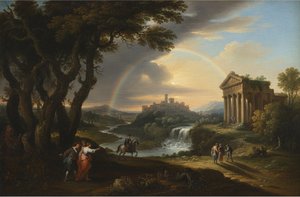
Shadow, Light, and Spectacle: The Dramatic Evolution of Baroque Landscape Painting
Explore the breathtaking drama of Baroque landscapes. Our expert guide delves into the interplay of light and shadow in 17th-century masterpieces. Discover art history and find museum-quality, hand-painted oil reproductions to bring classical grandeur to your home.

Drama in Nature: The Captivating Grandeur of Baroque Landscapes and the Art of Emotional Spectacle
Explore the breathtaking drama of Baroque landscapes. From Rubens's grand vistas to the mastery of chiaroscuro, discover how 17th-century artists transformed nature into a theatrical stage of emotion and light. A deep dive for true art enthusiasts.
Etsernes Mesterverk: 10 Verk Som Forandret Kunsthistorien – OriginalUniqueArt.no
Utforsk 10 legendariske etser av Rembrandt, Goya og Dürer som revolusjonerte kunsthistorien! Oppdag historiene bak mesterverkene og finn inspirasjon til din interiørdesign hos OriginalUniqueArt.no – museumskvalitet reproduksjoner.

Baroque Classicism: The Grandeur of Order and Drama in 17th-Century Art History
Explore the profound elegance of Baroque Classicism. Discover how 17th-century masters synthesized dramatic emotion with classical order through the lens of the Counter-Reformation and the works of legends like Carlo Maratta and Andrea Sacchi.

Salvator Rosa: A Baroque Rebel's Vision of Landscape, Allegory & the Human Condition
Explore the captivating world of Salvator Rosa, a rebellious Baroque master. Discover his dramatic landscapes, allegorical paintings & lasting influence on Romanticism. Hand-painted reproductions available at OriginalUniqueArt.


