

 Se i rommet
 Del som digitalt kort
 Del
Del
 Detaljer
 Studentguide

 Last ned
 Liknende objekter
 Røntgen
 Lysbildefremvisning
 Besøksstatistikk
Chasse au daim


 Les mer
Håndlaget oljereproduksjon
Håndmalt olje på lerret i din valgte størrelse og ramme, laget på bestilling av våre kunstnere. ( Bytt til trykkversjon Gå til digitalt bilde)




































Velg mellom våre forhåndsdefinerte størrelser som bevarer kunstverkets opprinnelige proporsjoner.

Du kan angi egne mål for å tilpasse en spesifikk ramme eller plass. Dersom den valgte størrelsen ikke samsvarer med originalbildets proporsjoner, vil vi enten beskjære kunstverket eller utvide maleriet med ytterligere håndmalte elementer. En digital mockup vil bli sendt til din godkjenning før produksjonen starter.
Vennligst merk at forhåndsvisningen på skjermen ikke gjenspeiler den faktiske beskjæringen eller utvidelsen. Kun mockuppen vil vise den endelige komposisjonen nøyaktig.
Selv om tilpassede størrelser er tilgjengelige, anbefaler vi å velge et mål fra den forhåndsdefinerte listen for å bevare de originale proporsjonene.
Etter bestilling vil OriginalUniqueArt.com-teamet sende e-post til kunden for instruksjoner og sende et utkast (mockup) som forhåndsvisning.
Verdensomspennende levering () på 3–4 uker i stedet for standard 5 uker. (26 September). Ingen kompromisser med kvaliteten.

Gratis ekspressfrakt over hele verden

Lerretsduk av høykvalitets lin

Full transportforsikring

Garanti for refusjon av toll og importavgifter

Garantert fargeekthet

100 dagers returrett ved fabrikasjonsfeil

100% pengene tilbake-garanti

Mengderabatt
 Glassalternativet er kun tilgjengelig i størrelser under 110 cm

Chasse au daim
Reproduksjonsmetode
Format på reproduksjon
-


Totalpris
$ 300
Kunstnerbiografi
A Master of Flemish Still Life: The World of Geerard Rysbrack
Geerard Rysbrack, a name perhaps less immediately recognizable than some of his Dutch and Flemish contemporaries, nevertheless occupies a significant place in the pantheon of 18th-century still life painters. Born in Antwerp (though precise dates remain elusive), Rysbrack flourished during a period when meticulous observation of nature, coupled with an increasingly sophisticated understanding of light and texture, defined artistic excellence. While biographical details are scarce – a common fate for artists working within established genres – the surviving corpus of his work speaks volumes about his skill, dedication, and the refined tastes of his clientele. Rysbrack’s paintings weren't merely depictions of dead game or lush landscapes; they were carefully constructed statements about wealth, status, and humanity’s relationship with the natural world. He was a product of the Baroque tradition, yet his style subtly anticipates the more delicate sensibilities of the Rococo era.Early Influences and Artistic Development
Rysbrack's artistic journey began in a city steeped in painting traditions. Antwerp, a major center for art production throughout the 17th and 18th centuries, provided fertile ground for aspiring artists. He likely received his initial training within a local workshop, absorbing the techniques of established masters specializing in still life and animalier paintings. The influence of painters like Frans Snyders, renowned for his dynamic market scenes teeming with game and provisions, is readily apparent in Rysbrack’s early works. However, Rysbrack quickly moved beyond mere imitation. He demonstrated a particular aptitude for rendering the subtle nuances of plumage, fur, and feather – qualities that would become hallmarks of his mature style. His landscapes, though less numerous than his still lifes, reveal an appreciation for the atmospheric effects pioneered by artists like Jacob van Ruisdael, suggesting a broader engagement with the wider Dutch painting tradition. He wasn’t simply copying nature; he was interpreting it through a lens of refined observation and technical mastery.The Art of Detail: Still Lifes of Game, Fruit & Flowers
Rysbrack's most celebrated works are undoubtedly his still lifes featuring game birds, rabbits, fruit, and occasionally flowers. These paintings are characterized by an extraordinary level of detail – each feather meticulously rendered, each piece of fruit glistening with moisture, each fold of fur conveying a sense of tactile realism. He possessed an uncanny ability to capture the textures and colors of his subjects, creating compositions that were both visually stunning and remarkably lifelike. Beyond technical skill, Rysbrack’s still lifes are imbued with symbolic meaning. Game birds often represented abundance and prosperity, while fruit alluded to themes of temptation and mortality. The careful arrangement of objects within the composition wasn't arbitrary; it was a deliberate attempt to convey specific messages about wealth, status, and the fleeting nature of earthly pleasures. His compositions frequently feature rich, dark backgrounds that serve to accentuate the vibrancy of the foreground elements, drawing the viewer’s eye directly to the meticulously rendered details of his subjects.Landscapes & Broader Artistic Scope
While primarily known for his still lifes, Rysbrack also produced a number of landscapes, often incorporating animals into the scenes. These works demonstrate his versatility as an artist and reveal a keen eye for atmospheric effects.- His landscapes typically feature wooded areas, rolling hills, and tranquil waterways.
- Animals, such as deer or rabbits, are often depicted in naturalistic poses, adding a sense of life and movement to the compositions.
- The color palettes employed in his landscapes tend to be muted and harmonious, creating a sense of serenity and tranquility.
Legacy & Historical Significance
Geerard Rysbrack’s work represents a high point in Flemish Baroque still life painting. While he didn't achieve the widespread fame of some of his contemporaries, his paintings were highly sought after by collectors during his lifetime and continue to be admired today for their technical brilliance and refined aesthetic sensibility. His meticulous attention to detail, coupled with his subtle use of symbolism, set him apart from other artists working in the genre. Rysbrack’s legacy lies not only in the beauty and artistry of his individual paintings but also in his contribution to the broader tradition of still life painting – a tradition that continues to inspire artists and captivate audiences centuries later. His works offer a glimpse into the world of 18th-century Flanders, revealing the tastes, values, and artistic sensibilities of a bygone era. He stands as a testament to the enduring power of observation, skill, and the pursuit of beauty in art.
Relaterte artikler

The Enduring Power of Painting: A Historical & Contemporary Exploration of Form and Emotion
Explore the rich history & enduring techniques of oil painting with OriginalUniqueArt. Discover masterpieces, learn about art collecting, and find authentic handmade reproductions crafted by skilled artists.
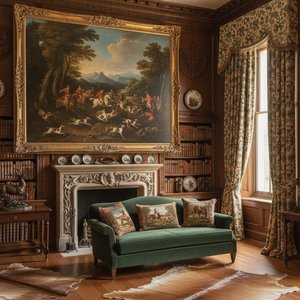
Capturing the Chase: Infusing Interiors with the Dramatic Grandeur of Historical Hunting Scene Artworks
Transform your space with the dramatic grandeur of hunting scene art. OriginalUniqueArt.com offers exquisite, hand-painted oil reproductions of Baroque landscapes and custom historical portraits. Discover museum-quality craftsmanship and bespoke artistry to bring timeless prestige to your home.

The Dramatic Flourish: Exploring the Baroque Movement's Enduring Legacy in Art History
Explore the dramatic world of Baroque art! Discover iconic artists like Caravaggio & Rubens, defining techniques, and its lasting impact on art history. Expert insights for collectors & enthusiasts at OriginalUniqueArt.

Barokkens drama: Å bringe prakt og følelser inn i moderne interiører
Oppdag barokkens praktfulle drama! Lær om stilens historie, kjennetegn og hvordan du kan integrere den i ditt hjem med s eksklusive kunstutvalg.

Barokkens Mesterverk: Topp 10 Kunstverk som Definerte en Epoke | OriginalUniqueArt.no
Opplev barokkens prakt! Utforsk Rembrandts, Caravaggios og Rubenses mest ikoniske verk. Lær om historien bak disse mesterverkene og finn inspirasjon til din interiørdekor på OriginalUniqueArt.com. Museums kvalitet kunsttrykk.