

 Forhåndsvisning
 Send
Send Del
Del
 Vis detaljer
 Utskriftsvennlig guide

 Last ned bilde
 Liknende objekter
 Røntgenundersøkelse
 Lysbildefremvisning
 Q&A
Q&A Statistikk
Who comes?
 Oil
Oil- WallArt
 1908
1908- 19th Century
 542.0 x 810.0 cm
 National Gallery of Australia
 Vis hele teksten
Giclée / Kunsttrykk
Giclée- eller lerretsprint av museumskvalitet med rask produksjon og fleksible valgmuligheter for etterbehandling. ( Kjøp håndmalt maleri Bytt til digitalt bilde)




P118B Nkr10

P118H Nkr10

P118W Nkr10

P438Z Nkr10

P508JH Nkr12

P508YH Nkr12

P805H Nkr10

P805Z Nkr10

P919BZ Nkr10

P919G Nkr10

P919XJ Nkr10

P959ZH Nkr10

P968JZ Nkr12

W106C Nkr8

W218G Nkr10

W218JH Nkr8

W218Y Nkr10

W307PJ Nkr10

W316G Nkr10

W316PJ Nkr8

W316Y Nkr10

W398PJ Nkr8

W4111J Nkr10

W500HY Nkr15

W500JH Nkr15

W692G Nkr12

W849H Nkr8

W940BG Nkr15

W953PJ Nkr8




Velg mellom våre forhåndsdefinerte størrelser som bevarer kunstverkets opprinnelige proporsjoner.

Skriv inn ønsket bredde og høyde for å tilpasse trykket til din ramme eller vegg. Et trykk kan kun beskjæres, aldri skaleres opp utover motivets opprinnelige størrelse, noe som betyr at et format med andre proporsjoner vil føre til tap av deler av bildet. Vi sender deg en digital mockup for godkjenning før vi starter trykkeprosessen. Bildet som vises på denne siden viser ikke den faktiske beskjæringen — det er kun mockuppen som viser dette.
Verdensomspennende levering () på 2 uker i stedet for standard 4/5 uker. (30 October)

Gratis ekspressfrakt over hele verden

Lerretsduk av lin av høy kvalitet

Full transportforsikring

Garanti for refusjon av toll og importavgifter

Garantert fargegjengivelse

100 dagers returrett ved fabrikasjonsfeil

100% pengene tilbake-garanti

Rabatt ved flere kjøp
 Glassalternativet er kun tilgjengelig i størrelser under 110 cm

Who comes?
Giclée / Kunsttrykk
Størrelse på reproduksjon
-


Totalpris for valgte alternativer
Nkr 769
Spørsmål og svar
Er Rupert Charles Wulsten Bunny, skaperen av "Who comes?", kjent under andre navn?
Andre navn registrert for Rupert Charles Wulsten Bunny, skaperen av "Who comes?", inkluderer Bunny.
Hvor kan jeg se en forhåndsvisning av "Who comes?"?
På Se kunstverket i et rom-siden for "Who comes?" kan du forhåndsvise kunstverket før du bestiller.
Kan "Who comes?" forhåndsvises i utvidet virkelighet (AR)?
"Who comes?" av Rupert Charles Wulsten Bunny kan forhåndsvises på din egen vegg via kunstverkets Se i AR-side ved bruk av utvidet virkelighet (AR) på en kompatibel enhet.
Om kunstneren
tidlig liv og utdanning
rupert charles wulsten bunny, en australsk maler, ble født i st kilda, victoria, i 1864. han mottok en tradisjonell og akademisk utdannelse innen kunsten under calderon og laurens. dette fundamentet skulle senere tjene ham vel i hans vellykkede karriere som eksilkunstner i fin-de-siècle Paris.prestasjoner og utmerkelser
Bunnys kunstneriske ferdigheter ble anerkjent tidlig, med en æreward omtale ved paris-salongen i 1890 for sitt maleri tritons. Han festet ytterligere sitt rykte ved å vinne en bronsemedalje under verdensutstillingen i Paris i 1900 for begravelsen av st. katarina av alexandria. Den franske staten ervervet 13 av hans verk, inkludert de som nå er innkvartert i musée du luxembourg og regionale samlinger.kunstnerisk stil og temaer
Bunny var en «praktfull kolorist og en strålende lærd maler av ideelle temaer», slik kunstkritikere har beskrevet ham. Hans arbeid fremstilte ofte grupper av kvinnelige figurer som slappet av, drømte eller kledde på seg/kledde av seg ved vidstrakte vannflater, noe som viste hans unike blanding av symbolisme og estetisisme.- bemerkelsesverdige verk:
- endormies (national gallery of victoria, melbourne, australia)
- sea idyll (national gallery of victoria, melbourne, australia)
- pastoral (national gallery of australia, canberra, australia)
ettermæle og digital tilstedeværelse
I dag kan Bunnys verk finnes i ulike museer og på digitale plattformer. For de som er interessert i å utforske mer av hans kunst, tilbyr [https://OriginalUniqueArt.com/@/rupert-charles-wulsten-bunny](https://OriginalUniqueArt.com/@/rupert-charles-wulsten-bunny) en omfattende samling av hans malerier, inkludert endormies, sea idyll og pastoral. Disse verkene er også tilgjengelige for kjøp som reproduksjoner av museumskvalitet gjennom /en/art/show/art-8xyffg-en/konklusjon
Rupert Charles Wulsten Bunny, en australsk maler fra St Kilda, Victoria, etterlot et uutslettelig preg på kunstverdenen med sin overdådige og lærde stil. Hans arv fortsetter å inspirere gjennom hans verk, som nå er lett tilgjengelige via [https://OriginalUniqueArt.com](https://OriginalUniqueArt.com).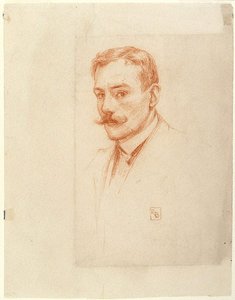
Rupert Charles Wulsten Bunny
1864 - 1947 , Australia
Relaterte artikler
Elegante mesterverk: Topp 10 kunstverk for et sofistikert hjem | OriginalUniqueArt.no
Oppdag 10 ikoniske kunstverk som utstråler eleganse og tidløs skjønnhet! Fra renessansen til impresjonismen – lær historien bak mesterverkene. Finn din perfekte reproduksjon på OriginalUniqueArt.com.
The Allure of Elegance: Exploring Artistic Representations of Refinement Across Movements
Explore the captivating history of elegance in art, from Rococo's grace to Romanticism’s passion. Discover investment-worthy masterpieces & expert guidance for building your collection with OriginalUniqueArt.
Sir Joshua Reynolds' Mesterverk: 25 Ikoniske Maler for Kunstelskere
Oppdag Sir Joshua Reynolds' 25 mest ikoniske malerier! Fordyp deg i portrettkunsten fra det 18. århundre, barokk og rokokko-stilen. Finn inspirasjon til interiørdesign & kjøp reproduksjoner av høy kvalitet på OriginalUniqueArt.com.

The Allure of Elegance in Art: A Historical & Aesthetic Exploration of Refined Beauty
Explore the history of elegance in art! Discover Rococo masterpieces & key artists. Expert insights for discerning collectors seeking investment-worthy artworks and custom reproductions at OriginalUniqueArt.

The Allure of Elegance in Art: A Historical & Aesthetic Exploration of Refinement & Grace
Explore the exquisite world of Rococo art! Discover its history, masters (Watteau, Boucher & more), and defining elegance. Expert insights for collectors seeking museum-quality reproductions & custom portraits.

