Forhåndsvisning
 Send
Send Del
Del
 Vis detaljer
 Utskriftsvennlig guide

 Last ned bilde
 Liknende objekter
 Røntgenundersøkelse
 Lysbildefremvisning
 Q&A
Q&A Statistikk
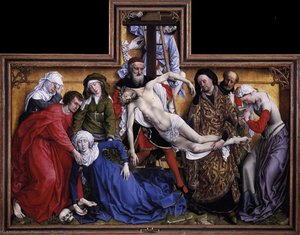
The Last Judgment Polyptych (detail)


 Vis hele teksten
Giclée / Kunsttrykk
Giclée- eller lerretsprint av museumskvalitet med rask produksjon og fleksible valgmuligheter for etterbehandling. ( Kjøp håndmalt maleri Bytt til digitalt bilde)




P118B Nkr10

P118H Nkr10

P118W Nkr10

P438Z Nkr10

P508JH Nkr12

P508YH Nkr12

P805H Nkr10

P805Z Nkr10

P919BZ Nkr10

P919G Nkr10

P919XJ Nkr10

P959ZH Nkr10

P968JZ Nkr12

W106C Nkr8

W218G Nkr10

W218JH Nkr8

W218Y Nkr10

W307PJ Nkr10

W316G Nkr10

W316PJ Nkr8

W316Y Nkr10

W398PJ Nkr8

W4111J Nkr10

W500HY Nkr15

W500JH Nkr15

W692G Nkr12

W849H Nkr8

W940BG Nkr15

W953PJ Nkr8




Velg mellom våre forhåndsdefinerte størrelser som bevarer kunstverkets opprinnelige proporsjoner.

Skriv inn ønsket bredde og høyde for å tilpasse trykket til din ramme eller vegg. Et trykk kan kun beskjæres, aldri skaleres opp utover motivets opprinnelige størrelse, noe som betyr at et format med andre proporsjoner vil føre til tap av deler av bildet. Vi sender deg en digital mockup for godkjenning før vi starter trykkeprosessen. Bildet som vises på denne siden viser ikke den faktiske beskjæringen — det er kun mockuppen som viser dette.
Verdensomspennende levering () på 2 uker i stedet for standard 4/5 uker. (29 October)

Gratis ekspressfrakt over hele verden

Lerretsduk av lin av høy kvalitet

Full transportforsikring

Garanti for refusjon av toll og importavgifter

Garantert fargegjengivelse

100 dagers returrett ved fabrikasjonsfeil

100% pengene tilbake-garanti

Rabatt ved flere kjøp
 Glassalternativet er kun tilgjengelig i størrelser under 110 cm

The Last Judgment Polyptych (detail)
Giclée / Kunsttrykk
Størrelse på reproduksjon
-


Totalpris for valgte alternativer
Nkr 769
A Masterpiece of Emotion: Exploring Rogier van der Weyden’s ‘The Last Judgment Polyptych’
Rogier van der Weyden (c. 1399 – 1464), a Flemish painter whose legacy continues to inspire awe and admiration, stands as one of the foremost figures in Early Netherlandish art. Born in Tournai, Belgium—a city steeped in medieval tradition—van der Weyden’s artistic journey began not with brushes but with the meticulous craft of goldsmithing, an apprenticeship that instilled within him a profound understanding of detail and precision – qualities which would become inseparable from his distinctive visual language.
- Subject Matter: The monumental ‘Last Judgment Polyptych,’ completed around 1443-1451, depicts the apocalyptic scene described in the Book of Revelation. It portrays Christ presiding over Heaven, flanked by Mary Magdalene and Saint John the Evangelist, overseeing the judgment of humanity – a dramatic representation of divine justice and salvation.
- Style: Van der Weyden’s style is characterized by its unparalleled realism and psychological depth. Departing from the stylized conventions of his predecessors, he embraced a humanist approach, prioritizing expressive emotion and capturing nuanced facial expressions to convey profound spiritual contemplation.
The Polyptych itself—a complex arrangement of panels depicting scenes from the Gospels and culminating in the Judgment Day—represents a pinnacle of artistic innovation. Van der Weyden’s technique involved layering thin glazes of oil paint over meticulously prepared gesso, achieving astonishing luminosity and textural richness. This painstaking process allowed him to render fabrics with breathtaking accuracy, capturing folds and creases that seemed to breathe with life.
Symbolism: Beyond its narrative depiction, the artwork is laden with symbolic significance. The rainbow—a symbol of God’s covenant—represents divine mercy amidst judgment. The figures themselves embody archetypal roles representing faith, repentance, and redemption. Notably, the central figure of Christ embodies compassion and solemn authority simultaneously – a masterful portrayal reflecting the theological concerns of the period.
Historical Context: Created during the Burgundian Renaissance, ‘The Last Judgment’ reflects the burgeoning humanist spirit that questioned medieval dogma while retaining its reverence for Christian faith. It stands as testament to Van der Weyden's ability to synthesize artistic innovation with spiritual contemplation—a feat that cemented his place among the greatest painters of his time.
- Smarthistory Link: Explore Smarthistory’s Analysis
- Beaune Altarpiece Reference: Consider the influence of similar monumental altarpieces on Van der Weyden's approach to composition and storytelling.
Spørsmål og svar
Finnes det et faktablad om "The Last Judgment Polyptych (detail)" av Rogier van der Weyden for studenter?
Faktablad for studenter-siden for "The Last Judgment Polyptych (detail)" av Rogier van der Weyden tilbyr et utskrivbart faktaark på to sider: kunstverket med sin identitetstabell, en tidslinje som plasserer det i kunstnerens levetid, andre verk av kunstneren, den målte fargepaletten og ferdigformaterte kildehenvisninger i fire stiler.
Hvilken farge dominerer komposisjonen i "The Last Judgment Polyptych (detail)" av Rogier van der Weyden?
Putty (#dbb69d) er den dominerende fargen i "The Last Judgment Polyptych (detail)" av Rogier van der Weyden.
Hvilken følelse formidler "The Last Judgment Polyptych (detail)" av Rogier van der Weyden?
Den emosjonelle tonen som er registrert for "The Last Judgment Polyptych (detail)" av Rogier van der Weyden, er Dramatic. Den oppsummerer følelsen verket uttrykker.
Om kunstneren
A Master of Emotion: The Life and Legacy of Rogier van der Weyden
Rogier van der Weyden, born around 1400 in the bustling city of Tournai, nestled within what is now Belgium, emerged as a pivotal figure in the blossoming world of Early Netherlandish painting. While details surrounding his early life remain somewhat elusive, it’s believed he initially honed his skills not with brush and pigment alone, but as a goldsmith – a craft that instilled within him an unwavering dedication to meticulous detail and a refined sensibility for craftsmanship; qualities that would become hallmarks of his artistic style. The precision demanded by working with precious metals undoubtedly translated into the exquisite rendering of textures, fabrics, and expressions that define his masterpieces. He wasn’t merely depicting reality; he was recreating it with painstaking accuracy, imbued with an almost reverent attention to detail.From Tournai to Brussels: A Rising Star
By 1427, van der Weyden had ascended to the rank of master within the Guild of Saint Luke in Tournai – a significant turning point, solidifying his position as a professional artist and opening doors to important commissions. His ascent continued when he entered the service of Philip the Good, Duke of Burgundy, in 1435 – a patronage that would profoundly shape his career for the remainder of his life. Serving as court painter afforded him not only financial security but also access to an elite circle of influence and exposure to some of the most discerning eyes of the era. It was during this period that van der Weyden’s artistic vision truly began to mature, moving away from the somewhat rigid conventions of earlier Netherlandish painters towards a more emotionally resonant and naturalistic approach. He wasn't simply painting religious scenes; he was striving to evoke genuine feeling in the viewer, to create an experience that transcended mere observation.The Language of Feeling: Style and Technique
Rogier van der Weyden’s artistic signature is immediately recognizable through several defining characteristics. His palette was remarkably rich and diverse, a vibrant tapestry of colors carefully chosen to avoid repetition and create depth and complexity within his compositions. He possessed an extraordinary ability to convey profound emotion – *pathos* – particularly in depictions of religious subjects like the Lamentation, where grief and sorrow are palpable. This emotional intensity wasn’t achieved through dramatic gestures or exaggerated expressions; rather, it was subtly woven into the very fabric of the painting, conveyed through delicate nuances of facial expression, body language, and composition. His figures, while adhering to the conventions of the time, demonstrate a growing interest in realistic representation – not just in anatomy and drapery, but also in capturing the psychological states of his subjects. They possess a dignified, almost sculptural quality, particularly evident in his grand triptychs, lending them an air of solemnity and reverence. He masterfully employed oil paint, building up layers of translucent glazes to achieve luminous effects and create a sense of depth and realism that was revolutionary for its time.Notable Works and Enduring Masterpieces
Throughout his prolific career, van der Weyden produced numerous works that stand as testaments to his artistic prowess. *St Luke Drawing a Portrait of the Madonna*, housed in the Museum of Fine Arts, Boston, showcases his mastery of oil on panel and meticulous observation. The *Lamentation*, residing in the Musée des Beaux-Arts Tournai, Belgium, is perhaps his most celebrated work – a powerfully emotive depiction of Christ’s mourning, renowned for its dramatic use of *chiaroscuro* and its ability to evoke profound sorrow in the viewer. Multiple versions of *The Deposition* exist, each demonstrating his skill in conveying grief and drama with breathtaking sensitivity. The *Annunciation*, a masterpiece of refined style and attention to detail, exemplifies his ability to imbue even the most traditional subjects with a sense of freshness and vitality. And finally, the intricate and richly detailed *Bladelin Triptych* stands as a monumental achievement – a complex altarpiece that showcases the full range of van der Weyden’s artistic abilities. These works, and many others, continue to captivate audiences today, solidifying his position as one of the most important painters of the 15th century.Rogier van der Weyden's Legacy
Van der Weyden’s influence extended far beyond the borders of his native Flanders. His works were highly sought after throughout Europe, particularly in Italy and Spain, where they introduced a new level of emotional depth and naturalism to local artistic traditions. Although his fame experienced a period of relative decline in the 17th century, a rediscovery during the 19th century cemented his place as one of the most important painters of the 15th century. He stands alongside Jan van Eyck and Robert Campin as one of the “three great” Early Flemish masters, each contributing uniquely to the development of Northern Renaissance art. His innovative techniques and emotionally charged compositions paved the way for future generations of artists, inspiring countless imitators and influencing the course of Western painting for centuries to come. He helped establish oil painting as the dominant medium and elevated the status of the artist within society, transforming them from skilled craftsmen into revered creators. Rogier van der Weyden’s legacy continues to resonate today, a testament to his enduring genius and his profound understanding of the human condition.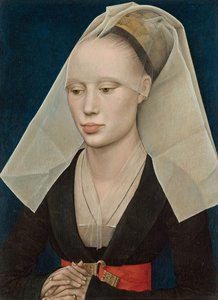
Rogier van der Weyden
1400 - 1464 , Belgia
Kort om kunstneren
- Artistic Movement Or Style: Flemish primitivister
- Artists Or Movements Influenced By This Artist: ['Italia renessanse']
- Artists Who Influenced This Artist:
- Robert Campin
- Jan van Eyck
- Date Of Birth: c. 1400
- Date Of Death: 1464
- Full Name: Rogier van der Weyden
- Nationality: Belgier
- Notable Artworks:
- Nedtagelsen fra korset
- Lamentation
- Annunciatio
- Place Of Birth: Tournai, Belgia
Relaterte artikler

Rembrandts Mesterverk: Topp 25 Kunstverk for Din Vegg | OriginalUniqueArt.no
Utforsk Rembrandts 25 mest ikoniske kunstverk! Oppdag historiene bak mestermalerier, portretter og bibelske scener fra den nederlandske barokken. Finn museumskvalitets reproduksjoner & interiørinspirasjon på OriginalUniqueArt.com.

De 10 Mesterverkene Som Definerte Tidlig Nederlandsk Renessanse | Kunst & Interiør
Utforsk de 10 ikoniske mesterverkene fra tidlig nederlandsk renessanse! Jan van Eyck, Bosch & Van der Weyden – lær om historien og teknikken bak disse flotte oljemaleriene. Finn kunst til ditt hjem på OriginalUniqueArt.com.

De 10 Mesterverkene Som Definerte Tidlig Nederlandsk Maleri | Kunst og Interiør
Utforsk de 10 mest ikoniske verkene fra tidlig nederlandsk maleri! Lær om Jan van Eyck, Robert Campin og renessansens mestere. Finn kunsttrykk av høy kvalitet og interiørinspirasjon på OriginalUniqueArt.com – ditt hjem fortjener et mesterverk.

Rogier van der Weyden: Emotion, Innovation & the Early Netherlandish Renaissance
Explore the revolutionary art of Rogier van der Weyden, a pivotal figure of the Early Netherlandish Renaissance. Discover his emotional realism, innovative compositions, and lasting impact on painting history.

Hugo van der Goes: Devotion, Innovation & the Psychological Depth of Early Netherlandish Painting
Explore the revolutionary art of Hugo van der Goes – a master of Early Netherlandish painting renowned for his dramatic realism, psychological depth & profound influence on Renaissance artists. Discover his iconic works and lasting legacy.