

 Forhåndsvisning
 Send
Send Del med andre
 Vis detaljer
 Veiledning

 Last ned bildet
 Liknende objekter
 Røntgenundersøkelse
 Lysbildefremvisning
 Statistikk
Head of the Virgin


 Vis hele teksten
Kjøp et høyoppløselig, forbedret digitalt bilde som er langt bedre enn forhåndsvisningen på nettet.
Hver fil er omhyggelig klargjort av våre egne spesialister ved hjelp av avanserte verktøy og profesjonell manuell retusjering. Vi sørger for at hvert bilde har eksepsjonell klarhet, presis fargegjengivelse og fine detaljer.
Den endelige filen leveres via e-post innen 72 timer, optimalisert for umiddelbar bruk i profesjonelle, redaksjonelle og trykte miljøer. Dette er den samme kvaliteten som benyttes av ledende designstudioer, utgivere og gallerier.
Digitalt bilde
Last ned en høyoppløselig fil for personlig bruk, utskrift og kreative prosjekter. ( Bytt til trykk Kjøp håndlaget maleri)
Inkludert i alle bestillinger av digitale bilder
Ekspert digital levering, garantert
Når du velger OriginalUniqueArt.com, får du ikke bare et bilde – du mottar et profesjonelt forbedret digitalt kunstverk, skapt med presisjon og med en garantert tilfredshetsgaranti. Her er alt som automatisk følger med din bestilling:

Rask digital levering
Din høyoppløselige digitale bildefil sendes til din e-post innen 72 timer etter bestilling – klar til umiddelbar bruk.

KI-forbedret digital fil
Ditt kunstverk blir profesjonelt optimalisert ved hjelp av avanserte AI-verktøy og manuell redigering, noe som sikrer maksimal detaljrikdom, klarhet og fargegjengivelse.

Gratis livslang nyutlevering
Har du ved et uhell slettet eller mistet filen din? Ingen bekymring – vi sender den på nytt når som helst, helt gratis.

Ingen importavgifter – noen gang
Nyt ditt kunstverk umiddelbart uten toll, avgifter eller leveringskostnader – digitale nedlastinger er alltid avgiftsfrie.

Garantert fargenøyaktighet
Vi sikrer at ditt digitale bilde gjenspeiler de originale fargene så nøyaktig som mulig ved hjelp av profesjonelle verktøy og fargehåndtering.

100 dagers tilfredshetsgaranti
Hvis du ikke er fornøyd med ditt digitale bilde, vil vi revidere det eller refundere 100% innen 100 dager – uten spørsmål.

100% Penggaranti
Ikke fornøyd? Få full refusjon innen 100 dager etter at du har mottatt din digitale fil – uten spørsmål.

Rabatt ved storkjøp
Kjøp 3 bilder, spar 10% - Kjøp 5, spar 15% - Kjøp 10+, spar 20%. Ideelt for kreative prosjekter, gallerier og byråer.
A Glimpse of Divine Serenity: Exploring Rogier van der Weyden’s *Head of the Virgin*
This exquisite pencil drawing, attributed to the masterful hand of Rogier van der Weyden (c. 1400-1464), offers a rare and intimate study likely preparatory for a larger devotional work. While seemingly simple in its subject – the head and shoulders of a young woman – it encapsulates the core tenets of Van der Weyden’s artistic genius and provides valuable insight into his creative process.Subject & Style: Echoes of Renaissance Idealism
The drawing depicts a figure traditionally identified as the Virgin Mary, though its function may have been as a study for other saintly or noble female portraits common in 15th-century art. The style is profoundly rooted in the Early Netherlandish tradition, yet demonstrates a clear understanding of Italian Renaissance principles emerging at the time. The artist prioritizes *realistic depiction* and subtle modeling to convey an idealized beauty. Notice how the composition is tightly cropped, drawing immediate focus to the subject’s face – a hallmark of Van der Weyden's portraits which often emphasized emotional resonance through facial expression.Technique & Materials: The Power of Graphite
Executed in graphite pencil on paper, this work showcases Van der Weyden’s exceptional draftsmanship. The artist employs a range of linear and precise strokes to define the structure of the face, paying meticulous attention to details like the eyes, nose, mouth, and delicately rendered hair. Varying pencil pressure creates texture – from light, feathery touches suggesting softness to darker, more solid areas defining form and shadow. The neutral palette of beige, cream, and pale brown lends an aged quality, evoking the feeling of a treasured antique study. The subtle yellow undertone in the background adds warmth and depth.Historical Context: A Master of His Time
Rogier van der Weyden was one of the most significant painters of the Early Netherlandish period. Born in Tournai, Belgium, he rose to prominence alongside Jan van Eyck, becoming a celebrated artist throughout Northern Europe and Italy. His work was distinguished by its *rich coloration*, expressive figures, and innovative approach to portraying emotion – particularly pathos. This drawing likely dates from a period when Van der Weyden was actively producing altarpieces and devotional panels for prominent patrons. Such preparatory drawings were crucial in refining compositions before committing them to the more permanent medium of oil paint.Symbolism & Emotional Impact
While a direct symbolic interpretation is challenging without knowing the drawing’s original context, the subject's serene expression and idealized features evoke a sense of *spiritual contemplation* and inner peace. The delicate rendering suggests purity and grace – qualities traditionally associated with the Virgin Mary. The overall effect is one of quiet dignity and profound introspection. Even as a study, it possesses an emotional weight that speaks to Van der Weyden’s ability to imbue his figures with psychological depth.For Collectors & Designers
This *Head of the Virgin* offers more than just aesthetic appeal; it represents a tangible connection to one of art history's most influential masters. A high-quality reproduction would be a stunning addition to any collection, lending an air of refined elegance and historical significance to a home or office. Its neutral palette and classical composition make it exceptionally versatile, complementing a wide range of interior design styles – from traditional to contemporary. The drawing’s focus on form and light also makes it an excellent source of inspiration for artists and designers alike.Om kunstneren
A Master of Emotion: The Life and Legacy of Rogier van der Weyden
Rogier van der Weyden, born around 1400 in the bustling city of Tournai, nestled within what is now Belgium, emerged as a pivotal figure in the blossoming world of Early Netherlandish painting. While details surrounding his early life remain somewhat elusive, it’s believed he initially honed his skills not with brush and pigment alone, but as a goldsmith – a craft that instilled within him an unwavering dedication to meticulous detail and a refined sensibility for craftsmanship; qualities that would become hallmarks of his artistic style. The precision demanded by working with precious metals undoubtedly translated into the exquisite rendering of textures, fabrics, and expressions that define his masterpieces. He wasn’t merely depicting reality; he was recreating it with painstaking accuracy, imbued with an almost reverent attention to detail.From Tournai to Brussels: A Rising Star
By 1427, van der Weyden had ascended to the rank of master within the Guild of Saint Luke in Tournai – a significant turning point, solidifying his position as a professional artist and opening doors to important commissions. His ascent continued when he entered the service of Philip the Good, Duke of Burgundy, in 1435 – a patronage that would profoundly shape his career for the remainder of his life. Serving as court painter afforded him not only financial security but also access to an elite circle of influence and exposure to some of the most discerning eyes of the era. It was during this period that van der Weyden’s artistic vision truly began to mature, moving away from the somewhat rigid conventions of earlier Netherlandish painters towards a more emotionally resonant and naturalistic approach. He wasn't simply painting religious scenes; he was striving to evoke genuine feeling in the viewer, to create an experience that transcended mere observation.The Language of Feeling: Style and Technique
Rogier van der Weyden’s artistic signature is immediately recognizable through several defining characteristics. His palette was remarkably rich and diverse, a vibrant tapestry of colors carefully chosen to avoid repetition and create depth and complexity within his compositions. He possessed an extraordinary ability to convey profound emotion – *pathos* – particularly in depictions of religious subjects like the Lamentation, where grief and sorrow are palpable. This emotional intensity wasn’t achieved through dramatic gestures or exaggerated expressions; rather, it was subtly woven into the very fabric of the painting, conveyed through delicate nuances of facial expression, body language, and composition. His figures, while adhering to the conventions of the time, demonstrate a growing interest in realistic representation – not just in anatomy and drapery, but also in capturing the psychological states of his subjects. They possess a dignified, almost sculptural quality, particularly evident in his grand triptychs, lending them an air of solemnity and reverence. He masterfully employed oil paint, building up layers of translucent glazes to achieve luminous effects and create a sense of depth and realism that was revolutionary for its time.Notable Works and Enduring Masterpieces
Throughout his prolific career, van der Weyden produced numerous works that stand as testaments to his artistic prowess. *St Luke Drawing a Portrait of the Madonna*, housed in the Museum of Fine Arts, Boston, showcases his mastery of oil on panel and meticulous observation. The *Lamentation*, residing in the Musée des Beaux-Arts Tournai, Belgium, is perhaps his most celebrated work – a powerfully emotive depiction of Christ’s mourning, renowned for its dramatic use of *chiaroscuro* and its ability to evoke profound sorrow in the viewer. Multiple versions of *The Deposition* exist, each demonstrating his skill in conveying grief and drama with breathtaking sensitivity. The *Annunciation*, a masterpiece of refined style and attention to detail, exemplifies his ability to imbue even the most traditional subjects with a sense of freshness and vitality. And finally, the intricate and richly detailed *Bladelin Triptych* stands as a monumental achievement – a complex altarpiece that showcases the full range of van der Weyden’s artistic abilities. These works, and many others, continue to captivate audiences today, solidifying his position as one of the most important painters of the 15th century.Rogier van der Weyden's Legacy
Van der Weyden’s influence extended far beyond the borders of his native Flanders. His works were highly sought after throughout Europe, particularly in Italy and Spain, where they introduced a new level of emotional depth and naturalism to local artistic traditions. Although his fame experienced a period of relative decline in the 17th century, a rediscovery during the 19th century cemented his place as one of the most important painters of the 15th century. He stands alongside Jan van Eyck and Robert Campin as one of the “three great” Early Flemish masters, each contributing uniquely to the development of Northern Renaissance art. His innovative techniques and emotionally charged compositions paved the way for future generations of artists, inspiring countless imitators and influencing the course of Western painting for centuries to come. He helped establish oil painting as the dominant medium and elevated the status of the artist within society, transforming them from skilled craftsmen into revered creators. Rogier van der Weyden’s legacy continues to resonate today, a testament to his enduring genius and his profound understanding of the human condition.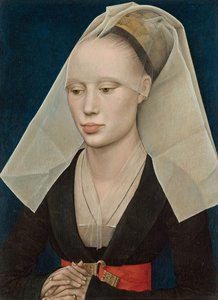
Rogier van der Weyden
1400 - 1464 , Belgia
Kort om kunstneren
- Artistic Movement Or Style: Flemish primitivister
- Artists Or Movements Influenced By This Artist: ['Italia renessanse']
- Artists Who Influenced This Artist:
- Robert Campin
- Jan van Eyck
- Date Of Birth: c. 1400
- Date Of Death: 1464
- Full Name: Rogier van der Weyden
- Nationality: Belgier
- Notable Artworks:
- Nedtagelsen fra korset
- Lamentation
- Annunciatio
- Place Of Birth: Tournai, Belgia