
 Forhåndsvisning
 Send
Send Del med andre
 Vis detaljer

 Last ned bildet
 Liknende objekter
 Røntgenundersøkelse
 Lysbildefremvisning
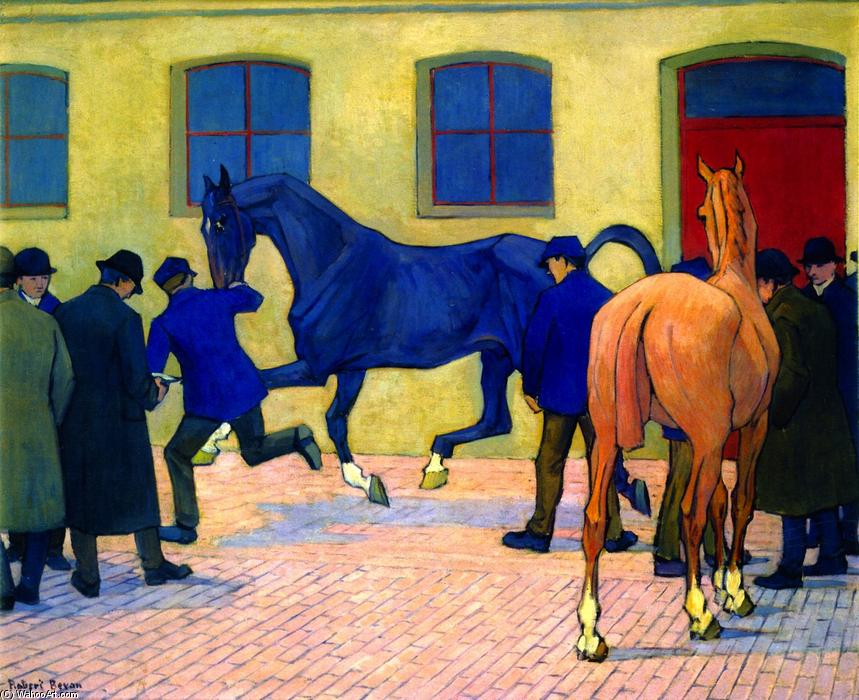
Showing at Tattersall's
 Oil On Panel
- British Modernism
 1919
1919 58.0 x 71.0 cm
 Ashmoleanmuseet
 Vis hele teksten
Kjøp et høyoppløselig, forbedret digitalt bilde som er langt bedre enn forhåndsvisningen på nettet.
Hver fil er omhyggelig klargjort av våre egne spesialister ved hjelp av avanserte verktøy og profesjonell manuell retusjering. Vi sørger for at hvert bilde har eksepsjonell klarhet, presis fargegjengivelse og fine detaljer.
Den endelige filen leveres via e-post innen 72 timer, optimalisert for umiddelbar bruk i profesjonelle, redaksjonelle og trykte miljøer. Dette er den samme kvaliteten som benyttes av ledende designstudioer, utgivere og gallerier.
Digitalt bilde
Last ned en høyoppløselig fil for personlig bruk, utskrift og kreative prosjekter. ( Kjøp trykk Kjøp håndlaget maleri)
Inkludert i alle bestillinger av digitale bilder
Ekspert digital levering, garantert
Når du velger OriginalUniqueArt.com, får du ikke bare et bilde – du mottar et profesjonelt forbedret digitalt kunstverk, skapt med presisjon og med en garantert tilfredshetsgaranti. Her er alt som automatisk følger med din bestilling:

Rask digital levering
Din høyoppløselige digitale bildefil sendes til din e-post innen 72 timer etter bestilling – klar til umiddelbar bruk.

KI-forbedret digital fil
Ditt kunstverk blir profesjonelt optimalisert ved hjelp av avanserte AI-verktøy og manuell redigering, noe som sikrer maksimal detaljrikdom, klarhet og fargegjengivelse.

Gratis livslang nyutlevering
Har du ved et uhell slettet eller mistet filen din? Ingen bekymring – vi sender den på nytt når som helst, helt gratis.

Ingen importavgifter – noen gang
Nyt ditt kunstverk umiddelbart uten toll, avgifter eller leveringskostnader – digitale nedlastinger er alltid avgiftsfrie.

Garantert fargenøyaktighet
Vi sikrer at ditt digitale bilde gjenspeiler de originale fargene så nøyaktig som mulig ved hjelp av profesjonelle verktøy og fargehåndtering.

60 dagers tilfredshetsgaranti
Hvis du ikke er fornøyd med ditt digitale bilde, vil vi revidere det eller refundere 100% innen 60 dager – uten spørsmål.

100% Penggaranti
Ikke fornøyd? Få full refusjon innen 60 dager etter at du har mottatt din digitale fil – uten spørsmål.

Rabatt ved storkjøp
Kjøp 3 bilder, spar 10% - Kjøp 5, spar 15% - Kjøp 10+, spar 20%. Ideelt for kreative prosjekter, gallerier og byråer.
Beskrivelse av samlerobjektet
A Vibrant Snapshot of Racing Tradition: Examining Robert Bevan’s “Showing at Tattersall’s”
Robert Bevan's "Showing at Tattersall’s," completed in 1919, stands as a remarkable testament to British Modernism and a captivating portrayal of the social fabric surrounding horse racing during its golden age. Currently residing within the Ashmolean Museum’s collection in Oxford, this oil on panel painting transcends mere depiction; it captures an atmosphere brimming with energy and ambition—a feeling palpable even through reproductions. Bevan's masterful use of color and composition elevates the scene beyond a simple record of an event, transforming it into a symbol of dynamism and aspiration.The Scene Unfolds: Composition and Color Palette
At first glance, “Showing at Tattersall’s” presents a bustling tableau—a horse race unfolding against the backdrop of London’s streets. Bevan skillfully employs diagonal lines to guide the viewer's eye across the canvas, emphasizing the movement of the horses as they surge forward. The dominant hue is a striking shade of blue, chosen not just for its visual impact but also perhaps to represent prestige and nobility—associations fitting for Tattersall’s auction house, renowned for its history of selling thoroughbred racehorses. Complementing this bold color are warmer tones – reds and yellows – emanating from the spectators and highlighting the excitement of the competition. These contrasting hues create a harmonious balance that underscores the painting's emotional resonance.Bevan’s Style: Fauvist Influences and Camden Town Group Aesthetic
Bevan’s artistic approach aligns closely with the burgeoning Fauvist movement, spearheaded by artists like Matisse and Derain. Like his contemporaries, Bevan prioritized expressive color over strict realism, prioritizing emotion and sensation above meticulous detail. This stylistic choice is evident in the textured brushstrokes that imbue the canvas with a palpable sense of immediacy. Furthermore, Bevan’s affiliation with the Camden Town Group—a collective dedicated to documenting urban life—is discernible in the painting's depiction of London’s environment. The artist skillfully captures the gritty realism of the city alongside the grandeur of the horse racing spectacle, reflecting the group’s broader ambition to portray modern Britain in all its complexity.Symbolism Beyond the Race Track
Beyond the immediate visual drama of the race itself, “Showing at Tattersall’s” carries deeper symbolic significance. The horses represent not only physical prowess but also status and success—aspirations shared by both participants and observers. The positioning of figures around the horses underscores the importance of social interaction and hierarchy within this cultural institution. Bevan's deliberate framing invites contemplation on themes of ambition, tradition, and the pursuit of excellence – ideas that resonate powerfully even today.Emotional Impact: Capturing a Moment in Time
Ultimately, Bevan’s “Showing at Tattersall’s” succeeds in conveying an unforgettable impression—a snapshot of a pivotal moment in British cultural history. The painting's vibrant colors and dynamic composition evoke feelings of exhilaration and anticipation, transporting the viewer back to 1919 London. It serves as a poignant reminder that art can capture not just what is seen but also what is felt—a legacy cemented by Bevan’s enduring contribution to Modern British Art.Om kunstneren
A Pioneer of British Modernism: The Life and Art of Robert Polhill Bevan
Robert Polhill Bevan, born in Hove in 1865, occupies a pivotal yet often understated position within the narrative of early 20th-century British art. Emerging from a Quaker background steeped in banking connections – his parents were Richard Alexander Bevan and Laura Maria Polhill – he defied conventional expectations to become a daring innovator, a key figure in the transition from Impressionism towards more radical explorations of color and form. His journey was one of constant experimentation, absorbing influences from across Europe while forging a distinctly personal artistic vision that would profoundly impact the development of modern art in Britain. Bevan’s early education at Westminster School of Art under Fred Brown provided a solid foundation, but it was his subsequent studies at the Académie Julian in Paris that truly ignited his creative spark. There, he encountered a constellation of rising stars – Paul Sérusier, Pierre Bonnard, Édouard Vuillard, and Maurice Denis – artists who were challenging academic conventions and embracing new approaches to painting. These encounters proved formative, exposing Bevan to the principles of synthetism and laying the groundwork for his future explorations.Brittany, Fauvism, and the Search for Pure Color
The impact of Brittany on Bevan’s artistic development cannot be overstated. Two significant journeys in 1890 and 1891 immersed him in the atmosphere of Pont-Aven, a small coastal town that had become a magnet for artists seeking an alternative to Parisian salon culture. The bold colors and simplified forms championed by artists like Gauguin resonated deeply with Bevan, influencing his early drawings and prints. He was particularly drawn to the luminous landscapes of Breton Brittany, where he spent considerable time studying the works of Paul Gauguin and Vincent van Gogh. This fascination fueled his experimentation with pure color – a technique that would foreshadow the emergence of Fauvism on the continent – as evidenced by paintings like “The Chestnut Tree” and “Landscape in the Blackdown Hills.” Bevan’s approach wasn't merely decorative; it was driven by a desire to capture the emotional intensity of the natural world, mirroring the expressive fervor characteristic of Impressionist painters. The influence of Cézanne is also discernible in his compositions, particularly in his use of geometric forms and flattened perspectives – elements that would contribute to the development of Cubism alongside Picasso and Braque.Collective Visions: The Camden Town Group and Beyond
Bevan was not an artist who worked in isolation. He actively sought connection with like-minded individuals, playing a crucial role in the formation of several influential art groups. As a founding member of the Camden Town Group – alongside artists such as Spencer Gore and Joseph Crawhall – he joined forces with fellow painters determined to depict modern urban life and challenge established artistic norms. This collective spirit extended to his involvement with the London Group and the Cumberland Market Group, furthering his commitment to progressive artistic movements. The group’s aim was to break away from academic traditions and explore new visual languages—a bold undertaking that reflected the broader intellectual currents of the era. Bevan's engagement with these groups fostered a dynamic exchange of ideas, shaping his artistic trajectory and contributing to the evolution of British art. He collaborated closely with fellow Camden Town Group members on projects exploring themes of social realism and psychological introspection – demonstrating a willingness to engage with pressing societal concerns through artistic expression.Landscapes, Urban Scenes, and Lasting Legacy
Bevan’s oeuvre is characterized by a remarkable range of subjects—portraits capturing the dignity of individuals—and urban scenes documenting the realities of modern life (“The Cab Horse”). However, he is perhaps best remembered for his landscapes – particularly those depicting the Blackdown Hills near Hove. His paintings embody a profound appreciation for the beauty and tranquility of rural England, rendered with meticulous detail and infused with vibrant color palettes. Works like “In the Downs Near Lewes” and “The Rosemary Canvas” exemplify this mastery, showcasing Bevan’s ability to convey both the physical grandeur and emotional resonance of the natural world. His distinctive style—characterized by bold brushstrokes and a masterful use of light—established him as a leading British painter of the early years of the 20th Century. Bevan's influence extended beyond his own artistic output, inspiring subsequent generations of painters to embrace experimentation and explore new visual vocabularies. He remains a vital figure for understanding the complex evolution of British art during this transformative period – securing his place as one of the most important artists of his time.- Notable artworks: “The Farmhouse”, “Ploughing on the Downs”, “Queen’s Grove”, “The Cab Horse”
- Places of Residence: Hove, Sussex; Marlpitts Cottage, Luppitt
- Artistic Influences: Paul Gauguin, Cézanne, Vincent van Gogh

Robert Polhill Bevan
1865 - 1925 , Storbritannia
Kort om kunstneren
- Artistic Movement Or Style: Fauvism, Divisionism
- Artists Who Influenced This Artist:
- Paul Gauguin
- Velázquez
- Goya
- Renoir
- Date Of Birth: 1865
- Date Of Death: 1925
- Full Name: Robert Polhill Bevan
- Nationality: Britisk
- Notable Artworks:
- The Farmhouse
- Ploughing on the Downs
- Queen’s Grove
- The Cab Horse
- Place Of Birth: Hove, United Kingdom

