
 Se i rommet
 Del som digitalt kort
 Del
Del
 Detaljer
 Studentguide

 Last ned
 Liknende objekter
 Røntgen
 Lysbildefremvisning
 Besøksstatistikk
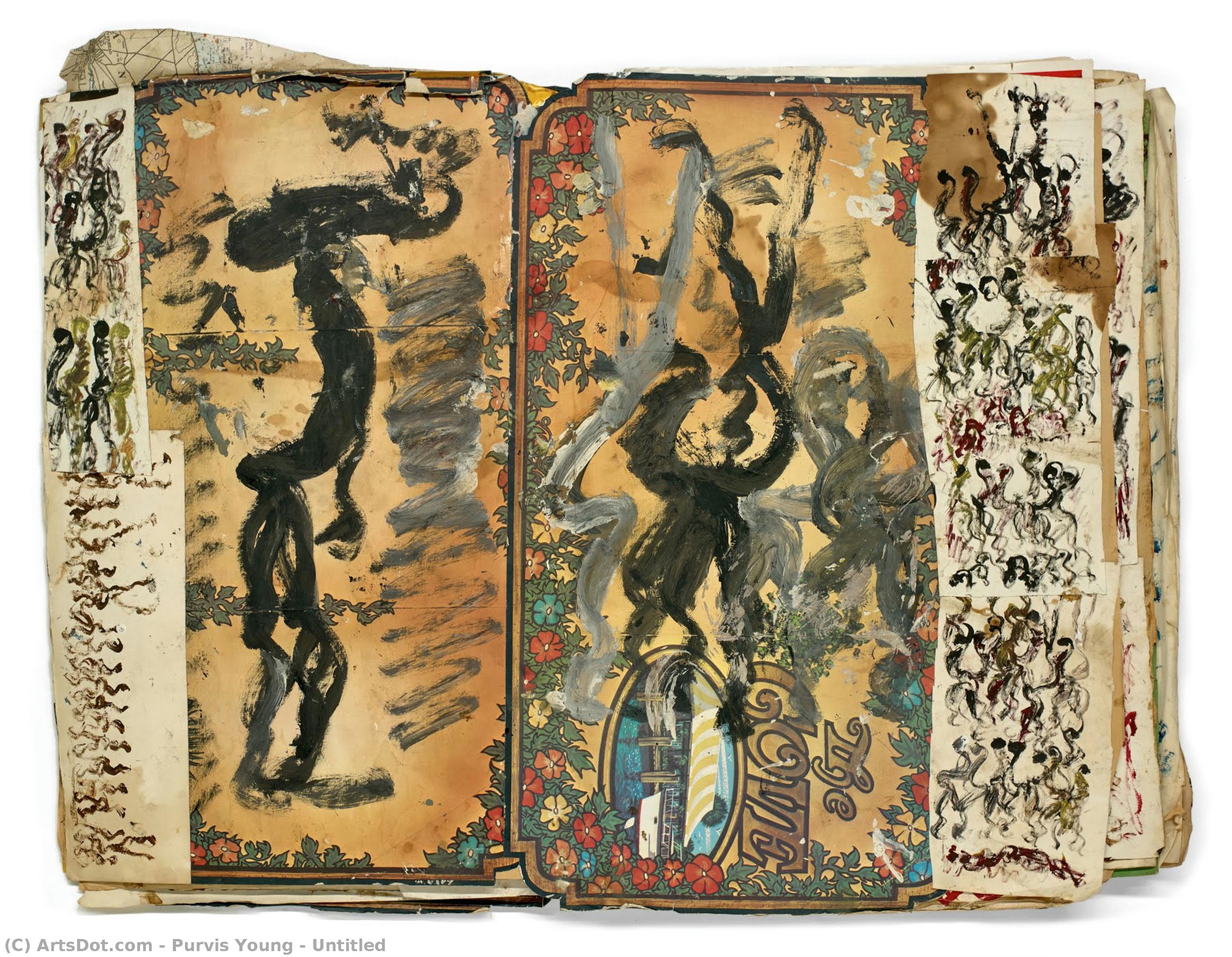
Untitled
 Mixed Media
- WallArt
- Contemporary Art
 1980
1980- Contemporary
 76.0 x 123.0 cm
 Souls Grown Deep
 Les mer
Kunstverket som vises på denne siden er beskyttet av opphavsretten, noe som betyr at vi ikke har juridisk tillatelse til å lage eller selge identiske reproduksjoner. Denne beskyttelsen håndheves i henhold til internasjonale avtaler som for eksempel Bernerkonvensjonen og av nasjonale lover, inkludert de som er fastsatt i Amerikansk opphavsrettslov – Tittel 17.
Denne metoden er i fullt samsvar med opphavsrettslige regler, da den ikke innebærer kopiering eller duplisering av det beskyttede kunstverket. I stedet er det snakk om en kreativ nytolkning – et nytt maleri som er inspirert av originalen, men ikke identisk med den.
Giclée / Kunsttrykk
Giclée- eller lerretsprint av museumskvalitet med rask produksjon og fleksible valgmuligheter for etterbehandling. ( Bestill håndmalt reproduksjon Gå til digitalt bilde)




P118B Nkr10

P118H Nkr10

P118W Nkr10

P438Z Nkr10

P508JH Nkr12

P508YH Nkr12

P805H Nkr10

P805Z Nkr10

P919BZ Nkr10

P919G Nkr10

P919XJ Nkr10

P959ZH Nkr10

P968JZ Nkr12

W106C Nkr8

W218G Nkr10

W218JH Nkr8

W218Y Nkr10

W307PJ Nkr10

W316G Nkr10

W316PJ Nkr8

W316Y Nkr10

W398PJ Nkr8

W4111J Nkr10

W500HY Nkr15

W500JH Nkr15

W692G Nkr12

W849H Nkr8

W940BG Nkr15

W953PJ Nkr8




Velg mellom våre forhåndsdefinerte størrelser som bevarer kunstverkets opprinnelige proporsjoner.

Skriv inn bredden og høyden du trenger, slik at den passer til din ramme eller vegg. Et trykk kan kun beskjæres, aldri gjøres større enn bildet, så et format med en annen form vil miste en del av motivet. Vi sender deg en digital mockup for godkjenning før vi trykker noe som helst. Bildet som vises på denne siden viser ikke den faktiske beskjæringen — det er kun mockuppen som gjør det.
Verdensomspennende levering () på 2 uker i stedet for standard 4/5 uker. (22 October)

Gratis ekspressfrakt over hele verden

Lerretsduk av høykvalitets lin

Full transportforsikring

Garanti for refusjon av toll og importavgifter

Garantert fargeekthet

100 dagers returrett ved fabrikasjonsfeil

100% pengene tilbake-garanti

Mengderabatt
 Glassalternativet er kun tilgjengelig i størrelser under 110 cm

Untitled
Giclée / Kunsttrykk
Format på reproduksjon
-


Totalpris
Nkr 758
Spørsmål og svar
Hvilken reproduksjonsstørrelse anbefales for "Untitled" av Purvis Young?
"Untitled" anbefales i en trykkstørrelse på Large. Andre størrelser er tilgjengelige med de samme proporsjonene.
Hvor kan jeg finne en guide til "Untitled"?
En Veiledning-side er tilgjengelig for "Untitled" av Purvis Young: et utskrivbart faktablad om kunstverket, designet for studenter og bruk i klasserommet.
Hvor anbefales det å stille ut Landscape-formatet av "Untitled"?
Med sin Landscape form, anbefales en reproduksjon av "Untitled" for et Coffee Shop.
Kunstnerbiografi
A Life Forged in Overtown: The Story of Purvis Young
Purvis Young’s art wasn't born in a studio, but on the streets of Miami’s Overtown neighborhood—a place he didn’t just depict, but *lived* and breathed. Born in Liberty City in 1943, Young’s journey was one of self-discovery fueled by hardship, observation, and an unwavering dedication to translating the soul of his community onto any surface he could find. He wasn't formally trained; his education came from immersing himself in art books during a period of incarceration, and then through relentless study at Miami’s public libraries. This autodidacticism became central to his artistic identity—a refusal to conform to established norms, mirroring the resilience of Overtown itself. His early life was marked by challenges, including time spent in prison for breaking and entering, an experience that profoundly shaped his worldview and ultimately ignited a creative fire within him. Upon release, he didn’t seek out galleries or mentors; instead, he turned inward, finding inspiration in the decaying beauty and vibrant humanity surrounding him.The Alchemy of Found Objects
Young's artistic process was as unique as his vision. He wasn’t interested in pristine canvases or expensive materials. Instead, he scavenged Overtown—a neighborhood undergoing dramatic change and decline—for discarded wood, scrap metal, old books, fragments of wallpaper, and anything else that caught his eye. These weren’t simply *materials*; they were the very essence of the community he sought to represent. He transformed these castoffs into powerful assemblages, layering drawings, paintings, and text in a chaotic yet strangely harmonious manner. This technique wasn't merely about resourcefulness; it was a deliberate act of reclamation—giving voice to the forgotten and overlooked. His work often features recurring motifs: horses symbolizing freedom, angels representing spirituality, and fragmented figures engaged in ritualistic acts, all rendered with an expressive rawness that conveys both despair and hope. The surfaces are textured, layered, and often distressed, mirroring the physical and emotional landscape of Overtown. He didn’t just paint *about* the neighborhood; he painted *with* it, incorporating its very fabric into his art.Echoes of Influence and a Singular Voice
While largely self-taught, Young wasn't entirely isolated from artistic currents. The mural movement of the 1960s resonated with him, inspiring him to create large-scale works directly within Overtown—transforming dilapidated walls into vibrant canvases that documented the lives and struggles of its residents. He absorbed influences from a wide range of sources, evident in his eclectic style, yet he never imitated. His work possesses a distinct aesthetic—a raw energy, a chaotic beauty, and a poignant social commentary that sets him apart. Some critics have noted echoes of Expressionism and Surrealism in his imagery, but these are filtered through the unique lens of his personal experience and cultural context. He wasn’t interested in replicating existing styles; he was intent on forging his own visual language—one that could capture the complexities of urban life and the resilience of the human spirit.A Chronicle of a Community
Purvis Young's significance extends far beyond aesthetics. His work serves as an invaluable historical document, preserving the memory of Overtown during a period of profound transformation and social upheaval. He captured the essence of a community facing displacement, poverty, and systemic injustice—giving voice to those who were often marginalized and ignored. His art is a powerful commentary on the African American experience in the South, exploring themes of resilience, spirituality, and the enduring search for dignity. Moreover, his success as a self-taught artist challenges conventional notions of artistic training, demonstrating that true creativity can flourish outside the confines of academia. He reminds us that art isn’t just about technical skill; it's about vision, passion, and the courage to tell your story—even when that story is difficult or uncomfortable.Recognition and Lasting Legacy
For years, Young’s work circulated primarily within a devoted local following. Collectors like Jane Fonda, Damon Wayans, Jim Belushi, and Dan Aykroyd recognized the power and originality of his vision early on, providing crucial support during a time when mainstream art institutions largely overlooked him. The documentary Purvis of Overtown brought wider attention to his life and work, but it was ultimately the increasing recognition from museums and galleries that solidified his place in art history. In 2018, he was posthumously inducted into the Florida Artists Hall of Fame—a testament to his enduring impact on the state’s artistic heritage. His paintings are now found in prestigious collections worldwide, a lasting tribute to an artist who transformed discarded materials into powerful expressions of community and identity.
Purvis Young
1943 - 2010 , USA
Kort om kunstneren
- Artistic Movement Or Style: Sosial ekspresjonisme
- Date Of Birth: 4. februar 1943
- Date Of Death: 20. april 2010
- Full Name: Purvis Young
- Nationality: Amerikansk
- Notable Artworks:
- Uten tittel (1980)
- Uten tittel (1978)
- Place Of Birth: Liberty City, USA
Relaterte artikler
Beyond Graffiti: Exploring the Evolution & Cultural Impact of Street Art for Collectors
Explore the evolution of street art from rebellious origins to a respected fine art form. Discover key artists like Banksy & learn how to collect urban art with confidence. Expert insights for discerning investors.
From Walls to Galleries: The Bold Evolution of Street Art and Its Rise into High-End Collectibles
Explore the captivating journey of street art from urban walls to prestigious galleries. Discover how contemporary graffiti has evolved into a high-end collectible movement, redefining modern interior design and global art culture.
Acrylic on Paper: A Modern Canvas for Contemporary Expression
Explore the versatility of acrylic painting on paper! Discover expert techniques, artist insights & archival practices for creating stunning contemporary art. Learn more at OriginalUniqueArt.

Chalk Art Unlocked: Master the Bold, Dusty Texture of Street & Pop Style
Master the bold, dusty textures of street and pop art. Discover how chalk-inspired aesthetics and high-impact graphic styles are redefining modern urban interiors through tactile pigment and raw, energetic design.
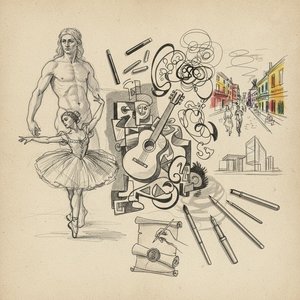
The Eloquent Line: Exploring the Artistic Significance of Sketches Across Movements and Media
Explore the profound artistic significance of sketches throughout history. From Renaissance masters to modern innovators like Van Gogh & Guston, discover how these foundational works reveal technique, emotion, and vision. Learn more at OriginalUniqueArt.


